How Flame Control and Stone Heat Create Better Pizza
A gas pizza oven simplifies outdoor fire management, but consistent
results still depend on balancing burner output, chamber heat and
the stored energy in the pizza stone. A strong flame can heat the
air quickly while the stone requires additional time to absorb
enough energy for a crisp base.
Why Propane Makes Outdoor Pizza Cooking Convenient
Propane provides quick ignition and adjustable burner output without
the ash associated with wood or pellet fuel. This makes a gas oven
useful for weeknight pizza, entertaining and situations where the
cook wants to focus more on dough and toppings than fire feeding.
Always use the regulator, hose and fuel connection approved for the
oven. Inspect the connection before cooking and follow the
manufacturer’s leak-checking and ignition procedure.
Preheating the Chamber and Pizza Stone
The stone must store enough energy to set the dough immediately
after launch. If it is too cool, the top may brown while the bottom
remains pale and soft. If it becomes excessively hot relative to
the chamber, the underside can burn before the crust finishes.
Preheating tip: Use a suitable infrared
thermometer to check several areas of the stone. Follow the
temperature guidance for your oven and pizza style instead of
judging readiness only from the visible flame.
Managing Flame and Pizza Position
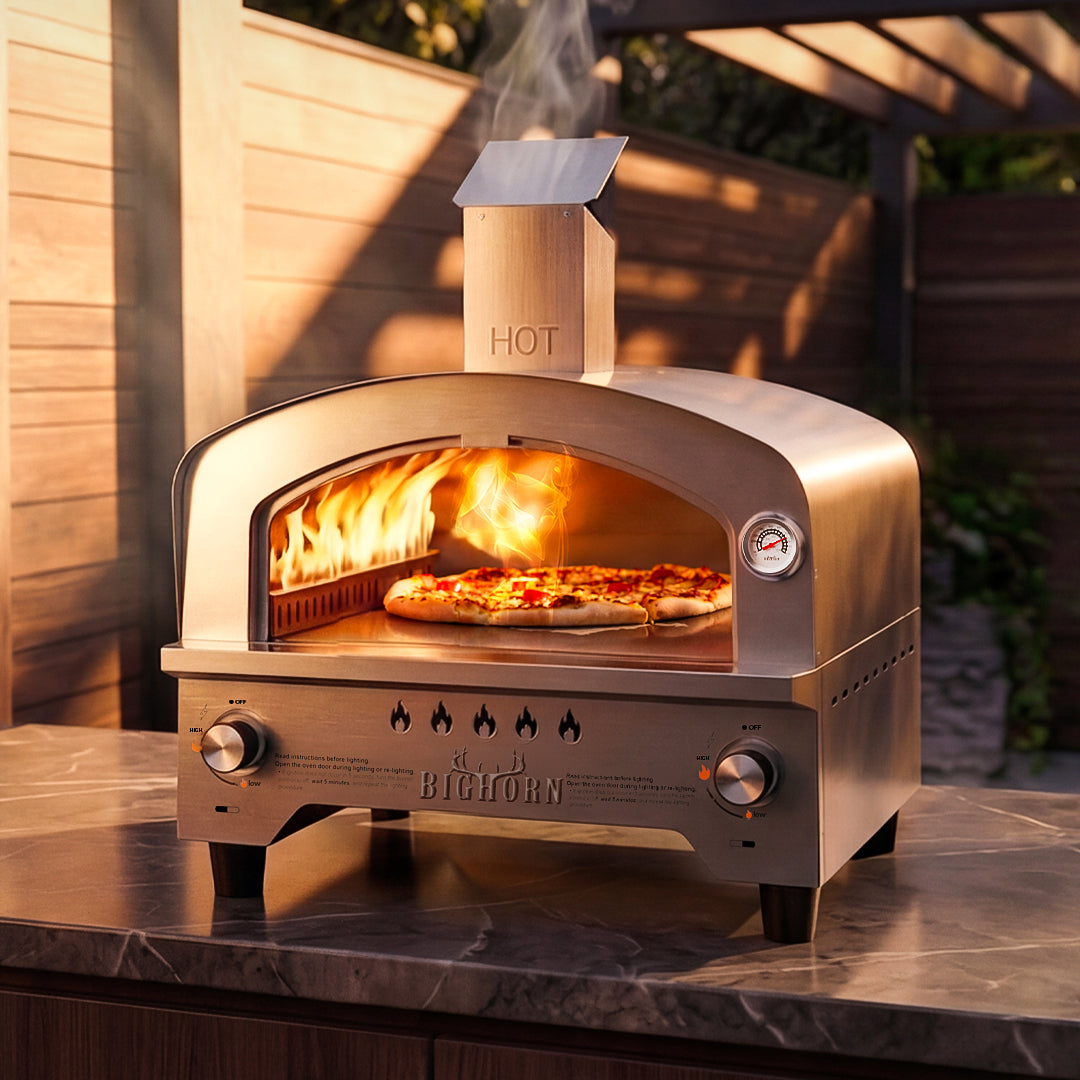
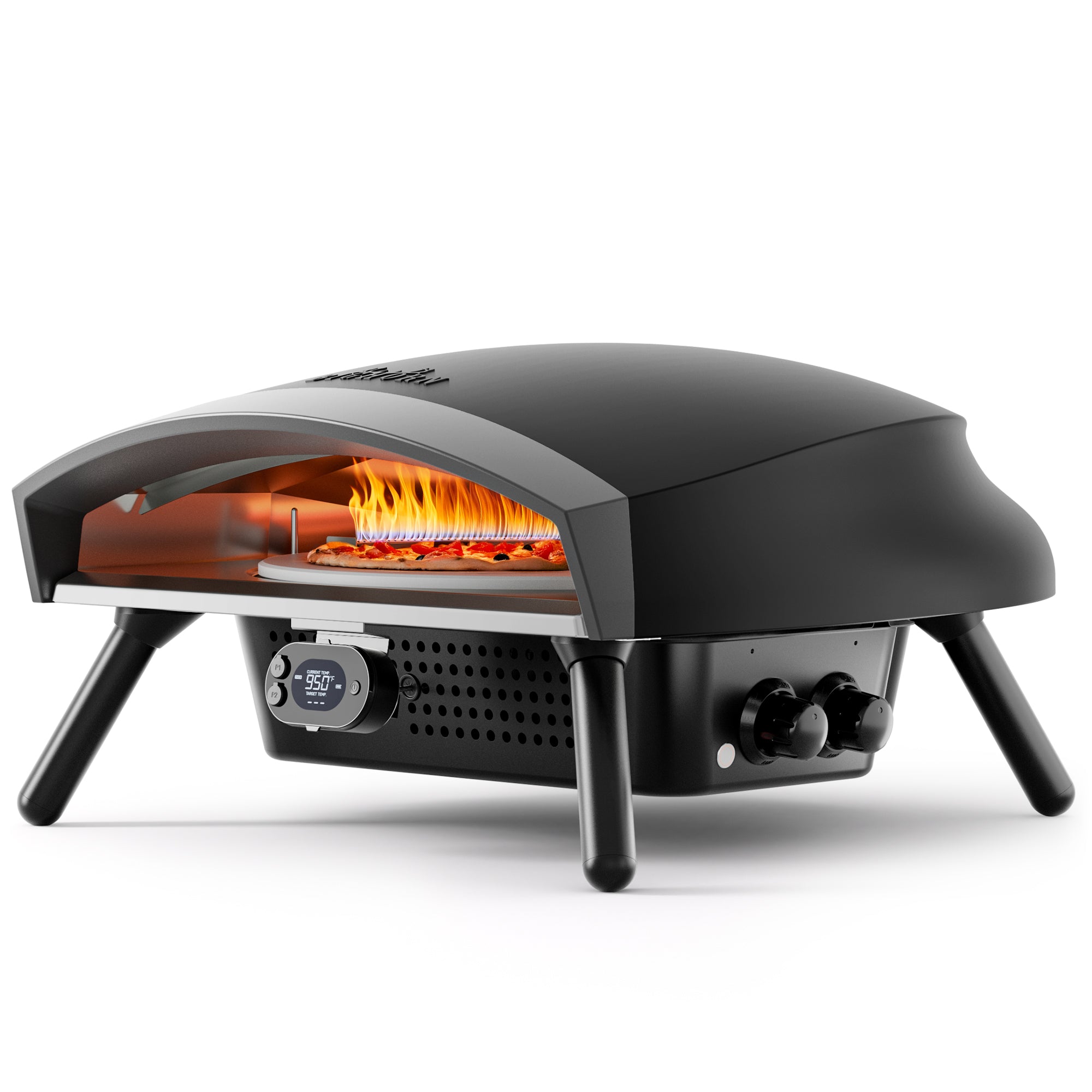
In a compact gas oven, the area closest to the burner normally
browns fastest. Single-burner models therefore require regular
turning. Dual-burner layouts can improve heat distribution, while a
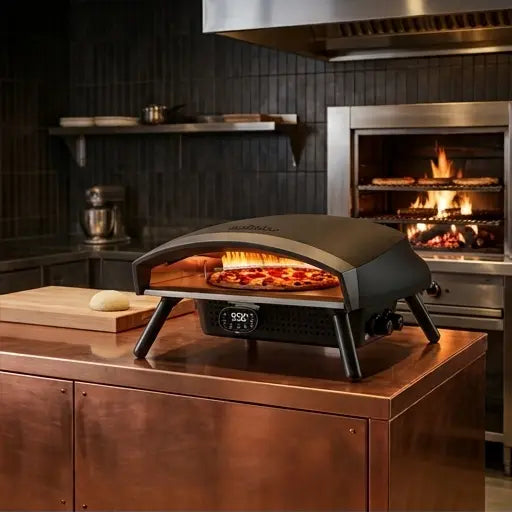
rotating stone moves the pizza continuously through the available
heat zones.
- Preheat both the chamber and the cooking stone.
- Build the pizza shortly before launching to reduce sticking.
- Confirm that the dough slides freely on the peel.
- Watch the crust edge nearest the flame for the first signs of browning.
- Turn manually when required or confirm that the rotating system is operating.
- Allow the stone to recover before launching another pizza.
Single Burner, Dual Burner or Rotating Stone?
A single-burner oven provides a simple and portable introduction to
gas pizza making. A dual-burner oven offers additional control over
the way heat reaches the stone and cooking chamber. An auto-rotating
stone is useful for cooks who want more even exposure with less
manual intervention.
More automation does not remove the need to monitor the bake.
Dough thickness, toppings, stone temperature and outdoor conditions
can still change how quickly a pizza finishes.
Dough and Toppings for a Fast Bake
High-temperature pizza works best when the dough, sauce and toppings
are balanced for a short cooking time. Heavy layers of sauce, wet
cheese or raw toppings can release moisture faster than the oven can
evaporate it.
- Drain high-moisture ingredients before topping the pizza.
- Avoid overloading the center of the dough.
- Use a moderate dough hydration while learning to launch quickly.
- Prepare toppings before stretching the dough.
- Use a small amount of suitable flour or semolina on the peel.
Cooking More Than Pizza
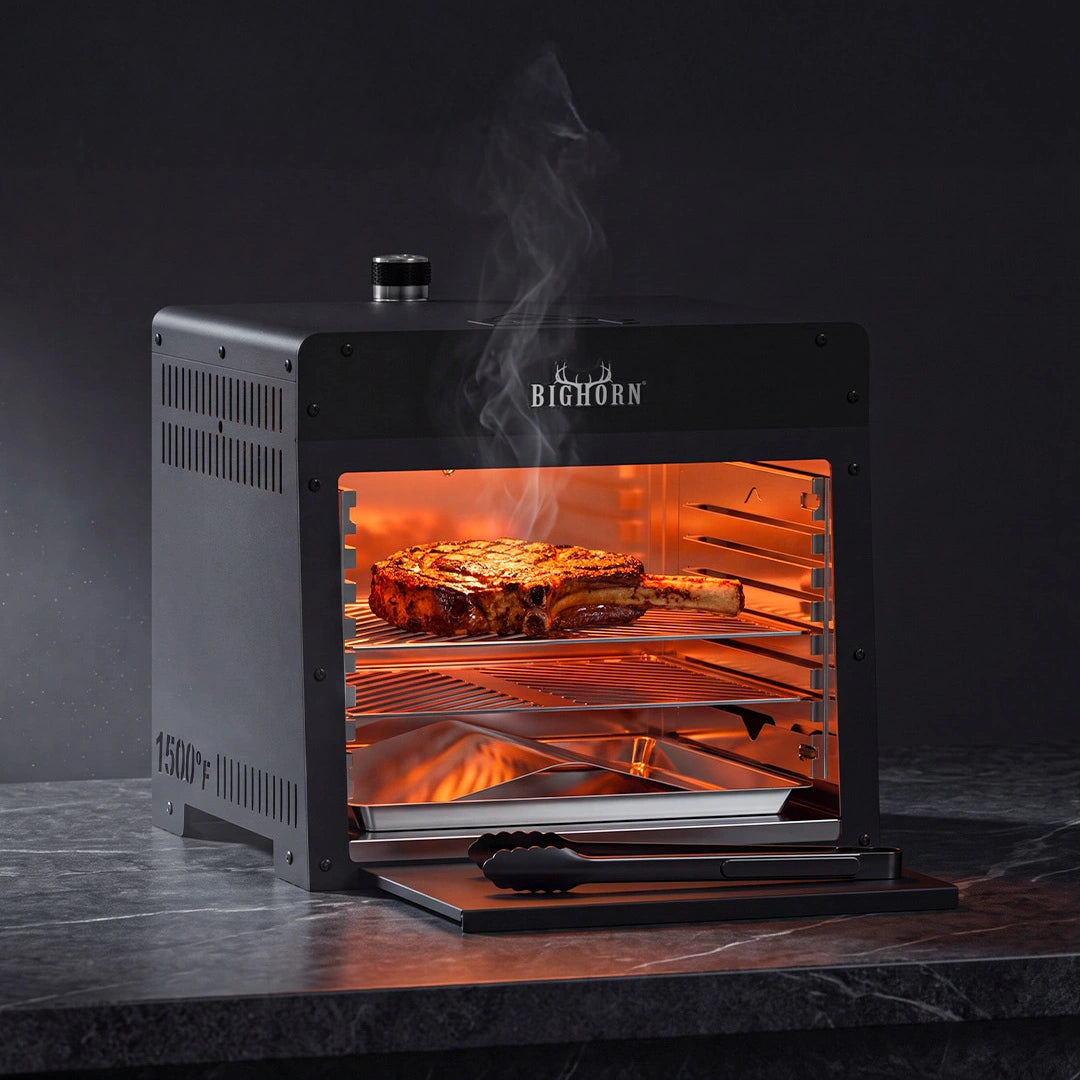
With oven-safe cookware, a gas pizza oven can also roast vegetables,
sear meat, cook seafood and bake bread. A cast-iron pan can protect
the stone from grease while making use of the oven’s concentrated
high heat.
Cleaning and Propane Safety
Turn off the burner and close the propane supply after cooking.
Allow the oven and stone to cool completely before cleaning. Brush
dry residue from the stone and keep burner openings clear according
to the product manual.
Safety reminder: Gas pizza ovens are outdoor
appliances. Never use one inside a house, garage, tent or enclosed
patio, and do not store or connect propane near excessive heat or
an ignition source.
Gas Pizza Oven Guides, Tools and Accessories
Compare Pizza Oven Fuel Types
Compare gas, pellet, electric and hybrid ovens by flavor,
convenience, maintenance and cooking location.
Read the Fuel Guide
Pizza Oven Buying Guide
Consider capacity, heat control, portability and your available
outdoor space before choosing an oven.
Read the Buying Guide
Pizza Dough Calculator
Calculate ingredient weights for different pizza sizes,
hydration levels and fermentation schedules.
Use the Pizza Calculator
Pizza Oven Accessories
Explore pizza peels, stones, covers, heat-resistant tools and
other equipment for outdoor pizza cooking.
Explore Accessories
Repeatable Heat Creates Repeatable Pizza
Preheat the stone thoroughly, use the flame control deliberately,
turn the pizza when required and allow the stone to recover
between bakes. Propane makes the process convenient, while careful
heat management makes it consistent.