How Electric Heating, Preset Modes and Stone Temperature Work Together
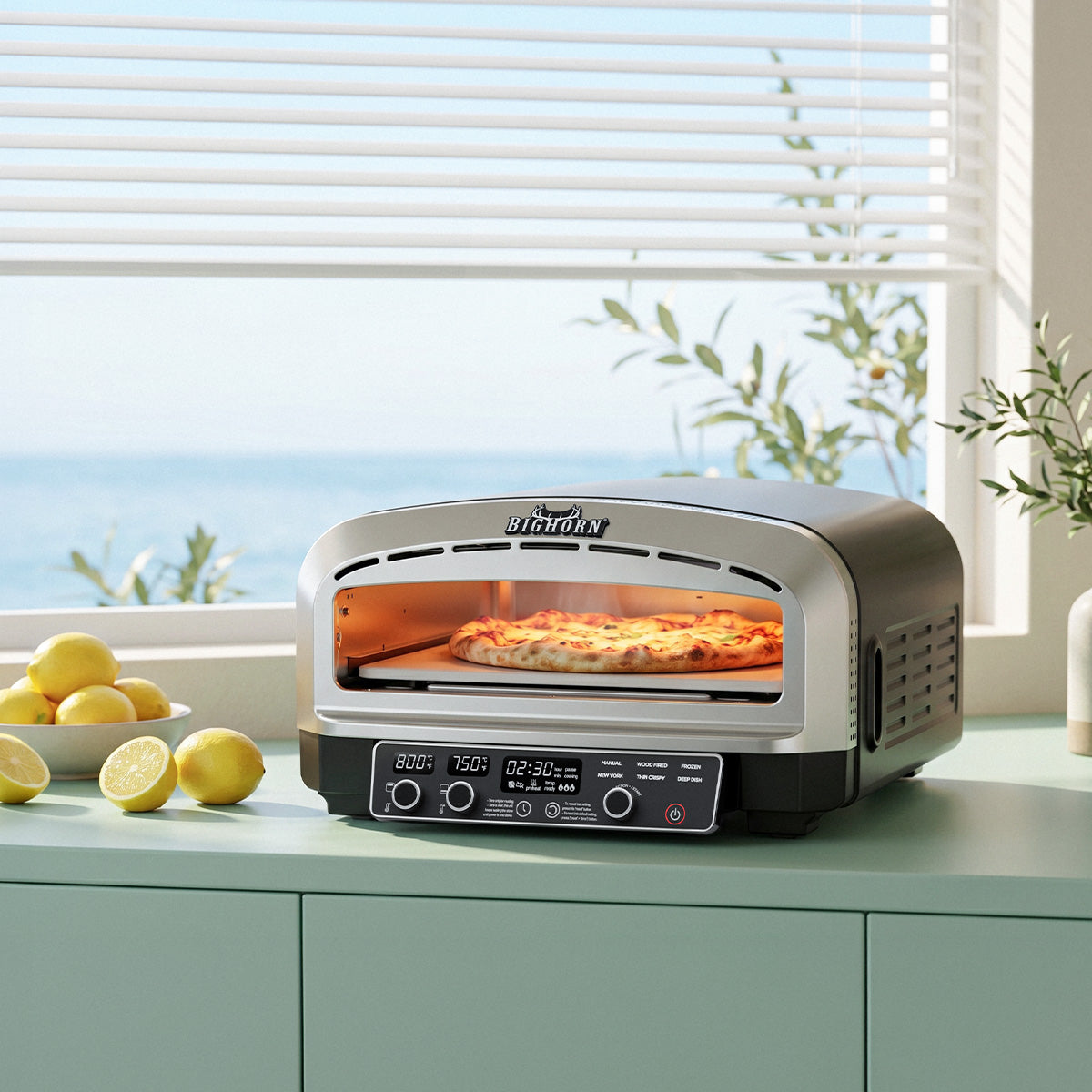
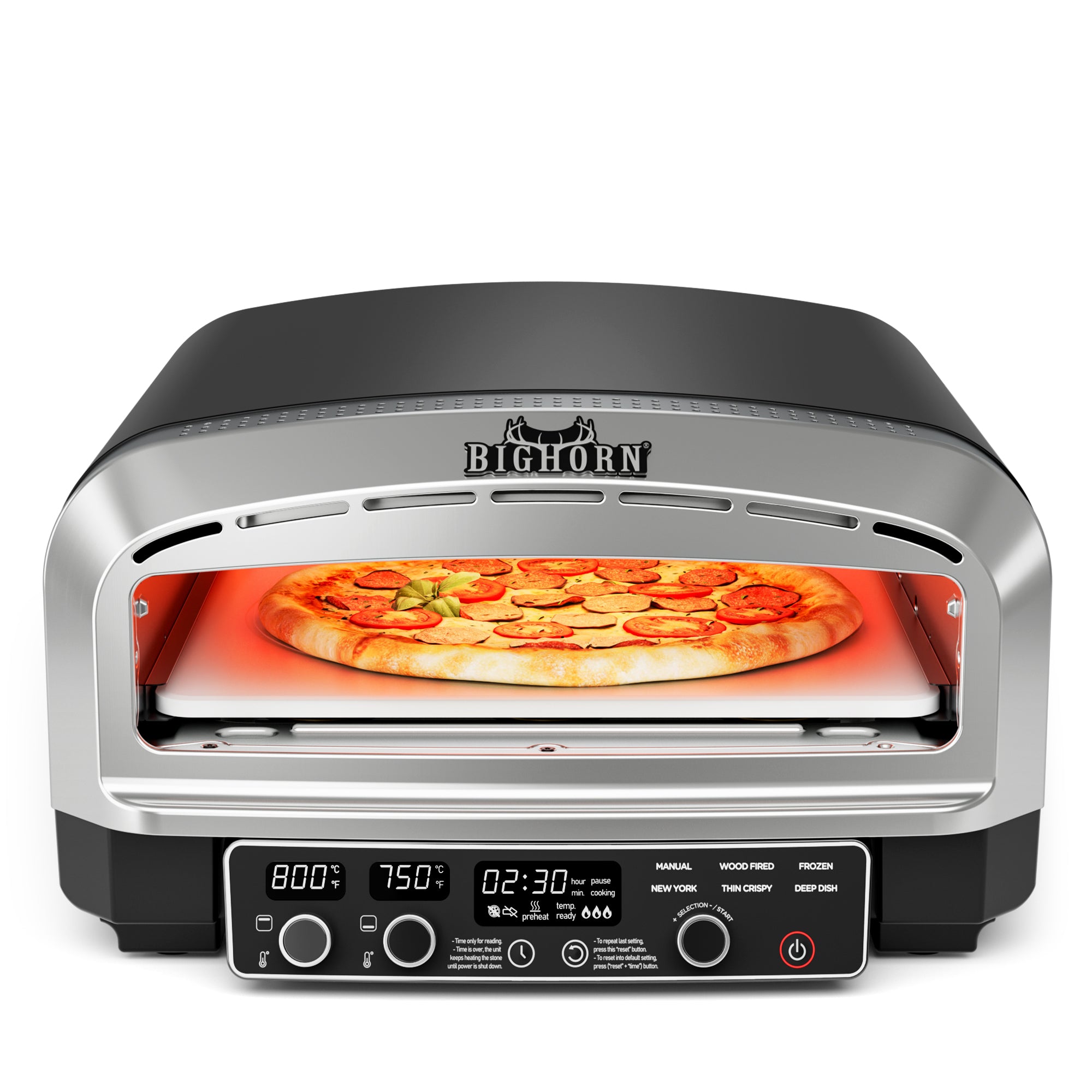
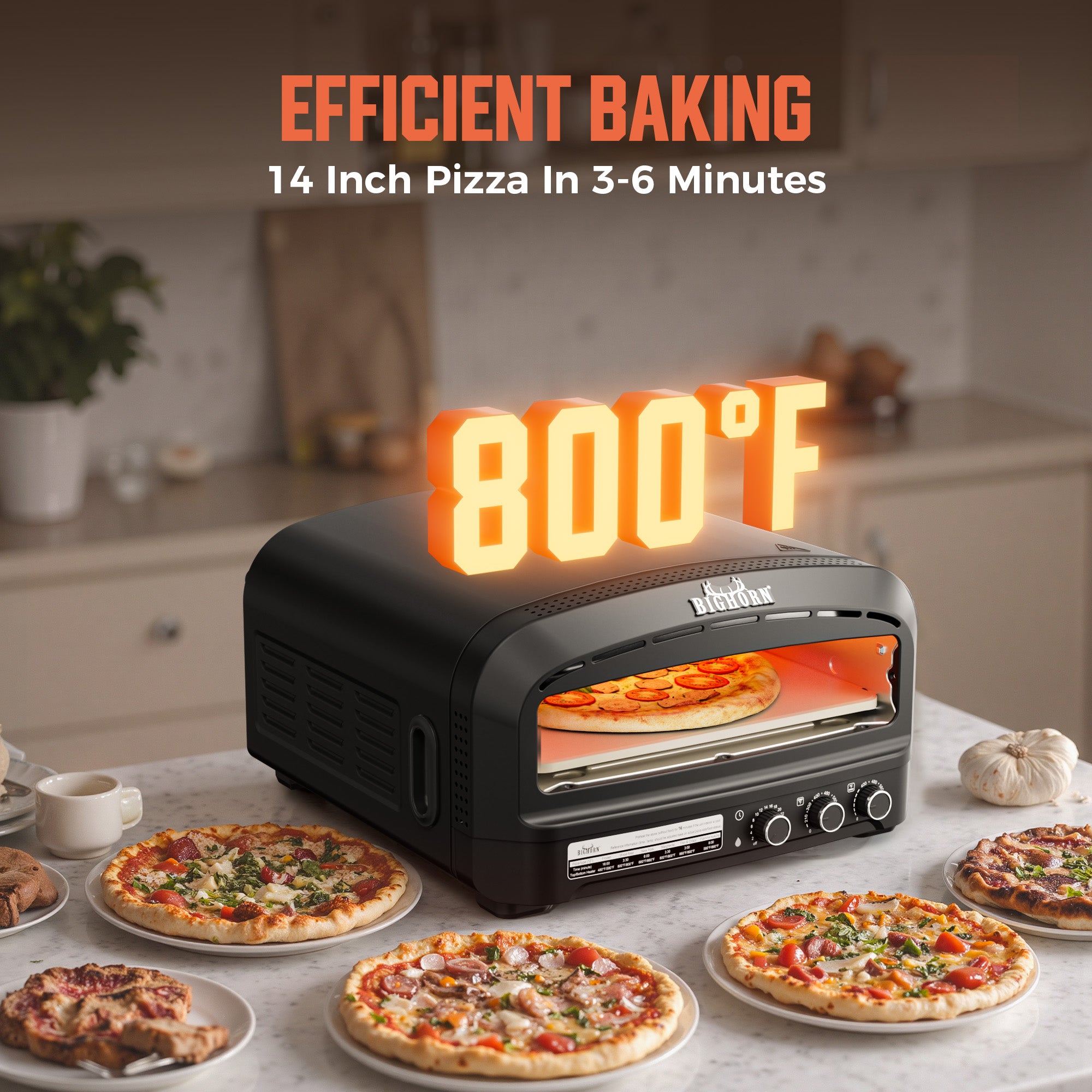
A countertop pizza oven uses focused electric heat in a smaller
chamber than a conventional kitchen oven. Upper and lower elements
perform different jobs: the lower system replenishes energy in the
stone for crust development, while the upper system browns the rim,
cheese and toppings.
Why Separate Upper and Lower Heat Matters
Pizza styles do not all need the same heat balance. A thin pizza may
need strong top heat and a short bake, while a thicker base needs
more time for heat to move through the dough. Coordinating the two
elements helps prevent a dark top with a pale base—or a scorched
underside with unfinished toppings.
When using manual settings, change one variable at a time and record
the result. Small adjustments to upper heat, lower heat or bake time
are easier to evaluate than changing every setting at once.
Preset Modes Versus Manual Settings
Preset modes provide a repeatable starting point for common styles.
They are especially useful when learning how a new oven behaves.
Manual control is better when dough hydration, crust thickness,
toppings or preferred browning differ from the preset assumptions.
Practical approach: Begin with the closest preset,
observe the base and top separately, then use manual control to
correct only the part that needs more or less heat on the next
bake.
Preheat the Stone, Not Only the Air
The display can reach the selected temperature before the stone has
stored enough energy for a crisp crust. Give the oven the full
preheat recommended for the chosen mode or recipe. For consecutive
pizzas, allow recovery time so the stone can replace the heat
transferred into the previous dough.
- Place the stone correctly before preheating.
- Prepare toppings while the oven reaches the target setting.
- Build the pizza shortly before launch to reduce sticking.
- Use moderate toppings so excess moisture does not slow the bake.
- Check both the underside and top before changing a setting.
- Let the stone recover before starting the next pizza.
Match Dough and Toppings to Indoor High Heat
Fast countertop baking rewards a dough that stretches evenly and
toppings that can finish in the same time as the crust. Very wet
cheese, heavy sauce or thick raw ingredients can release more
moisture than a short bake can remove.
- Drain high-moisture cheese and vegetables before topping.
- Keep the center lighter than the outer topping area.
- Confirm the dough moves freely on the peel before launch.
- Pre-cook ingredients that cannot finish during a short bake.
- Adjust time before making large temperature changes.
Plan the Countertop and Electrical Setup
A compact oven still produces significant heat. Use a stable,
heat-resistant counter, maintain the clearances in the manual and
keep vents unobstructed. The power cord should reach an appropriate
grounded outlet without crossing a hot surface or creating a trip
hazard.
A flip-up design may reduce storage depth after the appliance is
cool, but storage dimensions and operating clearances are not the
same. Measure the location in both positions before purchase.
Clean the Oven Without Damaging the Stone
Disconnect the oven and let every component cool completely. Remove
loose crumbs and dry residue, then follow the manual for cleaning
removable parts. Pizza stones are vulnerable to thermal shock and
may absorb water or detergent, so do not soak or soap the stone
unless its care instructions specifically allow it.
Care reminder: Natural discoloration on a pizza
stone is expected. Focus on removing loose food residue rather
than trying to restore the stone to its original color.
Electric Pizza Oven Guides, Tools and Accessories
Countertop Pizza Oven Guide
Learn how compact high-heat ovens, pizza stones and countertop
workflows help create a crisp crust at home.
Read the Countertop Guide
Pizza Dough Calculator
Plan ingredient weights, dough-ball size, hydration and
fermentation for the pizza size you want to make.
Use the Pizza Calculator
Pizza-Making Accessories
Explore peels, tools and other equipment that support launching,
turning, serving and maintaining a countertop pizza setup.
Explore Accessories
Build a Repeatable Indoor Pizza Routine
Start with the closest preset or a proven manual setting, preheat
the stone fully and evaluate the crust base separately from the
toppings. Consistent dough portions and one adjustment per bake
turn countertop pizza making into a repeatable process.