How Fuel Switching Changes Heat, Flavor and Oven Maintenance
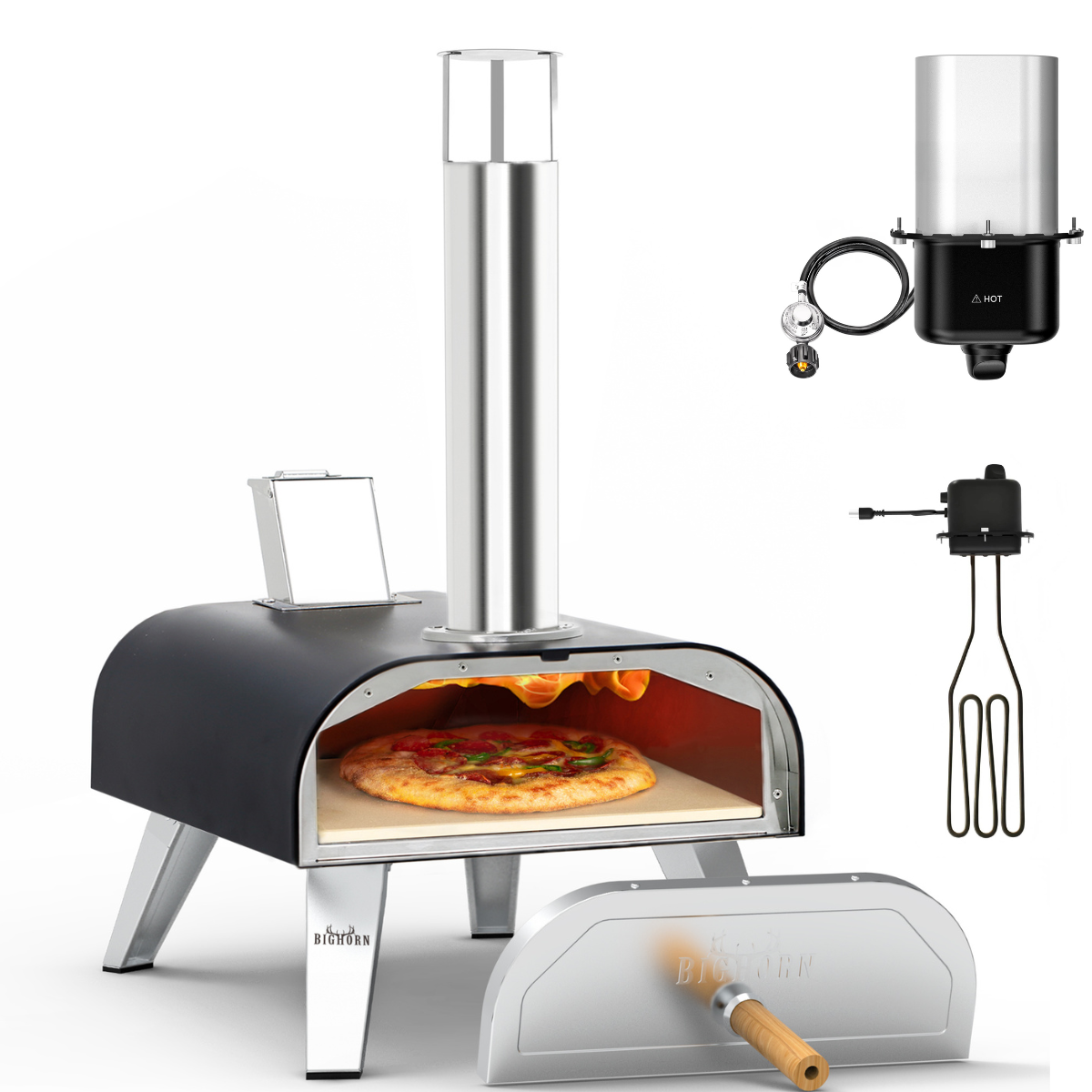
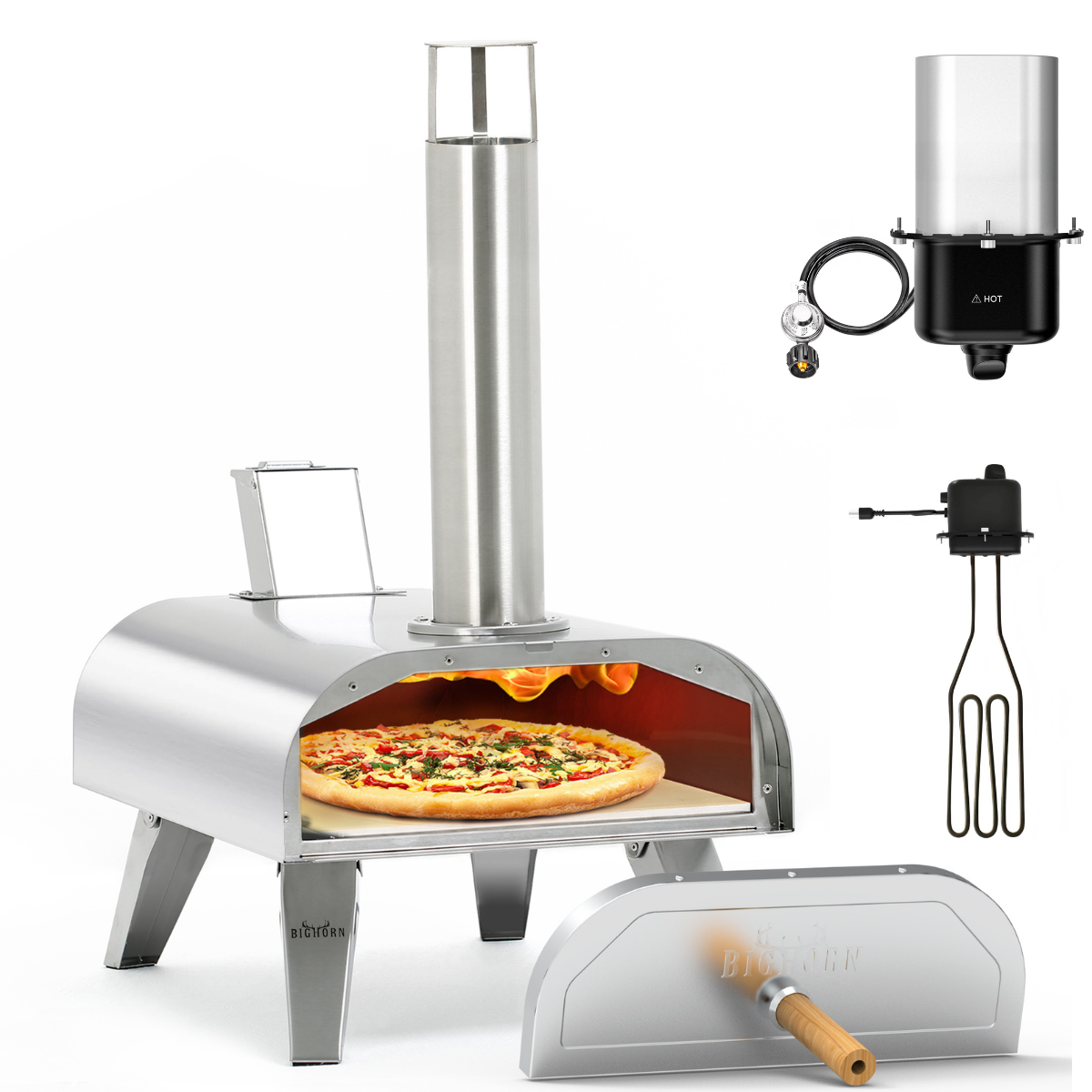
A hybrid pizza oven is not simply several fuel labels on one
product. Each approved heat source changes how the chamber warms,
where the hottest zone develops, how quickly the stone recovers and
what must be cleaned after cooking. Learning these differences is
the key to using multi-fuel flexibility well.
Pellet Mode: Active Fire and Wood-Fired Character
Food-grade hardwood pellets create a live flame and a subtle smoky
profile. They require dry fuel, reliable airflow and periodic
feeding. The cook should watch the flame as well as the thermometer
because a declining fire can reduce top heat before the stone loses
all of its stored energy.
- Store cooking pellets in a dry, sealed container.
- Build a stable flame before launching the first pizza.
- Add small amounts of fuel before the fire falls too far.
- Remove cold ash only after the oven has completely cooled.
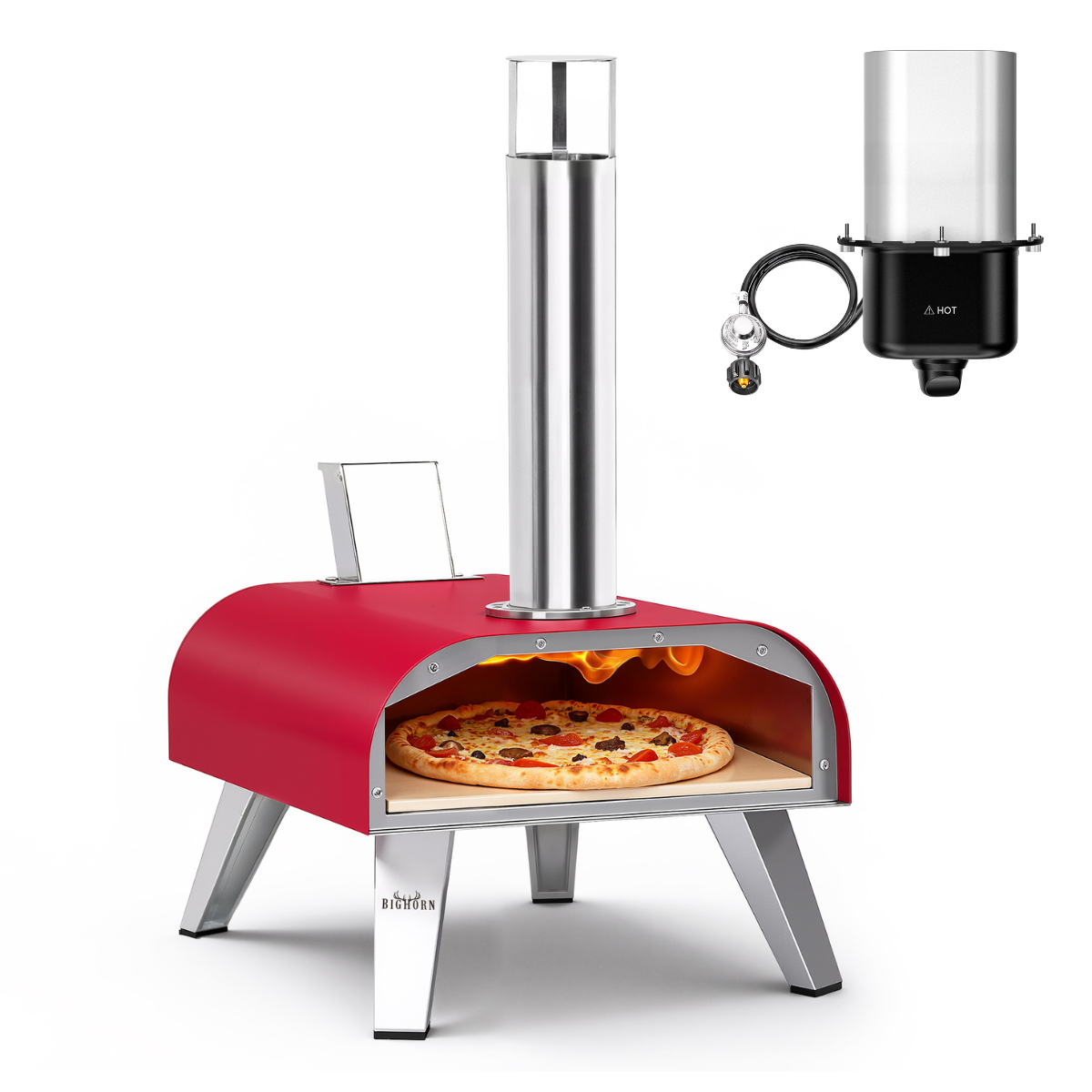
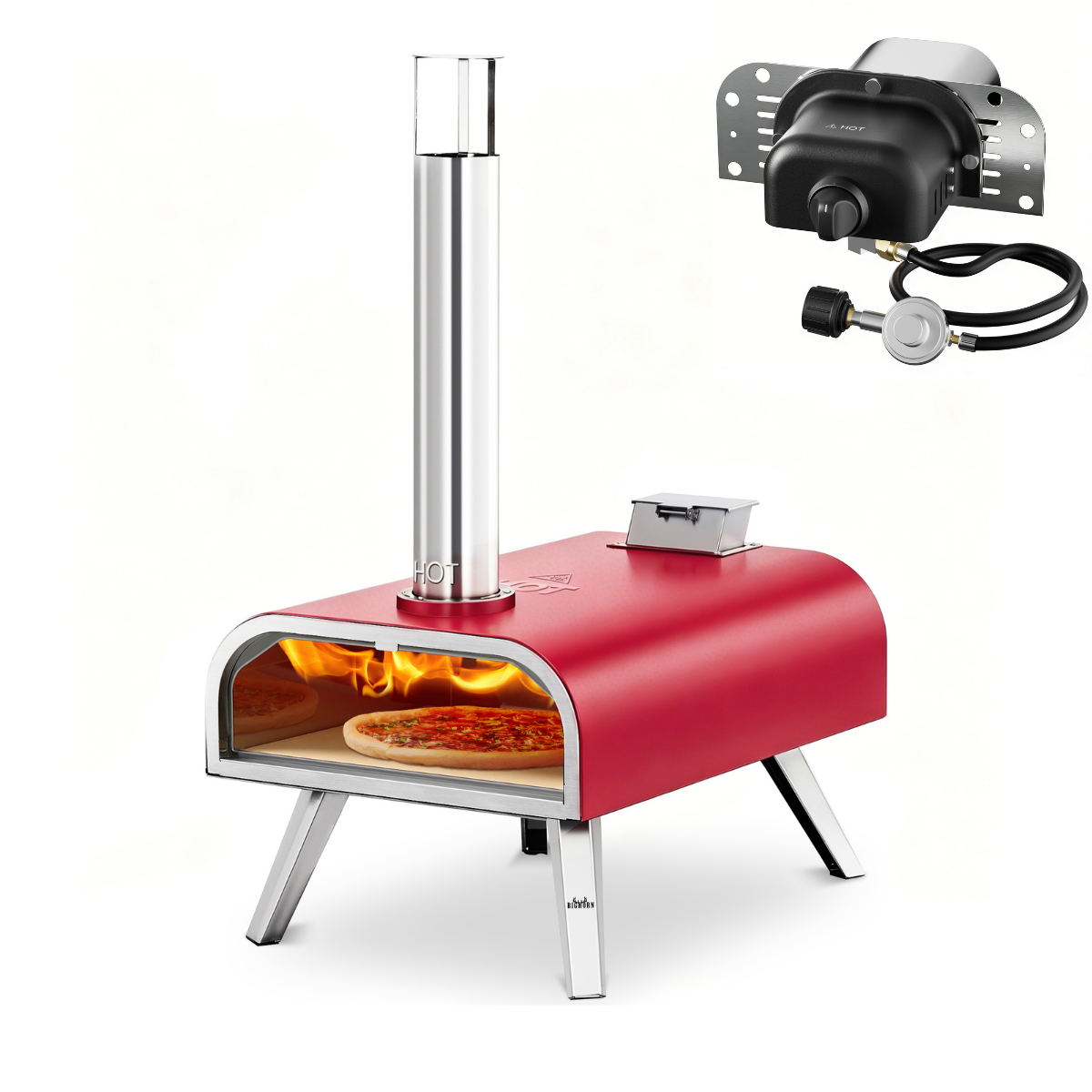
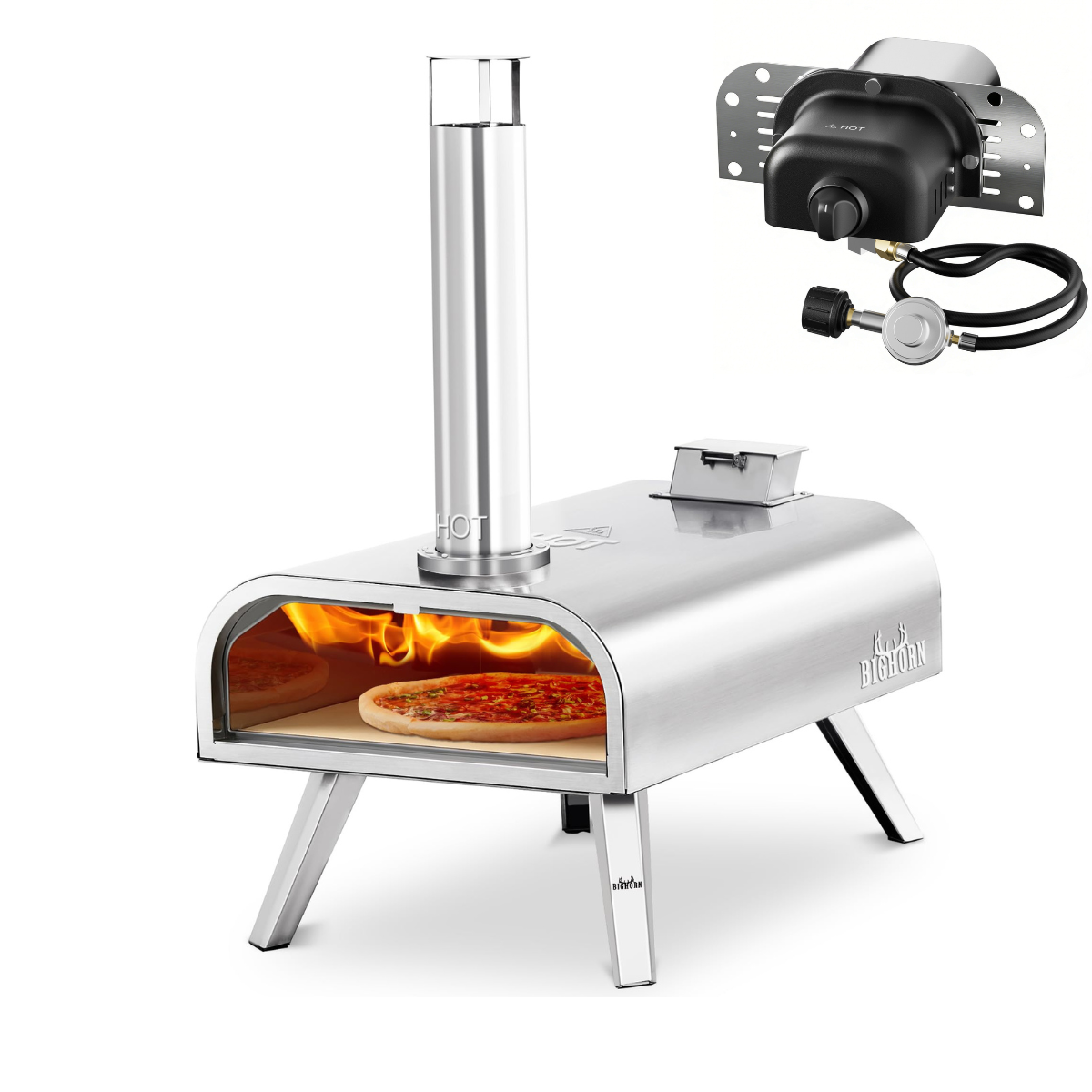
Gas Mode: Adjustable Outdoor Heat
A compatible propane burner removes pellet feeding and provides a
control dial for changing flame output. Gas is useful for shorter
outdoor sessions and repeat batches, but the stone still needs time
to absorb energy even when the chamber temperature rises quickly.
Compatibility matters: Use only the burner,
regulator and hose approved for the exact oven size and model.
Never improvise an adapter or connect a propane-configured burner
to another fuel supply.
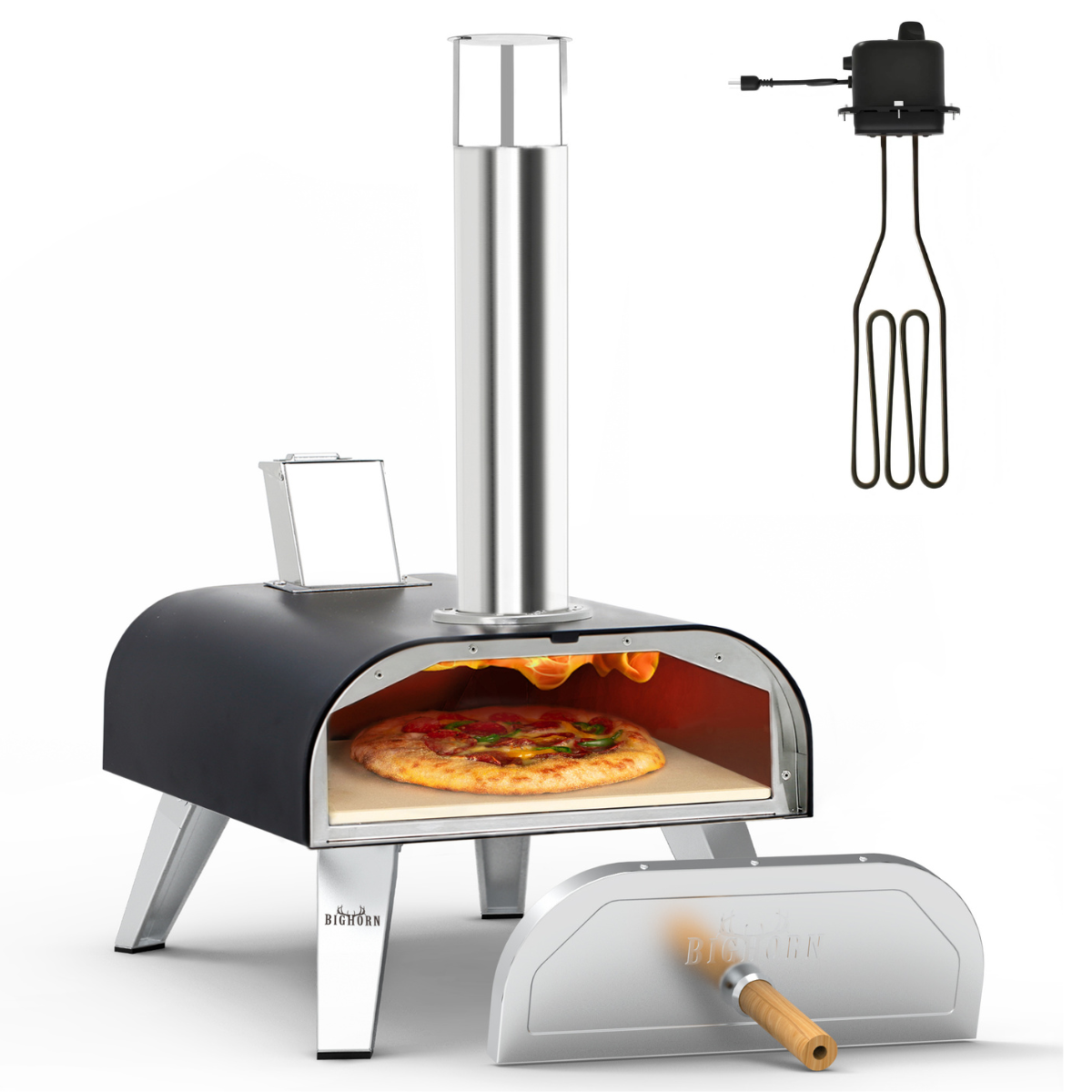
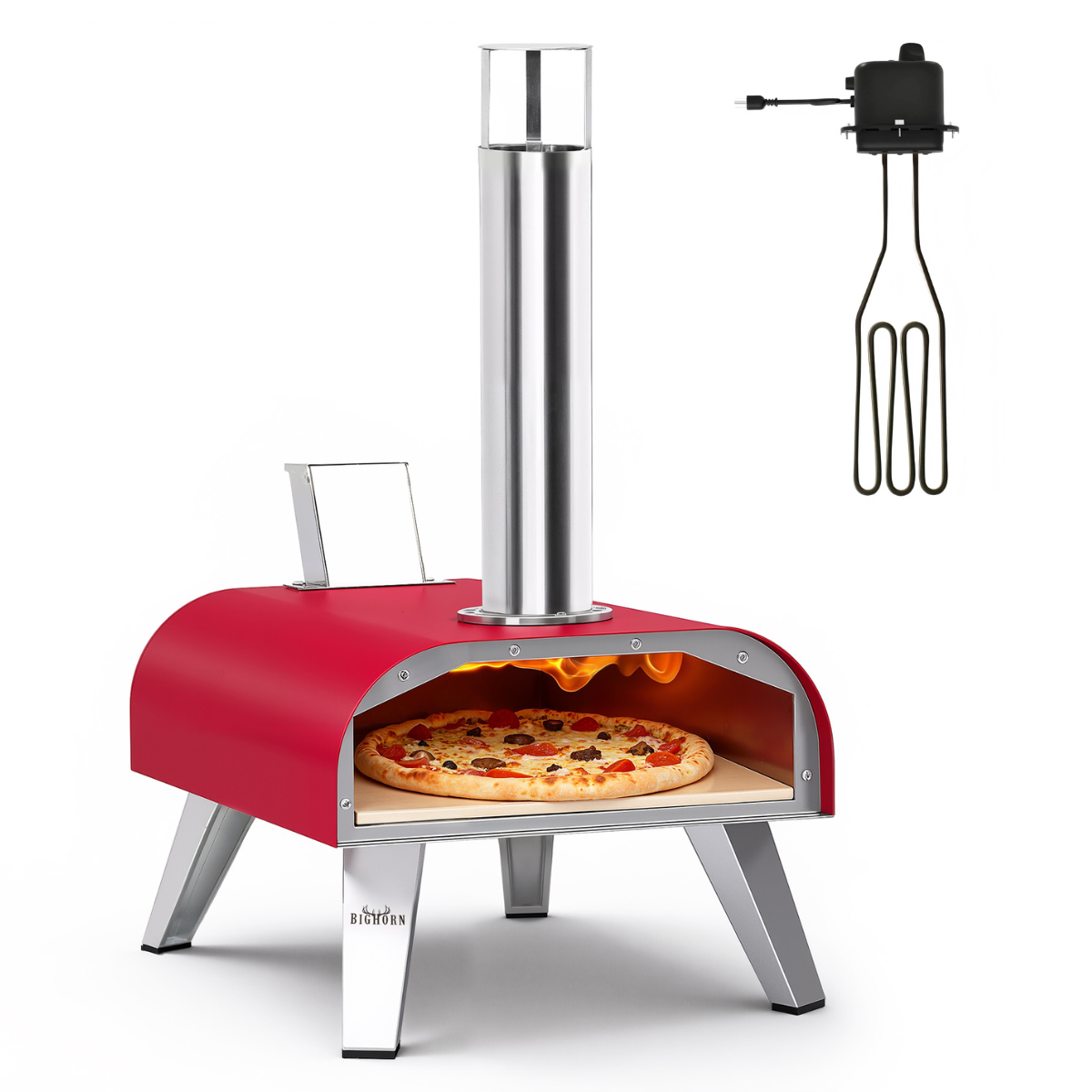
Electric Mode: Predictable Heat Without Combustion
A compatible electric element removes flame and solid-fuel ash from
the cooking process. Depending on the model, the controls may offer
stepped heat levels rather than the presets and PID control found on
a dedicated indoor countertop oven. That distinction keeps the
multi-fuel system flexible without making it identical to the
Electric Pizza Oven collection.
Electric compatibility alone is not proof of indoor approval.
Follow the placement, outlet, ventilation and operating-location
instructions for the exact multi-fuel model and installed element.
Use a Safe Fuel-Change Routine
- Finish the cooking session and switch off the active heat source.
- Disconnect propane or electrical power as instructed.
- Let the oven, stone and conversion component cool completely.
- Remove ash or loose residue from the previous mode.
- Install the approved component and confirm that it is secure.
- Complete the fuel-specific leak, airflow or electrical checks.
- Run the new mode separately and monitor the first preheat.
Recalibrate the Bake After Changing Fuel
Do not assume that the same dial position or elapsed time will
produce the same stone temperature in every mode. Pellet flames,
gas burners and electric elements distribute energy differently.
Treat the first bake after a change as a calibration session.
- Preheat with the stone installed in its correct position.
- Measure or verify readiness using the method in the manual.
- Watch the crust edge nearest the strongest heat source.
- Rotate the pizza when the oven design and recipe require it.
- Record fuel mode, warm-up time and the result for the next bake.
Match the Fuel to the Occasion
Pellet mode makes sense when the cooking process and wood-fired
character are part of the experience. Gas mode supports fast,
controllable outdoor service. An approved electric mode can reduce
fuel handling and ash, subject to the location rules for the exact
appliance. The advantage is choosing by occasion rather than
forcing one fuel to handle every situation.
Store Each Conversion Component Correctly
Let parts cool before removal. Keep electrical contacts dry, protect
gas fittings from dirt and damage, and empty pellet ash only when it
is cold. Store accessories together with their model information so
a burner or element is not accidentally installed on an incompatible
oven.
Multi-Fuel Guides and Compatible Equipment
Triple-Fuel Oven Guide
Explore how pellet, gas and electric compatibility can support
different cooking schedules in one portable oven platform.
Read the Multi-Fuel Guide
Compatible Propane Burner
Review the available 12-inch and 16-inch burner sizes before
matching a gas conversion component to your oven.
View the Gas Burner
Fuel, Speed and Portability Guide
Compare how fuel choice affects flavor, convenience, cleanup and
portability before committing to a cooking mode.
Compare Fuel Priorities
Flexibility Works Best With a Consistent Process
Select one approved fuel mode, install the correct component and
recalibrate the stone before baking. A repeatable changeover
routine makes a multi-fuel oven safer, easier to maintain and more
useful across different cooking occasions.