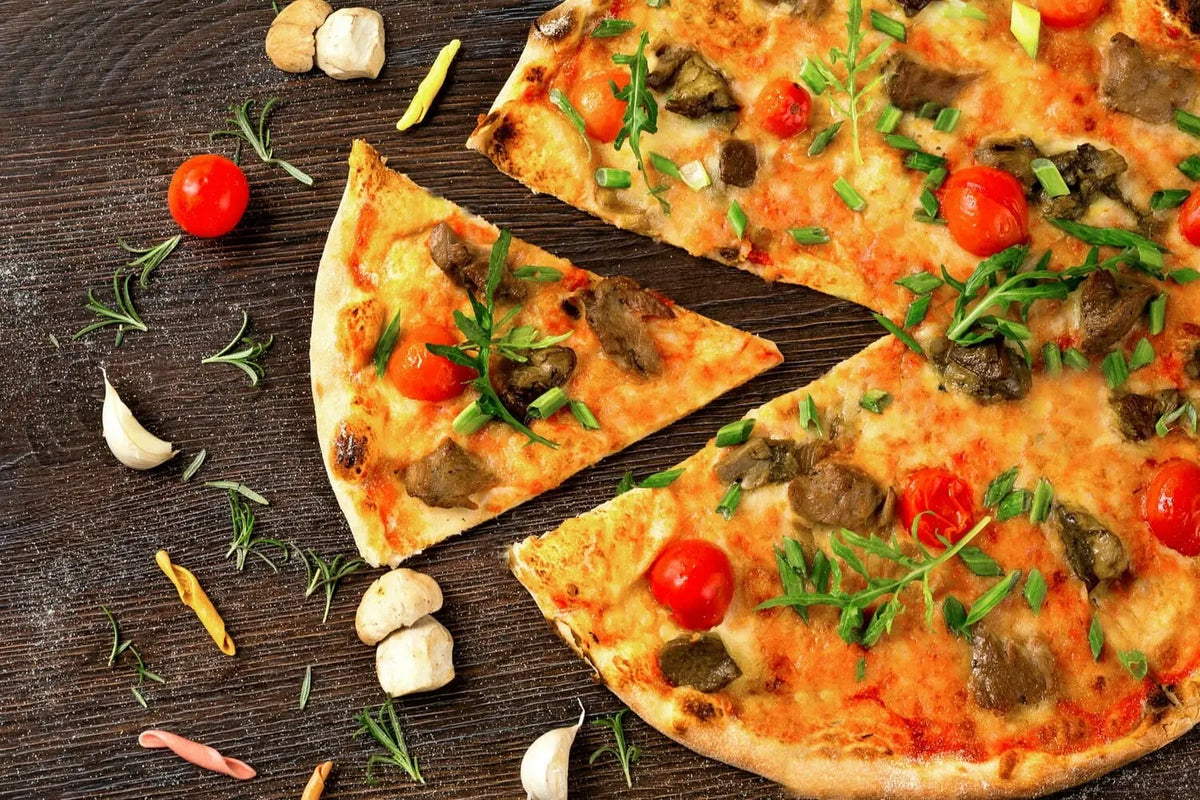
How Pellets, Flame and Stone Heat Create Better Pizza
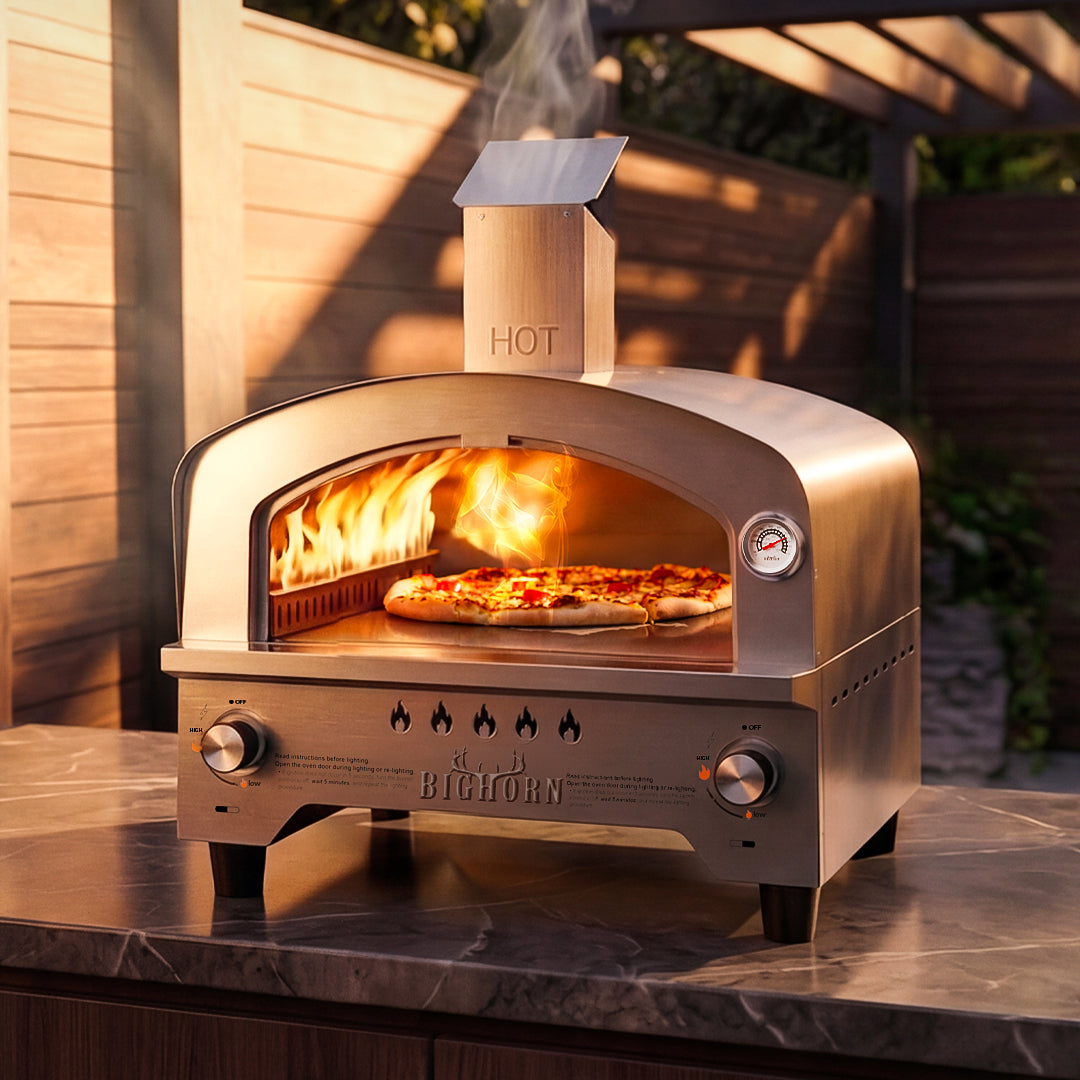
A wood pellet pizza oven combines direct flame, circulating chamber
heat and stored energy in the pizza stone. Consistent results depend
on managing all three. A large flame alone does not guarantee a
properly baked pizza if the stone has not absorbed enough heat.
Why Food-Grade Hardwood Pellets Matter
Cooking pellets should burn cleanly, produce reliable heat and be
safe for contact with food smoke. Dry food-grade hardwood pellets
are designed for this purpose. Moist pellets can swell, crumble and
produce an unstable fire, while heating pellets may contain
materials that are not intended for cooking.
- Store pellets in a sealed container away from moisture.
- Use only food-grade hardwood pellets intended for cooking.
- Remove loose pellet dust before filling the firebox or hopper.
- Do not mix accelerants or lighter fluid into the pellet fuel.
Building and Maintaining a Consistent Flame
Begin with the lighting procedure specified for the oven. Allow the
initial pellet charge to establish a stable flame before gradually
adding more fuel. Overfilling a small firebox can restrict airflow,
while letting the fire fall too low can reduce both chamber and
stone temperature.
Fire-management tip: Make small, regular fuel
adjustments instead of waiting for the flame to collapse and then
adding a large amount of cold pellets.
Preheating the Pizza Stone
The chamber can feel extremely hot before the pizza stone is ready.
The stone requires time to absorb energy throughout its surface.
Launching too early often creates cooked toppings and a pale or soft
base.
An infrared thermometer can help you evaluate the cooking surface
directly. Use the temperature range recommended for your oven,
dough and pizza style rather than chasing the maximum possible
reading.
Launching and Turning Pizza
- Prepare toppings before stretching the dough.
- Use a light coating of suitable flour or semolina on the peel.
- Build the pizza shortly before launching to reduce sticking.
- Confirm that the uncooked pizza slides freely on the peel.
- Turn the pizza as the side facing the flame begins to brown.
- Let the stone recover before launching the next pizza.
Frequent turning is especially important in a compact live-fire
oven because the rear flame zone can brown the crust faster than the
area near the opening.
Dough Hydration and High-Temperature Baking
Dough hydration influences handling, expansion and browning. Higher
hydration can create a lighter rim but may be harder to shape and
launch. A moderate, carefully measured formula is often easier for
cooks learning to work with a fast, high-temperature pellet oven.
Weighing flour, water, yeast and salt helps make each batch more
repeatable. Fermentation time and dough temperature also affect how
easily the pizza stretches and how quickly the crust colors.
Cooking More Than Pizza
A pellet pizza oven can also roast vegetables, sear meat, cook fish
and bake bread when used with appropriate cookware. A cast-iron pan
or other oven-safe vessel can protect the stone from grease and
expand the range of foods you can prepare.
Cleaning and Outdoor Safety
Allow the oven, stone and ash to cool completely before cleaning.
Brush dry debris from the stone, empty cold ash from the firebox and
wipe the stainless-steel exterior according to the product manual.
Avoid rapidly cooling a hot stone or soaking it while hot.
Safety reminder: Operate a pellet pizza oven only
outdoors in an open, well-ventilated location. Keep it away from
walls, low roofs and combustible surfaces, and never leave an
active pellet fire unattended.
Pellet Pizza Oven Guides, Tools and Accessories
Compare Pizza Oven Fuel Types
Understand how pellet, gas, electric and hybrid pizza ovens
differ in flavor, heat control and maintenance.
Read the Fuel Guide
Pizza Oven Buying Guide
Review cooking location, size, fuel preference and portability
before selecting an outdoor pizza oven.
Read the Buying Guide
Pizza Dough Calculator
Calculate ingredient weights for different pizza sizes,
hydration levels and fermentation schedules.
Use the Pizza Calculator
Pizza Oven Accessories
Explore peels, stones, covers, cooking tools and compatible
heating accessories for your setup.
Explore Accessories
Consistency Creates Better Wood-Fired Pizza
Keep the pellets dry, build a stable flame, preheat the stone
thoroughly and turn each pizza as it browns. A repeatable process
will produce better results than simply running the oven at its
highest possible temperature.