How to Match Tools, Replacement Parts and Protection to Your Oven
Accessory compatibility depends on more than a general size label.
Oven openings, chamber depth, exterior dimensions, stone thickness,
burner interfaces and storage configuration can differ between
models with the same nominal pizza capacity.
Record the Oven Model Before Shopping
Find the product name, model information and original manual before
ordering replacement or conversion parts. Measure only after the
oven is cool, and compare your measurements with the accessory
specification rather than assuming that every 12-inch or 16-inch
product is interchangeable.
- Record the full model and fuel type.
- Measure the oven opening and chamber depth.
- Measure the original stone in all dimensions.
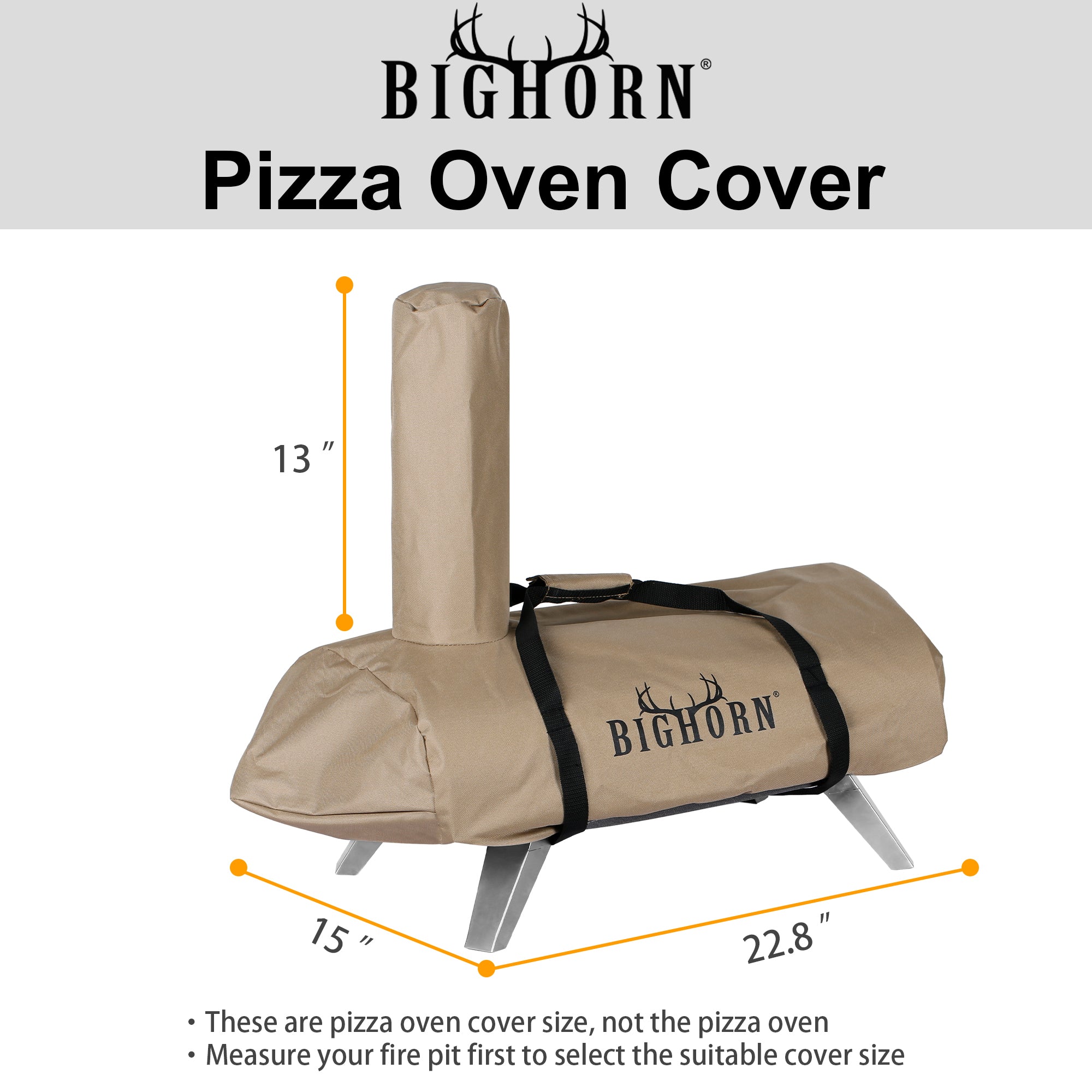
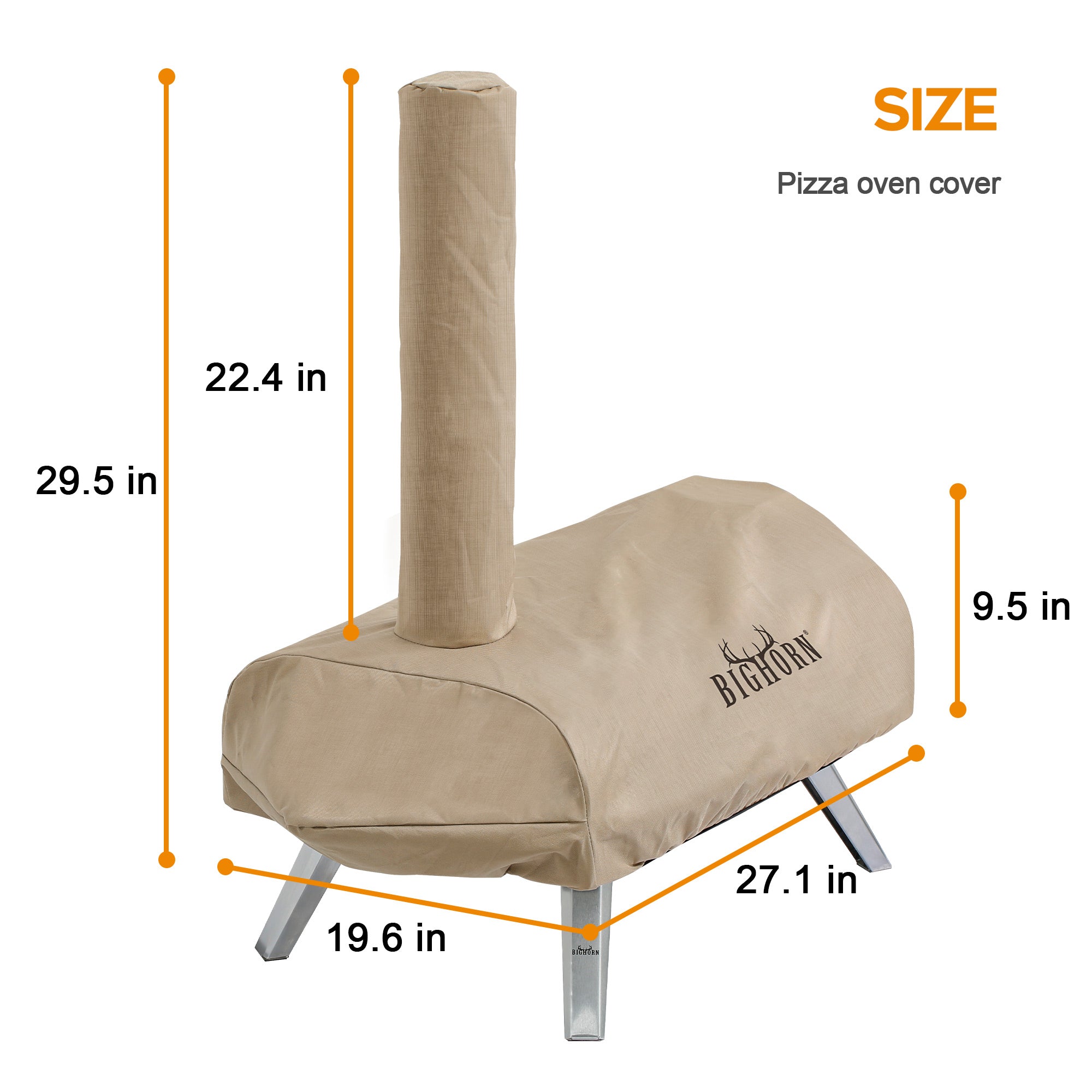
- Note chimney, handle and leg positions for a cover.
- Confirm the approved connection before buying a heater or burner.
Build a Launch, Turn and Retrieve Workflow
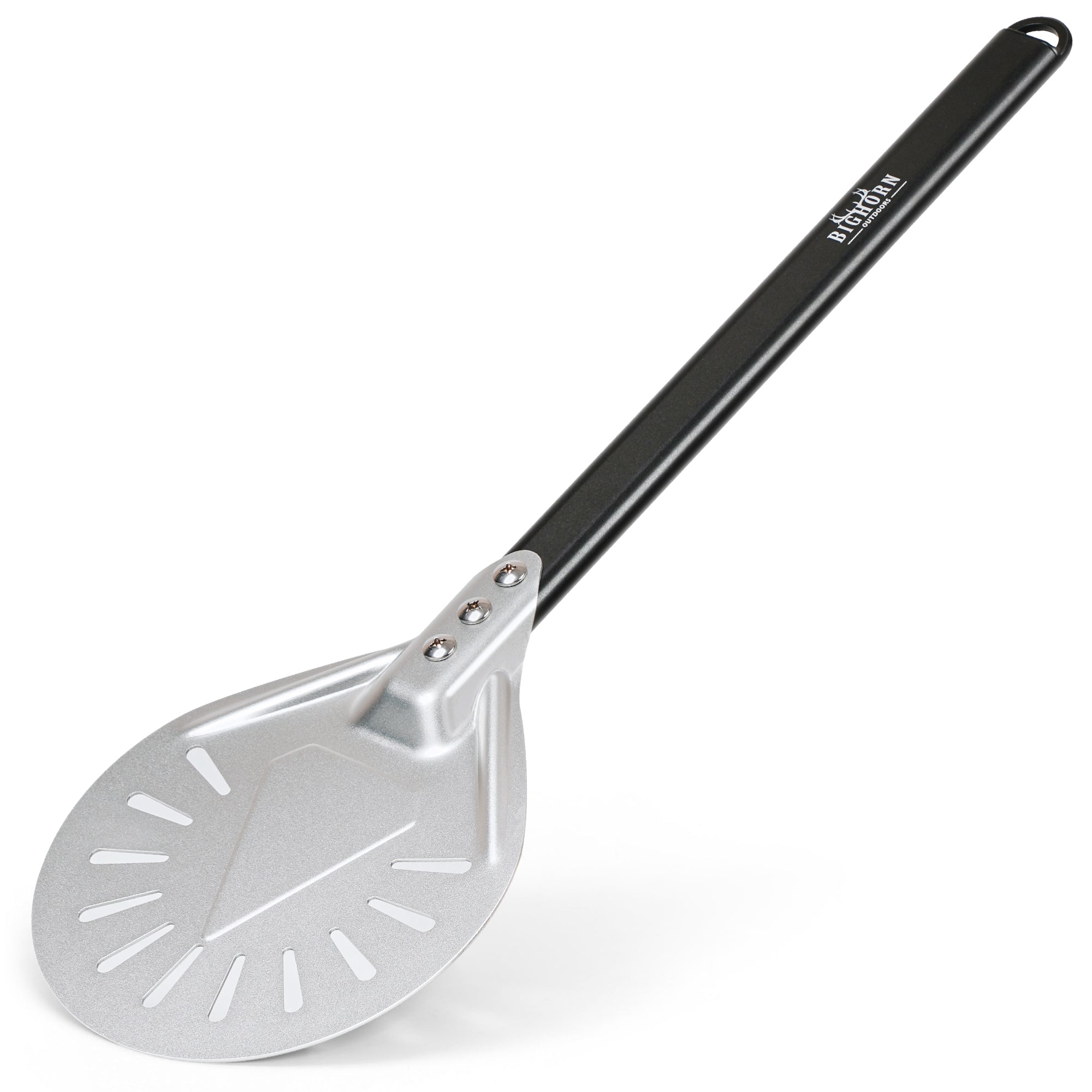
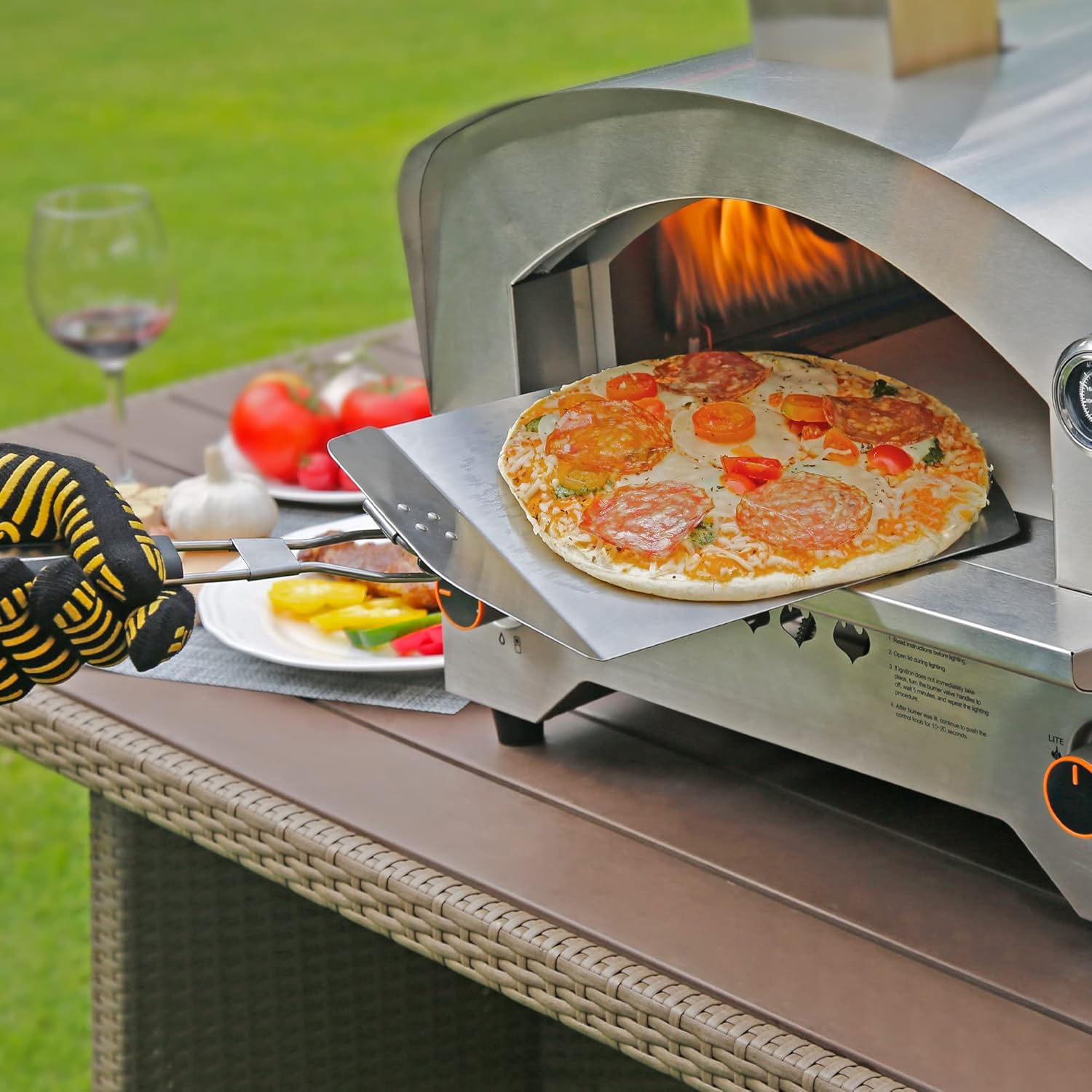
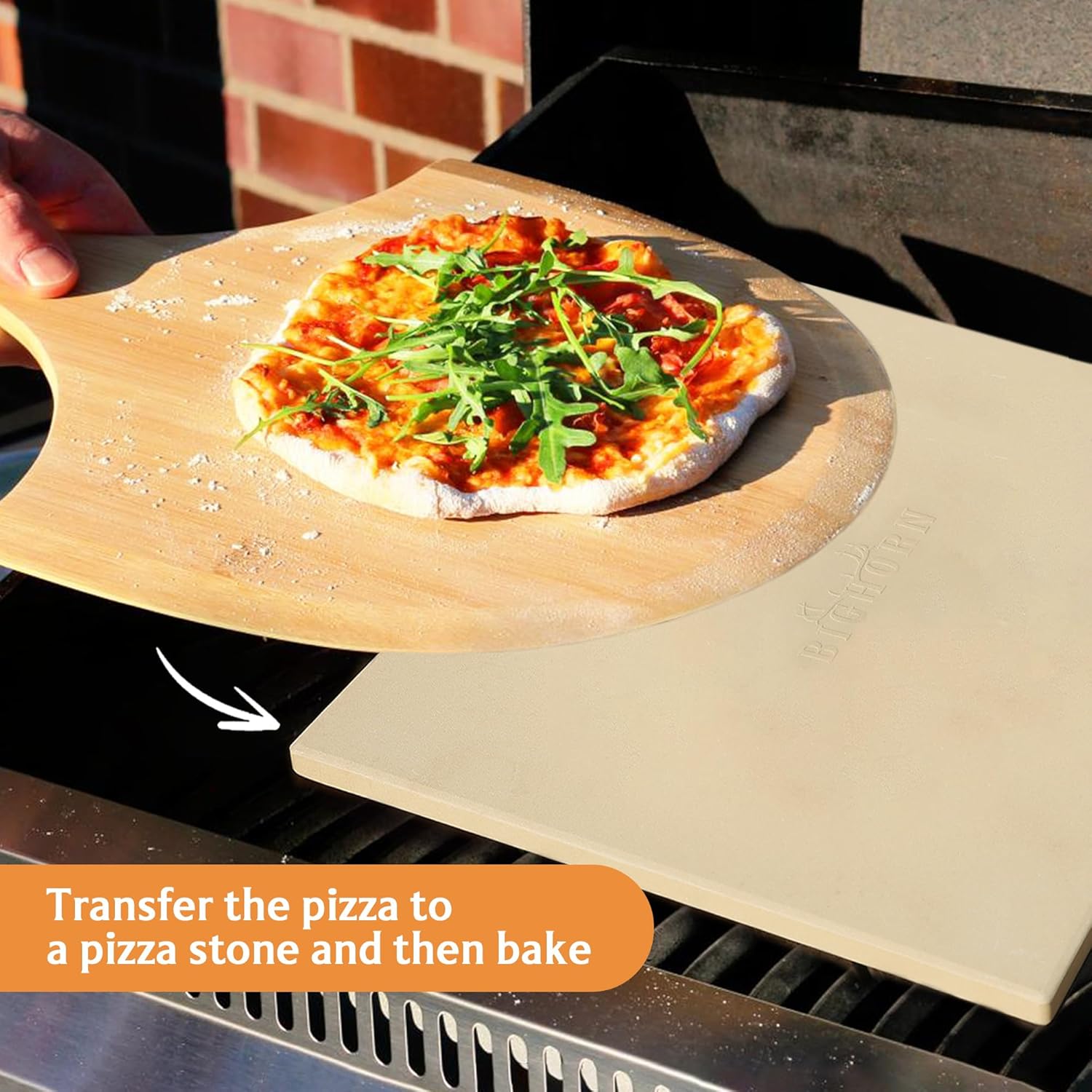
Prepare the pizza close to the oven so it spends less time resting
on the peel. Check that the dough slides freely before launch. Once
inside, use the smaller turning peel only after the base has set
enough to lift without tearing.
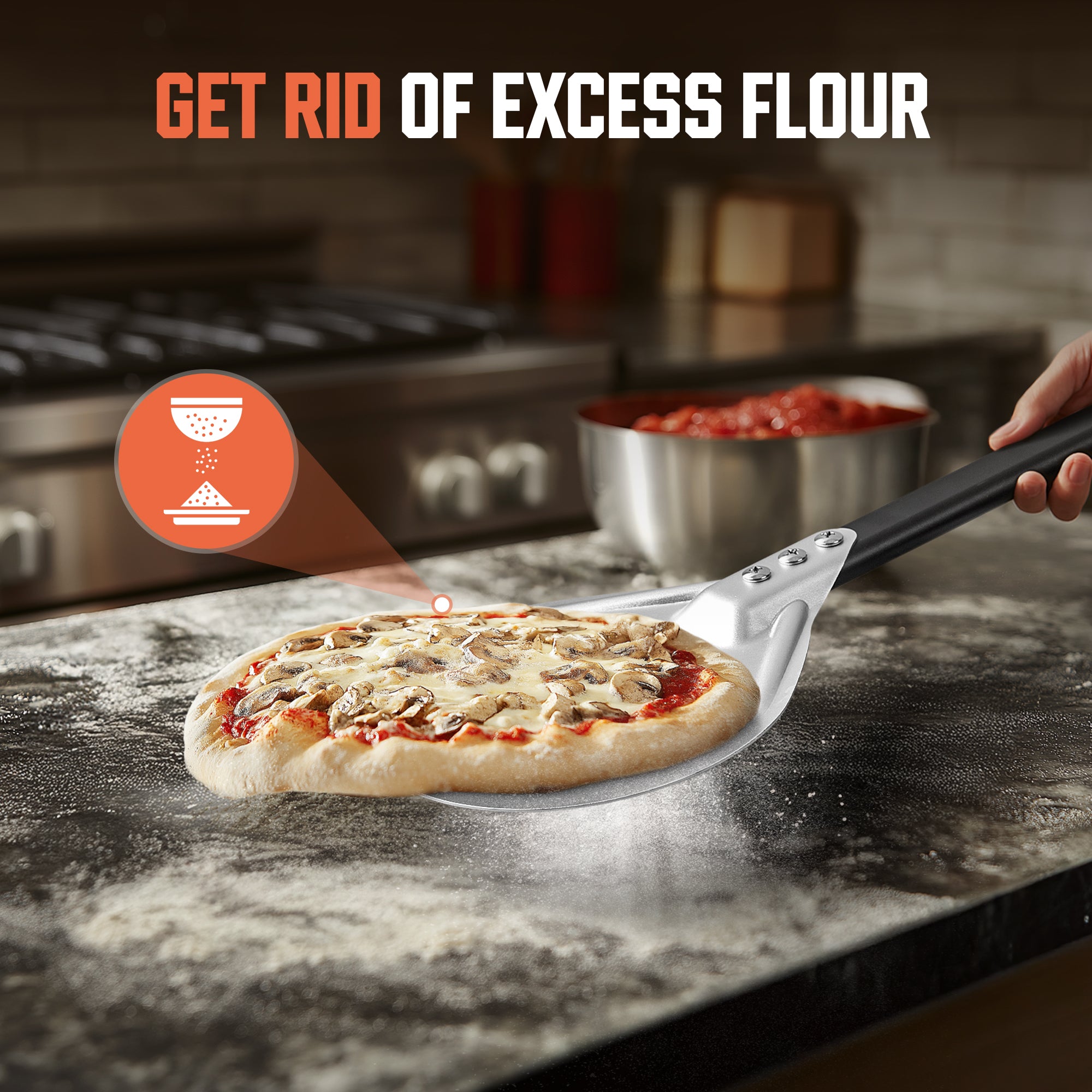
Peel tip: A perforated peel can release excess
flour, but it cannot fix dough that is too wet or left too long
before launch. Work efficiently and use only the flour needed to
keep the pizza moving.
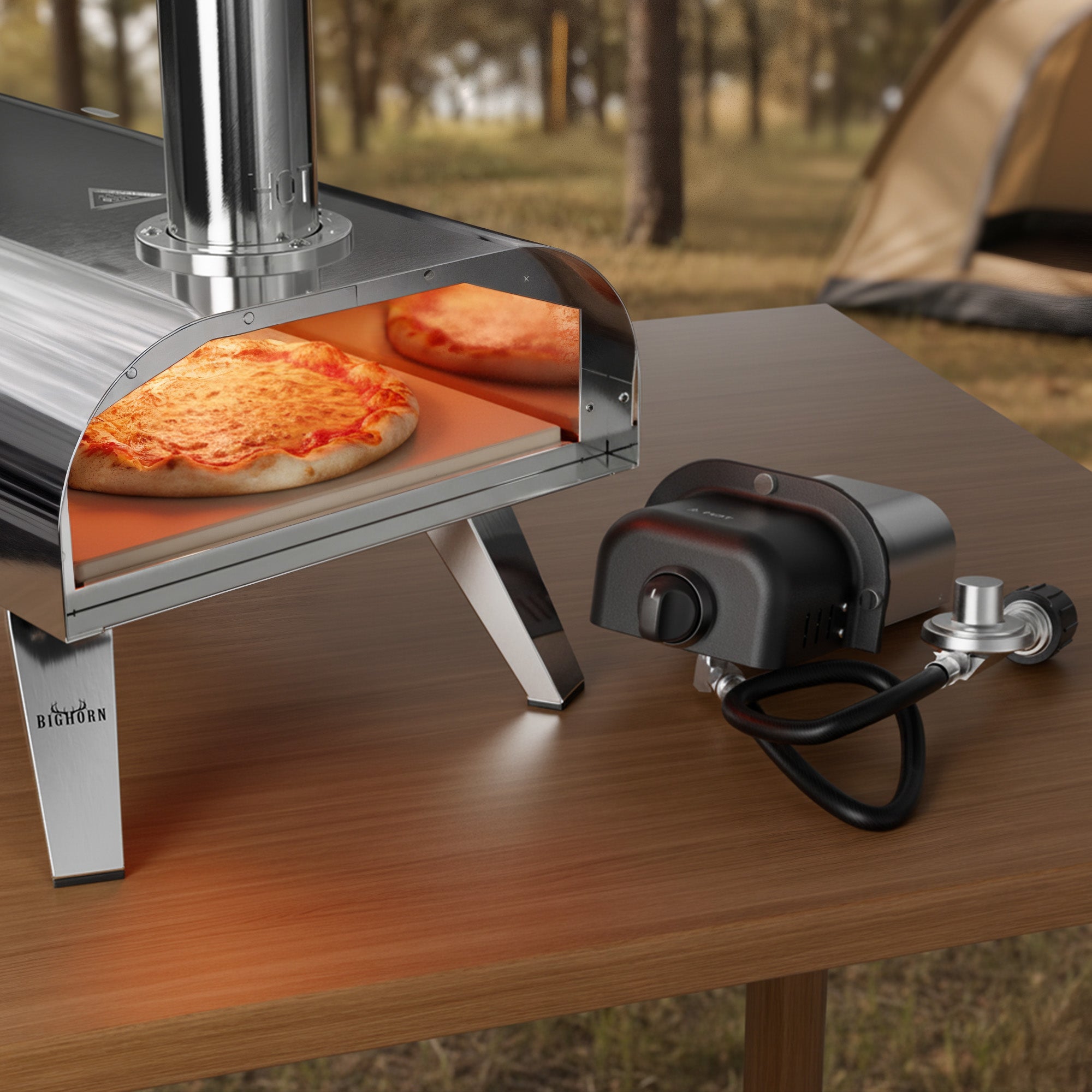
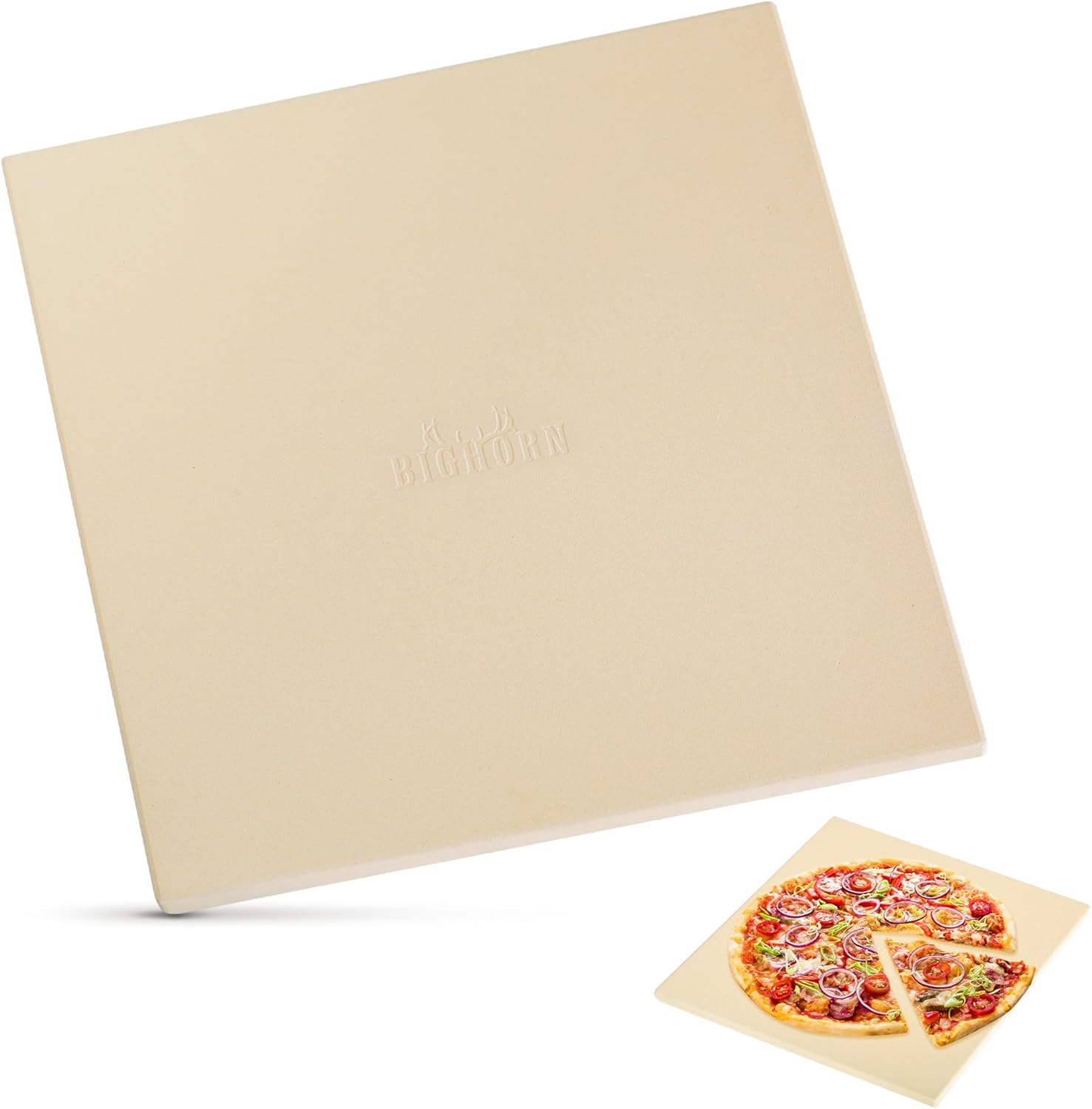
Prevent Thermal Shock in a Pizza Stone
A pizza stone should heat and cool gradually. Sudden temperature
changes can cause cracking. Keep cold water, frozen food and wet
cleaning methods away from a hot stone, and do not move it until the
oven has cooled according to the manual.
- Install the stone in the correct orientation.
- Preheat it together with the oven.
- Avoid striking it with a peel or heavy cookware.
- Let it cool fully before removing dry residue.
- Do not soak or soap it unless its instructions permit it.
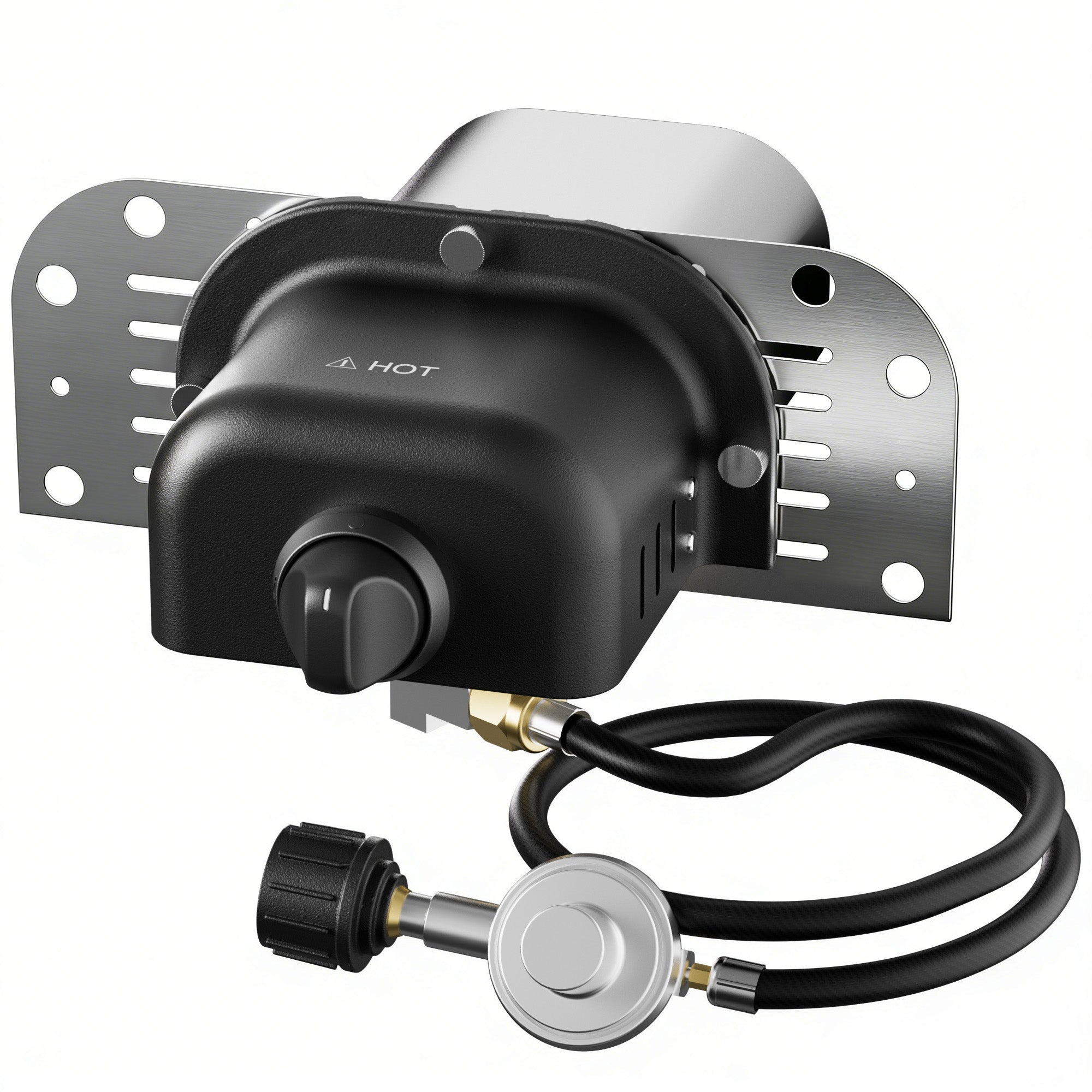
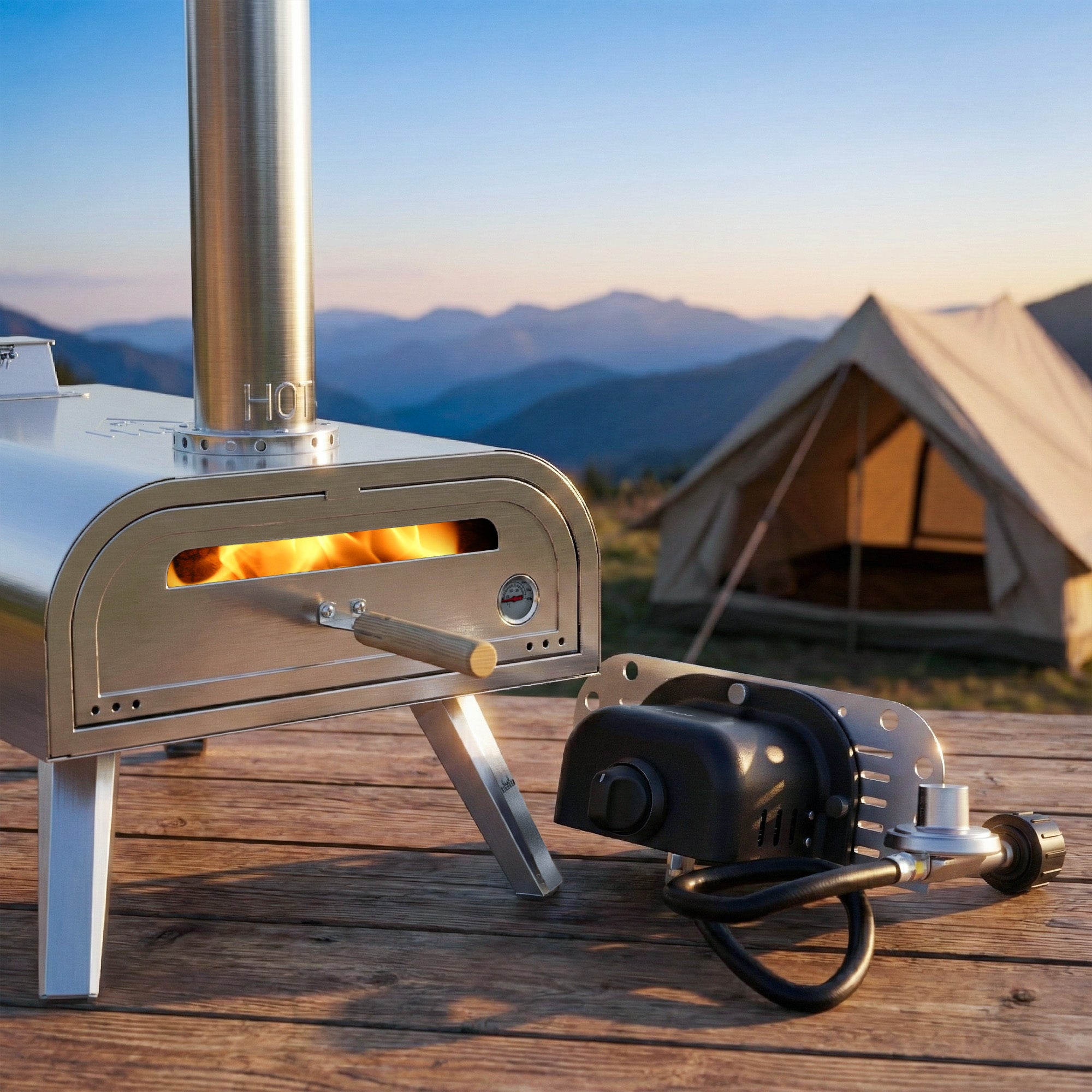
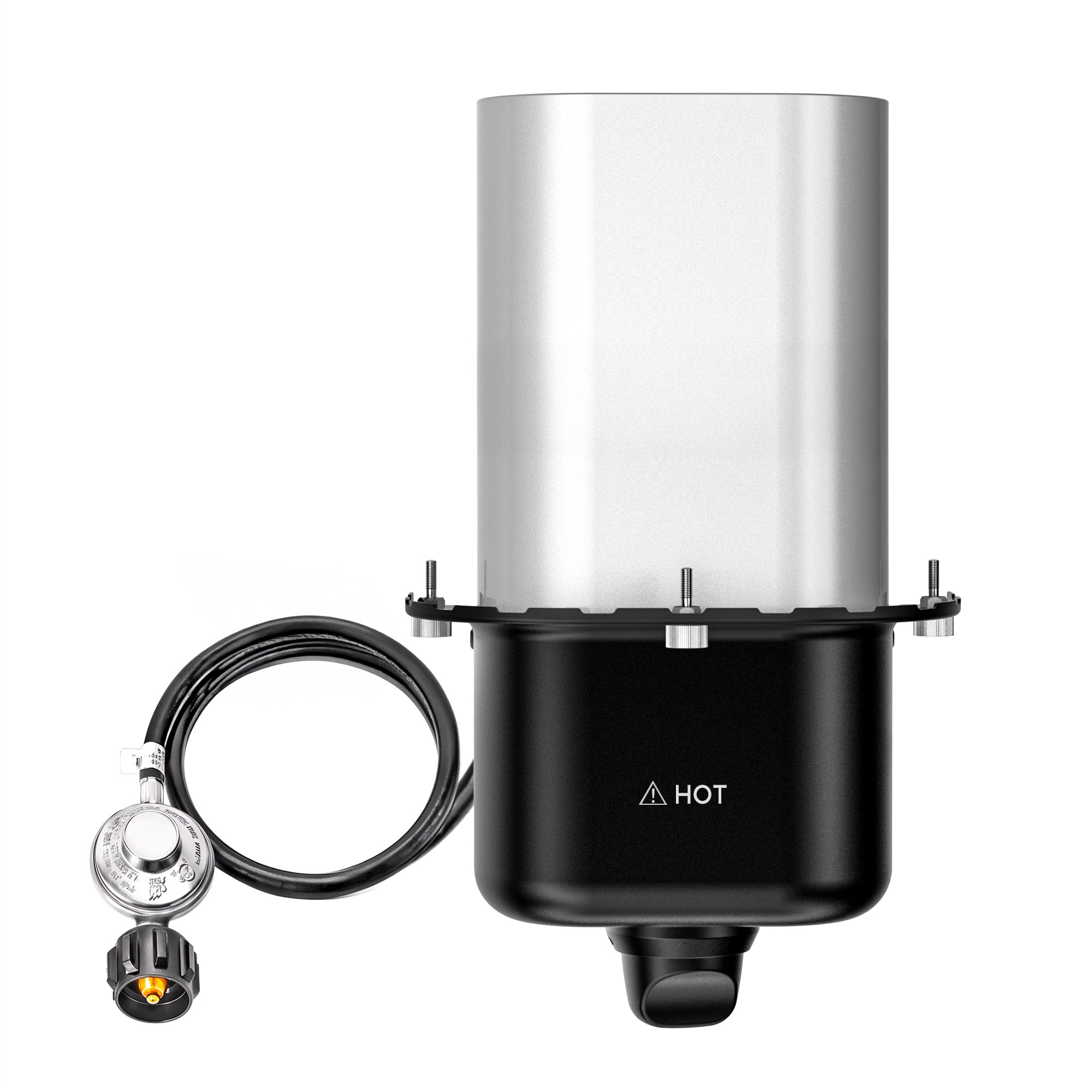
Treat Fuel Conversion Parts as Appliance Components
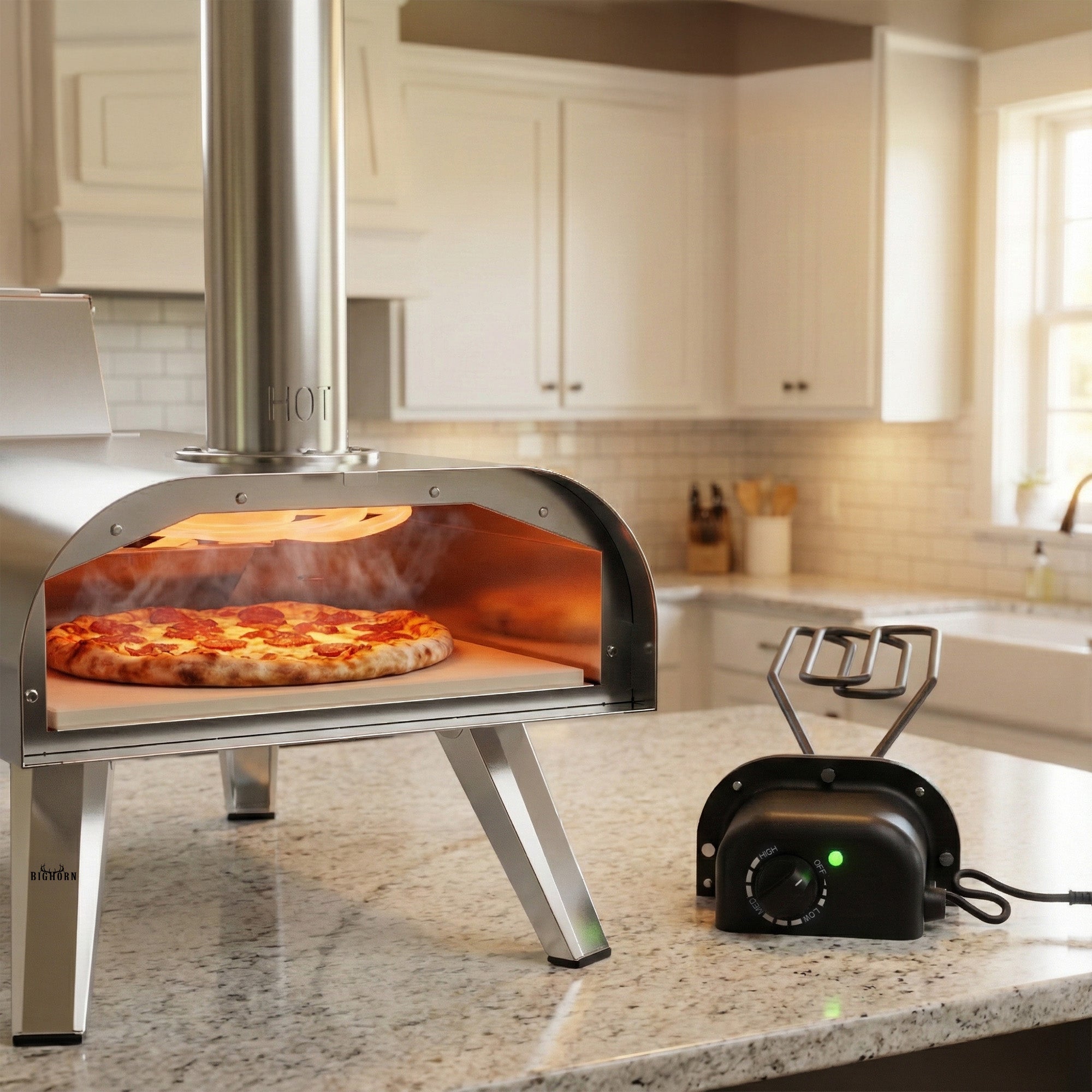
A gas burner or electric element changes how the oven produces heat
and therefore must be approved for the exact model. Follow the
component manual for installation, ventilation, fuel pressure,
electrical supply and operating location. Never modify connectors to
force an incompatible part to fit.
Use Protection Without Blocking Ventilation
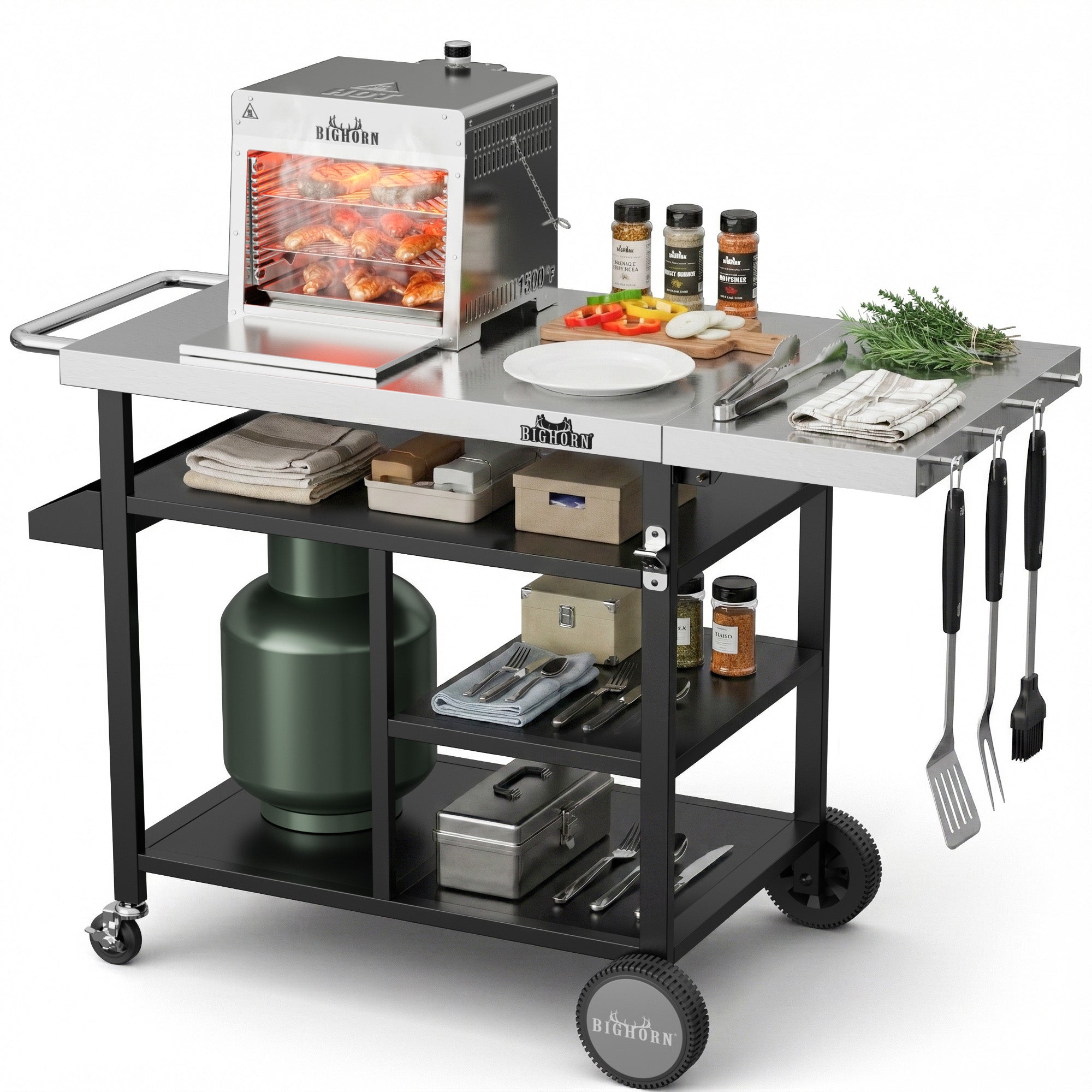
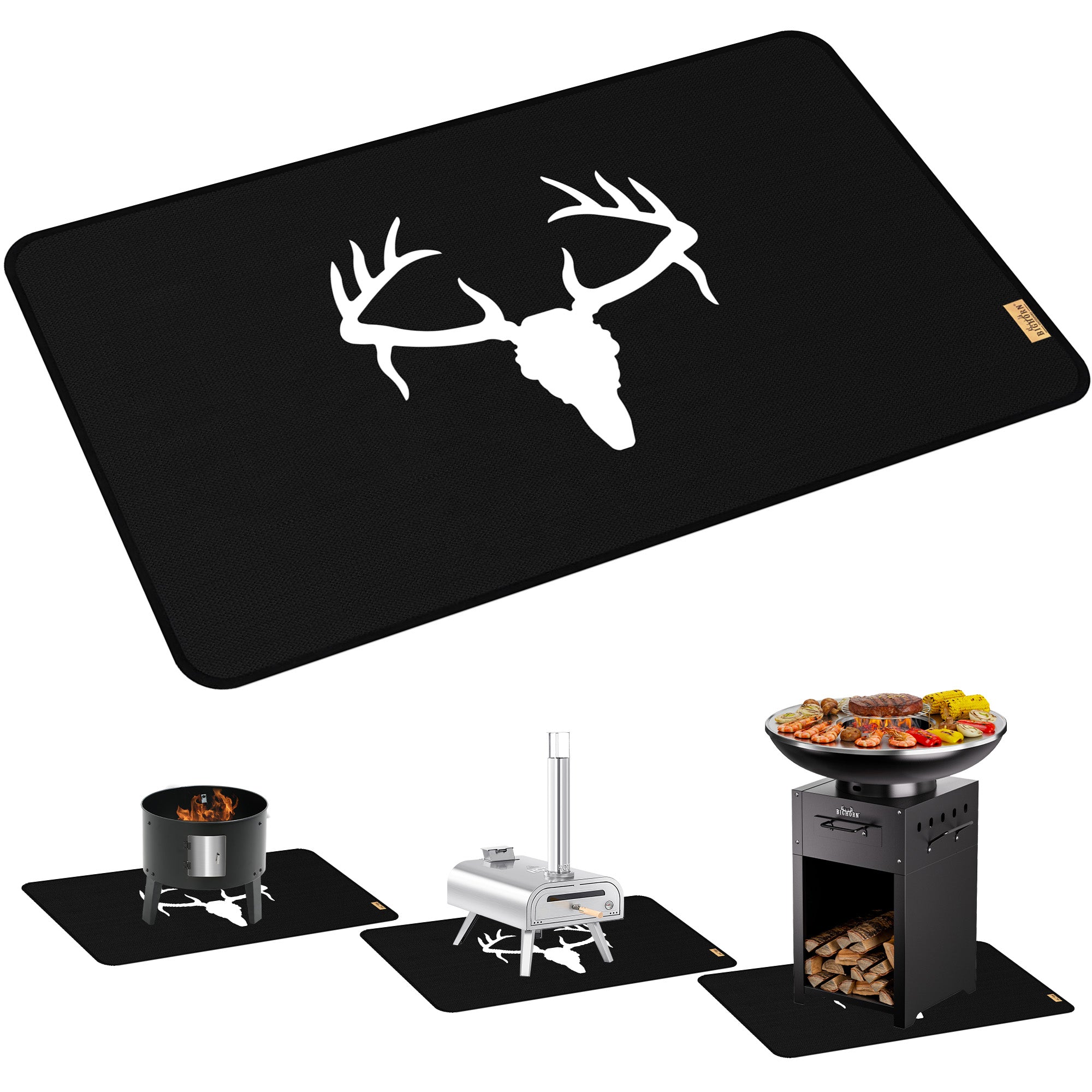
A mat, cart and cover solve different problems. A mat protects the
surface below; a cart creates a stable work area; a cover limits
exposure during storage. None of them should obstruct the appliance
vents or reduce the clearances required during operation.
Clean Tools Before Residue Hardens
Remove flour, cheese and grease after the cooking session once tools
are safe to handle. Follow the material-specific care instructions,
dry metal parts thoroughly and keep folding joints, wheels and
handles free of buildup.
- Store peels where their edges cannot bend.
- Dry covers before folding to reduce trapped moisture.
- Inspect hoses and regulators before each gas session.
- Keep electrical contacts clean and dry.
- Replace damaged heat-protection items rather than patching them.
Storage reminder: Cover an oven only after it is
fully cool, clean and dry. Trapping heat or moisture can damage
both the appliance and the cover.
Protection and Conversion Accessories
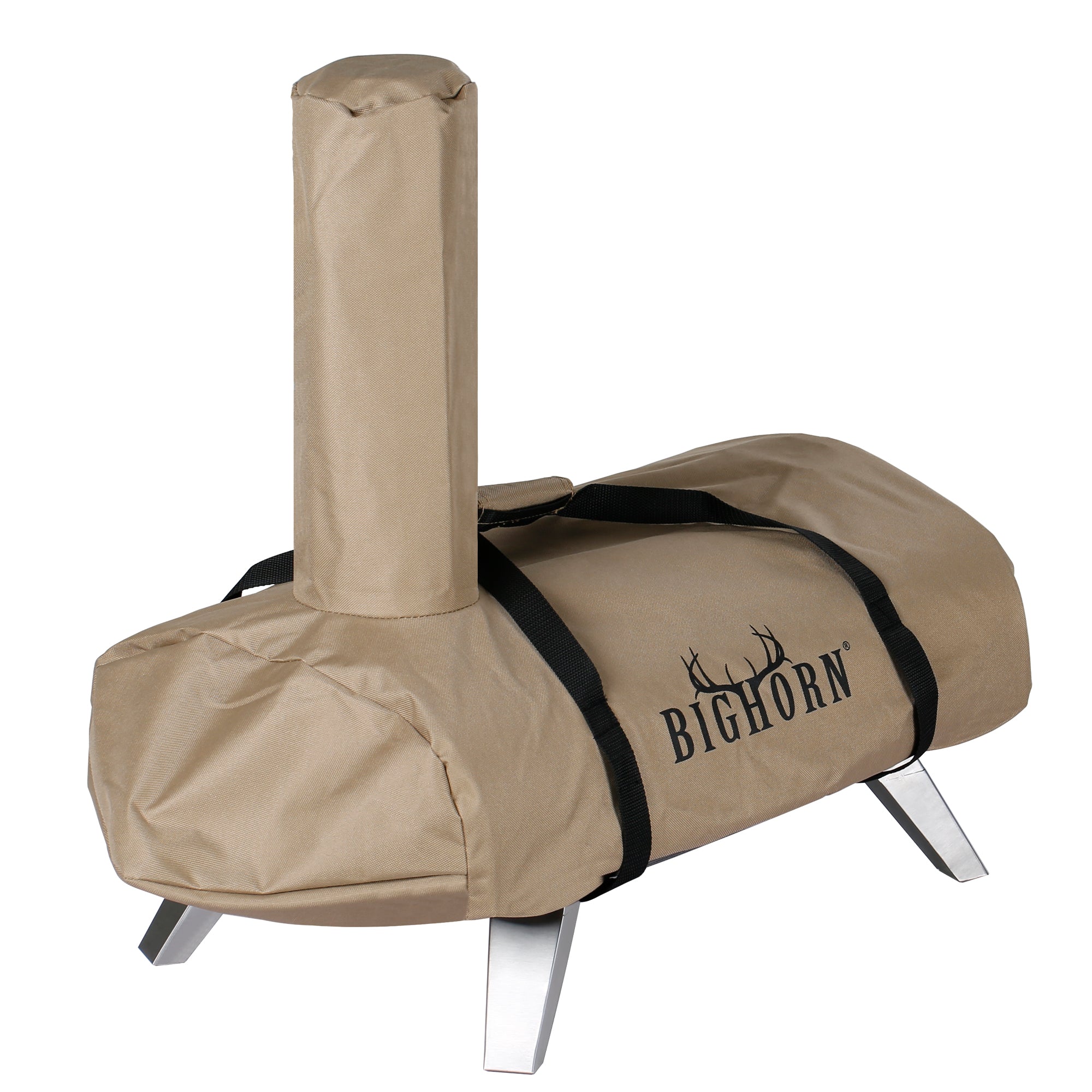
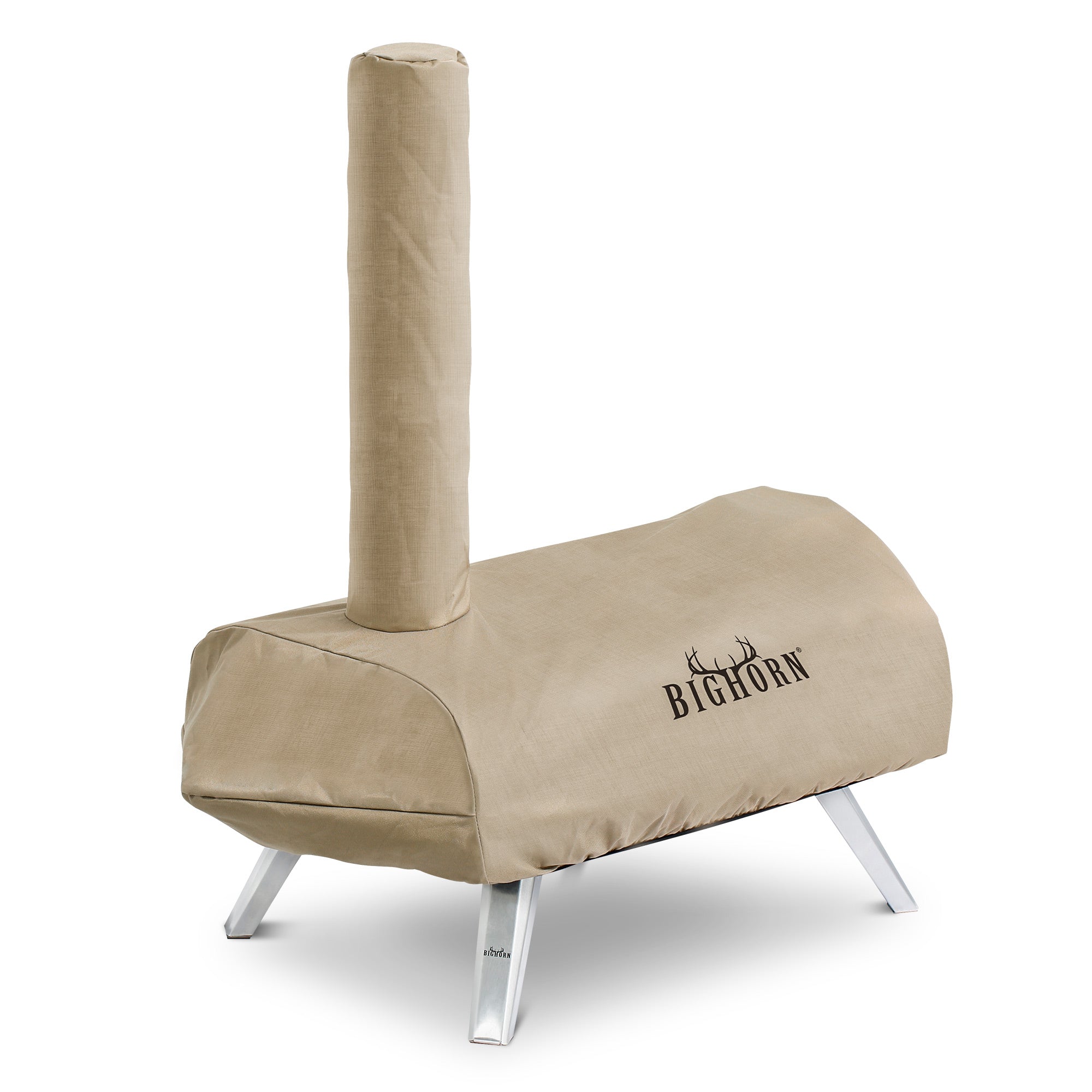
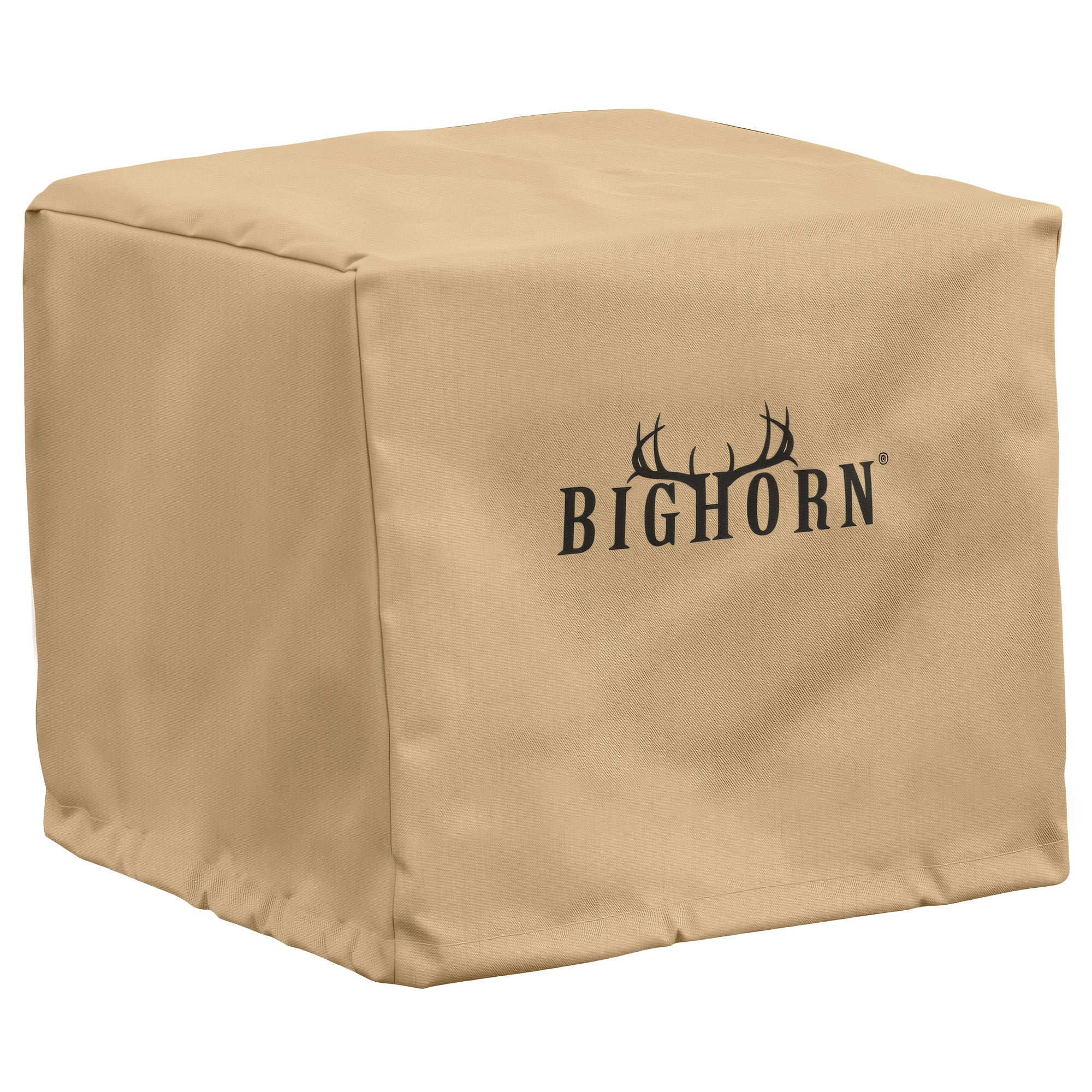
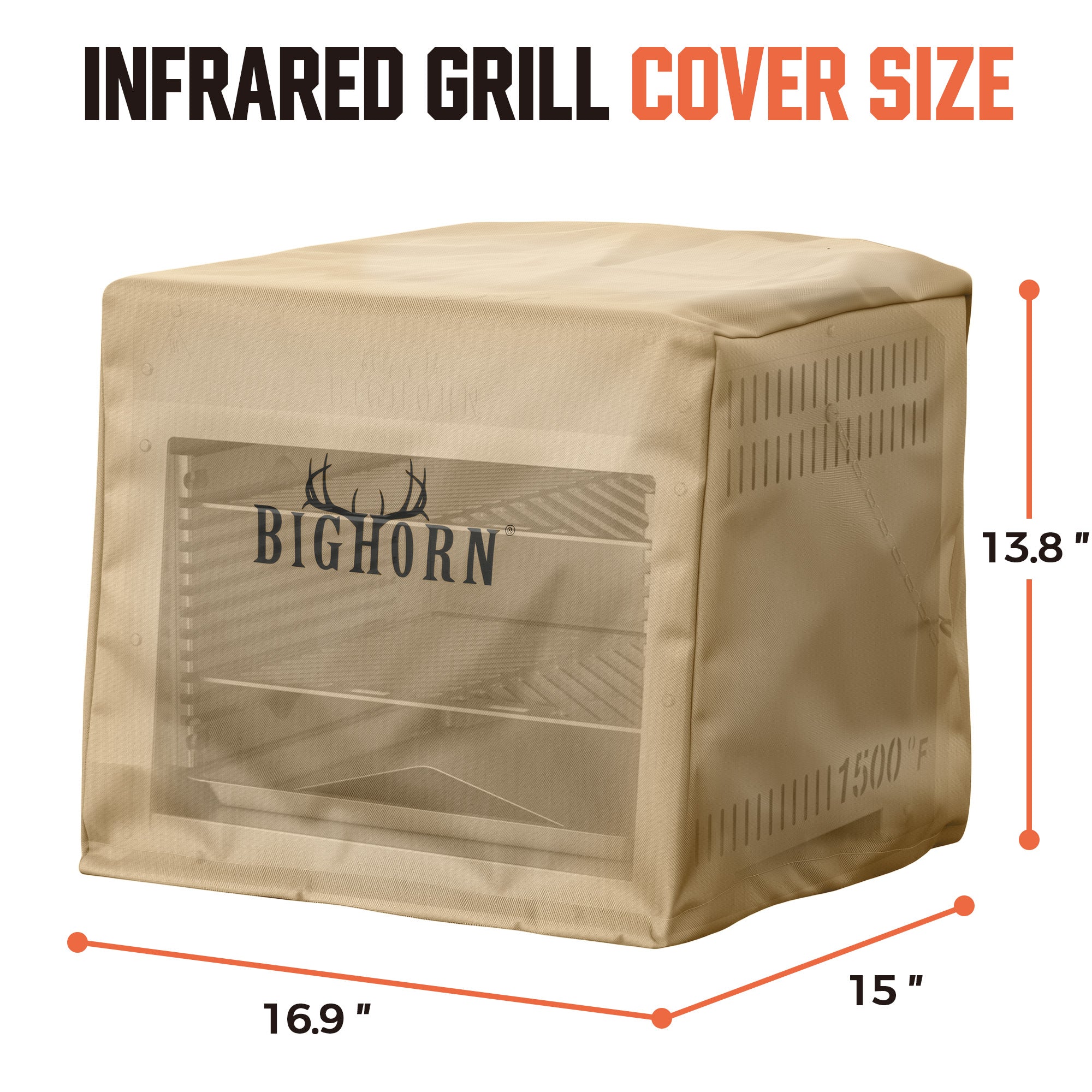
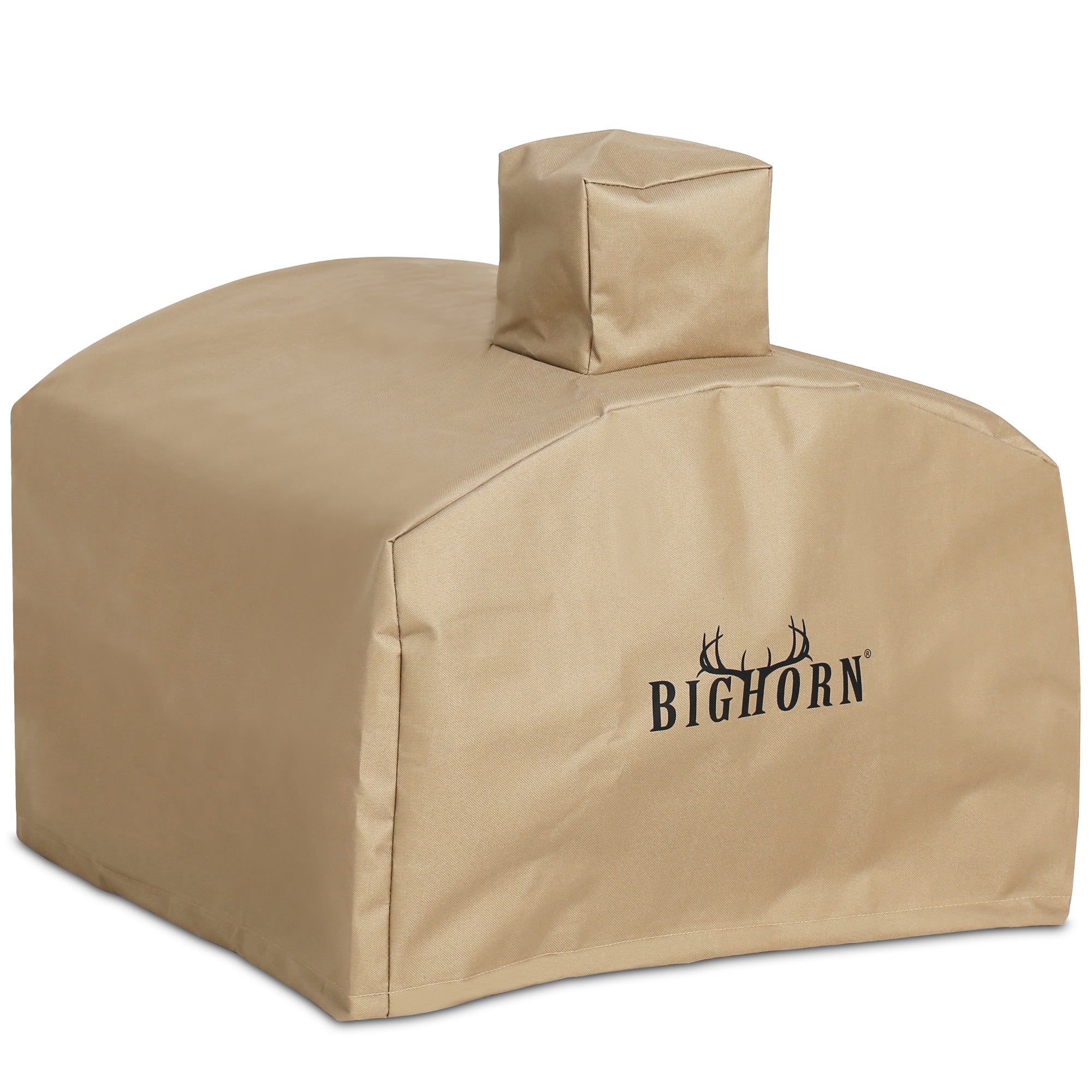
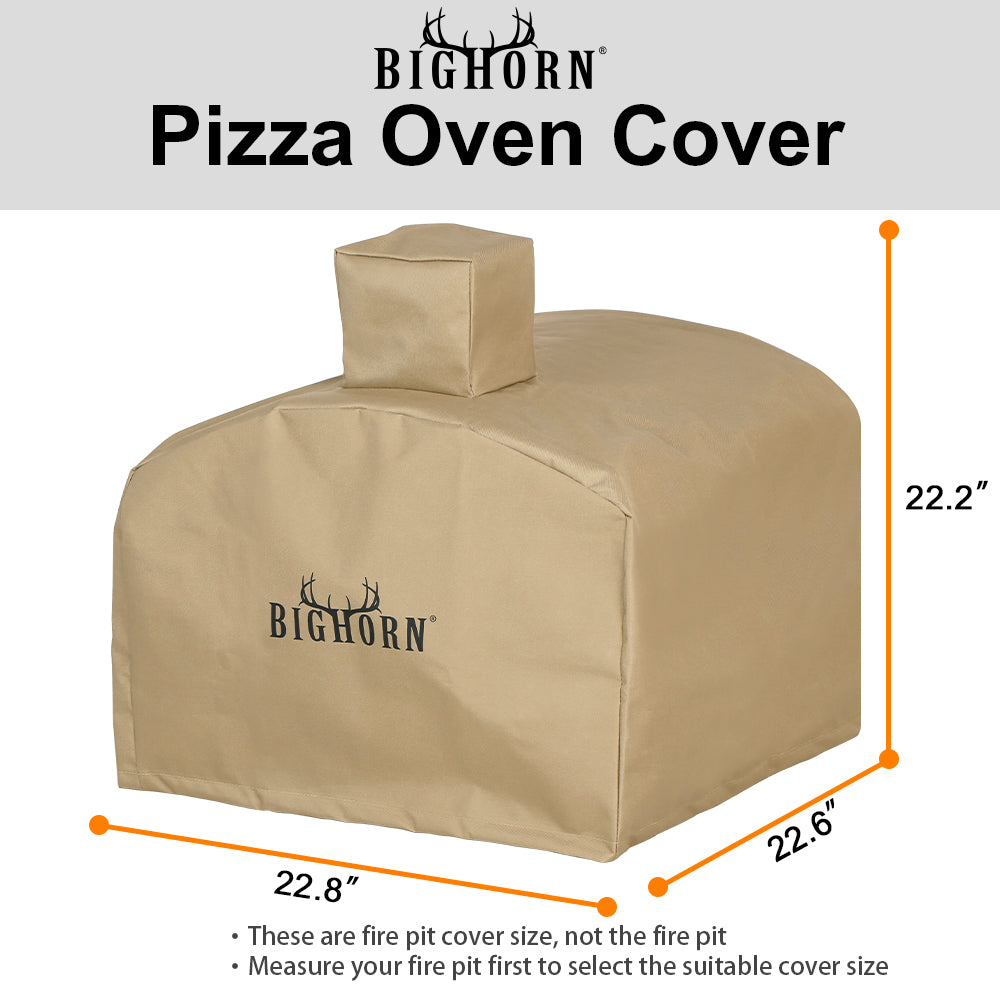
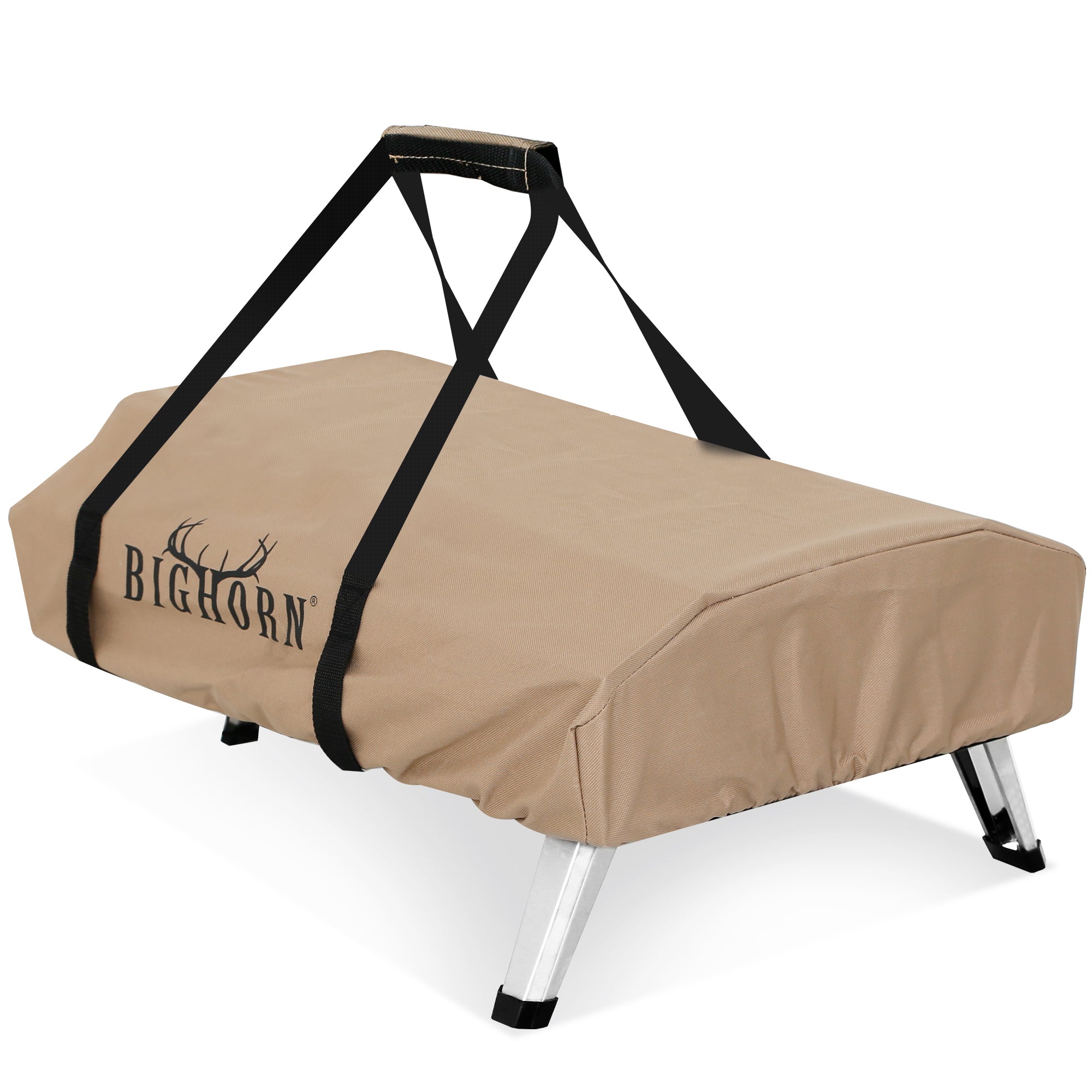
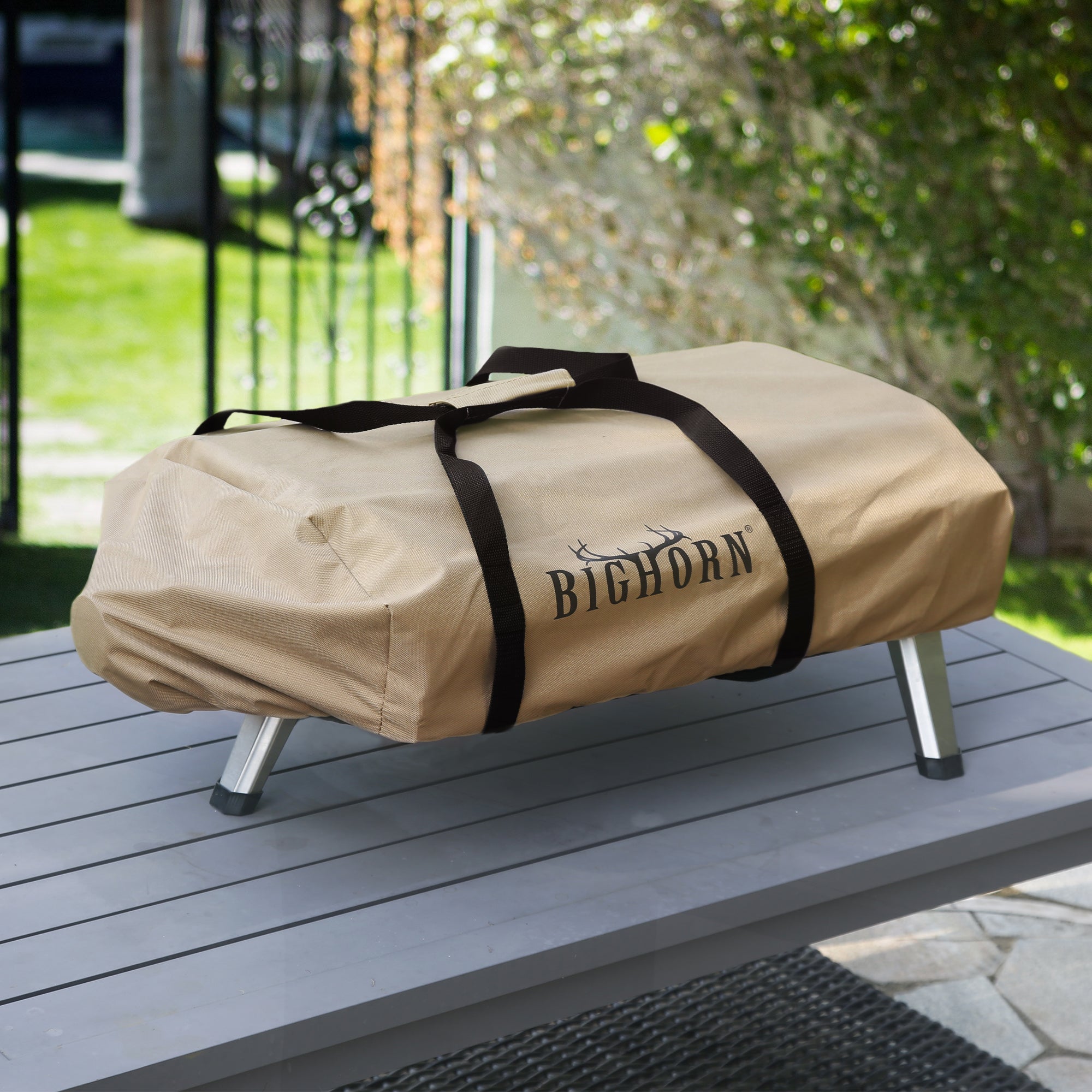
12-Inch Pizza Oven Cover
Protect a compatible compact oven during storage with a fitted
Oxford-fabric cover designed around its folded form.
View the 12-Inch Cover
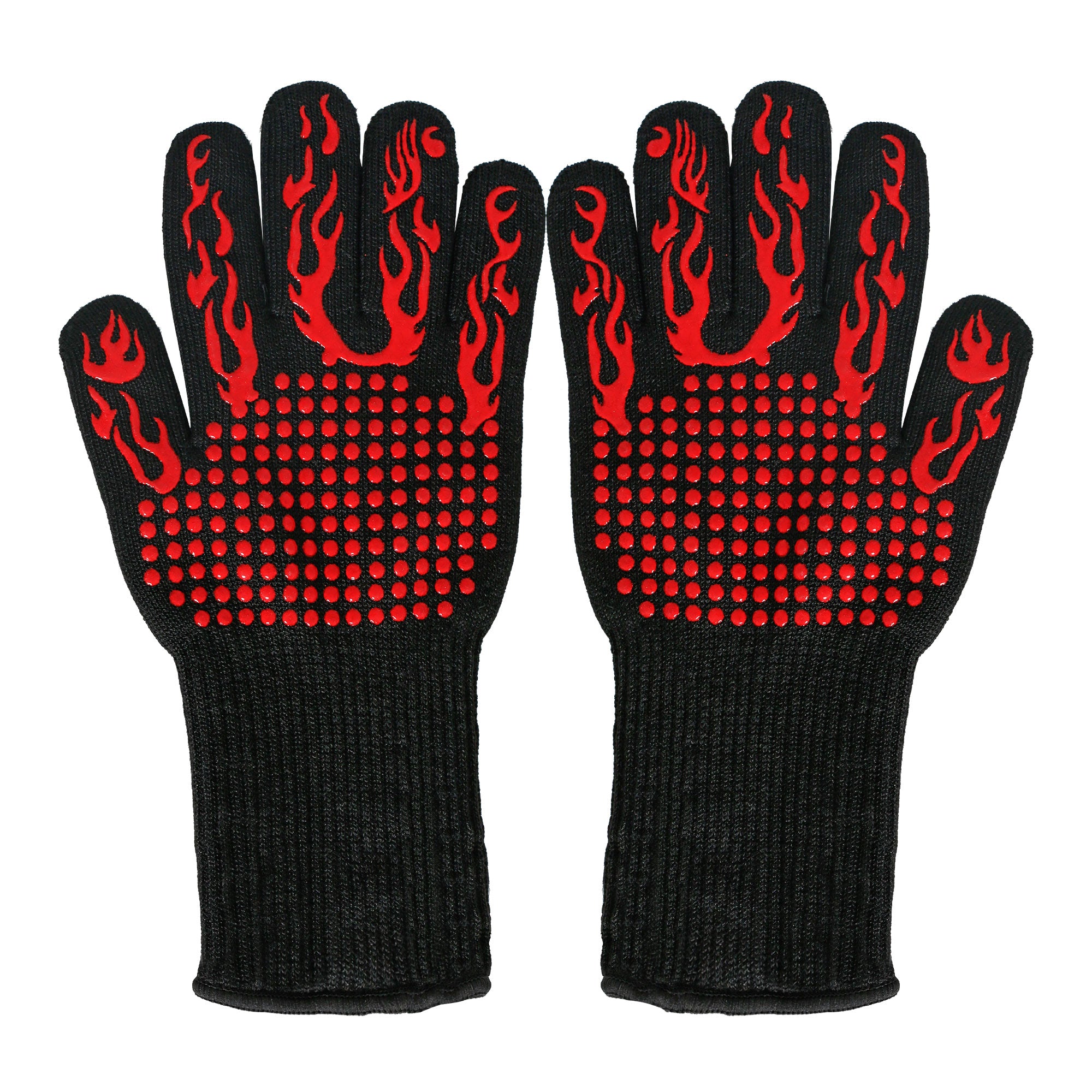
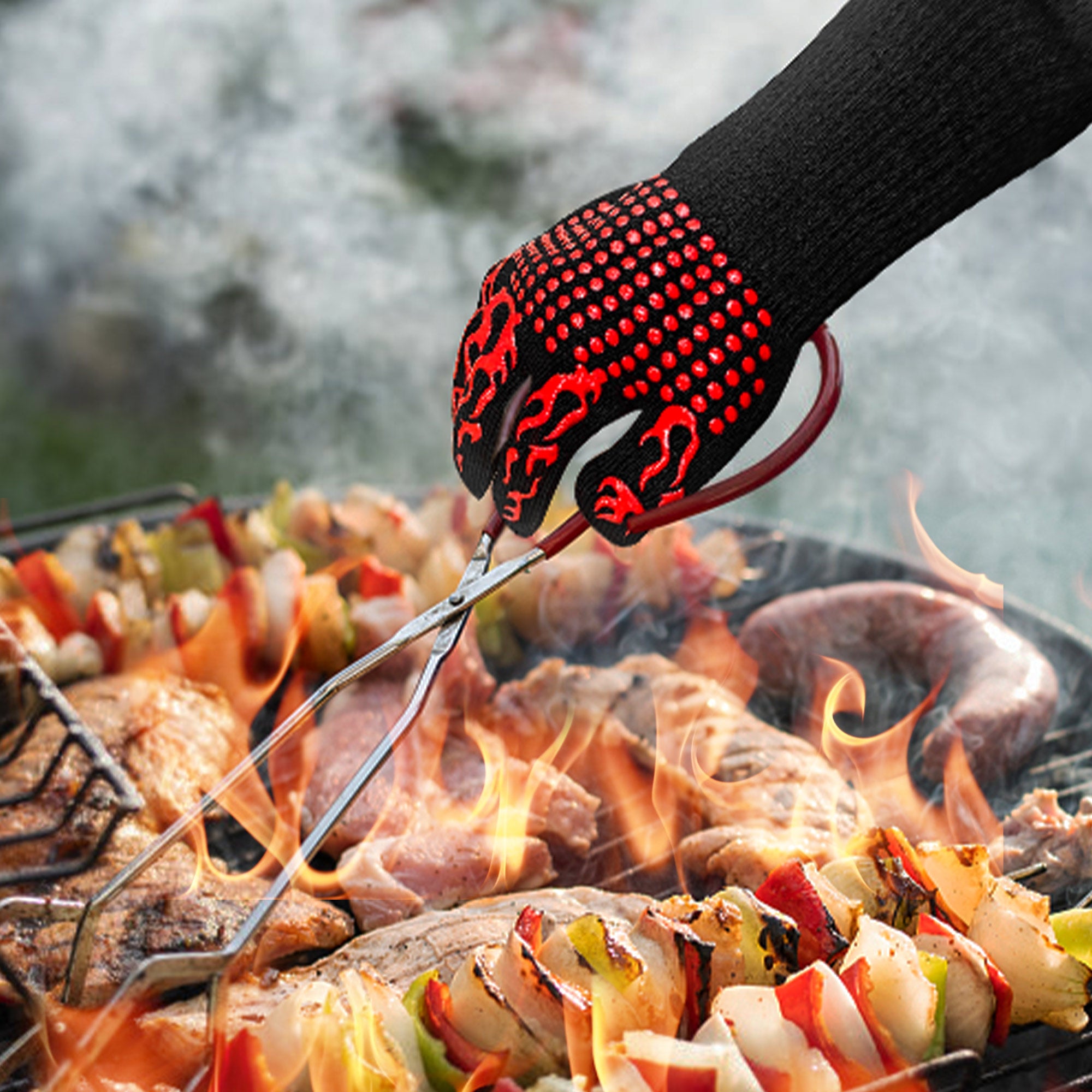
Heat-Resistant BBQ Gloves
Add hand protection for appropriate hot-tool and grill tasks
while continuing to follow the glove's temperature and contact
limits.
View Heat-Resistant Gloves
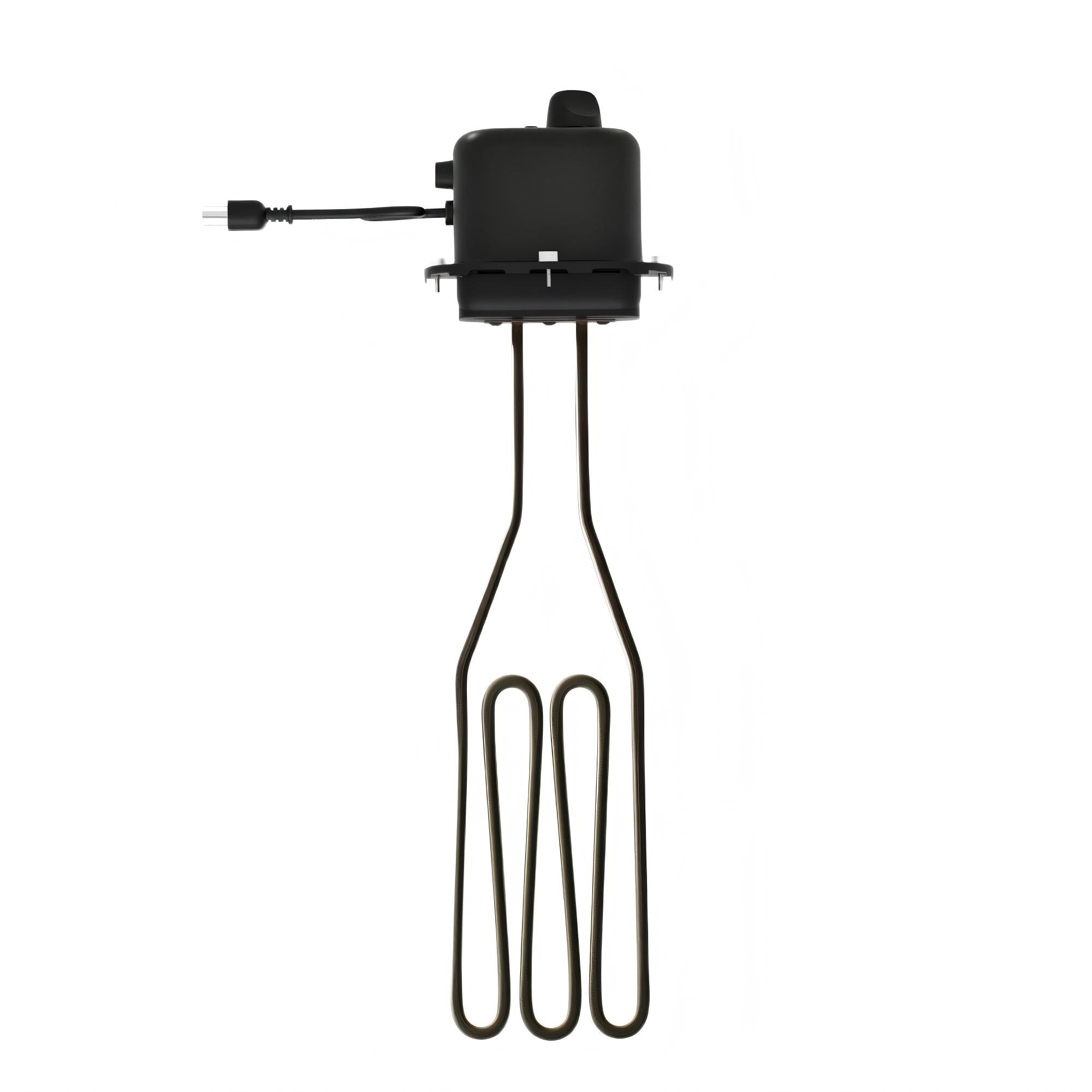
1500W Electric Heating Element
Review the adjustable electric component only for pizza ovens
specifically approved for the element and intended setup.
View the Electric Element
A Compatible Tool Is More Valuable Than an Extra Tool
Build the accessory kit around the oven model and cooking workflow.
Confirm measurements, protect components from heat and moisture,
and replace damaged parts before they affect safety or cooking
performance.