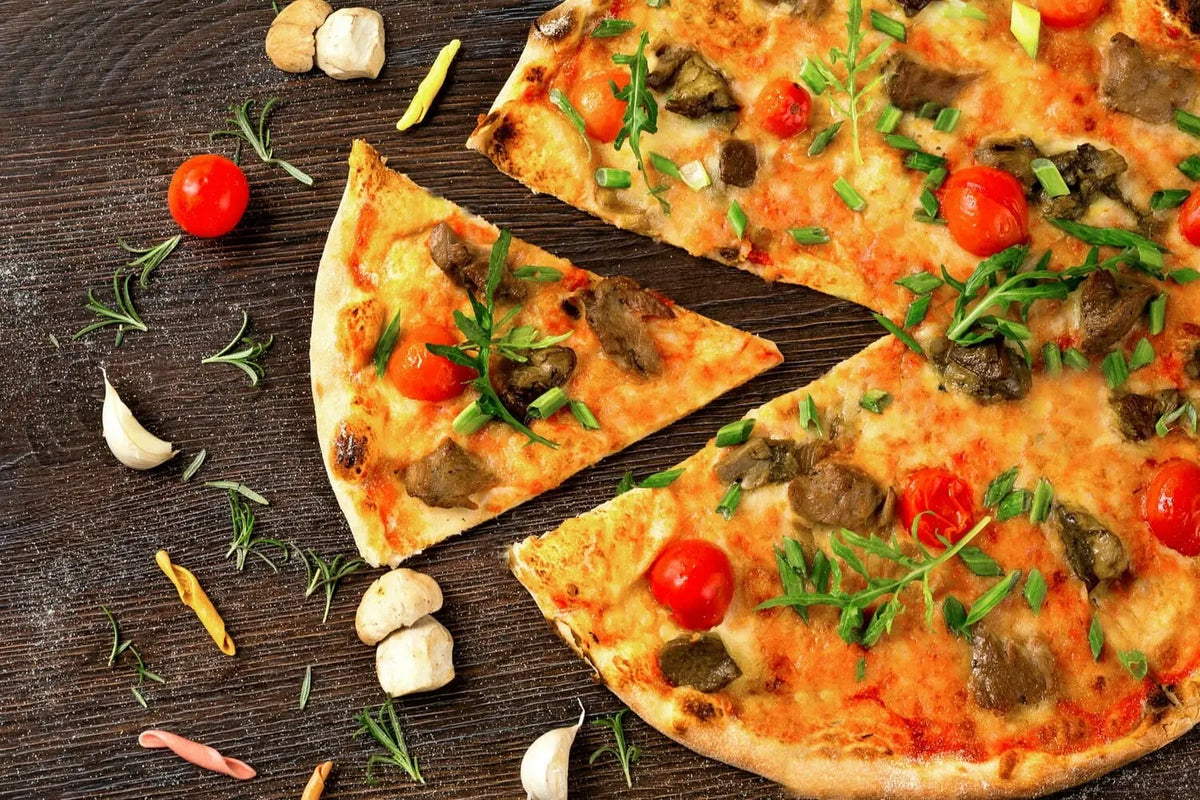
How Heat, Fuel and Stone Temperature Shape Better Pizza
A dedicated pizza oven creates a different baking environment from
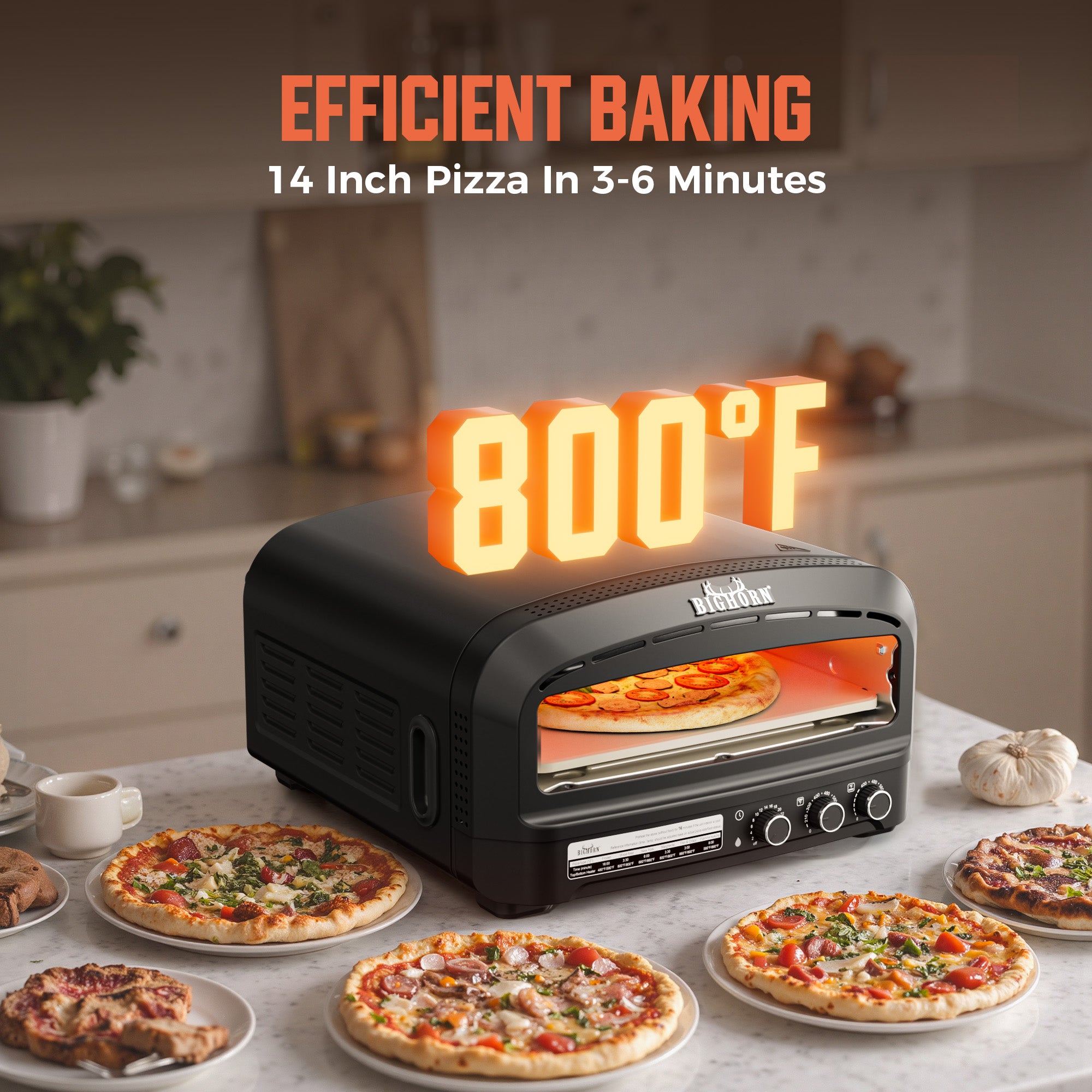
a conventional kitchen oven. High chamber heat cooks the toppings
quickly, while stored energy in the pizza stone sets and crisps the
base. Successful pizza depends on balancing both forms of heat
rather than focusing on the air temperature alone.
Why High Heat Changes Pizza Texture
When properly prepared dough enters a fully heated pizza oven, the
outer surface expands and browns rapidly. This quick bake helps
produce a light rim, toasted spots and a base that is crisp without
requiring a long drying time.
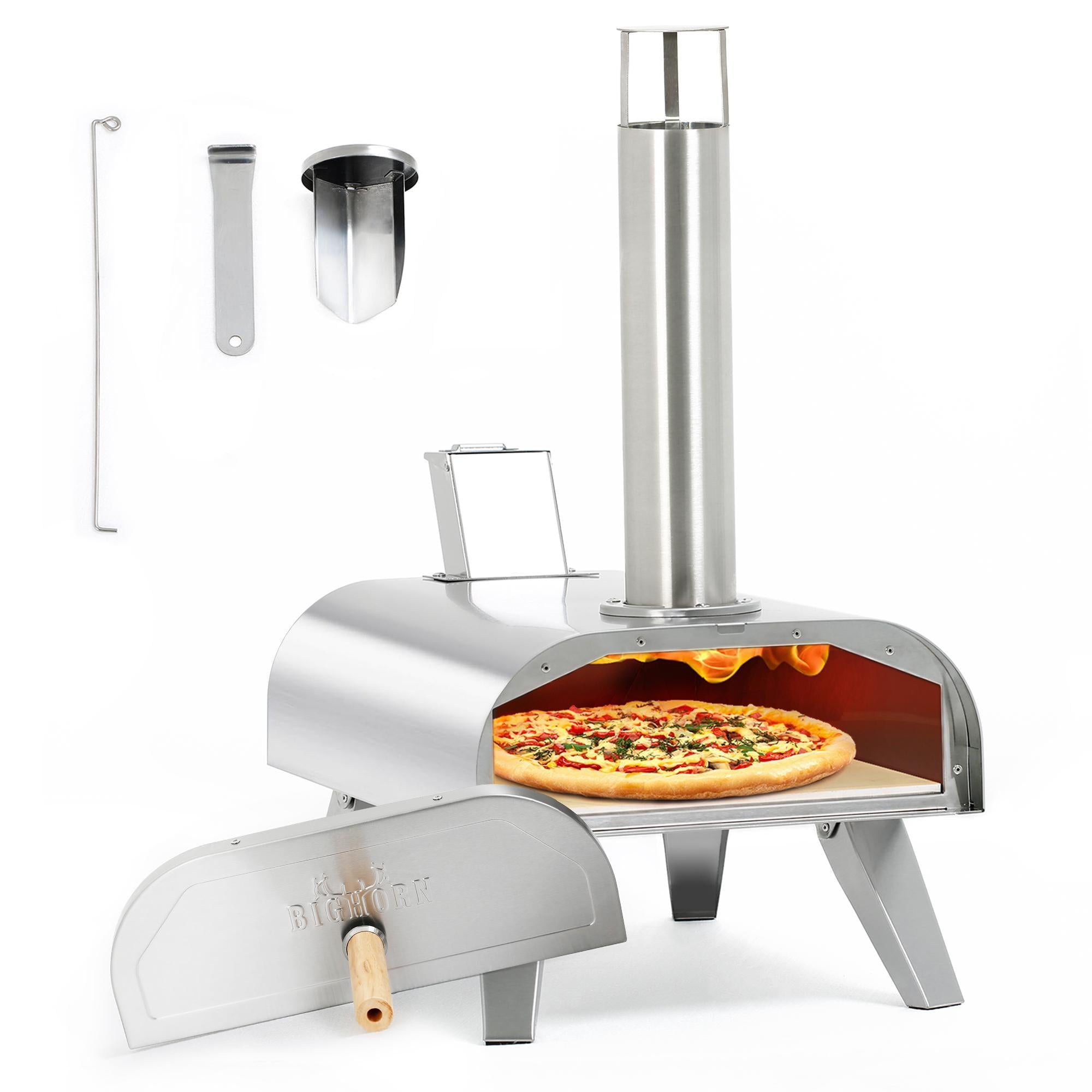
If the chamber is hot but the stone is not ready, the top can cook
before the bottom. If the stone is excessively hot compared with
the chamber, the base may burn before the crust and toppings finish.
Preheating and checking the cooking surface are therefore important
parts of consistent pizza making.
Practical tip: An infrared thermometer can help
you evaluate the stone instead of judging readiness only by the
oven’s air-temperature display. Follow the temperature guidance
supplied with your specific oven and recipe.
How Fuel Influences the Cooking Experience
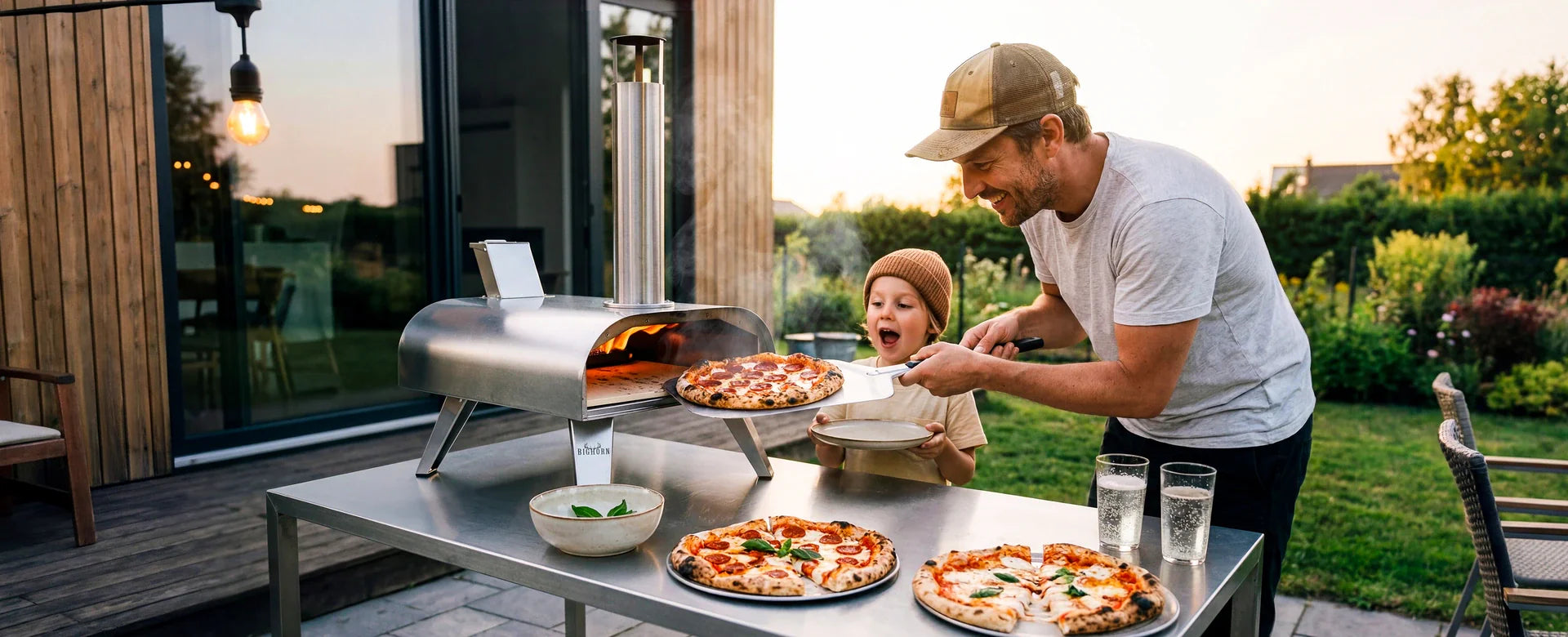
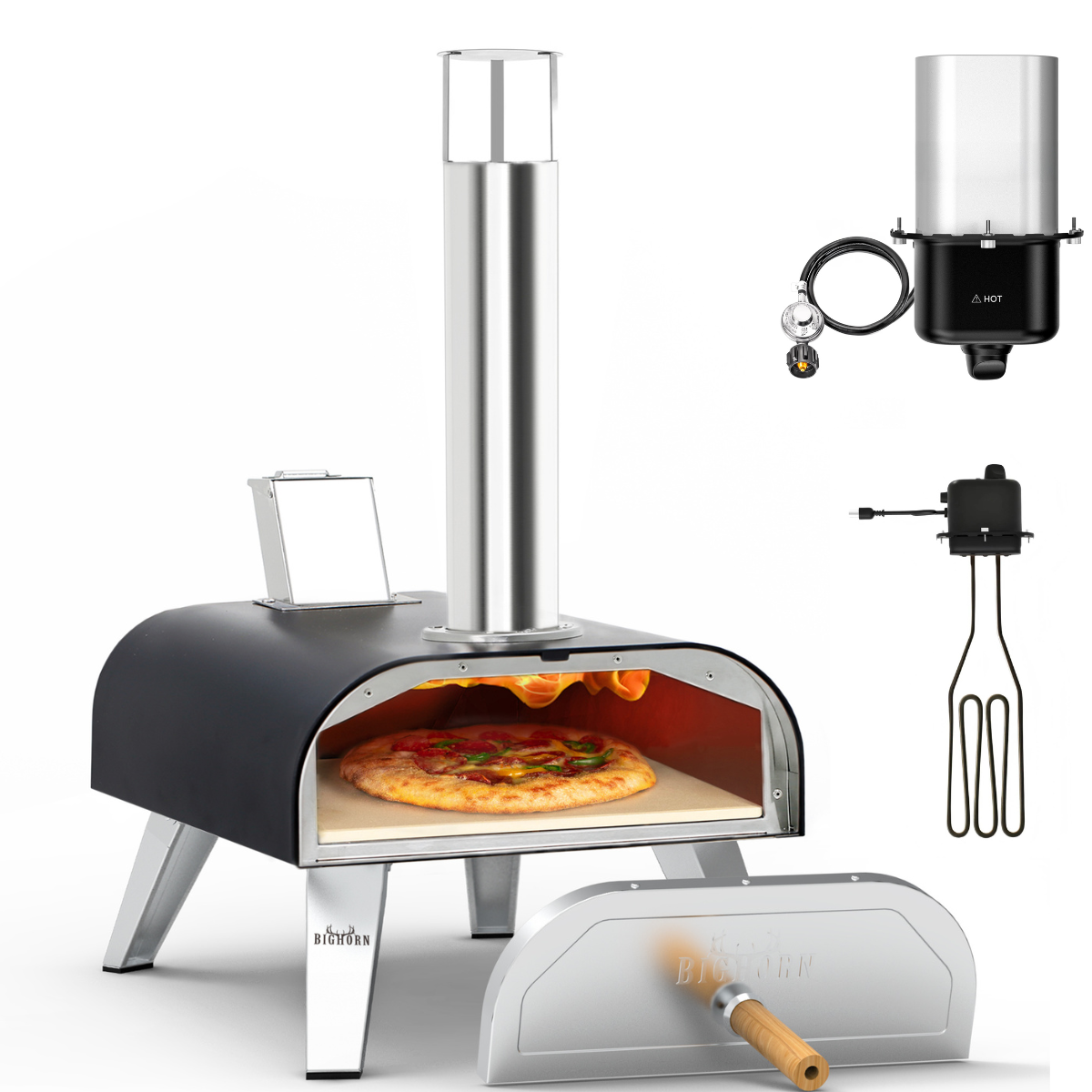
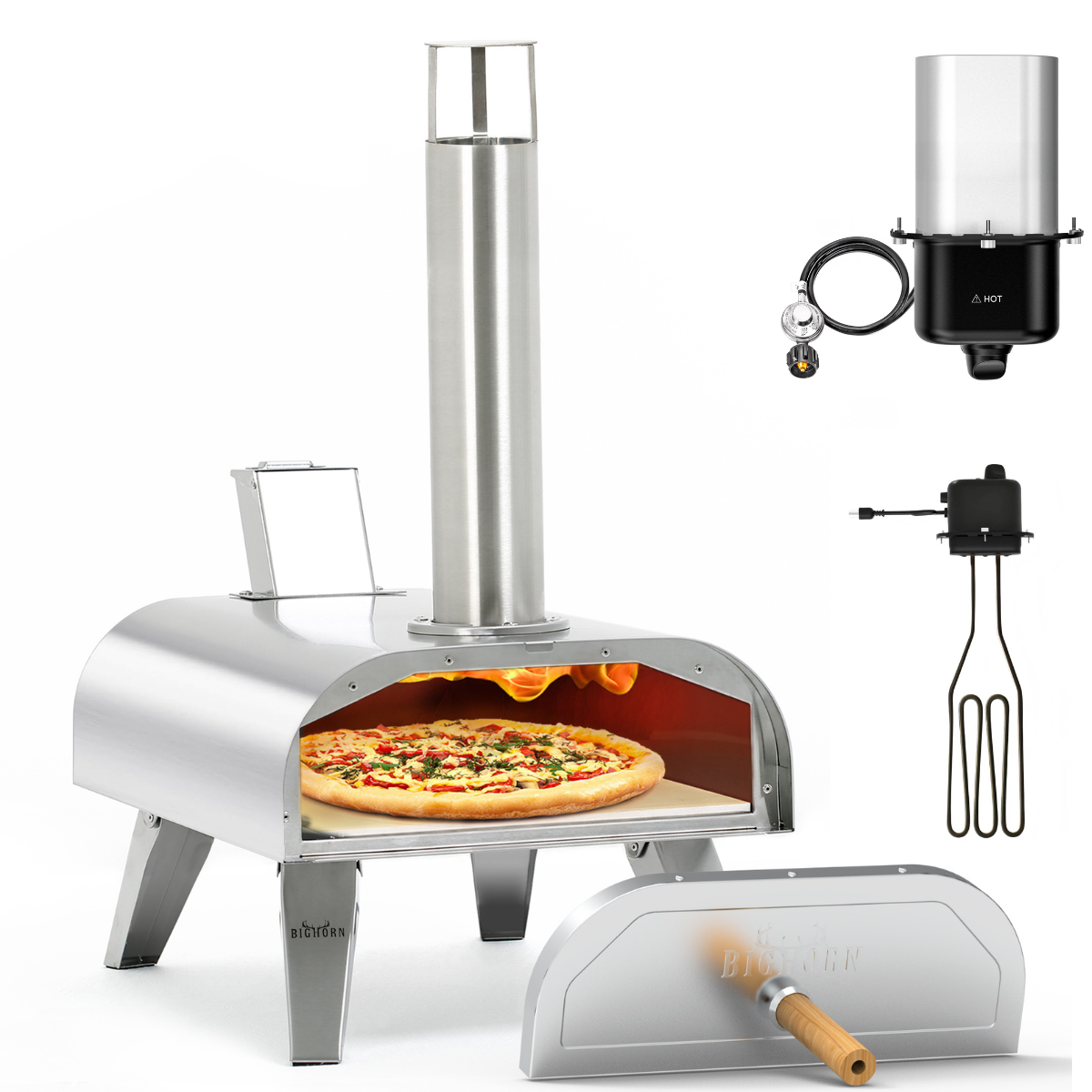
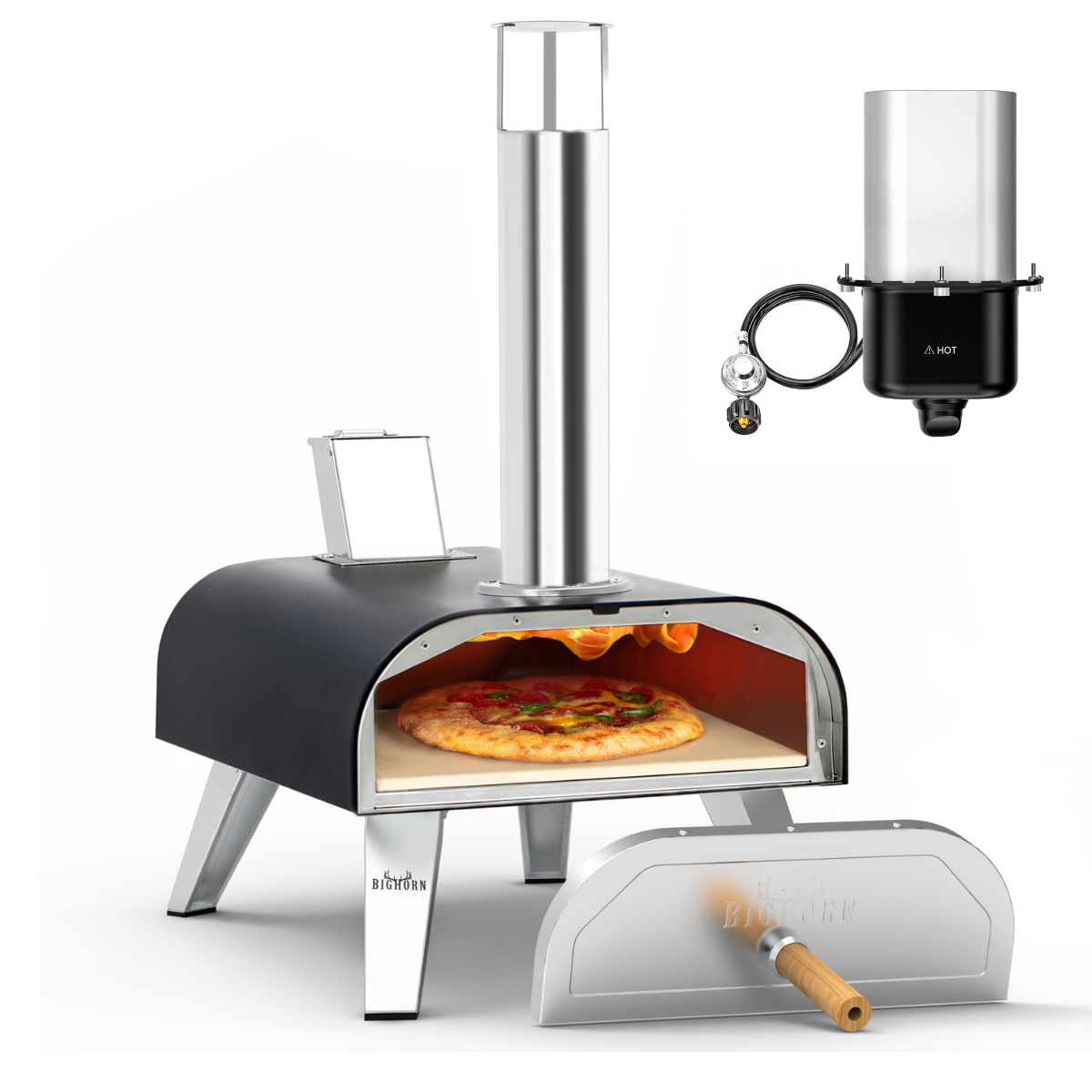
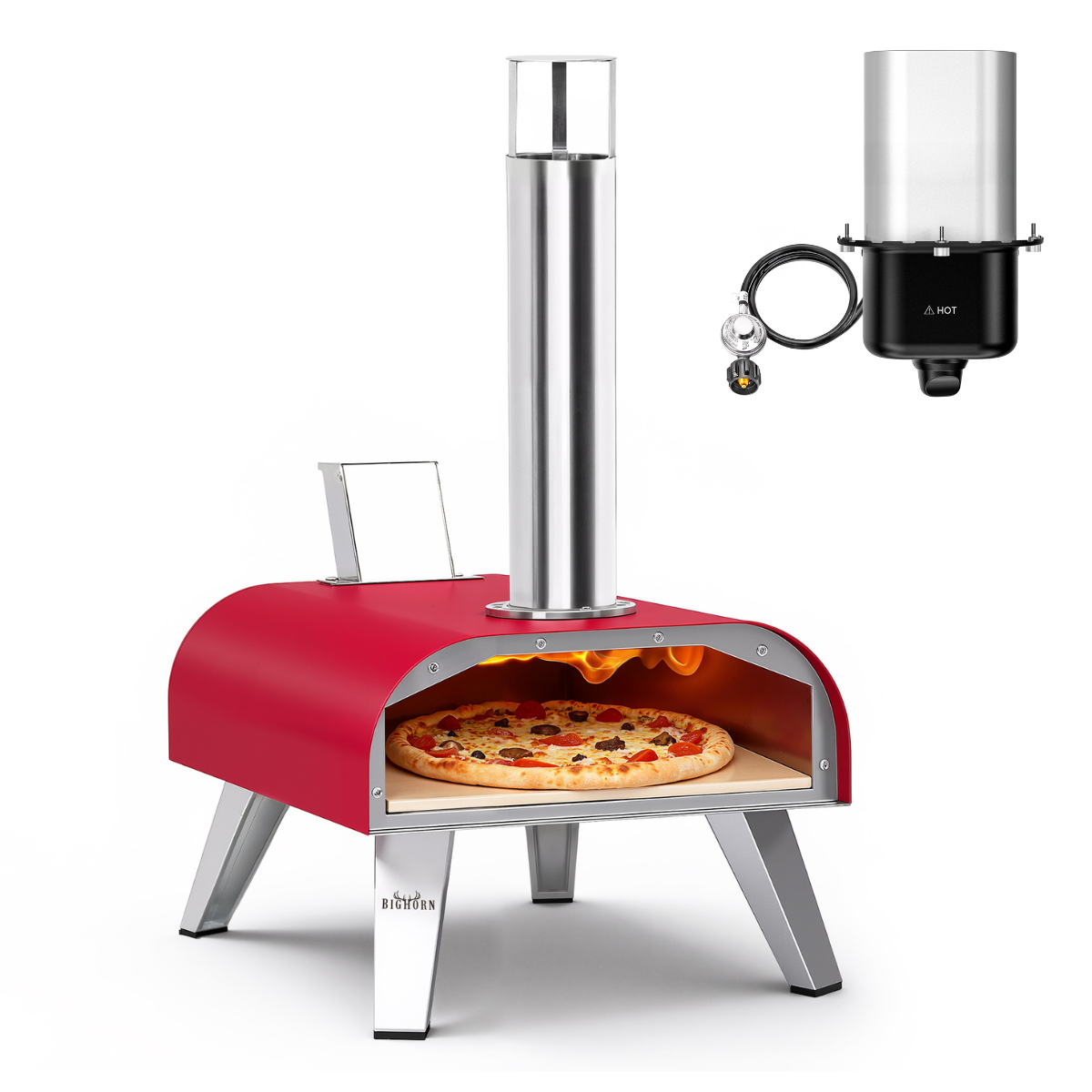
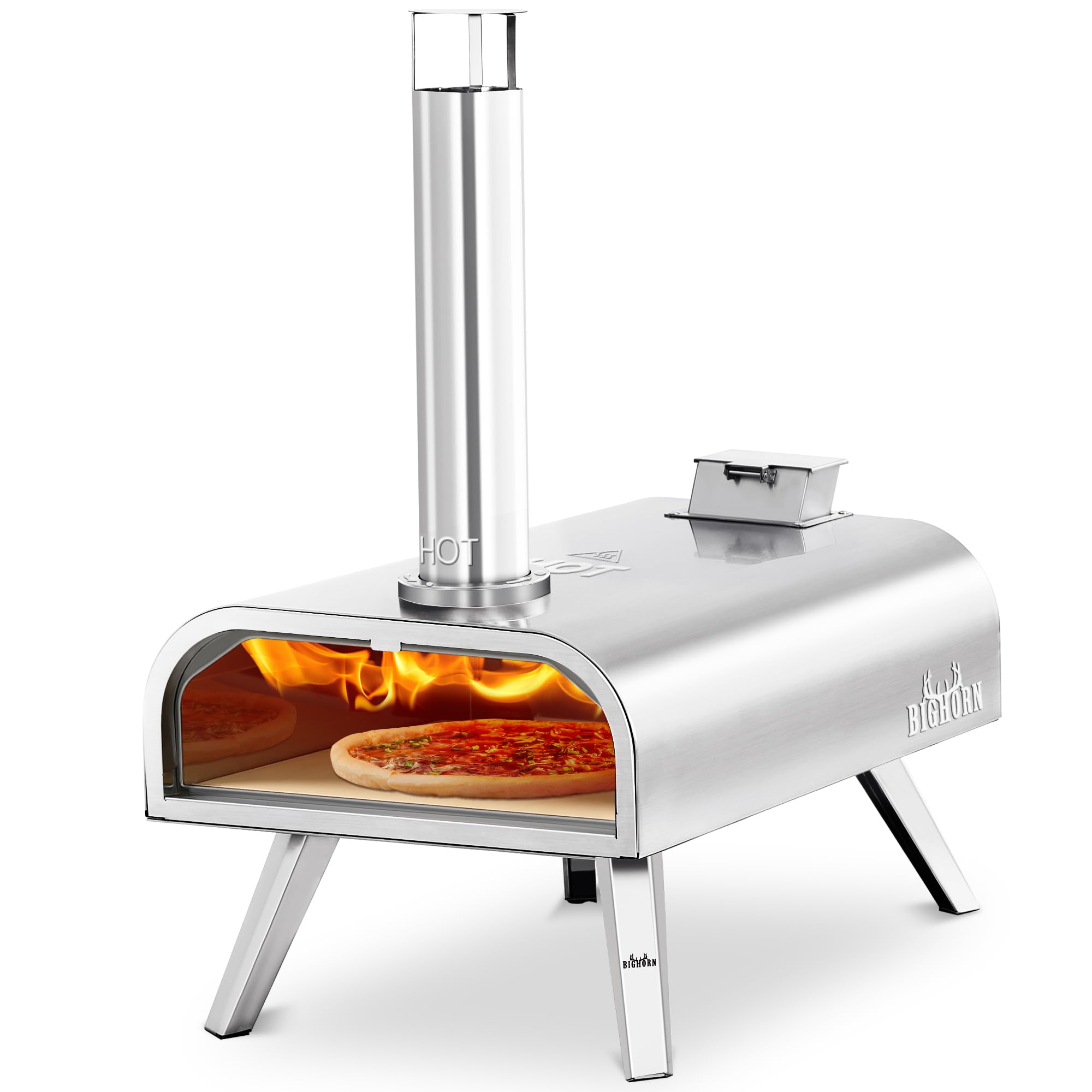
Wood pellets contribute flame and smoke while requiring the cook to
maintain a consistent fuel supply. Gas delivers clean, adjustable
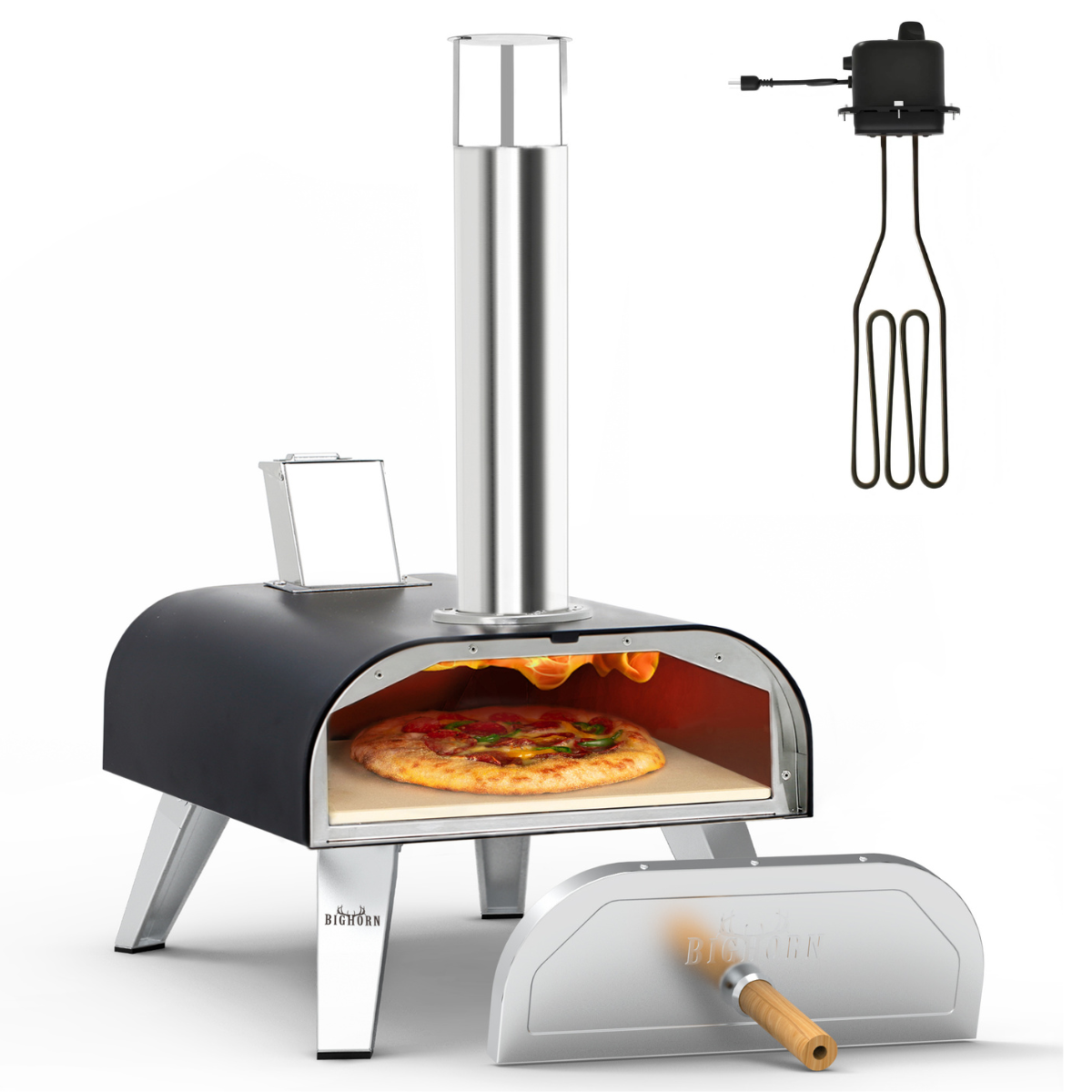
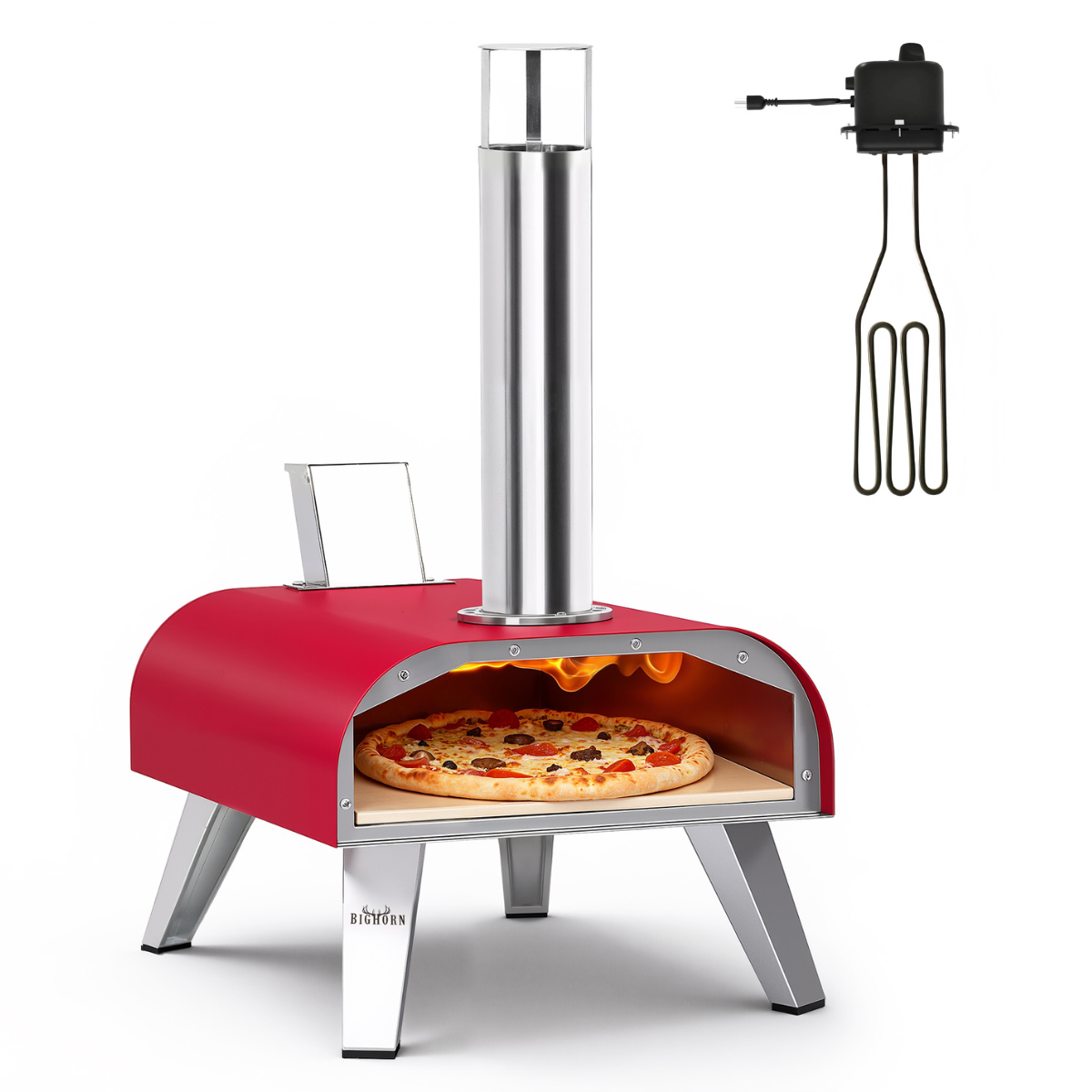
outdoor heat with less combustion residue. Electric heating removes
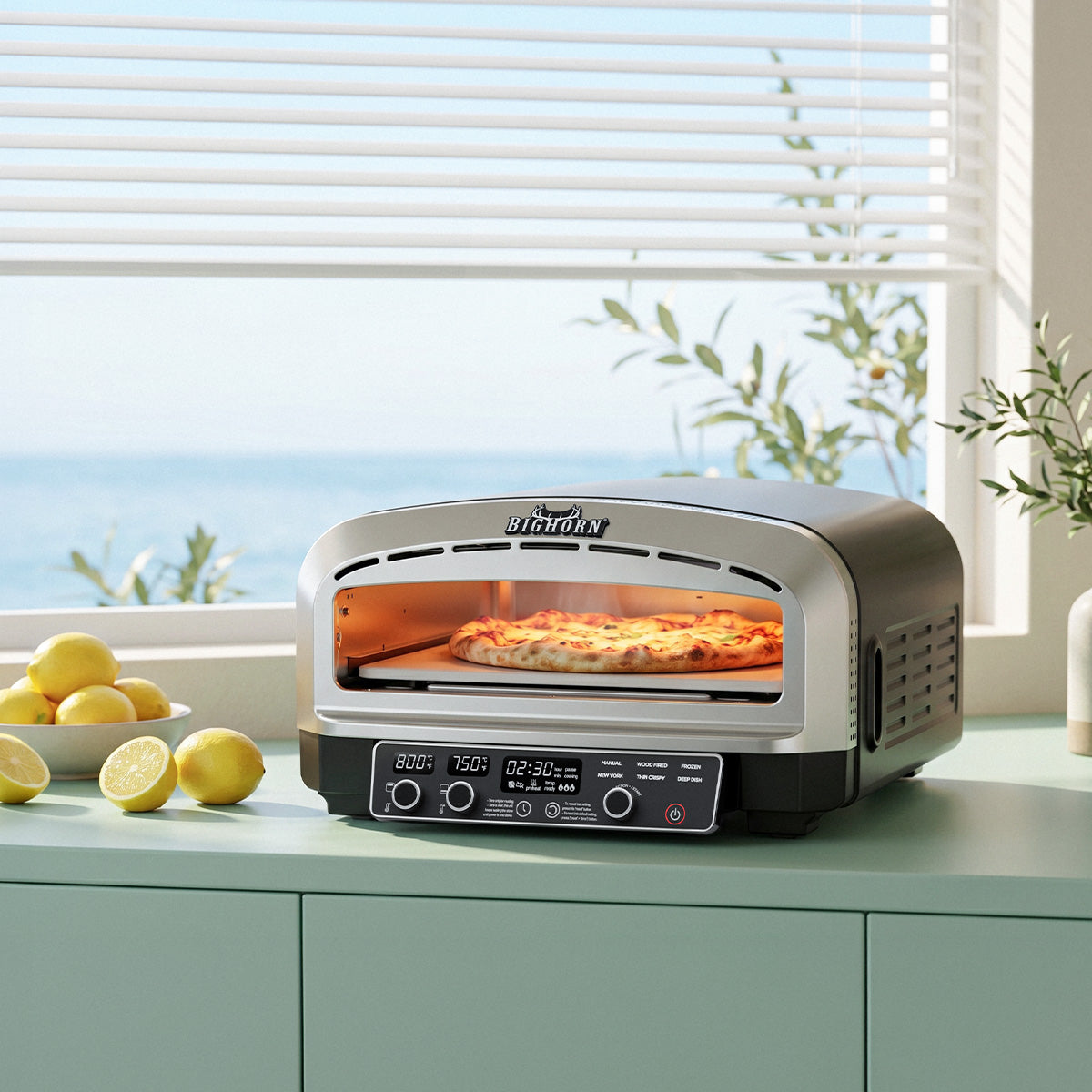
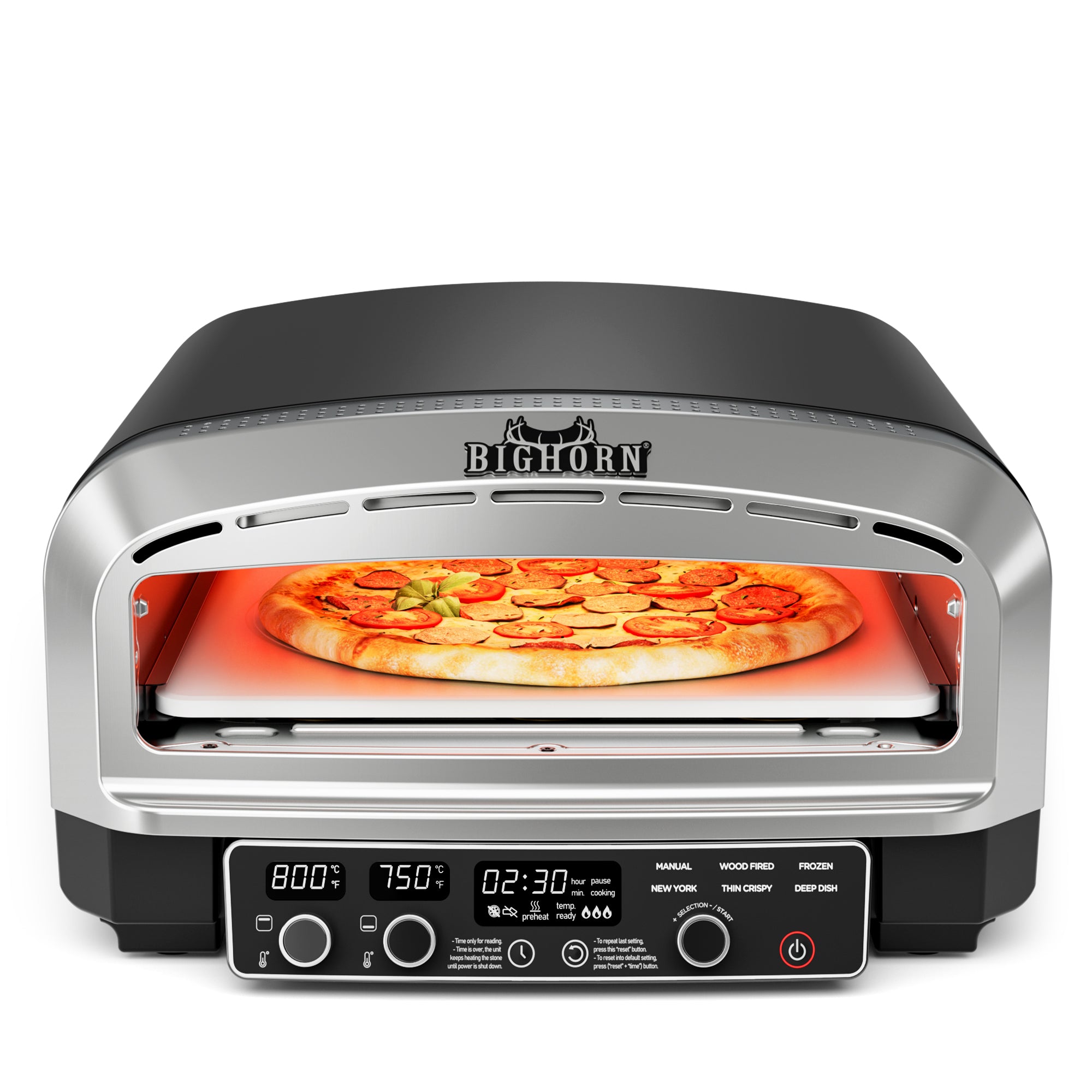
live-fire management and is suitable for models designed for indoor
countertop operation.
Multi-fuel compatibility does not mean every heat source should be
used at the same time. Install only the attachment approved for the
specific model and follow its operating instructions whenever
changing from one heating method to another.
Preheating, Launching and Turning Pizza
-
Place the oven on a stable surface with the required ventilation
and surrounding clearance.
-
Preheat the chamber and stone according to the model instructions.
-
Prepare the topped dough shortly before launching so it does not
remain on the peel long enough to stick.
-
Use a light amount of suitable flour or semolina on the peel and
confirm that the dough can slide before approaching the oven.
-
Turn the pizza as needed because the area nearest the flame or
heating element may brown more rapidly.
-
Allow the stone to recover between pizzas when cooking several in
succession.
Dough Hydration and High-Temperature Baking
Dough behavior depends on hydration, flour, fermentation and baking
temperature. Higher hydration can create a light, airy crust but may
be more difficult to shape and launch. A moderate hydration level is
often easier for new pizza makers using a high-temperature oven.
Accurate ingredient ratios also make it easier to reproduce a
successful result. Scaling flour, water, yeast and salt by weight is
generally more consistent than relying on volume measurements.
Cleaning and Protecting a Pizza Oven
Let the oven and stone cool completely before cleaning. Brush loose
residue from the stone rather than soaking a hot stone in water.
Remove cold ash from pellet models, keep gas burner openings clear
and wipe exterior surfaces according to the product manual.
Store portable components in a dry location and use a correctly
sized cover when appropriate. Keeping the stone dry and protecting
the oven from prolonged exposure can help preserve performance
between cooking sessions.
Safety reminder: Never operate an outdoor pellet,
wood or propane pizza oven inside a house, garage, tent or other
enclosed area. Use only an indoor-rated electric model in the
kitchen.
Pizza Oven Guides, Tools and Accessories
Compare Pizza Oven Fuel Types
Review the practical differences between wood-fired, pellet,
gas, electric and hybrid pizza oven systems.
Read the Fuel Guide
Pizza Oven Buying Guide
Consider cooking location, fuel, capacity and portability before
choosing the oven that fits your routine.
Read the Buying Guide
Pizza Dough Calculator
Calculate flour, water, yeast and salt for different pizza sizes,
styles and fermentation schedules.
Use the Pizza Calculator
Pizza Oven Accessories
Explore pizza peels, stones, covers, heat-resistant equipment
and compatible cooking accessories.
Explore Accessories
Better Pizza Comes From a Repeatable Process
Preheat the stone thoroughly, prepare dough that matches the
baking temperature, turn the pizza when necessary and allow the
cooking surface to recover between bakes. Consistency matters more
than chasing the highest possible temperature.