Pizza Ovens
How to Stop Pizza Sticking to Pizza Paddle?
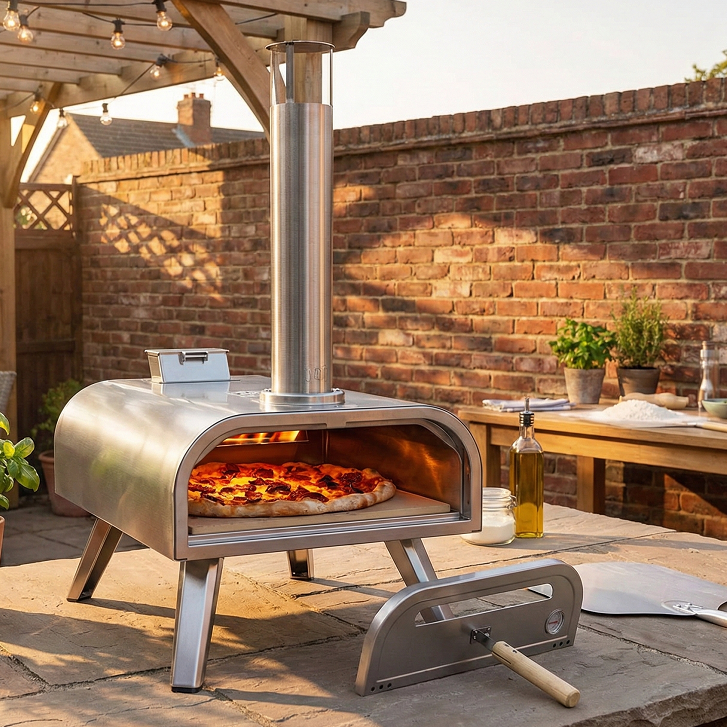
Watching your perfect pizza stick to the peel and refuse to budge ruins outdoor pizza night. The launch turned out to be a mess, even though you warmed up the oven, prepped the dough, and carefully added the toppings. A lot of people have trouble with their pizza sticking to the pizza paddle. This is something that almost every home cook faces at some point. But don't be concerned—it's easier than you think to get the pizza off the peel. Let's get your technique right so that every time, your pizza slides easily into the oven.
Knowing why it sticks helps you prevent it. Usually, friction is the enemy, and moisture, heat, and time make it worse.
High-hydration dough creates a light, airy crust, but it is naturally sticky. The wet surface acts like a suction cup on the paddle. If you don't create a dry barrier between the dough and the peel, they will bond instantly.
Even if you dust your peel, time is working against you. Raw dough acts like a sponge. If you wait too long, the dough absorbs the dry flour on the paddle, turning your non-stick layer into glue.
Your gear matters. Wood peels absorb some moisture, which reduces sticking. Metal peels, however, are very smooth. If wet dough touches the metal directly, it creates a vacuum seal that is hard to break.
The most common advice for how to stop pizza from sticking to the pizza paddle is to use more flour. But the type of flour matters. Ordinary all-purpose flour is often part of the problem.
All-purpose flour is very fine. It soaks up water quickly when it touches wet dough. In a hot outdoor oven, loose flour on the bottom of your pizza also burns fast, leaving a bitter taste on your crust.

For professional results, swap to semolina flour or a mix. Semolina comes from durum wheat and is much coarser.
Newbies often make the mistake of using the paddle like a cutting board. A big risk of sticking is created when the dough is stretched and topped directly on the peel.
With every moment that your dough stays on the peel, gravity pulls it down. The weight of the sauce, cheese, and dough pushes everything together. The dough will start to stick if you take five minutes to add toppings.
Keep your peel clean until the last second.
To transfer, lightly dust your peel with semolina. Lift one edge of the pizza and slide the peel under it with a quick, confident motion.

Never launch a pizza without checking it first. If you try to slide a stuck pizza, the toppings will fly into the oven while the dough stays in your hand. We call the safety check the "Shimmy Test."
Once your pizza is on the peel and you are approaching the oven:
Make this test a habit. It is the best way to prevent a disaster inside your hot oven.
Confidence is a key ingredient. If you move slowly, the dough has time to grab the metal.
If you build your pizza on the counter, scoop it up fast.
When putting the pizza into the oven, use a "slide and pull" motion.
Time is your enemy, especially with outdoor pizza ovens.
Warm dough is stickier than cold dough. If your kitchen is hot, or if you let a topped pizza sit while waiting for the oven, the sauce will soak into the dough. This causes the gluten to relax and grip the paddle.
Avoid prepping multiple pizzas at once.
Metal peels get hot after retrieving a cooked pizza. If you put raw dough on hot metal, it sweats and sticks immediately. Let your peel cool down, or use a wooden peel for launching and a metal one for retrieving.
Even pros get a stuck pizza occasionally. Maybe you got distracted, and now the dough is stuck. Don't panic. Here is how to save it.
If just one spot sticks:
If the bond is strong, grab a piece of unflavored dental floss.
If the dough tears or is hopelessly stuck, fold it over. Pinch the edges to seal the toppings inside. It is better to bake a calzone intentionally than to clean burnt cheese off your oven floor later.

Mastering the art of a clean pizza launch takes practice, but it transforms your cooking experience. By using semolina, building on the counter, and moving with confidence, you can solve the problem for good. Remember to always perform the shimmy test and keep your peel cool.
Ready to upgrade your outdoor cooking setup? Big Horn Outdoors® offers premium pizza ovens and accessories designed for the backyard chef. Whether you want the smoky flavor of a wood pellet oven or the convenience of gas, Big Horn Outdoors® helps you achieve the perfect bake. Visit our shop today to find the right companion for your patio.
 Big Horn Outdoors® Expands Retail Presence with New Experience at Piedmont Outfitters
Big Horn Outdoors® is excited to announce a new retail destination for outdoor cooking enthusiasts. Customers can now experience the brand's popula...
Big Horn Outdoors® Expands Retail Presence with New Experience at Piedmont Outfitters
Big Horn Outdoors® is excited to announce a new retail destination for outdoor cooking enthusiasts. Customers can now experience the brand's popula...
 As Seen on NBC Daytime: Big Horn Outdoors® Pizza Oven and Infrared Steak Grill Featured on National Television
Featured on NBC Daytime, the 12-Inch Multi-Fuel Pizza Oven and 16-Inch Infrared Steak Grill demonstrate how Big Horn Outdoors® helps make high-qual...
As Seen on NBC Daytime: Big Horn Outdoors® Pizza Oven and Infrared Steak Grill Featured on National Television
Featured on NBC Daytime, the 12-Inch Multi-Fuel Pizza Oven and 16-Inch Infrared Steak Grill demonstrate how Big Horn Outdoors® helps make high-qual...
 How to Make a Smash Burger on an Infrared Grill
Standard grills ruin beef by losing flavor. Use a cast iron plate on an infrared grill to lock in moisture and make the perfect smash burger crispy...
How to Make a Smash Burger on an Infrared Grill
Standard grills ruin beef by losing flavor. Use a cast iron plate on an infrared grill to lock in moisture and make the perfect smash burger crispy...