Pizza Ovens
How to Make True Pizzeria-Style Neapolitan Pizza at Home
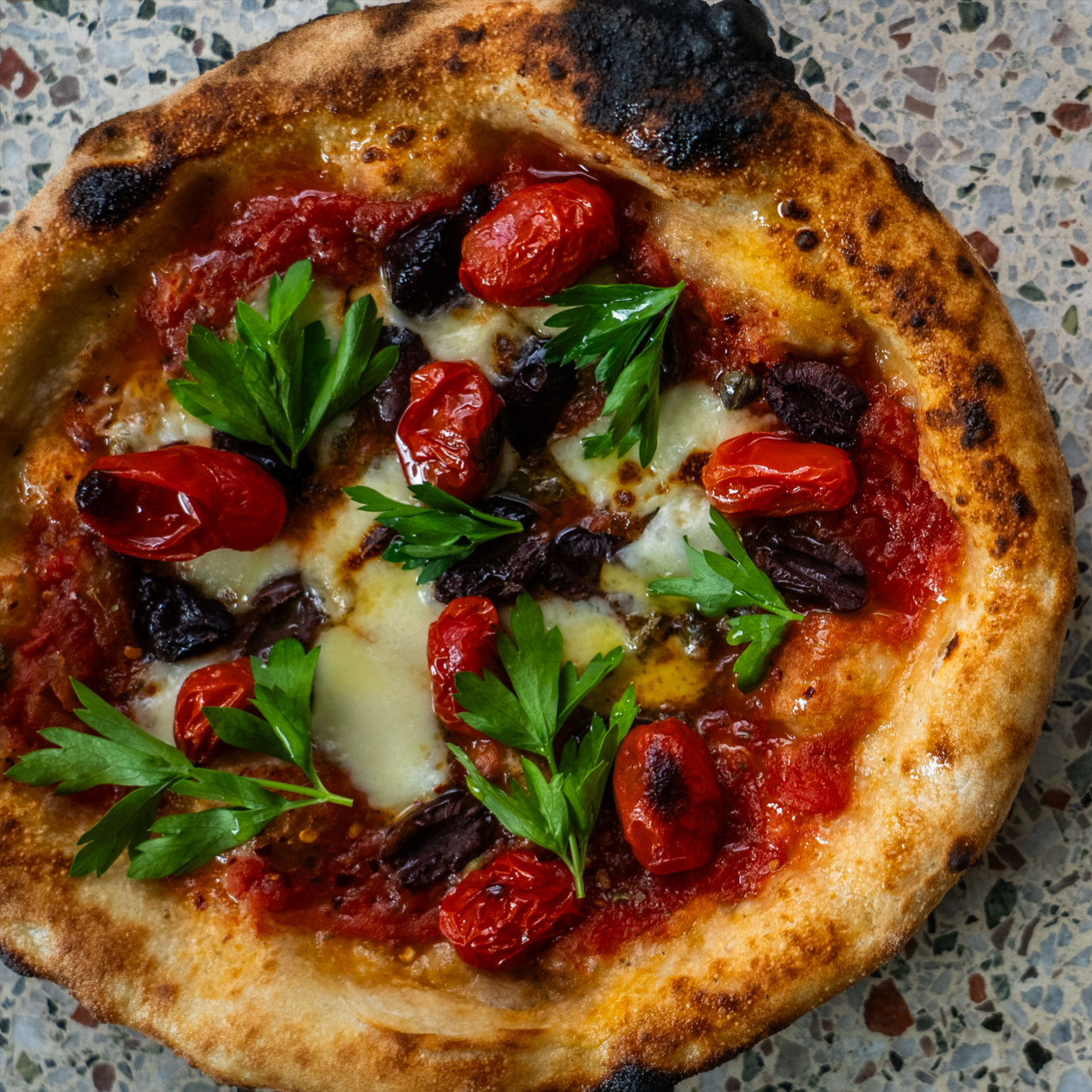
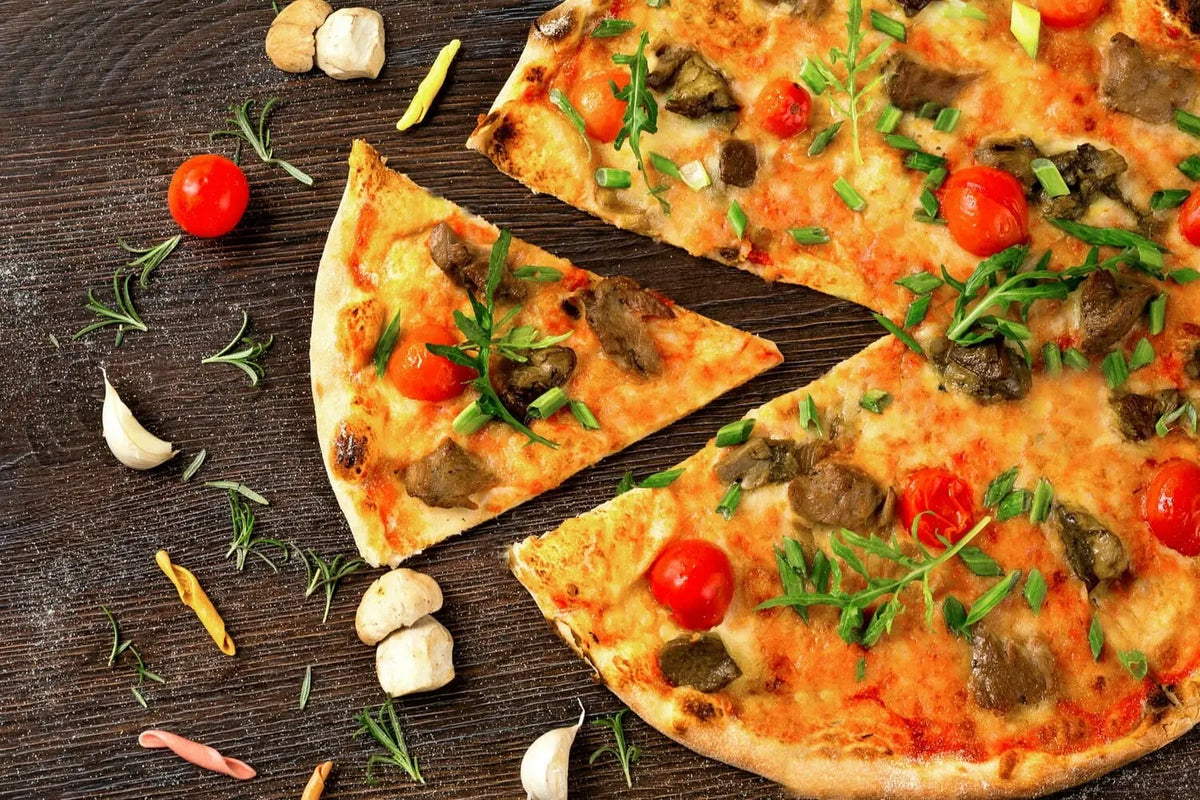
Everyone loves pizza, but Neapolitan pizza is a true classic. It comes from the lively streets of Naples, Italy. Its magic is simple: just a few great ingredients and a super hot oven. This creates a pizza that’s soft and thin in the middle, with a big, puffy crust that has beautiful charred spots. That famous crust is called the cornicione.
Making this pizza is a chance to be part of a tradition. Making real Neapolitan pizza at home is a fun project that connects you to the heart of Italian cooking. Forget the thick, heavy pizzas you might be used to. We’re going to make a masterpiece with a chewy, airy crust and signature "leopard spots," which show it was baked perfectly. Ready to learn the secrets of Naples' pizza makers (pizzaioli)? Here we go.
To really get Neapolitan pizza, you need to know its story. People have been eating flatbreads for thousands of years, but the pizza we know today started in Naples, Italy, back in the 1700s. At the time, it was known as cucina povera, or "food for the poor." It was a cheap, fast, and tasty meal sold on the street to workers. The first pizzeria, Antica Pizzeria Port’Alba, opened in Naples in 1738, making the city the official home of pizza.
The big change came when tomatoes were introduced. Brought to Europe from Peru in the 1500s, wealthy people at first thought they were poisonous. But the people of Naples weren't so picky and started putting them on their flatbreads, starting a food revolution.
Pizza’s status changed forever in 1889. As the story goes, a pizza maker named Raffaele Esposito was asked to make a pizza for Queen Margherita of Savoy, who was visiting. To honor her and the Italian flag, he used toppings in the flag's colors: red from tomatoes, white from fresh mozzarella, and green from basil. The Queen loved it, and "Pizza Margherita" was born. Just like that, pizza went from a simple street food to a dish fit for a queen.
Today, this tradition is so important that it’s protected by law. The European Union calls it a Traditional Specialty Guaranteed (TSG) product, and UNESCO recognizes the art of the Neapolitan pizza maker as an "Intangible Cultural Heritage of Humanity." This history sets a high bar for what makes a Neapolitan pizza authentic—a standard you can reach at home if you use the right ingredients and methods.

The beauty of Neapolitan pizza is its simplicity. An official group, the Associazione Verace Pizza Napoletana (AVPN), sets strict rules to keep the tradition alive. It all starts with a few perfect ingredients.
A true Neapolitan dough has only four ingredients: flour, water, salt, and yeast. There is no sugar or oil in the dough. The magic comes from the quality of these ingredients and how they’re mixed.
For the perfect base, follow our Big Horn® Signature Pizza Dough Recipe, which is designed to give you the right texture and taste for cooking at high heat.
Neapolitan pizza is all about keeping it simple. The toppings should highlight the amazing crust, not cover it up.
Using these specific ingredients teaches an important lesson from Neapolitan pizza: great quality doesn't need to be complicated.
With your ingredients ready, it's time to work with your hands like a real Neapolitan pizzaiolo.
For this recipe, use our classic pizza dough. The secret to a great crust is letting the dough rise slowly—the AVPN recommends at least 8 hours. This gives the yeast time to work, developing deep flavors and creating the air pockets that will puff up into a beautiful crust.
Don't use a blender or a store-bought sauce. The real method is much simpler and keeps the tomatoes tasting bright and fresh. Just pour a can of whole San Marzano tomatoes into a bowl and crush them with your hands. Squeeze them until you have a rustic, chunky sauce. Mix in a pinch of sea salt, and you're done. No cooking needed.
This is where your technique is important.
Learning to stretch the dough by hand is practicing the true craft of a pizza maker. This skill makes a good homemade pizza great and prepares it for the final, most important step: the bake.

You can have the best ingredients and the best technique, but you can't make a true Neapolitan pizza without extreme heat. The secret to its special texture and flavor is a blazing hot oven that cooks the pizza in seconds, not minutes.
That beautiful brown color, the toasty smell, and the rich flavor of a perfect crust all come from a chemical process called the Maillard reaction. It happens when the proteins and sugars in the dough are heated to high temperatures. It starts around 300°F but works much faster at the very high temperatures you find in a pizza oven.
This intense heat does two things. First, it makes the air and water in the dough expand very quickly, causing the crust to puff up dramatically. Second, it cooks the pizza in 60 to 90 seconds. This quick bake is key—it chars the crust with "leopard spots" while keeping the inside soft and tender, which is exactly what you want in a Neapolitan pizza.
Here’s the bottom line: a regular home oven just can't get hot enough. Most top out around 500°F, which is far below what's needed. This lower temperature leads to a very different pizza:
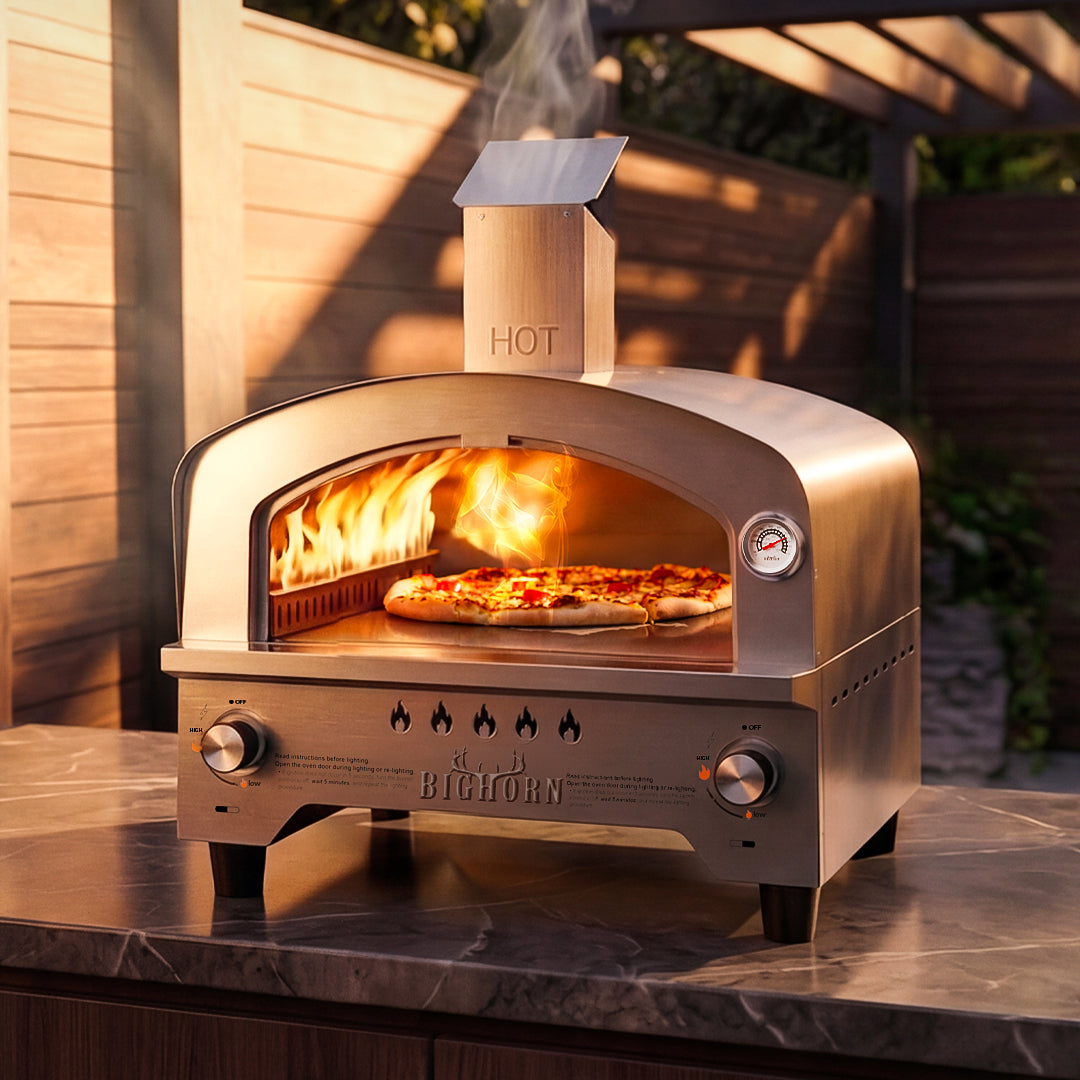
To make a truly great Neapolitan pizza, you need the right tool. A professional-style pizza oven is the key.
The difference is huge.
| Feature | Big Horn® Pizza Oven | Standard Home Oven |
| Max Temperature | ~900°F | ~500°F |
| Cooking Time | 60-90 Seconds | 5-8+ Minutes |
| Crust Result | Puffy, airy crust with "leopard spots" | Denser, cracker-like, evenly brown |
| Texture | Soft, foldable center with a chewy crust | Drier, often brittle base |
| Flavor Profile | Rich, smoky, and toasted flavors | Simpler, baked-bread flavor |

Once the crust is perfectly puffed and spotted, use your peel to take the pizza out of the oven. The final touches are just as important as the first.
Move the pizza to a cutting board. Right away, add a few more fresh basil leaves—the heat will release their amazing smell. Finish with a good drizzle of extra virgin olive oil. Traditionally, Neapolitan pizza is sliced and served immediately, so you can enjoy it while it's hot and perfect.

As you practice, keep these key tips in mind:
Making real Neapolitan pizza is a fun and rewarding experience. This is a craft with a long history, clear rules, and one big secret: very high heat. You've learned the ingredients are simple, but the key to making them amazing is the 900°F heat that a regular kitchen oven can't deliver. The intense, quick bake turns simple dough into something special.
You know the history, the techniques, and the science. The time has come to use the right tool for the job. See the full range of Big Horn Outdoors® pizza ovens and start making pizzeria-style Neapolitan pizza that would make Naples proud.

 Big Horn Outdoors® Expands Retail Presence with New Experience at Piedmont Outfitters
Big Horn Outdoors® is excited to announce a new retail destination for outdoor cooking enthusiasts. Customers can now experience the brand's popula...
Big Horn Outdoors® Expands Retail Presence with New Experience at Piedmont Outfitters
Big Horn Outdoors® is excited to announce a new retail destination for outdoor cooking enthusiasts. Customers can now experience the brand's popula...