Why is that thick, airy Sicilian pizza crust so hard to replicate at home? The answer may has less to do with toppings or special imported ingredients. It comes down to two things most home cooks overlook: how the dough is fermented and how much oil actually goes into the pan. Get those two details right, and everything about that famous crispy, golden-bottomed crust starts to make complete sense.
Related product: Shop 12-inch Wood Pellet Pizza Oven.
What Makes Sicilian Pizza Different from Other Pizza Styles?
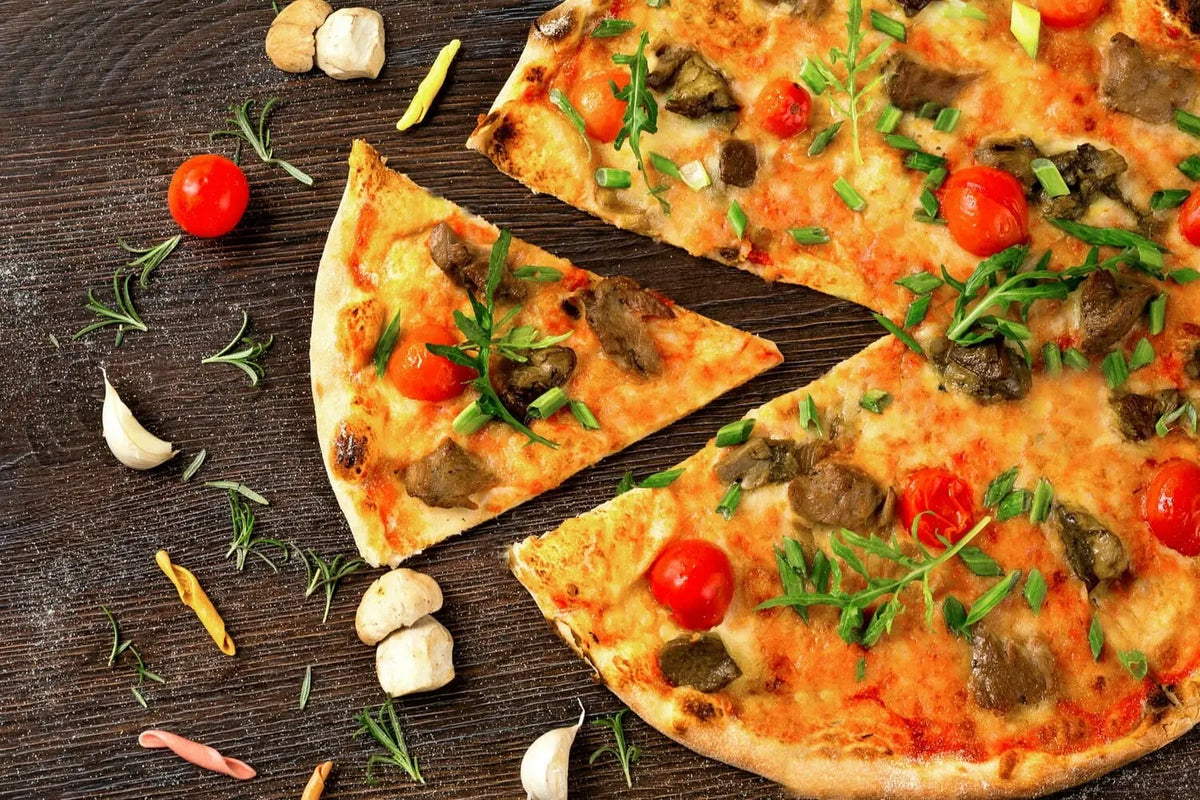
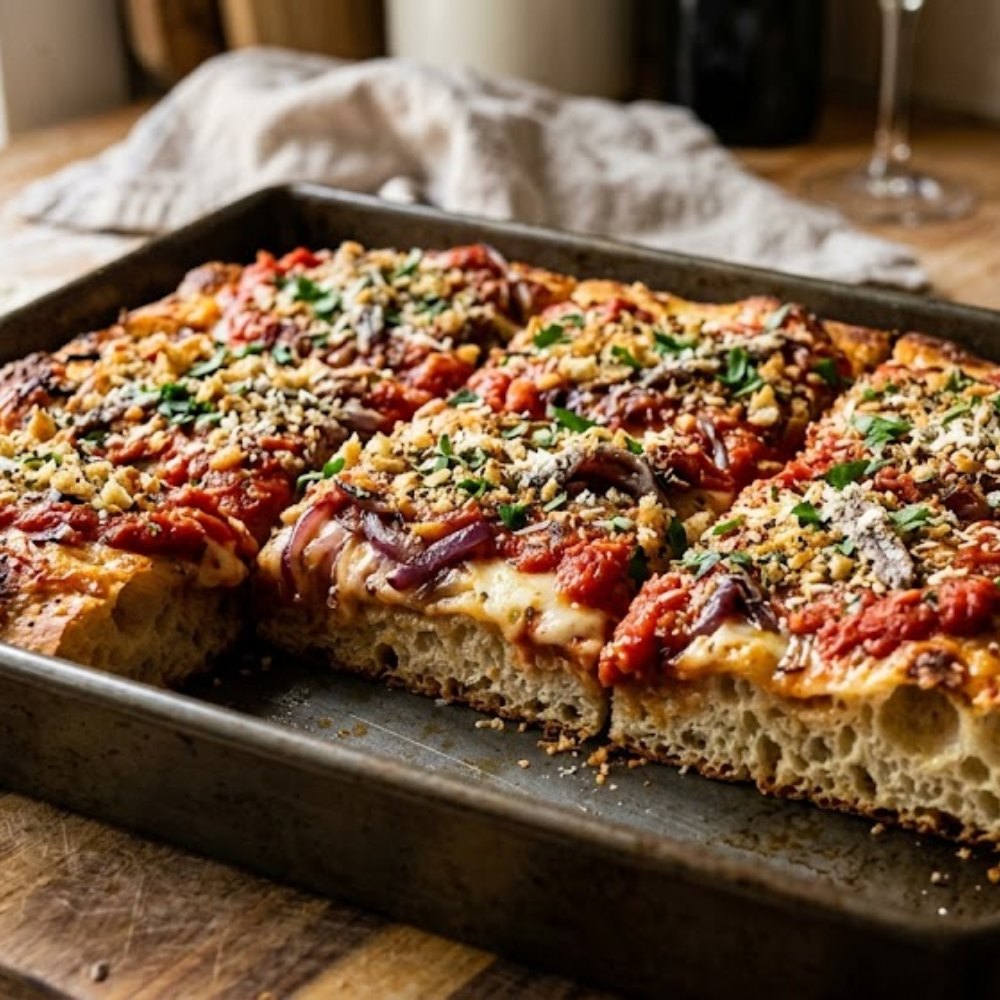
Sicilian pizza is thick, rectangular, and pan-baked. Its crumb is soft and open, and its bottom is deeply golden from sitting in pooled oil throughout the bake. No hand-tossed or deck-fired pizza produces that combination.
The original form is called sfincione pizza, and it comes from Palermo, Sicily. Sfincione is topped with crushed tomatoes, anchovies, white onions, seasoned breadcrumbs, and caciocavallo cheese. It has always been closer to a thick, flavored bread than to the American pizza concept, and was historically sold as street food across the Sicilian capital.
Sicilian pizza vs New York pizza is not a close comparison. Here is where they stand side by side:
| Sicilian Pizza | New York Pizza | |
| Shape | Rectangular | Round |
| Crust thickness | Thick, open crumb | Thin, chewy |
| Baking surface | Oiled sheet pan | Flat deck or stone |
| Cut style | Squares | Triangular slices |
| Bottom texture | Crispy, pan-fried | Firm, lightly charred |
What Americans call sheet pan pizza is often labeled Sicilian-style in pizzerias, though the quality varies widely. The authentic version requires specific dough hydration, a two-stage proofing process, and a precise amount of fat in the pan. A light spray of cooking oil is not enough.
The Secret to That Thick, Airy, Focaccia-Like Crust
The Sicilian pizza dough recipe starts with high hydration: typically 60 to 70 percent water to flour by weight. That much water creates more air pockets during fermentation, which is why a properly made Sicilian crumb looks and feels almost identical to a focaccia-style pizza crust.
Use bread flour, or all-purpose flour with a protein content above 11 percent. High-protein flour builds stronger gluten networks that trap the carbon dioxide produced by yeast. Without that structure, the dough collapses during baking and produces a dense, flat slab instead of the open, irregular crumb you are after.
The real difference-maker is the double proof. Skipping either stage directly flattens the result.
Step 1: First Proof (Bulk Fermentation)
After mixing, rest the dough at room temperature for 1 to 2 hours, then refrigerate it overnight for 12 to 24 hours. Cold fermentation slows yeast activity while allowing enzymes to convert complex starches into simpler sugars. The payoff is deeper flavor and a relaxed, easy-to-stretch dough the next day.
Step 2: Second Proof (Pan Proof)

Press the dough into the oiled pan, then let it proof again at room temperature for 2 to 4 hours. This is the step most home cooks skip because the dough already looks large after the overnight rest. It is not optional. The second proof lets the dough relax fully into the pan, finish its rise, and build the bubbly open structure that defines Sicilian pizza.
Total time from mixing to baking: minimum 18 hours. Patience is the actual technique here.
One more thing worth knowing: do not punch the dough down after the first proof. Fold it gently two or three times, transfer it to the pan, and dimple it outward with your fingertips. Punching destroys the gas structure built up over those long cold hours.
Why You Need a Well-Oiled Pan — and How Much Is Enough
This is where most homemade Sicilian pizza falls apart, and most recipes barely address it.
A recipe says "grease the pan," and the home cook reaches for a spray can of cooking oil. That produces a non-stick surface. It does not produce crispy Sicilian pizza bottom.
The right amount: 3 to 4 tablespoons of olive oil for a standard 9x13-inch pan.
Poured in, the oil should pool visibly across the bottom and creep up the sides. When you press the dough into the pan, the edges should sit in oil, not on a lightly coated surface.
That oil is doing three jobs at once:
- Fries the crust.
The oil beneath the dough literally fries the bottom as it bakes, producing the deep golden, slightly crunchy base that dry-pan baking cannot replicate.
- Prevents sticking.
High-hydration dough is extremely tacky. Generous oil is the only reliable barrier between the dough and the metal.
- Conducts heat.
Oil transfers heat from the pan into the dough more efficiently than a dry metal surface, accelerating bottom browning.
Pan selection matters just as much.
Use a dark-colored steel or aluminum pan with at least 2-inch sides. Dark pans absorb radiant heat faster than light-colored or glass pans, and that heat transfers directly into the oil below the crust. The bottom color and crunch difference between a dark steel pan and a glass casserole dish is substantial.
For oil type: extra virgin olive oil is the traditional choice and adds flavor. A neutral vegetable oil works well for a cleaner taste. Avoid butter on its own since it scorches before the crust fully bakes through.
Layering Toppings the Traditional Way (Sauce on Top!)

Here is the detail that surprises most people the first time they learn authentic Sicilian pizza: the sauce goes on after the cheese.
The classic sfincione layering order:
| Layer | What Goes On |
| 1st | Dough (in the oiled pan) |
| 2nd | Drizzle of olive oil |
| 3rd | Cheese (mozzarella or caciocavallo) |
| 4th | Tomato sauce |
| 5th | Seasoned breadcrumbs |
The tomato sauce sits exposed on the surface, where it concentrates and caramelizes during baking. The cheese underneath stays soft and melty rather than browning and pulling apart. That sequence is not an accident. It is a structure built around how heat moves through a thick slab of dough.
The Americanized version typically reverses the first layers: sauce first, then cheese. This approach works, but it produces noticeably more surface moisture and a slightly different crust texture.
For the Palermo-style original, add anchovies, thinly sliced white onions, and a generous layer of seasoned breadcrumbs. The breadcrumbs absorb excess moisture from the raw tomatoes and form a light, textured surface crust during baking.
Traditional sfincione toppings at a glance:
- Crushed or whole peeled tomatoes
- Thinly sliced white onions
- Anchovy fillets
- Caciocavallo or pecorino cheese
- Breadcrumbs toasted in olive oil with garlic and oregano
Remember to keep toppings thin. Thick dough needs heat penetrating from both above and below. A heavy topping layer insulates the surface and slows down browning. Keep the total topping depth under half an inch.
Baking to Perfection: Oven, Pizza Oven, or Sheet Pan?
Target temperature: 500°F to 550°F (260°C to 290°C).
Most standard home ovens reach 500°F, which is workable. Lower temperatures extend bake time and reduce the contrast between a crispy bottom and a soft, airy interior.
In a Standard Home Oven
Preheat for at least 45 minutes with the rack in the lower-third position. Place the pan on the oven floor or the lowest rack slot to drive maximum heat into the bottom. Bake for 20 to 25 minutes until the top is golden and the edges pull cleanly from the pan walls.
In an Outdoor Pizza Oven
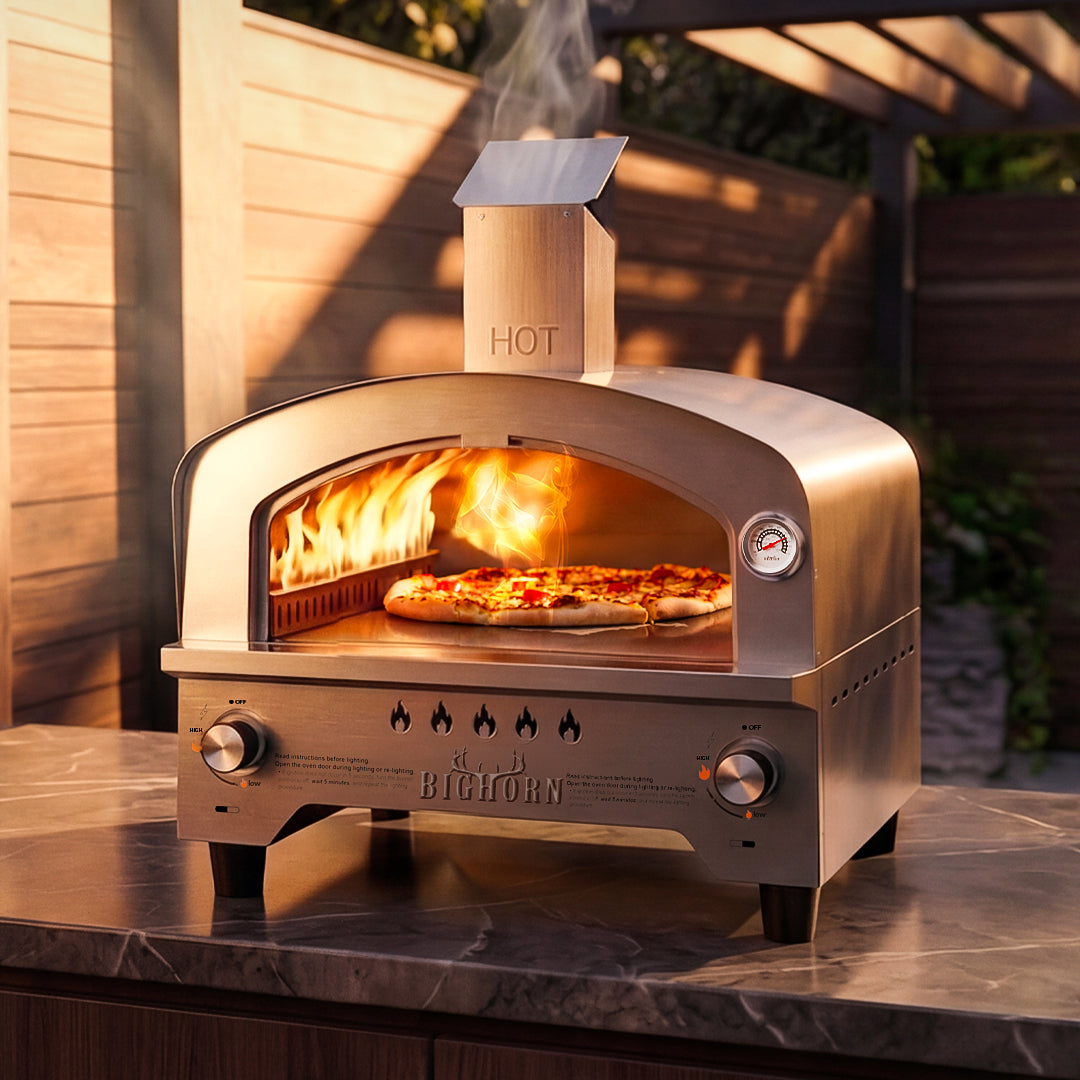
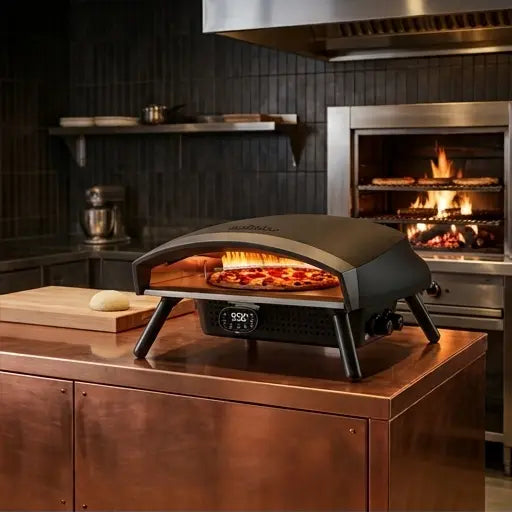
A wood-fired or pellet-powered outdoor pizza oven can reach 700°F to 900°F — the right range for thin-crust Neapolitan baking. For Sicilian pizza, pull back from those extremes:
- Hold the oven at 500°F to 550°F inside the baking chamber.
- Place the sheet pan on a raised platform or a stone positioned away from direct flame.
- Rotate the pan every 5 to 7 minutes for even heat distribution.
The real advantage of an outdoor pizza oven for Sicilian pizza is the radiant overhead heat. The dome browns and caramelizes the sauce and toppings far faster than a conventional oven's weak top element, while the deck or stone underneath drives intense heat into the oil-filled pan base. The result is faster surface caramelization and a crispier bottom at the same time.
The best pizza oven for thick crust baking is not the one with the highest maximum temperature. It is the one that gives reliable temperature control in the 500°F range. A pellet oven or multi-fuel oven lets you moderate the flame and hold steady heat without scorching the cheese before the interior cooks through.
Serving Your Homemade Sicilian Masterpiece
Rest first. Let the pizza sit in the pan for 5 minutes after pulling it from the oven. The crust firms slightly during that rest, making it much easier to lift clean slices. Run a thin spatula along the pan edges first to release any spots where cheese has fused to the sides.
Cut into squares. Use a sharp chef's knife or a pizza rocker blade. A rolling wheel cutter drags toppings and compresses the crumb instead of slicing through it cleanly.
How to slice Sicilian pizza: Cut a set of parallel lines across the length of the pan, then a second set across the width. Sicilian pizza squares are traditionally 3 to 4 inches per side, giving each piece a balanced crust-to-topping ratio and enough structure to hold up in one hand.
Rest slices on a wire rack, not a flat plate, if you plan to hold them for more than a few minutes. The rack keeps airflow moving under the crust and prevents the bottom from getting soggy.
Bake Perfect Sicilian Pizza Outdoors
Sicilian pizza rewards patience more than skill. The double proof, the generous oil, the inverted topping order: each step solves a specific structural problem that most recipes gloss over. Follow the method and you will produce thick, golden, crispy-bottomed pizza that holds its own against any pizzeria slice.
Ready to take your pizza nights outdoors? Big Horn Outdoors® pellet and multi-fuel pizza ovens are built to hold the steady 500°F range that thick-crust Sicilian pizza demands, so every backyard bake delivers that same deep-golden bottom and caramelized top that makes this style worth the effort.
Frequently Asked Questions about Sicilian Pizza
Q1: Can I use store-bought dough to make Sicilian pizza?
You can, with one adjustment: store-bought dough is typically lower hydration and already fully proofed, so skip the overnight fermentation and go straight to the pan proof. Press it into a well-oiled 9x13-inch pan and let it rest for 1 to 2 hours before topping and baking. The crumb will be denser than a from-scratch version, but the oiled pan still produces a respectable crispy bottom.
Q2: What is the difference between Sicilian pizza and Detroit-style pizza?
Both are thick, rectangular, and pan-baked — but Detroit-style uses a deep, high-sided steel pan (originally automotive parts trays), which creates taller, more bread-like slices with caramelized cheese edges where the mozzarella meets the hot pan walls. Sicilian pizza sits in a shallower pan with oil rather than direct cheese-to-metal contact, giving it a flatter, more even crumb and a fried bottom rather than those signature lacy cheese crusts.
Q3: What is the best cheese substitute if I cannot find caciocavallo?
Low-moisture provolone is the closest match — it has the same semi-hard texture, mild tang, and clean melt. Aged mozzarella works as a second option. Avoid fresh buffalo mozzarella here; the excess moisture steams the surface instead of allowing it to caramelize, and it pools water into the tomato sauce layer.
Q4: How do you reheat Sicilian pizza without losing the crispy bottom?
Skip the microwave. Place cold slices directly into a dry skillet over medium heat, cover with a lid, and warm for 4 to 5 minutes. The pan re-fries the bottom while the trapped steam heats the interior and toppings from above. An oven set to 375°F on a wire rack works well too, but takes longer. The microwave turns the crust soft within 30 seconds and there is no recovering it after that.
Explore more in the Pizza Recipes & Styles.
More to Read
 Big Horn Outdoors® Expands Retail Presence with New Experience at Piedmont Outfitters
Big Horn Outdoors® is excited to announce a new retail destination for outdoor cooking enthusiasts. Customers can now experience the brand's popula...
Big Horn Outdoors® Expands Retail Presence with New Experience at Piedmont Outfitters
Big Horn Outdoors® is excited to announce a new retail destination for outdoor cooking enthusiasts. Customers can now experience the brand's popula...