







Document HOA fire feature rules before you buy a pit or chimenea, using the association's current documents and the live product listing. This is an approval-process guide, not a fuel comparison and not a legal memo. This article will not invent an HOA rule or a permit outcome.
What packets usually include
There is no universal official HOA packet, and this page will not invent one. Many associations ask for some mix of the current recorded rules or architectural guidelines, a description of the appliance, a photo or a listing link, a proposed location, and a fuel type. Some also ask for a site sketch, a neighbor notice, or proof of insurance. Read the documents you actually have, including any fire-feature, open-flame, or propane language, and use the association's own form if one exists.
If the documents are silent, ask the published contact in writing and keep a dated answer. Do not treat a neighbor's memory, a listing from another community, or a blog as a substitute. A pizza-oven HOA conversation already has a home at pizza oven rules for HOA and apartments; that page is about ovens and apartments. This page is about documenting a fire pit or chimenea before you buy.
Photos and fuel type notes
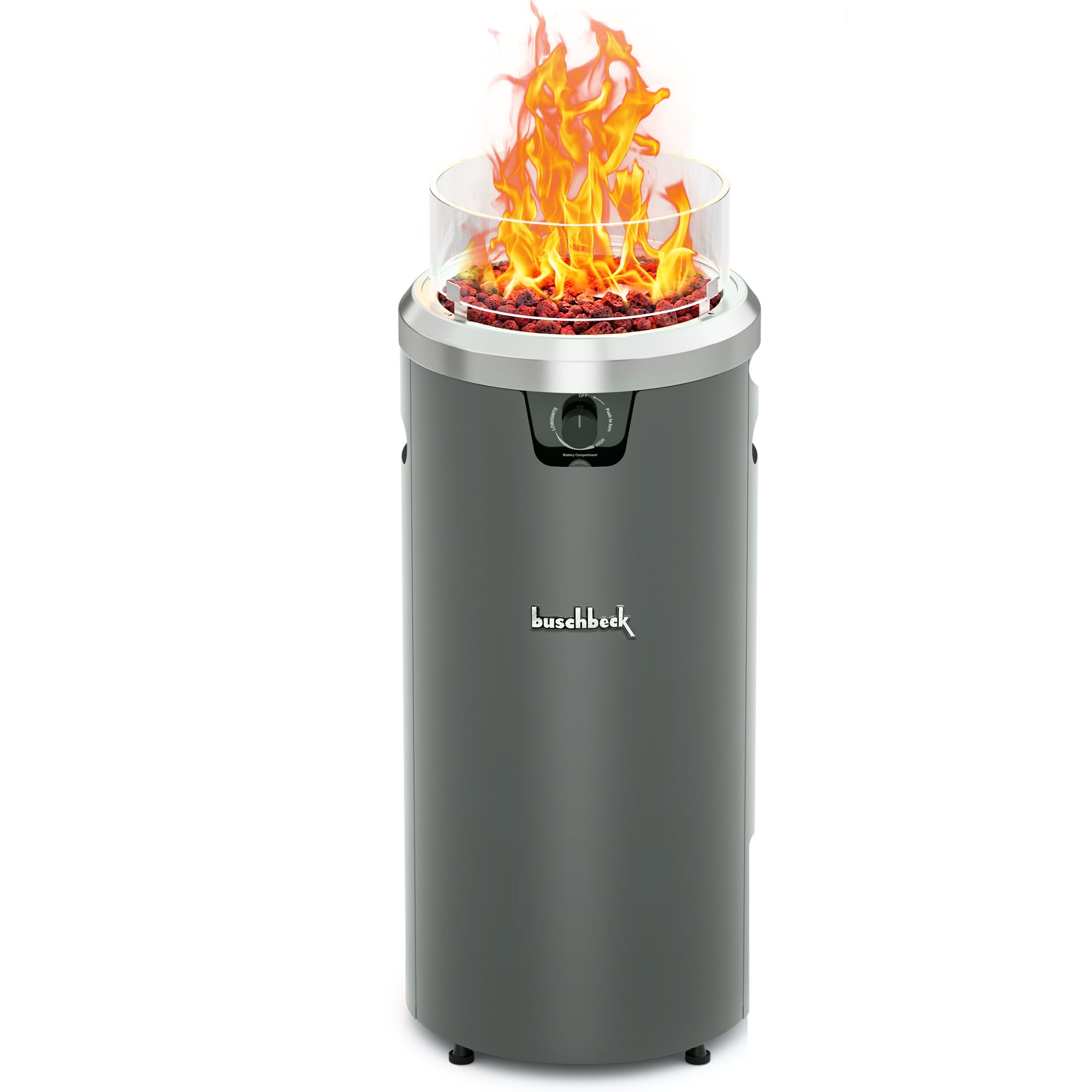
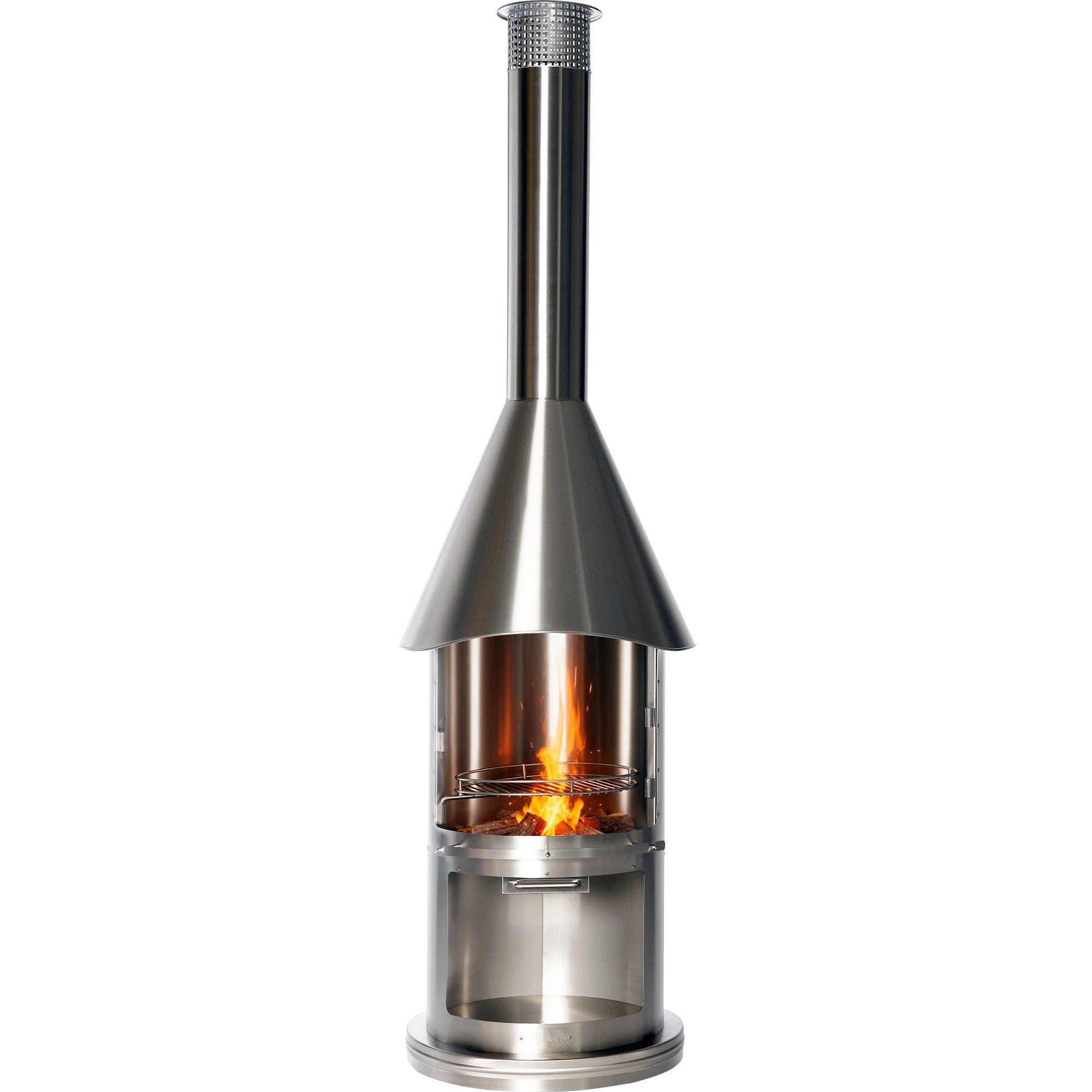
Use current photos from the live listing, plus the published dimensions and fuel type, so the reviewer is not guessing from a lifestyle image. The current 15-inch column round propane fire pit is a propane example; confirm published diameter, height, weight, and output notes on the live page before you put them in a packet. The current 90.6-inch-class twin-walled chimenea is a wood-burning example; confirm the height-class figure and wood-burning notes on that page. The current 32-inch corten steel fire pit with grill is a larger wood-burning pit path; confirm size and care notes rather than inventing a weight.
Write the fuel in plain language: propane in a listed cylinder path, or wood in an appliance approved for wood, not "a small decorative fire" if the listing is clearly a fire pit. Include clearance habits from the manual, and say where the cylinder or the wood will sit. Do not invent a setback that the association or the fire code has not stated.
Neighbor courtesy
Courtesy is not a vote, but it can prevent a surprise objection. Tell adjacent neighbors what you hope to install, where it will sit, and when you would typically use it. Smoke, spark, and evening noise are the usual concerns. A wood appliance will usually need a more honest smoke conversation than a propane column. This still does not replace the official process, and a friendly neighbor cannot waive a written rule.
Propane vs wood framing
Frame the appliance by fuel because reviewers often think in fuel, not in product nicknames. Propane questions usually involve cylinder storage, a listed appliance, and a smaller spark story. Wood questions usually involve smoke, sparks, ash, and whether open wood burning is allowed at all. That framing is for the packet, not a medal for one fuel. A dedicated fuel comparison already lives at wood burning vs propane fire pit; use it after you know whether the community will consider either fuel. For propane placement and tank habits, keep propane fire pit safety, placement, and tank rules nearby rather than copying a storage rule from memory.
Local fire rules and manufacturer instructions still apply even if an HOA says yes. NFPA grilling safety, U.S. Fire Administration cooking-fire prevention, and Ready.gov home fire guidance are official fire-safety references, not a community permit. American Red Cross fire safety is useful preparedness context. EPA carbon monoxide information is the reason a combustion appliance stays fully outdoors, never in a garage or a closed porch. National Weather Service wind safety is the official wind-safety overview; a gust can carry sparks and smoke toward a neighbor's unit.
If denied, alternatives
If the request is denied, read the reason. A different fuel, a different location, a smaller listed appliance, or a no-fire plan such as a tabletop electric path (only where rules and the listing allow it) may be possible. This article will not invent an appeal deadline or a legal strategy. Ask whether a revised packet would be considered, and do not install first and apologize later.
The table below is a documentation check, not an HOA form and not a legal finding.
| Packet piece | What to confirm |
|---|---|
| Current HOA documents | The association's own fire-feature, open-flame, and fuel language, plus any form they provide |
| Appliance facts | Live listing photos, fuel type, and published dimensions, not a remembered measurement |
| Location and courtesy | A proposed pad, clearances from the manual, and an honest smoke or cylinder note |
| If the answer is no | The written reason, and whether a revised fuel or site would be reviewed; no invented appeal clock |
Keep copies of what you submitted and what you received. A dated email, a stamped form, or a portal screenshot is easier to find later than a hallway conversation. If the association approves a specific model, do not silently substitute a larger wood pit or a different fuel later and assume the approval still applies. Recheck the current listing if the model year or the page changes, and ask before you install a substitute.
A first HOA packet walk-through
Collect the current rules, open the live listing for the exact appliance you mean, and write a short description that matches that page. Add a photo, a proposed location, and the fuel. Submit through the official channel, and wait for the written answer before you buy if purchase is contingent on approval. If you already own the appliance, still ask before you install it on a patio the documents may restrict.
Key takeaways
- Read the current HOA documents and use the live product listing; this article will not invent a packet or a permit outcome.
- Describe fuel and dimensions as the current page states them, and keep combustion appliances outdoors.
- Use existing wood-versus-propane and propane-safety pages for fuel habits, not as a substitute for approval.
- If the request is denied, read the written reason rather than installing anyway.
Confirm the current 15-inch column round propane fire pit, 90.6-inch-class twin-walled chimenea, or 32-inch corten steel fire pit listing before you put dimensions or fuel language into a packet.
FAQ
What should I include in an HOA packet for a fire pit?
There is no universal official packet. Start with the association's current documents and form, then add the live listing, fuel type, published dimensions, a proposed location, and any photo the board asks for. This article will not invent a required form.
Should I tell the HOA whether the appliance is propane or wood?
Yes, in plain language that matches the live listing. Fuel is often how reviewers think about smoke, sparks, and cylinder storage. Use a dedicated fuel-comparison page for habits, not as a substitute for approval.
Can I install first and ask later if neighbors do not object?
No. A friendly neighbor cannot waive a written rule. Submit through the official channel and wait for a written answer if purchase or installation is contingent on approval.
What if the request is denied?
Read the written reason. A different fuel, site, or a smaller listed appliance might be reviewable. This article will not invent an appeal deadline or a legal strategy.
