






Outdoor fireplaces look permanent on Instagram and temporary on a credit-card statement. If you are asking how much does an outdoor fireplace cost, separate ready-made units from full masonry builds, then add install, fuel, and permit realities.
This guide frames ranges without inventing Big Horn list prices—check live product pages for current figures. Compare a concrete outdoor fireplace with grill, a corten fire pit, and a propane fire column as different rungs on the same ladder. Safety and siting still follow NFPA home fire safety themes and local code.
The cost ladder: fire pit, fireplace, built-in
Fire pits usually cost less upfront and move more easily. Freestanding outdoor fireplaces cost more than bowls because of mass, chimneys, and shipping weight. Full built-in masonry projects sit at the top with labor, footings, and finishes.
Think in systems: the appliance, the pad, the seating, and the fuel storage. A cheap bowl on a failing patio slab is not actually cheap.
Decide whether you want cooking grates, ambiance only, or both before you compare quotes.
What changes the price: material, size, install
Concrete, steel, stone veneer, and custom brick each price differently. Larger footprints raise freight and may need equipment to place.
Install can be DIY placement on a ready pad or a contractor visit for gas lines and footings. Gas work done wrong is not a bargain.
Accessories—covers, tools, screens—quietly add up. Budget a line for them early.
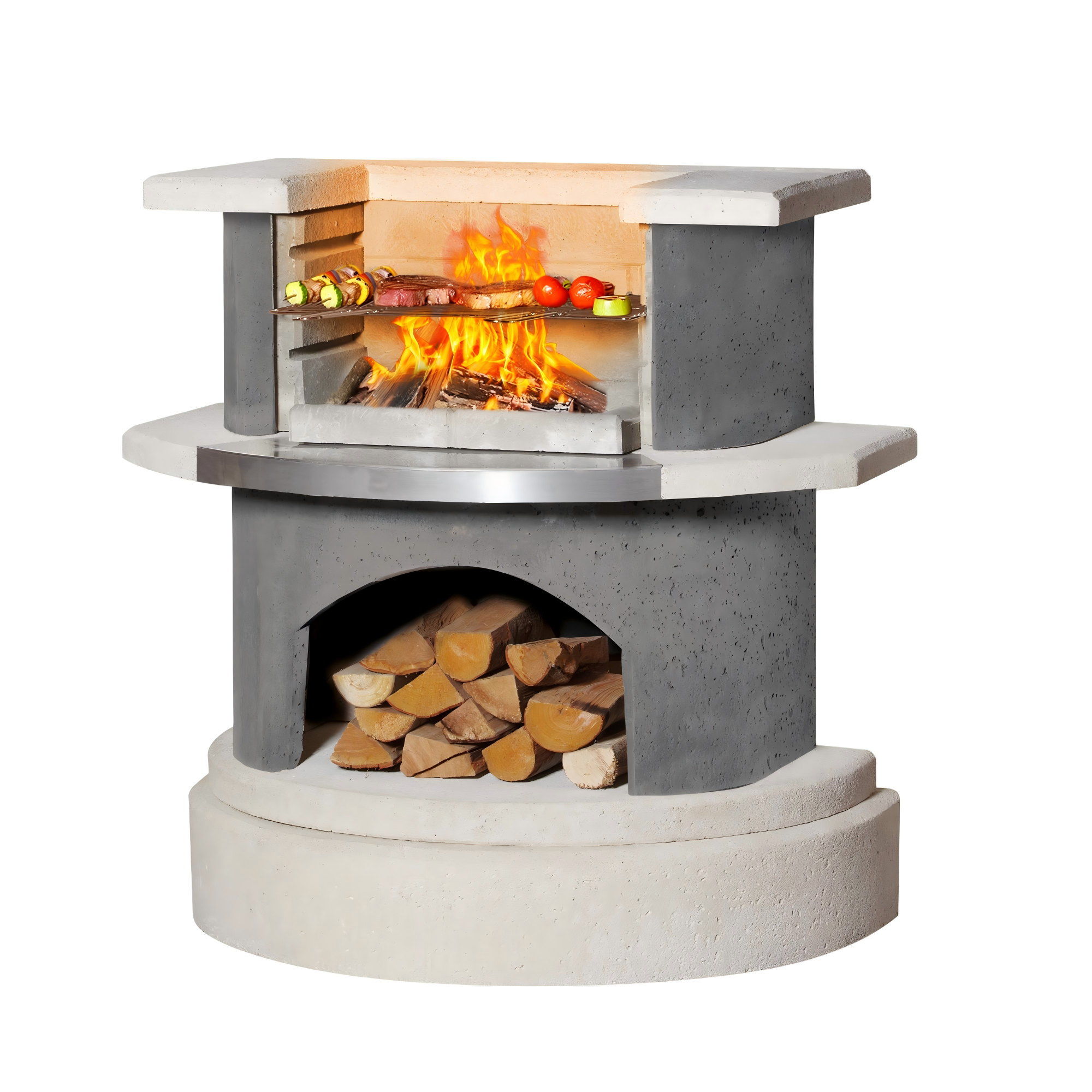
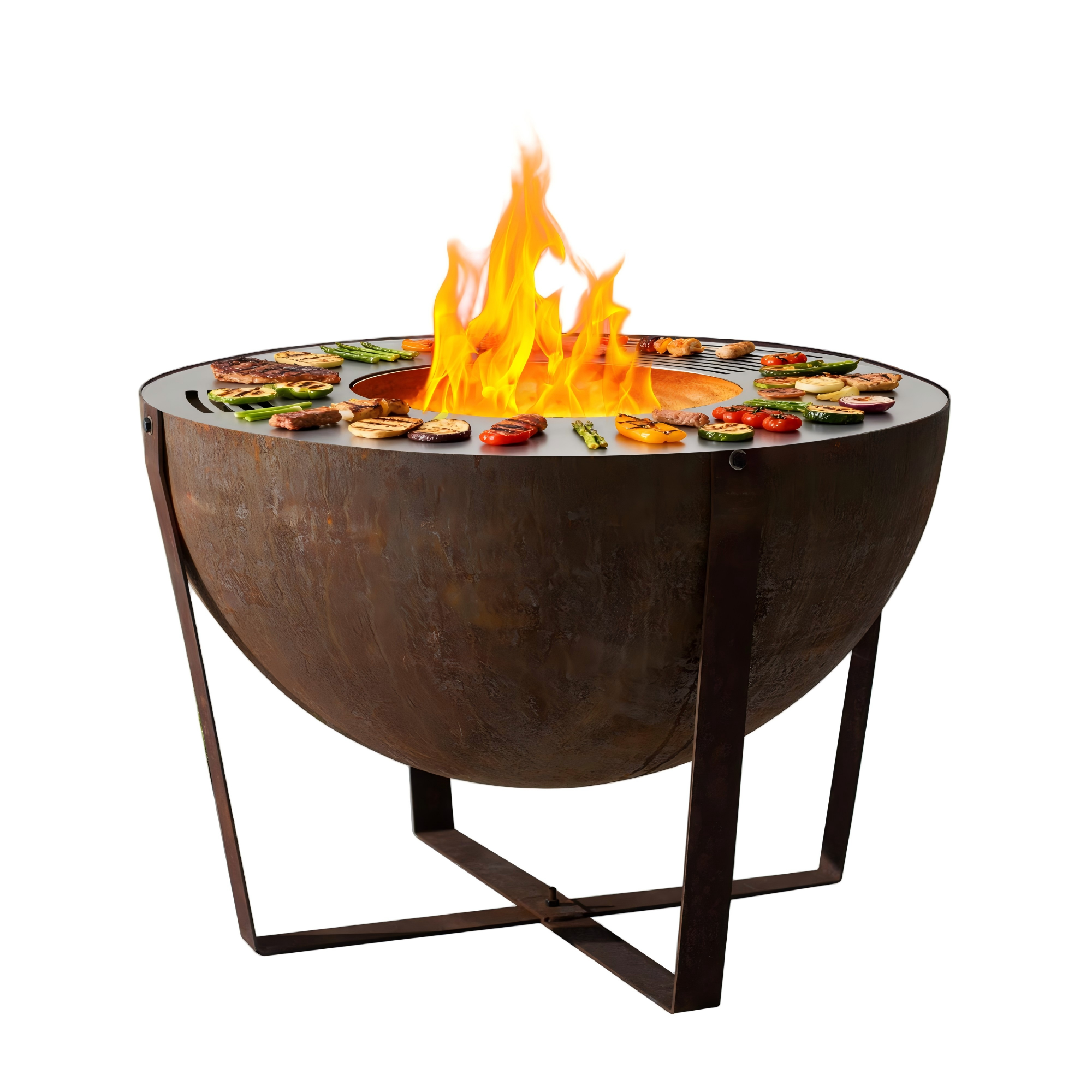
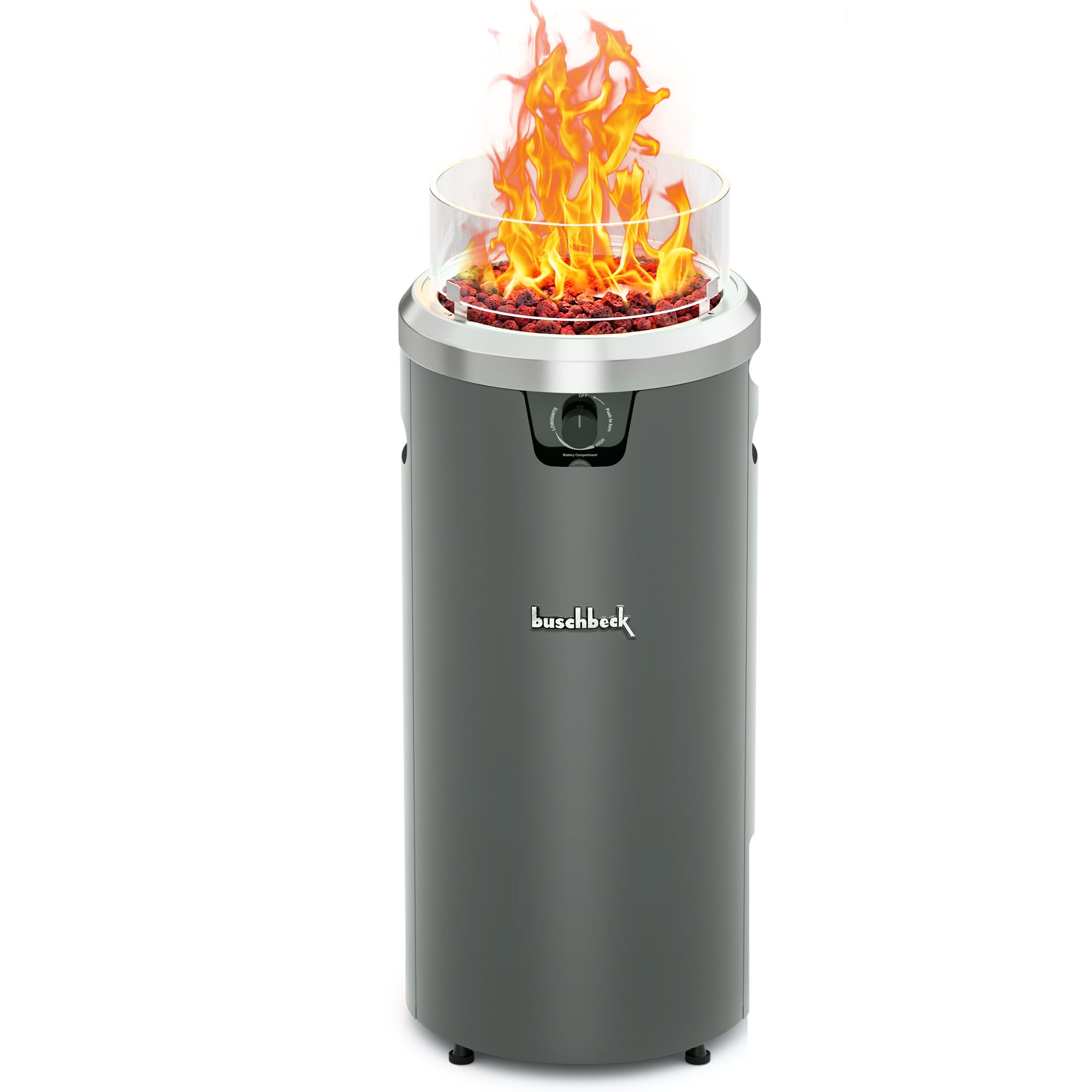
Ready-to-assemble vs masonry build
Ready-made units compress timeline: pad, place, enjoy. Masonry builds customize shape and match house brick—at the cost of design fees, inspections, and weather delays.
DIY masonry without skills becomes an expensive learning project. Be honest about tools and time.
If you move homes often, portable or freestanding wins over poured monuments.
Operating costs (wood, gas, maintenance)
Wood is priced by the bundle or cord and varies by region and season. Propane costs show up as tank refills; usage depends on how long you burn.
Maintenance includes covers, occasional rust care, and ash disposal time. Chimney-style units may need more soot awareness than open bowls.
Burn cleaner fuel when you can—EPA Burn Wise habits reduce neighbor friction that no price tag fixes.
Permits and clearance costs
Some jurisdictions require permits for permanent fireplaces or gas lines. Temporary decorative pits may still face burn bans.
Clearance failures force redesigns: moving a unit after the patio is poured costs real money. Measure twice.
Ask the fire marshal’s non-emergency line about permanent structures before you pour.
Value for use and resale
Value is nights used per year. An expensive fireplace you light weekly can beat a cheap pit you never assemble.
Resale help is uneven—some buyers love outdoor fire features; others see maintenance. Do not finance a build solely on imagined appraisal bumps.
Choose features you will host with, not features that only photograph well once.
Budget planner table
Use this planner as a worksheet; fill local quotes rather than treating the labels as fixed national prices.
| Line item | Fire pit path | Ready fireplace path | Built-in path |
|---|---|---|---|
| Appliance | Lower | Mid | Custom quote |
| Pad / footing | Simple pad | Sturdier pad | Engineered footing |
| Fuel setup | Wood storage | Wood or mixed | Gas line possible |
| Permits / labor | Often minimal | Placement help | Highest |
| Annual fuel | Variable | Variable | Variable |
Print it and scribble real numbers from local suppliers. The exercise prevents surprise freight fees.
Are outdoor electric fireplaces worth it?
They can be, when open flame is banned.
Electric units trade crackling wood for plug-in convenience and different heat output. Worth depends on whether you need ambiance, heat, or cooking—many electrics do not replace a grill fire.
Compare energy use and weather ratings before buying for uncovered patios.
Does an outdoor wood burning fireplace need a chimney?
Most true fireplace designs need a way to draft smoke upward.
Open bowls are not chimneys; fireplace products typically include a chimney or flue path. Follow the specific model design—blocking a flue to “keep rain out” while burning is dangerous.
Ask local code whether permanent chimneys trigger extra rules compared with portable pits.
Is it cheaper to build or buy a fire pit?
Buying a ready pit is usually cheaper in time and fewer tools.
DIY stone rings can look custom and still cost in materials, base prep, and mistakes. Factor delivery of rock and the risk of unstable walls. Ready steel or concrete units trade cash for predictability.
Cheapest is the option you complete safely and actually use.
When you request quotes, ask what is excluded: freight, placement equipment, gas hookup, and tax. Those lines turn a “simple” number into a project budget. Keep a contingency percentage for pad repairs you discover only after clearing furniture off the patio.
Photograph your space with a tape measure in the frame when you email sellers or contractors. Clear dimensions reduce back-and-forth and wrong shipments. If your patio sits on a rooftop terrace or balcony, involve building management before any heavy unit is craned or rolled in.
Finally, schedule the first burn on a calm evening with only household adults present. Learn the appliance before you host a crowd that wants s’mores in a windstorm. Confidence is part of value—and it does not show up on the receipt.
How to read quotes without getting surprised
Ask every contractor and retailer the same questions: does the number include freight, placement, tax, gas hookup, and pad work? If any answer is “not sure,” treat that line as missing money.
Request lead times in writing. A fireplace that arrives after your only vacation week has a real opportunity cost even if the sticker looked friendly.
Compare warranties on materials versus labor. A long material warranty with zero labor coverage still leaves you paying for someone to swap a cracked part.
Regional price swings you should expect
Freight to remote addresses, coastal moisture finishes, and freeze-line gas work all move numbers. Two households buying the “same” fireplace can land in different totals after delivery reality.
Wood prices spike around holidays in some regions. Propane refill availability on travel weekends matters if you chose gas convenience.
Local labor rates for masons vary widely; get two quotes before you assume built-in is impossible or inevitable.
Cooking features versus ambiance-only spending
If you want steaks or vegetables over fire, prioritize models with usable grates and manageable ash paths—like cooking-oriented fireplaces with grill or pits with grates. Pure ambiance columns shine when cooking is not the job.
Paying for a cooking feature you never use is how budgets bloat. Paying for ambiance only and then balancing a flimsy grate on top is how accidents happen.
Be honest in the store aisle: host pizza and steak elsewhere if the fireplace is really for marshmallows and conversation.
Build a simple three-year cost sketch: year-zero purchase and install, then annual fuel and covers. The sketch rarely needs spreadsheet perfection—it needs to stop magical thinking. If the three-year total makes you wince, step down a rung on the ladder instead of hoping usage will justify stretch financing.
Talk with neighbors before permanent masonry against a shared fence line. Social friction is a cost that never appears on invoices. A slightly smaller freestanding unit that keeps peace may deliver more nights of actual use.
When the unit arrives, inspect for shipping damage before the driver leaves. Document chips and dents with photos. Placement day is also the day to confirm clearances with a tape measure, not with “it looks about right.”
Keep receipts and manuals in a labeled folder or cloud album. Future you—or a buyer during resale—will want model numbers without a scavenger hunt through the shed.
If you are financing an outdoor fireplace project, include a contingency for electrical work if you add lighting or for drainage tweaks if meltwater pools against a new pad. Those details rarely feel glamorous, yet they protect the appliance you just bought. A dry, level site is part of the product experience.
Seasonality also affects labor availability. Book masons before peak patio season if you choose built-in work, and confirm whether winter installs are realistic in your climate. Ready-made freestanding units give you more flexibility to wait for a calm delivery week without losing an entire construction crew slot.
Keep comparing pad, freight, and fuel line items until the three-year sketch feels boringly complete. Boring budgets host more fires than optimistic ones.
For related references while you plan, see Smokey Bear fire safety; Ready.gov home fire guidance; CPSC fire-safety education; ICC code resources.
Conclusion
Price outdoor fireplaces as a system: unit, pad, fuel, permits, and nights you will actually host. Climb the ladder only as far as your site and habits support. Check live product pages for current ready-made pricing rather than trusting memory.
Compare ready-made options like the concrete outdoor fireplace, corten pit, and propane column at Big Horn Outdoors.
FAQ
Are outdoor electric fireplaces worth it?
They can be worthwhile when open flame is restricted and you mainly want ambiance or mild heat. They rarely replace wood cooking fires. Check weather ratings and energy use for your patio.
Can a fireplace be indoor and outdoor?
Some designs are built for indoor use, others for outdoor exposure—do not assume dual rating. Materials, venting, and clearances differ. Follow the model’s listed use and local code.
Does an outdoor wood burning fireplace need a chimney?
Fireplace-style units typically need a chimney or flue path to draft smoke. Open fire pits are a different category. Never block required vents while burning.
Is it cheaper to build or buy a fire pit?
Buying ready-made is usually cheaper in time and rework risk. DIY can save cash if you already have skills and materials access. Count base prep and safety, not only stone prices.
