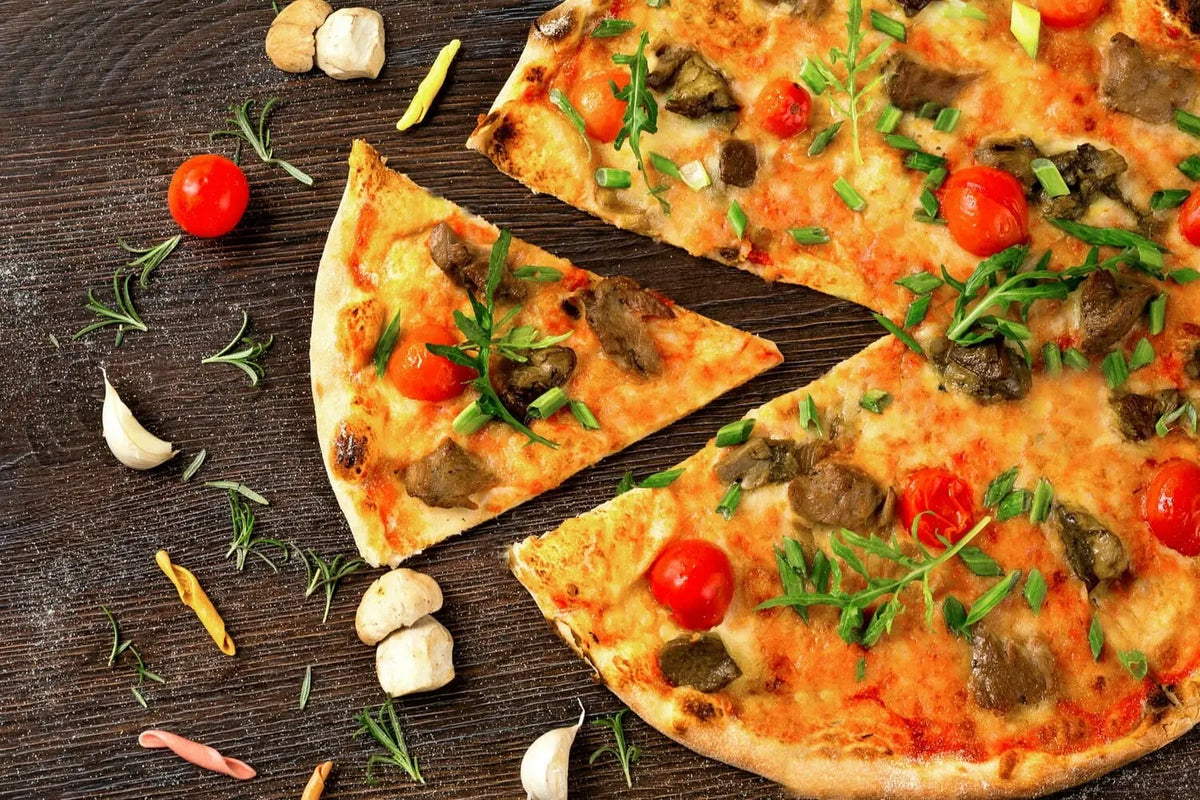
A rotating stone gas pizza oven is worth buying for cooks who want propane convenience and more even pizza browning with less manual turning. The rotating stone moves the pizza through the oven’s heat zones, which can simplify high-heat baking. It still requires proper preheating, balanced toppings, safe outdoor setup, and attention to the pizza while it cooks.
What Is a Rotating Stone Gas Pizza Oven?
A rotating stone gas pizza oven is an outdoor propane pizza oven with a stone that turns while food cooks. The movement helps distribute the pizza around hotter and cooler areas of the oven chamber, reducing the need to manually rotate the pie as often.
Most compact gas pizza ovens create their strongest heat near the burner, often at the rear or side of the cooking chamber. This design can produce fast, well-charred crusts, but it can also brown one edge faster than the rest of the pizza.
With a fixed pizza stone, the cook usually turns the pizza with a turning peel during the bake. A rotating stone changes that process by continuously moving the pizza through the heat pattern. The goal is more consistent browning across the crust, cheese, and toppings.
This oven style suits cooks who want the responsiveness of propane without managing a wood fire or pellet burn. It can be useful for family pizza nights, outdoor entertaining, and anyone learning how to work with very high cooking temperatures.
A rotating stone does not automatically correct every pizza problem. Dough that is too wet, unevenly stretched, overloaded with toppings, or launched off-center can still cook poorly.
How Does a Rotating Stone Improve Pizza Cooking?
A rotating stone can improve pizza cooking by limiting the time one side of the pizza stays in the oven’s hottest zone. It supports more even exposure to radiant heat and can reduce the frequency of manual turns during a fast bake.
The stone rotates the pizza gradually around the cooking chamber. As each section of the crust moves past the burner area, the heat is distributed more evenly around the outer edge. This can help reduce the risk of one section scorching while another remains pale.
The benefit is most noticeable in ovens with a pronounced hot spot. High-output gas burners heat quickly, but the strongest flame-side heat can overcook the rear edge of a pizza if the pie remains stationary. Rotation helps manage that uneven exposure.
However, the stone itself remains responsible for much of the bottom-crust development. A well-preheated stone helps the dough set, crisp, and release properly. If the stone is not sufficiently heated, the bottom may remain pale or soft even when the top of the pizza browns quickly.
For the best result, place the pizza near the center of the stone and monitor the first pie of each cooking session. Weather, dough hydration, topping weight, and burner setting all affect the final bake.
Which Features Matter Most in a Gas Pizza Oven?
The most useful features are practical pizza capacity, reliable burner control, a suitable rotation system, safe propane connections, a stable base, and an oven size that fits your outdoor space. Maximum temperature alone does not determine whether an oven is easy to use.
A pizza oven should match the way you cook. A compact oven may be easier to move and store, while a larger cooking surface can better support family-size pizzas. Consider the full setup, including the pizza peel, propane tank, prep area, oven stand, and clearance around the appliance.
Choose an oven with controls you can comfortably adjust while wearing heat-resistant gloves. A visible thermometer can help monitor the oven chamber, although it does not replace checking the stone surface when precision matters.
Also confirm what is included with the exact model. Some pizza ovens include a stone, hose, regulator, or peel, while others require separate accessories. Do not assume that accessories or fuel connections are interchangeable across models.
How Do You Choose the Right Oven Size?
Choose the oven size based on the pizzas you make most often, your available counter space, and how frequently you plan to move the oven. A larger oven supports bigger pizzas, while a smaller format is generally easier to store, transport, and position on a tabletop.
A 12- or 13-inch pizza oven is often enough for individual pizzas, smaller households, and portable outdoor cooking. It can be a practical choice for camping, tailgating, or occasional patio use when storage space is limited.
A 14- to 16-inch oven better fits cooks who regularly make larger pizzas for family meals or guests. The larger stone gives more room to launch and retrieve dough, but the oven also requires a more substantial table or outdoor cooking station.
Big Horn Outdoors offers pizza ovens in multiple sizes and fuel formats, including gas, pellet, electric countertop, and multi-fuel designs. These products are not interchangeable. A feature listed for one Big Horn Outdoors model, such as folding legs, indoor use, multi-fuel capability, or a particular maximum temperature, should not be assumed for another model.
Before buying, measure the outdoor surface where the oven will sit. Leave room for the oven, a safe working area, pizza tools, and clearance from combustible materials. If portability matters, check the exact model’s assembled weight, packed dimensions, and handle or leg design.
Can a Rotating Stone Gas Oven Cook Foods Besides Pizza?
Yes. A rotating stone gas oven can cook foods such as flatbreads, bread, vegetables, fish, and certain skillet dishes when the flame and cooking method suit the food. It is best for dishes that benefit from intense radiant heat and relatively short cooking times.
Pizza ovens are designed for high heat in a compact chamber. That makes them useful for blistering vegetables, browning flatbreads, reheating cooked foods in a skillet, and baking thin doughs. A rotating stone can help when even surface exposure is useful, but it does not turn the appliance into a conventional oven or a grill.
Use cookware that is appropriate for high-heat oven use when preparing foods other than pizza. Cast iron and other manufacturer-approved pans can be useful for vegetables, dips, seafood, or small baked dishes. Avoid placing cookware in the oven unless it is rated for the temperatures involved.
For steak, fish, or chicken, cook to a safe internal temperature with an instant-read thermometer. Surface browning alone does not confirm doneness.
Big Horn Outdoors also sells dedicated infrared steak grills, Santa Maria-style grills, camping stoves, and charcoal grills. Those appliances serve different cooking methods. A pizza oven should be selected primarily for pizza and high-heat baking rather than as a substitute for every outdoor cooker.
What Is the Safest Way to Set Up a Gas Pizza Oven?
Set up a gas pizza oven outdoors on a level, stable, heat-resistant surface, then connect the propane system exactly as the manufacturer instructs. Keep the oven away from buildings, combustible materials, children, pets, and heavy foot traffic while it is operating or cooling.
Inspect the hose, regulator, burner area, controls, and connections before each use. If you smell gas, do not ignite the oven. Turn off the propane supply if it is safe to do so, move away from the area, and follow the manufacturer’s safety instructions.
Use these basic practices every time:
-
Operate an outdoor gas pizza oven only in an open-air location.
-
Keep the propane tank upright and away from direct oven heat.
-
Place the oven on a table or stand that can safely support its full weight.
-
Follow the manufacturer’s lighting sequence rather than improvising.
-
Keep your face and hands clear of the oven opening during ignition.
-
Use a proper pizza peel and heat-resistant gloves when handling food.
-
Do not leave a lit oven unattended.
-
Allow the oven and stone to cool completely before moving, covering, or cleaning.
The Big Horn Outdoors 16-inch gas pizza oven with an auto-rotating stone is designed for outdoor cooking. Confirm the current manual and product information for the exact model before setup, especially when checking its required fuel connection, ignition procedure, rotation power source, and included components.
How Do You Manage Heat for a Crisp Crust?
Manage heat by fully preheating the stone, adjusting the flame for the pizza style, and allowing the stone to recover between pizzas. A rotating stone can support even browning, but the stone temperature remains central to achieving a crisp, properly cooked bottom crust.
A pizza oven can be hot in the air while the stone is still too cool for a strong bake. When the stone lacks sufficient heat, the dough may remain soft underneath while the cheese and crust edges brown too quickly.
Start by preheating according to the exact manufacturer instructions. After the oven reaches cooking temperature, launch a lightly topped pizza and observe how it behaves. The first pizza is useful for identifying whether the flame needs adjustment.
If the top browns before the base cooks, reduce the flame slightly or allow more time for the stone to heat. If the bottom burns before the toppings finish, the stone may be too hot or the pizza may be sitting too long before it begins rotating.
A rotating stone reduces turning work, but it does not eliminate monitoring. Watch for flour buildup, drifting dough, overly dark cheese, and uneven topping distribution. Clean away excess burnt flour after the oven cools, as it can create smoke and bitter flavors during later bakes.
How Should You Clean and Maintain the Stone?
Clean the stone after the oven has cooled completely, using a dry brush or scraper to remove burnt flour and food debris. Avoid soaking the stone, using harsh detergents, or exposing it to rapid temperature changes unless the manufacturer specifically permits those cleaning methods.
Pizza stones are porous and can absorb moisture. Water, soap, and sudden cooling can damage the stone or affect its performance. Never pour water onto a hot stone, and do not attempt to cool an oven quickly with a hose or wet cloth.
After each cooking session, remove loose flour and residue once the stone is safe to touch. Wipe the exterior with a soft cloth suitable for the oven’s material. Do not spray water directly into burner openings, controls, ignition components, or rotating mechanisms.
Check the oven regularly for:
-
Grease, food residue, or insects near burner openings
-
Cracks or damage to the pizza stone
-
Wear on the hose and regulator
-
Loose fasteners, damaged controls, or unstable legs
-
Smooth operation of the stone rotation system
Store the oven in a dry location after it has cooled fully. If using a cover, make sure the oven is clean and dry first. Moisture trapped under a cover can contribute to corrosion or staining over time.
Where Does a Rotating Stone Gas Oven Fit Best?
A rotating stone gas oven fits best in an outdoor cooking area with a stable work surface, adequate clearance, and convenient propane access. It is especially suitable for cooks who want fast gas-fired pizza while reducing the attention required for manual turning.
For a patio or backyard, position the oven where you have room to prepare dough, launch pizzas, and safely manage hot tools. A sturdy outdoor table or dedicated pizza station can make the process smoother than using a small side table.
For camping or RV travel, prioritize a model specifically designed for practical transport. Consider its weight, dimensions, propane requirements, and whether your travel setup can support safe outdoor use. A larger oven may be movable, but it may not be convenient for frequent carrying or compact storage.
Big Horn Outdoors offers products for patios, backyards, campsites, and RV-oriented cooking, but suitability depends on the exact item. A tabletop gas pizza oven, an indoor electric countertop pizza oven, and a pellet-powered model have different setup needs and operating limitations.
Big Horn Outdoors Expert Views
A rotating stone should be treated as a heat-management feature rather than a replacement for preparation and supervision. Preheat the stone properly, use dough that releases cleanly from the peel, and keep toppings balanced so the center can cook before the crust overbrowns. Monitor the first pizza closely, then adjust the flame based on how the base, rim, cheese, and toppings are cooking. Rotation can reduce manual turning, but safe placement, correct propane setup, and routine cleaning remain essential.
What Should You Consider Before Buying One?
Choose a rotating stone gas pizza oven if you prefer propane, want a more even cooking workflow, and have a safe outdoor area with enough room for the oven and accessories. Select the size and format based on your usual pizza diameter, portability needs, storage space, and comfort with high-heat cooking.
Choose a compact gas oven if you make smaller pizzas, have limited storage, or plan to transport it regularly. Choose a larger rotating-stone format if you regularly serve family-size pizzas and want more space for launching and retrieving dough.
Propane is a practical choice for cooks who value quick ignition and adjustable flame control. Pellet or wood-fired ovens may better suit cooks who enjoy fire management and live-fire flavor. An electric countertop pizza oven may be more appropriate for users whose exact model is designed and approved for indoor use.
Before purchasing, confirm the exact model’s fuel type, suitable operating environment, stone size, included accessories, power requirements for any rotation system, and cleaning instructions. Buy a peel, heat-resistant gloves, and any manufacturer-approved cover or replacement parts that support your intended use.
FAQs
Do I still need to turn pizza in a rotating stone oven?
Usually, the rotating stone reduces or eliminates frequent manual turning, but you should still watch the pizza. A pizza launched off-center, heavily topped, or exposed to unusually high flame may need adjustment.
Does a rotating stone make pizza cook faster?
Not necessarily. Its primary purpose is more even heat exposure, not faster cooking. Bake time depends on the oven temperature, stone heat, dough thickness, topping load, and flame setting.
Can I use a rotating stone gas pizza oven in a garage?
No. Outdoor propane pizza ovens should be used only in open-air spaces. Do not operate one in a garage, enclosed patio, tent, vehicle, or other enclosed area.
Why does my pizza stick to the peel before launching?
Sticky dough, excess moisture, too much sauce, insufficient flour or semolina, and waiting too long after building the pizza can all cause sticking. Shake the peel before launching to confirm the pizza moves freely.
Do all Big Horn Outdoors pizza ovens use propane?
No. Big Horn Outdoors offers pizza ovens in gas, pellet, electric countertop, and multi-fuel formats. Always verify the fuel type and operating requirements for the exact model before buying or using it.