


Guides & Tips
How to Clean Your Pizza Oven: A Simple Step-by-Step Guide
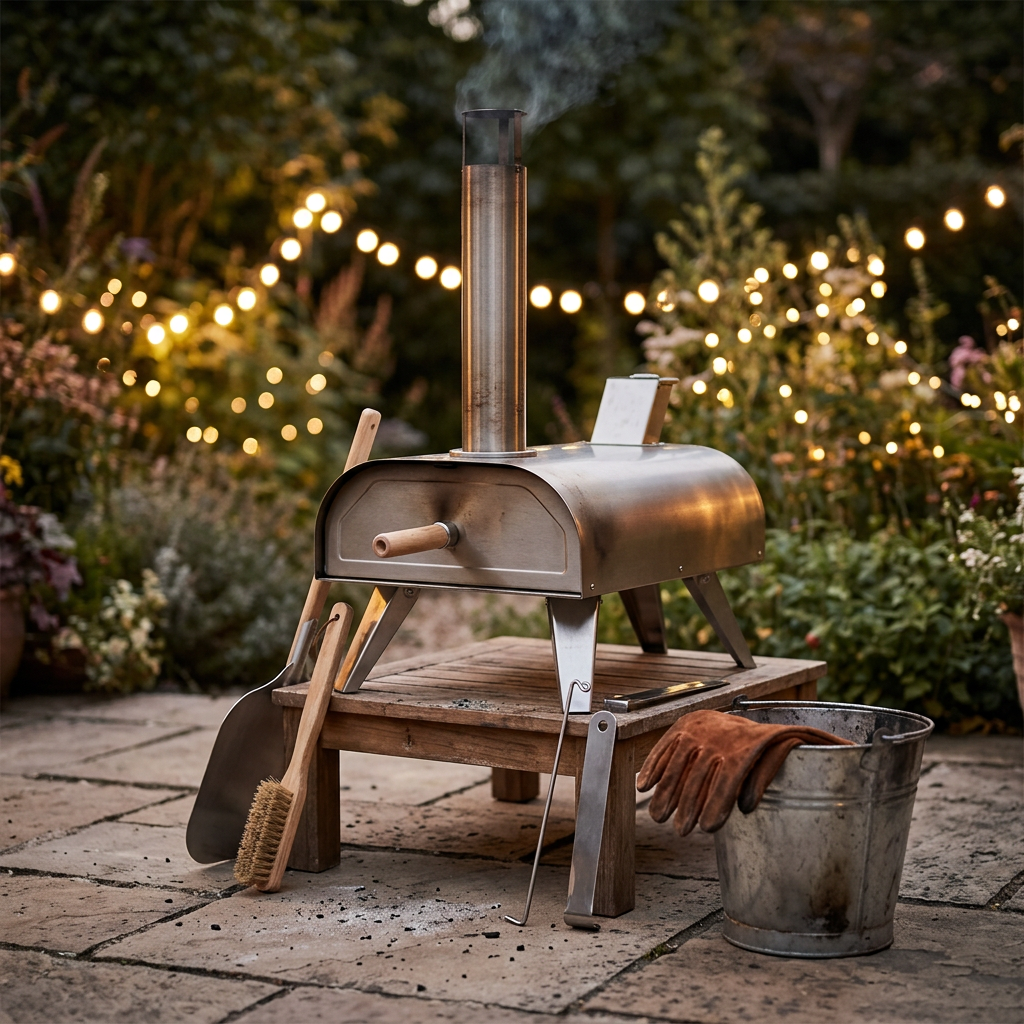
There is nothing quite like the smell of wood-fired dough and bubbling mozzarella drifting through your backyard. A pizza party with your outdoor pizza oven is the ultimate way to bring family and friends together. But once the last slice is eaten and the fire dies down, you are left with the aftermath: burnt flour, cheese drips, and ash. Don’t worry—a messy oven is the sign of a great meal! Cleaning it doesn’t have to be a chore. With a few simple steps, you can get your oven sparkling and ready for your next outdoor adventure.
What You Need to Clean Your Pizza Oven
| Essential Tools | Cleaning Supplies |
|
|
|
|

Believe it or not, the most effective tool for cleaning your pizza oven is the heat itself. If you have ever stared at a glob of melted cheese stuck to the stone and wondered how you’ll ever scrub it off, the answer is: you don’t. You burn it off.
This process is scientifically known as pyrolysis. In simple terms, it means using high heat to decompose organic material. When your pizza oven reaches top temperatures (around 800°F - 900°F), food residues, grease, and spilled toppings are incinerated, turning them into a pile of fine, harmless ash.
How to do it:
Think of this as your oven’s self-cleaning cycle. It saves you elbow grease and sanitizes the cooking surface simultaneously. Once the time is up, let the oven cool down completely—this can take an hour or more—before you attempt any physical cleaning.
The pizza stone is the heart of your pizza oven. It’s made of cordierite, a stone designed to absorb moisture from the dough to give you that perfect, crispy crust. Because it is porous, cleaning it requires a specific approach.
The Golden Rule: Never use soap on your pizza stone.
If you use soap or chemical cleaners, the porous stone will absorb them like a sponge. The next time you heat up your oven, those chemicals will vaporize, infusing your beautiful Neapolitan pizza with the taste of dish detergent.
The "Dry Clean" Process:
What if there is a stubborn stain?
It is normal for your stone to get stained over time. A darkened stone is a badge of honor—it shows you are a seasoned pizza chef. However, if there is a thick ridge of burnt food that scraping won't remove, you can use a very small amount of water.
Note: This step is crucial for Big Horn Outdoors® pellet oven owners.
Airflow is the secret ingredient to a hot, consistent fire. If your firebox or pellet grate is clogged with old ash, your oven will struggle to reach those high temperatures needed for a 90-second pizza.
The Clean-Out:
If you own a propane gas model, you can skip the ash dump. However, you should still inspect the gas burner holes. Use a can of compressed air to blow out any flour or debris that might be blocking the gas ports to ensure an even flame.

Soot is the natural byproduct of burning wood pellets. Over time, a layer of black soot will build up on the ceiling of your oven and inside the chimney. While a little soot adds to that authentic wood-fired flavor, too much can be a problem.
Why clean the soot?
The Wipe-Down:
Your pizza oven is a centerpiece of your patio, so you want it to look the part. Most high-quality pizza ovens feature stainless steel exteriors which are durable but can show fingerprints, water spots, and grease splatters.
Exterior Cleaning Guide:
Weather Protection:
Even the toughest stainless steel needs protection from the elements. If you leave your oven outside year-round, invest in a waterproof cover. This prevents rain from getting into the chimney or wetting the stone, which is the number one cause of mold and cracking.
You have just cleaned your oven, so let’s keep it that way for as long as possible. Here are a few professional tricks to minimize the mess during your next pizza night.
Cleaning your pizza oven doesn’t have to be a daunting task. By utilizing the burn-off method and keeping up with basic maintenance like ash removal and stone scraping, you ensure that every pizza you bake is as delicious as the first. A clean oven is a safe, efficient oven that will last you for years of backyard memories.
Ready to upgrade your setup? Whether you need a fresh supply of premium pellets, a waterproof cover, or a new turning peel to master your technique, Big Horn Outdoors® has everything you need to become the backyard boss. Check out our latest accessories and keep the fire burning!
Absolutely not. Pizza stones are made of porous ceramic material. A dishwasher will soak the stone with water and detergent. The soap will ruin the flavor of future pizzas, and the absorbed water can cause the stone to crack when heated. Always hand-scrape the stone and keep it dry.
You should perform a "burn-off" and brush the stone after every cooking session. Ash needs to be removed from the burner/hopper before every use to ensure proper airflow. A deep clean of the exterior and chimney can be done once or twice a season, depending on how often you cook.
Not at all! A blackened pizza stone is perfectly normal and shows that the oven is well-loved. Think of it like a seasoned cast-iron skillet. As long as there are no chunks of food residue on the surface, the discoloration will not affect the performance or flavor of your pizza.
No. You should avoid harsh chemicals inside the oven. The high heat of a pizza oven (800°F+) can cause chemical residues to vaporize and release harmful fumes into your food. The high-heat burn-off method is safer and more effective than any chemical cleaner.
 Big Horn Outdoors® Expands Retail Presence with New Experience at Piedmont Outfitters
Big Horn Outdoors® is excited to announce a new retail destination for outdoor cooking enthusiasts. Customers can now experience the brand's popula...
Big Horn Outdoors® Expands Retail Presence with New Experience at Piedmont Outfitters
Big Horn Outdoors® is excited to announce a new retail destination for outdoor cooking enthusiasts. Customers can now experience the brand's popula...
 As Seen on NBC Daytime: Big Horn Outdoors® Pizza Oven and Infrared Steak Grill Featured on National Television
Featured on NBC Daytime, the 12-Inch Multi-Fuel Pizza Oven and 16-Inch Infrared Steak Grill demonstrate how Big Horn Outdoors® helps make high-qual...
As Seen on NBC Daytime: Big Horn Outdoors® Pizza Oven and Infrared Steak Grill Featured on National Television
Featured on NBC Daytime, the 12-Inch Multi-Fuel Pizza Oven and 16-Inch Infrared Steak Grill demonstrate how Big Horn Outdoors® helps make high-qual...
 How to Make a Smash Burger on an Infrared Grill
Standard grills ruin beef by losing flavor. Use a cast iron plate on an infrared grill to lock in moisture and make the perfect smash burger crispy...
How to Make a Smash Burger on an Infrared Grill
Standard grills ruin beef by losing flavor. Use a cast iron plate on an infrared grill to lock in moisture and make the perfect smash burger crispy...