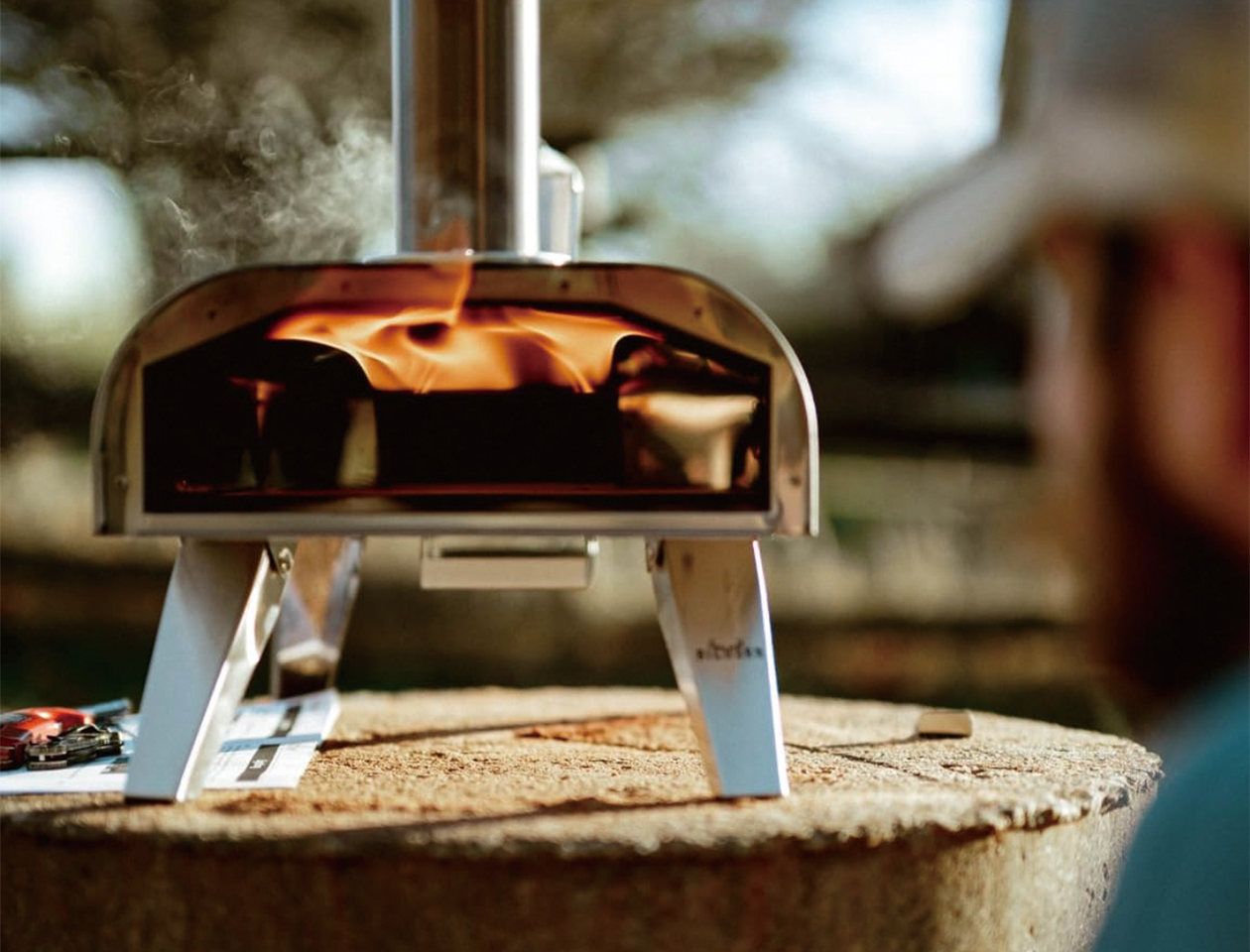
Pizza Ovens
The All-Round Experience of a Multi-Fuel Pizza Oven
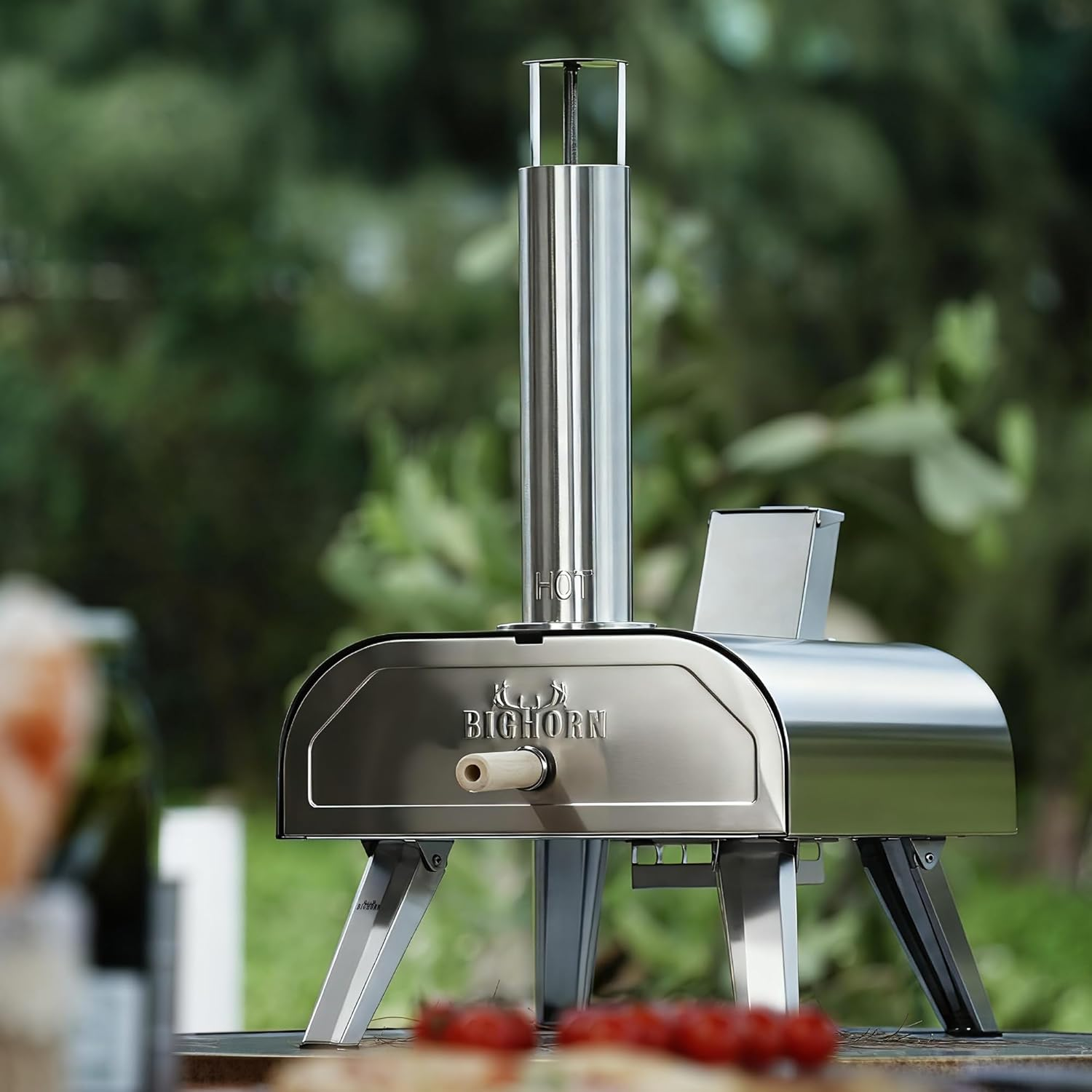
An all in one multifuel pizza oven is the best thing you can add to your backyard. You can use gas, wood, or fire to cook. With gas, you can make pizza quickly during the week. You could also enjoy the standard smoky taste of a wood fire on the weekend. This oven gives you a lot of great cooking choices.
A multi-fuel pizza oven gives you some real advantages over ovens that only use one type of fuel:
This is the best part. You're not stuck with just one way to cook. Need dinner fast on a Tuesday night? Use gas, and you'll be eating in 30 minutes. Got time to relax on Saturday? Light up a wood fire and enjoy the whole experience. Your oven works around your life.
Yes, these ovens cost a bit more at first. But you'll save money over time. You can pick whichever fuel is cheaper or easier to find. If propane gets expensive, just switch to wood or charcoal. You're not stuck paying high prices for one type of fuel.
Some places ban wood fires during dry summer months. With a multi-fuel oven, you just switch to gas and keep cooking. Bad weather? Fire restrictions? No problem. You can always use your oven.
New to pizza making? Start with gas. It's simple and gives you consistent results every time. Once you feel comfortable, you can try wood when you're ready. There's no rush. Learn at your own speed.
A wood fire is exciting to watch and creates a great atmosphere for parties. But sometimes you just want to cook and talk with friends without babysitting a fire. Gas lets you do that. Pick the style that fits your gathering.

A multi-fuel pizza oven lets you cook with different fuels, and each one changes the heat, flavor, and cooking style. When you understand these fuels, you can master your oven and make every meal perfect.
Propane gas offers the best convenience and control, which is why many outdoor chefs prefer it. With just the turn of a knob, a gas oven heats to over 800°F in only 15 to 20 minutes. This speed is a huge help when you are busy. Gas provides precise heat, delivering consistent results every time. This makes it great for beginners or for large parties where every pizza needs to be perfect. The steady heat cooks the crust evenly and prevents hot spots, and because gas burns cleanly, cleanup is simple. A gas oven is also a practical choice in areas with fire restrictions, ensuring your pizza party can always go on.
For many, the real joy of an outdoor oven is cooking with a live fire. Wood and charcoal provide this authentic experience, turning cooking from a chore into a fun, hands-on activity.
Cooking with wood engages all your senses. You get to build and manage the fire, hear the logs crackle, and smell that amazing wood-fired aroma. A wood fire produces intense heat, reaching 950°F or more. This is the secret to cooking a Neapolitan pizza in just 60 to 90 seconds, creating the famous puffy, charred crust known as "leoparding".
While people often talk about a "smoky flavor," a pizza cooks too quickly for the smoke to actually soak into the dough. That incredible taste really comes from two things: the complex flavor of the charred crust and the simple pleasure of smelling wood smoke in the air. Choosing wood is about embracing the entire traditional cooking process.
Lump charcoal is prized for its steady, intense heat that lasts for a long time. It burns hotter and more consistently than wood, which is perfect for keeping the pizza stone hot so it recovers its temperature quickly between pizzas. While charcoal alone doesn't create the large, rolling flame needed for Neapolitan toppings, its steady heat is ideal for other styles like New York pizza that require a longer, more controlled bake.
Many experts use a hybrid technique for the best results. They start with a charcoal base to build a stable, long-lasting heat in the stone. Then, just before a pizza goes in, they add a small piece of wood. The wood ignites quickly off the hot coals and creates a rolling flame that cooks the toppings perfectly. This method uses the steady heat of charcoal and the active flame of wood for ultimate control.
| Fuel Type | Best For | Heat-Up Time | Temperature Control | Flavor Profile | Ease of Use & Cleanup |
| Gas (Propane) | Convenience, speed, consistency, beginners, and large parties | Fast (15-20 mins) | Precise & Easy | Neutral/Clean (allows toppings to shine) | Very Easy / Minimal |
| Wood | Authentic experience, ritual, high-heat charring, ambient aroma | Moderate (30-50 mins) | Manual (requires practice) | Subtle smokiness, char; varies by wood type | Moderate (ash removal) |
| Charcoal (Lump) | Stable, long-lasting, high heat; creating a hot stone base | Moderate (30-45 mins) | Stable once lit | Clean, subtle smokiness | Moderate (ash removal) |
| Wood Pellets | Convenience with wood flavor, efficiency, and low ash | Fast (15-25 mins) | Requires frequent refueling in non-hopper ovens | Pronounced wood smoke | Easy / Low Ash |

Your multi-fuel oven is not just for pizza. It is a versatile outdoor cooking station. The oven has excellent insulation, so it stays hot for hours after the fire dies down. This creates a predictable "heat curve" with different temperature zones. You can use these zones to cook an entire meal in sequence, from searing hot to slow cooking.
At its peak, the oven reaches over 750°F. This intense heat is perfect for Neapolitan pizza, which cooks in 60-90 seconds. You can also flash-bake flatbreads or sear a thick steak directly on the oven floor. Cooking this hot is fast and requires your full attention.
As the oven cools to 450°F–600°F, it enters the perfect roasting range. This temperature gives you crispy-skinned chicken wings, caramelized vegetables, and perfectly cooked salmon. The oven's unique heat makes food crispy on the outside while staying juicy inside.
When the temperature drops to 400°F–500°F, your oven becomes an outdoor bakery. The stable, retained heat is ideal for baking artisan breads like focaccia. The high initial heat gives bread a great rise, called "oven spring." This temperature also works perfectly for baked pasta dishes and casseroles.
The oven's insulation holds heat for hours. Even when the temperature is down to 250°F–350°F, you can use the residual heat for slow cooking. This is perfect for making tender pulled pork, baked beans, or a delicious fruit cobbler for dessert.

Choosing the right multi-fuel oven means matching it to your space and cooking style. Considering a few key factors will help you find the perfect model for your backyard kitchen.
The first decision is usually size. Most models have a 12-inch or 16-inch cooking surface. A 16-inch oven gives you more room to launch and turn pizzas, which is great for beginners. It also fits larger pans for roasting. A 12-inch oven is lighter, more portable, and heats up with less fuel. This makes it a great choice for smaller spaces or camping.
Construction quality affects performance and durability. Look for an oven made from high-quality stainless steel to resist the weather. Good insulation is crucial. A thick layer of ceramic fiber helps the oven get hot and stay hot for hours. Also, check for a thick cordierite cooking stone. This material is excellent at retaining and transferring heat, which creates a perfectly crispy pizza base.
Some features can greatly improve your cooking experience. A built-in thermometer helps you track the oven's air temperature for roasting and baking. A door helps the oven heat up faster, and a viewing window lets you watch your food without losing heat. If you plan to use wood or charcoal, an adjustable chimney vent is essential. It lets you control airflow to manage the flame and temperature.
New users often make the same few mistakes. Here's what to watch out for:
If your oven isn't hot enough, your pizza will have a soggy bottom. Wait the full time—15-20 minutes for gas, 30-60 minutes for wood or charcoal. Your stone needs that time to get really hot. Be patient, and you'll get that crispy crust.
A bigger fire doesn't mean better pizza. Start small—just 2 or 3 small pieces of wood. You can always add more. With gas, medium-high heat usually works better than maximum.
One side of your oven is always hotter. If you don't turn your pizza, one side burns while the other barely cooks. Check it after 30-40 seconds and spin it around.
Never do this. It's dangerous and can damage your oven. Pick one fuel at a time. The only exception is using charcoal and wood together, which is safe because they're both solid fuels.

A multi-fuel pizza oven gives you freedom. You can choose the convenience of gas or the tradition of a wood fire. This versatility turns your backyard into a pizzeria, a steakhouse, or a bakery. The oven is more than a cooking tool. It is an investment in flavor, creativity, and shared memories. Your culinary adventure is waiting. Whether you prefer the ease of gas or the ritual of wood, the right tool makes all the difference. Explore the Big Horn Outdoors® collection of premium multi-fuel pizza ovens and find the new centerpiece for your backyard.
Not at all. Just use one fuel at a time to keep things safe and running well. You should never use gas and solid fuels like charcoal or wood at the same time.
Not really, especially for pizzas that cook quickly. People love the "wood-fired" taste, but it's not real smoke getting into the dough. It comes from the char on the crust and the smell of the fire. Gas heat is clean, so the toppings' flavors can really stand out.
It depends on the fuel. The oven is ready in about 15 to 20 minutes with propane gas. To get the best results when cooking with wood or charcoal, let the oven and stone heat up for 30 to 60 minutes.
No, they're not hard to clean. Gas is the easiest to use because it doesn't make a mess when it burns. After the oven is fully cool, you'll need to clean out the ash that was made by the wood and charcoal. The high heat from the oven also helps by burning off most of the excess food.
Charcoal is great for making a hot, steady base of heat on the oven floor. However, it doesn't make the big, rolling flame that you need to cook pizza toppings in the Neapolitan way. It works better for pizzas that don't need to be as hot or as a hot base for starting a wood fire.
 Big Horn Outdoors® Expands Retail Presence with New Experience at Piedmont Outfitters
Big Horn Outdoors® is excited to announce a new retail destination for outdoor cooking enthusiasts. Customers can now experience the brand's popula...
Big Horn Outdoors® Expands Retail Presence with New Experience at Piedmont Outfitters
Big Horn Outdoors® is excited to announce a new retail destination for outdoor cooking enthusiasts. Customers can now experience the brand's popula...
 As Seen on NBC Daytime: Big Horn Outdoors® Pizza Oven and Infrared Steak Grill Featured on National Television
Featured on NBC Daytime, the 12-Inch Multi-Fuel Pizza Oven and 16-Inch Infrared Steak Grill demonstrate how Big Horn Outdoors® helps make high-qual...
As Seen on NBC Daytime: Big Horn Outdoors® Pizza Oven and Infrared Steak Grill Featured on National Television
Featured on NBC Daytime, the 12-Inch Multi-Fuel Pizza Oven and 16-Inch Infrared Steak Grill demonstrate how Big Horn Outdoors® helps make high-qual...
 Red Wine Mushroom Gravy Beef Tips on Infrared Grill
Master steakhouse-quality beef tips at home! Marinated for flavor, seared fast on an infrared grill, and topped with a rich red wine mushroom gravy.
Red Wine Mushroom Gravy Beef Tips on Infrared Grill
Master steakhouse-quality beef tips at home! Marinated for flavor, seared fast on an infrared grill, and topped with a rich red wine mushroom gravy.