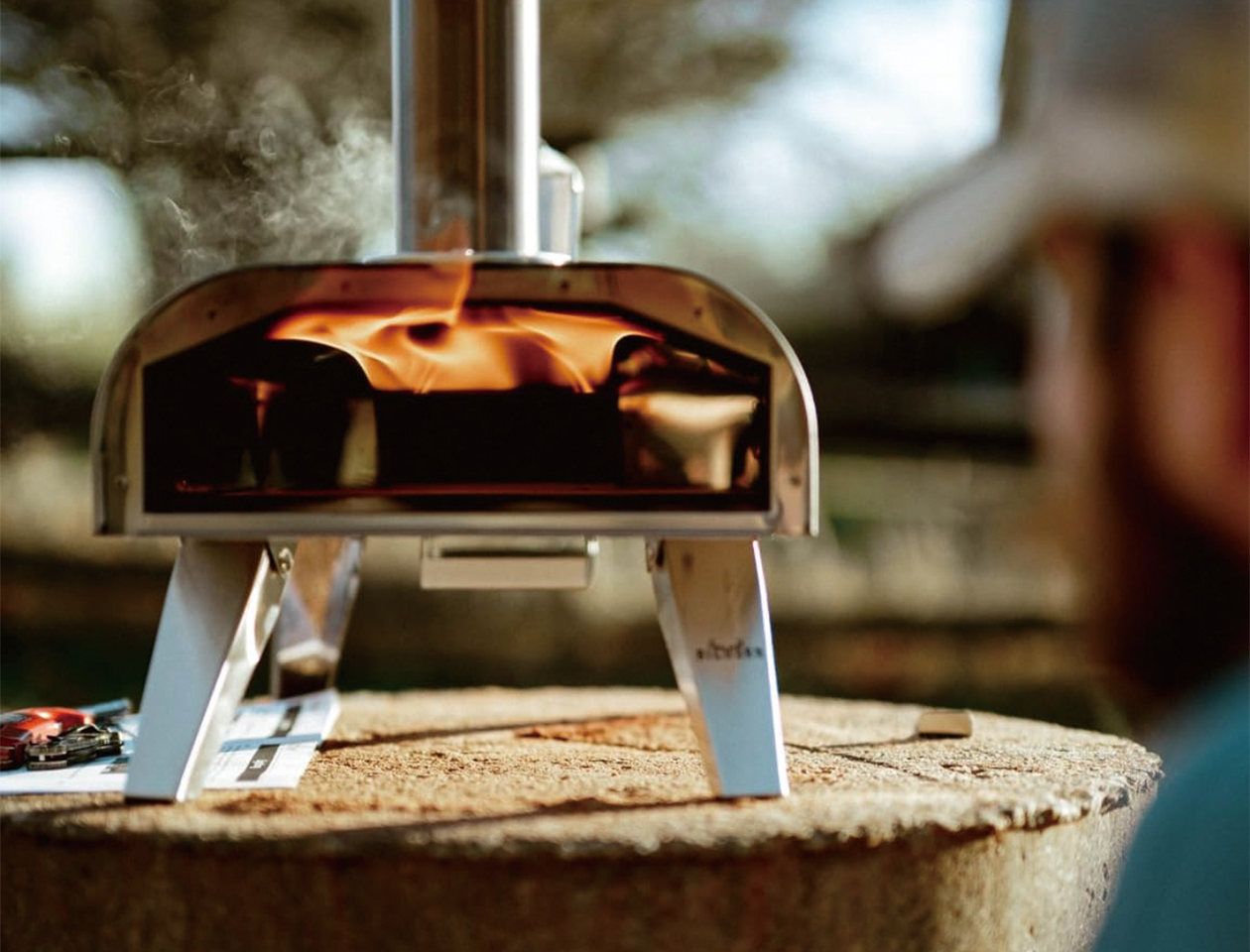
Pizza Oven vs. Regular Oven: Which Is Better?
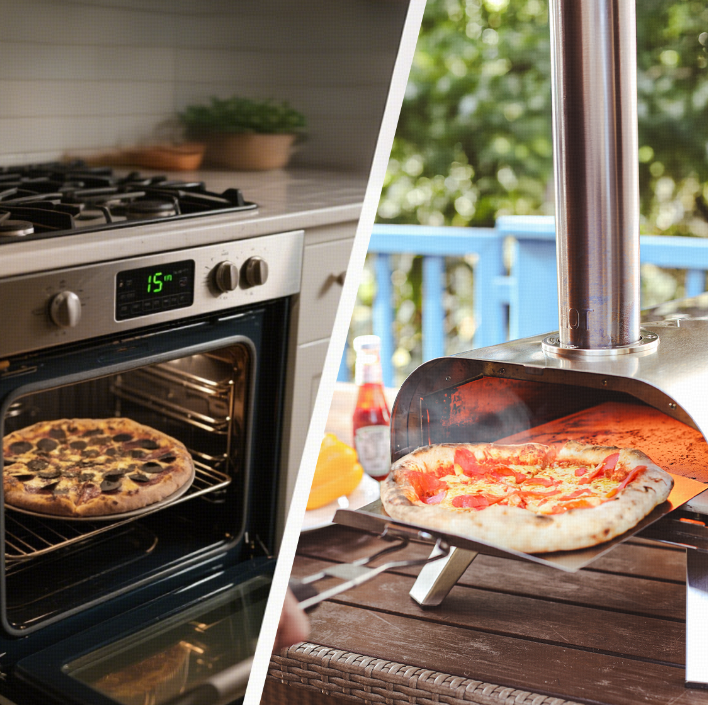
Your kitchen oven handles most cooking tasks well, using hot air that takes time to cook food. A pizza oven works completely differently - it surrounds your pizza with blazing heat from all sides and cooks it in seconds. But does faster always mean better?
Each oven has its fans. Pizza oven lovers swear by that crispy-yet-chewy crust and lightning-fast cooking. Regular oven users point to convenience, cost, and versatility. So which side is right?
Let's put both ovens head-to-head. We'll compare them on heat levels, pizza results, ease of use, and cost to see which one comes out on top for your pizza needs.
Let's look at what we're comparing: the pizza specialist and the kitchen all-star.
Pizza ovens work just like those brick ovens at your favorite pizzeria. They can make amazing pizza with super-high heat.
The key is the dome shape. It traps heat from the fire and bounces it back down onto your pizza. The walls are made from brick, stone, or special steel that gets really hot and stays that way.
Your regular oven handles everything—baking, roasting, broiling—at moderate temperatures. It heats the air in a big square box.
Want better pizza from your regular oven? Try these:
Fun fact: Steel only works well in home ovens. In a 900°F pizza oven, it would get too hot and burn your crust before the top cooked.
Pizza ovens and kitchen ovens work at completely different heat levels. The temperature difference changes how pizza cooks.
Pizza ovens get much hotter than kitchen ovens. They reach 750°F to over 950°F.
Preheating is quick and simple: Gas pizza ovens heat up in 15-20 minutes. Wood-fired ovens take 20-30 minutes. You know the oven is ready when you can only hold your hand near the opening for 2-3 seconds. The stone floor gets hot enough to sear dough instantly.
Pizza ovens also deliver heat in three ways at the same time:
All three types working together cook a whole pizza very fast—often in 60 to 90 seconds. The dough puffs up quickly before it can dry out. This creates a light, airy inside with a crispy outside and those dark spots you see on good pizza.
What your pizza looks like: The crust puffs up dramatically with big air bubbles. The bottom gets crispy and spotted from the hot stone. The top develops those signature dark "leopard spots" from the intense heat above. Cheese melts perfectly without getting rubbery. Vegetables stay crisp and colorful.
Your home oven reaches about 500°F to 550°F at most. It uses hot air to cook food inside a big box.
Preheating takes forever: Your oven says it's ready in 15 minutes, but that's just the air temperature. The pizza stone needs 45-60 minutes to get truly hot. Most people don't wait this long and end up with soggy pizza.
The lower heat requires much longer cook time—8 to 15 minutes or more. Water slowly leaves the dough during this longer bake, so it doesn't puff up much. The crust often comes out thicker and chewier, more like bread. You can make fewer pizzas since each one takes much longer.
What your pizza looks like: The crust stays flatter and denser, more like flatbread. The bottom might be pale or unevenly browned. No leopard spots on top—just even browning. Cheese can get greasy or rubbery from the long cooking time. Vegetables often dry out or get mushy.
Pizza ovens completely dominate on temperature and heat performance. They reach 750-950°F while regular ovens max out at 550°F. They deliver heat three different ways at once, creating that perfect pizza environment. Regular ovens only use hot air. The temperature difference means pizza ovens cook in 60-90 seconds versus 8-15 minutes, and they create the light, airy crust with leopard spots that regular ovens simply can't match.
The heat differences create very different pizzas. Here's how each oven performs.
Pizza ovens win easily on pizza quality. They create the light, airy crust with perfect char that defines great pizza. The fast cooking keeps toppings fresh and prevents sogginess. Wood-fired models add authentic smoky flavor. Regular ovens make decent pizza, but they can't match the texture, appearance, or flavor of pizza oven results.
Besides pizza quality, how you use each oven day-to-day matters a lot.
Pizza ovens win for: Speed once running, social cooking, feeding groups quickly.
Regular ovens win for: Simplicity, no setup, year-round indoor use, versatility.
The winner depends on what matters more to you—convenience of setup or convenience of cooking speed.
Money matters when choosing between these ovens. Here's what each option costs.
Regular ovens win on cost. You can start making better pizza for under $100 in accessories versus $200+ for a basic pizza oven setup. Ongoing costs are minimal since you already pay for utilities. Pizza ovens only make financial sense if you cook pizza very frequently or want to replace expensive restaurant orders.
After four rounds of comparison, both ovens have clear strengths. The right choice depends on your specific situation and priorities.
Pizza ovens create restaurant-level results that regular ovens simply can't match. The light, airy crust with leopard spots and perfect toppings are worth the investment if great pizza matters to you.
Pizza ovens turn cooking into a social event. Guests gather around, kids get excited, and making pizza becomes part of the fun, not just the meal.
If you make pizza weekly or host pizza parties regularly, the speed and quality make sense. You can feed a crowd in minutes instead of hours.
Most pizza ovens need a safe outdoor spot with proper clearance. If you have a patio, deck, or yard, this isn't a problem.
Starting costs of $100+ for basic models plus accessories mean you need to be comfortable with the upfront expense.
Your kitchen oven is always ready, needs no setup, and works in any weather. Just add a pizza stone for better results.
For monthly pizza nights or casual cooking, your regular oven with a good stone or steel produces satisfying results.
Under $100 in accessories can significantly improve your home pizza without breaking the bank.
Indoor ovens work anywhere. No outdoor space required, no neighbor considerations.
Your regular oven handles everything from birthday cakes to Sunday roasts. It's a true multi-purpose tool.
For authentic, pizzeria-quality results: Pizza oven wins every time.
For practical, everyday cooking: Regular oven is hard to beat.
For the best of both worlds: Start with a pizza stone in your regular oven. If you fall in love with pizza making and want better results, then consider upgrading to a dedicated pizza oven.
The "better" choice depends on which oven fits your cooking style, space, budget, and pizza goals. Both can make delicious pizza. The question is what kind of pizza experience you want.
Ready to take your pizza to the next level? At Big Horn Outdoors, we offer high-quality pizza ovens designed for backyard chefs who want authentic results. From portable gas models to traditional wood-fired ovens, we have options for every space and budget. Visit bighornoutdoors.com and start making pizzeria-quality pizza at home tonight.
 Red Wine Mushroom Gravy Beef Tips on Infrared Grill
Master steakhouse-quality beef tips at home! Marinated for flavor, seared fast on an infrared grill, and topped with a rich red wine mushroom gravy.
Red Wine Mushroom Gravy Beef Tips on Infrared Grill
Master steakhouse-quality beef tips at home! Marinated for flavor, seared fast on an infrared grill, and topped with a rich red wine mushroom gravy.
 Pro Tips: Grilling Thick-Cut Steak for Maximum Flavor
Master grilling thick-cut steaks at home. Learn essential prep, resting tips, and how to use 1500℉ infrared heat for a flawless, restaurant-quality...
Pro Tips: Grilling Thick-Cut Steak for Maximum Flavor
Master grilling thick-cut steaks at home. Learn essential prep, resting tips, and how to use 1500℉ infrared heat for a flawless, restaurant-quality...
 How to Make a Smash Burger on an Infrared Grill
Standard grills ruin beef by losing flavor. Use a cast iron plate on an infrared grill to lock in moisture and make the perfect smash burger crispy...
How to Make a Smash Burger on an Infrared Grill
Standard grills ruin beef by losing flavor. Use a cast iron plate on an infrared grill to lock in moisture and make the perfect smash burger crispy...