




![]() Quick Answer
Quick Answer
The quickest method of steak tenderizing is salt-marinating (30 minutes) or mechanical tenderizing (5 minutes) of the steak. To make the steak the most tender, tenderizing should take place over the next 2-24 hours.
- Best Marinade Type for Flavor: Acid-based
- Best Mallet/Speed Model: Mechanical Mallet or Jaccard
- Best for Steakhouse Results: Dry Salt Brining
Comparison Table: What method do I choose?
| Method | Time Required | Best For |
| Marinate | 2–24 hours | Flank, Skirt, Hanger |
| Salt Brine | 30 mins - 2 hrs | Ribeye, NY Strip, Sirloin |
| Mechanical | 5 minutes | Cube Steak, Round Steak |
| Baking Soda | 15 minutes | Stir-fry strips, Fajitas |
| Enzymes | 30 mins - 2 hrs | Very tough cuts (Chuck) |
| Cutting | Instant | All cuts (mandatory) |
6 Ways To Soften Any Steak
Tenderization involves the degradation of muscular tissues and connective tissues (collagen) employing an acid solution, salt, enzymes, or pressure. Below are the six easy methods of preparing exceptional meals out of the toughest cuts of meat.
Method 1: Tenderizer Marinade (Most Popular)
Marinating adds tenderness and flavor.
How Acid Breaks Down Muscle Fibers
Acids like vinegar, lemon juice, lime juice, and buttermilk break the bonds of collagen fibers on the surface of the meat. As the bonds are broken, the meat softens and absorbs more moisture during the barbecue process.
Important: Acidity should not exceed 25% of the overall marinade. More than 24 hours results in a mushy texture instead of meat that's tender.
Best Marinade Recipe for Tough Cuts
This recipe suits the flank steak cut.
| Ingredient | Measurement | Role |
| Soy Sauce | ½ cup | Salt & Umami (draws in the flavor) |
| Balsamic Vinegar | ¼ cup | Acid (the tenderizer) |
| Olive Oil | ¼ cup | Fat (distributes flavor) |
| Worcestershire | 2 tbsp | Depth of flavor |
| Garlic (minced) | 3 cloves | Aromatics |
| Brown Sugar | 1 tbsp | Caramelization |
Instructions:
- Whisk together the ingredients in a bowl.
- Place your steak in a plastic bag or glass dish.
- Pour the marinade over the steak so that it's completely coated. Remove air if the steak is sealed in a plastic bag.
- Refrigerate according to the cut (see below).
- Important: Dry the steak with towels after this step; this will enable the steak to sear properly.
Marinating Times by Cut:
- Thin Cuts (Skirt/Flank): 2 to 4 hours
- Thicker cuts (Sirloin/Round): Between 4 and 8 hours
- Tough roasts: up to 24 hours. No longer, and the texture will degrade during the roast
Some Mistakes that Happen with Marinating:
- Too Much Marinating: If the steak sits too long with acidic ingredients, excess acidity will make the steak mealy and soft instead of being tender.
-
Using metal bowls: Acids react with reactive metal (like aluminum), imparting a metal flavor. Always serve steaks using glassware, plasticware, or stainless materials.

Method 2: Salt Brining (Best & Fastest for Quality Cuts)
To cook rib-eye or New York Strip steaks, apply the dry brine approach of the fanciest steakhouses.
Why Salt Works More Effectively Than Marinade
As the steak stands after being seasoned with salt, the salt will move deep into the cut of meat. Through osmosis, the salt leaches moisture out of the steak and dissolves into that moisture, creating a sort of natural brine that the steak then absorbs again. This causes the myosin proteins that make up the steak's muscle tissue to break down further.
Science: Salting works at the molecular level by breaking protein bonds; the other works on the outer surface.
Dry Brine vs. Wet Brine
- Dry Brine: Salting the meat directly and resting it. This method should only be used with steaks so that the "beef" flavor of the meat may remain.
- Wet Brine: Immersing the meat in saltwater. This method works well with poultry or pork but should never be used with steak because the flavor ends up being watered down.
Step-by-Step Directions
The 30-Minute Quick Method:
- Use 1/2 tsp of kosher salt per lb of steak (or 1/4 tsp of table salt) on every surface. No bare areas should remain!
- Let it rest at room temperature for 30-40 minutes.
- You will observe moisture building up on the surface. No rinsing required. Dry extremely well with a sheet of paper towel, and go ahead and grill.
The Overnight "Steakhouse" Technique:
- Use ½ tsp of kosher salt per pound of steak. Liberally season the steak with salt on both sides.
- Place it on a wire rack that sits over a baking sheet.
- Refrigerate uncovered for 12 to 24 hours.
- The surface will appear dry and deep red. This makes the surface nice and tacky so that better browning and better crust development can take place. No need to rinse; just grill

Method 3: Mechanical Tenderization
Mechanical tenderization involves physically cutting the muscle tissue.
Using a Meat Mallet
A meat mallet may have a dual surface—a smooth side that flattens meat and a spiked side used for pounding.
Technique:
- Place the steak between plastic sheets. This will prevent splatters.
- Pound the meat evenly with the spiked part.
- Pound with medium force until the thickness reached is ½ inch with even indents of ⅛ inch deep.
- Don't pulverize—with this technique, the intention isn't to destroy the meat structure.
Jaccard Tenderizer vs. The Fork Approach
- Jaccard (Blade Tenderizer): This equipment consists of dozens of tiny needles that are pressed upon the meat when pressed downward. This causes tiny holes that cut the steak internally without flattening the steak. Good for thick steaks such as the top sirloin.
- The Fork Method: Cut holes in the steak on both sides if there are no tools available. Effective but inferior to the method with the Jaccard. Useful only if the steak needs more of the flavor of the marinating liquid.
When to Use Mechanical Tenderization
| Use For | Avoid For | Reason |
| Round, Cube, Chuck (frying/stews) | Filet Mignon, Ribeye | Damages delicate texture |
Method 4: Baking Soda Method (15-Minute Hack)
This trick of Chinese takeout restaurants (known as "velveting") makes beef stir-fry very palatable and tender.
The Science of Baking Soda
Baking soda (sodium bicarbonate) alkalizes the surface of the meat. This reaction causes the development of the meat without binding the muscle proteins tightly together.
Quick Recipe & Timing
- Slice your beef of choice (preferably flank or skirt steak).
- Toss 1 pound of cut beef with 1 tsp of the baking soda.
- Allow it to rest for 15-20 minutes (that's it!)
- Why Rinse? Baking soda increases the pH scale up to 8-9. This can give a soapy/metallic taste if not removed.
- Important Step: Rinse the beef well with cold water until there's no more trace of the baking soda on the beef and then pat the beef dry.
- Cook as desired.
Pros and Cons
- Pros: Very fast; renders affordable meat very soft.
- Cons: Leaves a soapy taste if not properly rinsed. Suitable only for slices of steak or small cuts of meat.

Method 5: Enzymatic Tenderizing
Nature offers its own set of tenderizers that come from fruits.
Natural Enzymes: Pineapple, Papaya, Kiwi
Some fruits possess proteolytic enzymes:
- Pineapple contains bromelain
- Papaya contains papain; this can usually only be found in powdered tenderizers
- Kiwi has actinidin; alternatively used as a gentler option
The Application of Fruit-Based Tenderizers
Pureed fruit or the juice can serve as the base of the marinade.
Recipe: 2 tablespoons of pineapple juice with soy sauce and ginger as the sauce. Coat the steak.
Timing: This method works very quickly. Do not take over an hour lest the meat turn into mush.
Risk of Over-Tenderization
The enzymes do not go inactive until the meat is cooked. This method works more aggressively than the acidic method of marinating. This method can be used on very tough meat, hanger steak, or chuck steak that will be quickly grilled.
⚠️ Avoid using on tender cuts like ribeye—enzymes will destroy their texture within 30 minutes.
Method 6: Proper Cutting Technique
A steak can even be made more tender if it's cooked by the way the knife cuts it.
Slicing Against the Grain
Meat consists of bunches of long, muscular fibers (the "grain"). Look for the parallel lines running through the meat—these show fiber direction.
- Cutting with the grain: Closely cutting these parallel lines results in the teeth having to chew the tough fibers.
- Across the grain: A cut that's at right angles relative to the muscular fibers results in the cutting of the muscle tissues. A very small part of the meat must only be chewed because the teeth experience the meat's tenderness.
Ideal Thickness of Tender Bites
Cuts of steak that are chunkier, like the flank cut or the skirt steak cut, are sliced thinly at an angle of 45 degrees—about ¼ inch thick. This causes the steak cut to have more surface area and its fibers to be shorter.
Which Method with Which Cut?
Unsure of the approach? This decision tree should help!
| If you have this cut... | Use this method... | Why? |
| Rib Eye/Porterhouse/NY Strip | Salt Brine | Enhances natural flavor; keeps the texture |
| Flank/Skirt/Hanger | Marinade | Add flavoring to these lean and grainy cut sections of beef |
| Sirloin/Tri-Tip | Jaccard/Mechanical | Divides moderate toughness without flattening |
| Chuck/Round | Mallet or Slow Cook | These must be made very tender |
| Stir-Fry Strips | Baking Soda | The "velveting" method for soft bites |

![]() Grilling Tips After Tenderizing
Grilling Tips After Tenderizing
Now that we have our meat tenderized, we must avoid overcooking.
Perfect Grilling Heat
High temperature results in a hard crust on the outside of the meat while making the meat's insides soft. Preheat the grill at a temperature of 450-500 degrees Fahrenheit.
Grilling Times: Sear steaks for 2-3 minutes on each side if steaks are 1 inch thick (medium rare) and an additional minute for each additional half inch of thickness.
But if you happen to own an infrared grill (like the ones we specialize in), you can go even higher; just imagine the steakhouse-quality char of seconds!
Resting Time for Maximum Tenderness
At the time that the steak is being cooked, the juices tend to accumulate at the center of the steak. This implies that if the steak is cut at this point when it's being cooked, the juices will spill out onto the plate; thus, the steak will tend to be dry.
Let the steak rest on a warm surface, like a cutting board or a hot plate, for 5-10 minutes. This allows the juices to seep back into the meat. Now your steak will cut smoothly.
Quick FAQ
Q1: Can steak be over-tenderized?
Yes. Marinating an open steak with acidic elements over an extended period of time can make the steak mushy.
Q2: What's the length of time a steak can safely be marinated?
Beef may safely be marinated for up to 5 days when kept under the refrigerator's cold conditions; however, for the best texture, we recommend marinating for no longer than 24 hours.
Q3: Does stabbing a steak with a fork tenderize it?
Yes, slightly. However, it physically breaks down certain fibers and causes the marinade to seep deeper; its performance cannot compare with that of a meat knife tenderizer.
Q4: What's the best steak tenderizer for cheap steak?
To make the cuts that are the cheapest (and chuck steak) more tender, a meat hammer and saltwater bath usually do the trick immensely.
Q5: Can steak that's been cooked be made more tender?
"Tenderization" of the steak can only happen if the steak is cut thinly across its grain. However, after the proteins of the steak coagulated due to the application of heat, it can never happen chemically again.
Q6: Do commercial tenderizing powders work?
Yes, most contain bromelain (pineapple) or papain (papaya), which are very effective but tend toward a mushy texture if used too liberally. Use sparingly.
Quick Selection Guide
- Got time? Dry brine tonight.
- Need flavor? Marinate 4 hrs.
- Really hurried? Use a meat mallet or a jaccard.
- Preparing low-cost meat? Baking soda or fruit enzymes.

Ready To Grill?
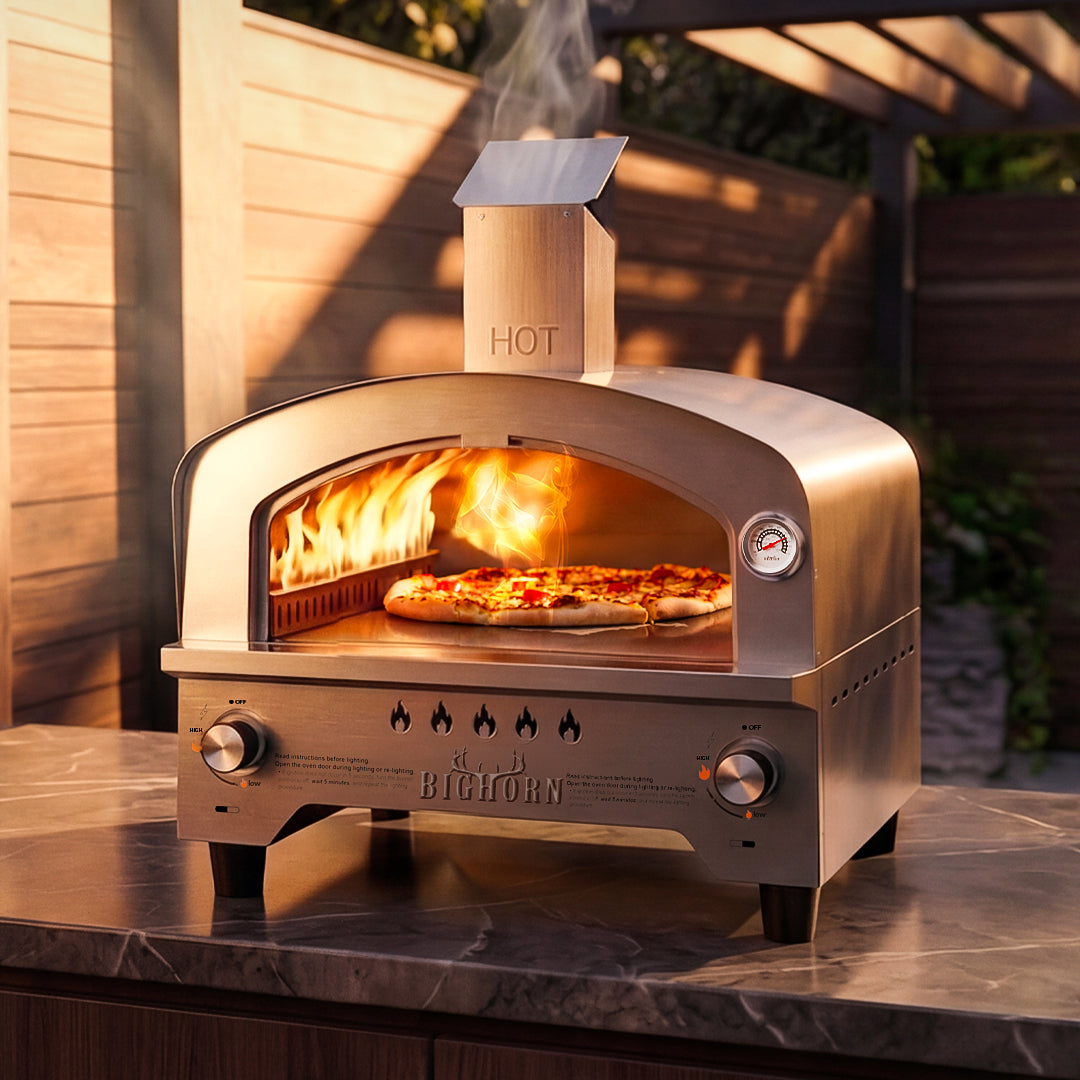
Now that your steak is prepped and ready, you need the right equipment to complete the task at hand. At Big Horn Outdoors®, we believe that outdoor steaks don't have to remain the sole purview of the pros.
Starting with our fantastic Infrared Steak Grills that go up to an awesome temperature of 1500°F for the ultimate steak searing experience! Our products are crafted for rugged durability and performance. Let's take a look at the Big Horn Outdoors® Collection right here!
Explore more in the Grill Buying Guides.
More to Read
 Big Horn Outdoors® Expands Retail Presence with New Experience at Piedmont Outfitters
Big Horn Outdoors® is excited to announce a new retail destination for outdoor cooking enthusiasts. Customers can now experience the brand's popula...
Big Horn Outdoors® Expands Retail Presence with New Experience at Piedmont Outfitters
Big Horn Outdoors® is excited to announce a new retail destination for outdoor cooking enthusiasts. Customers can now experience the brand's popula...