Oven & Grill Ownership
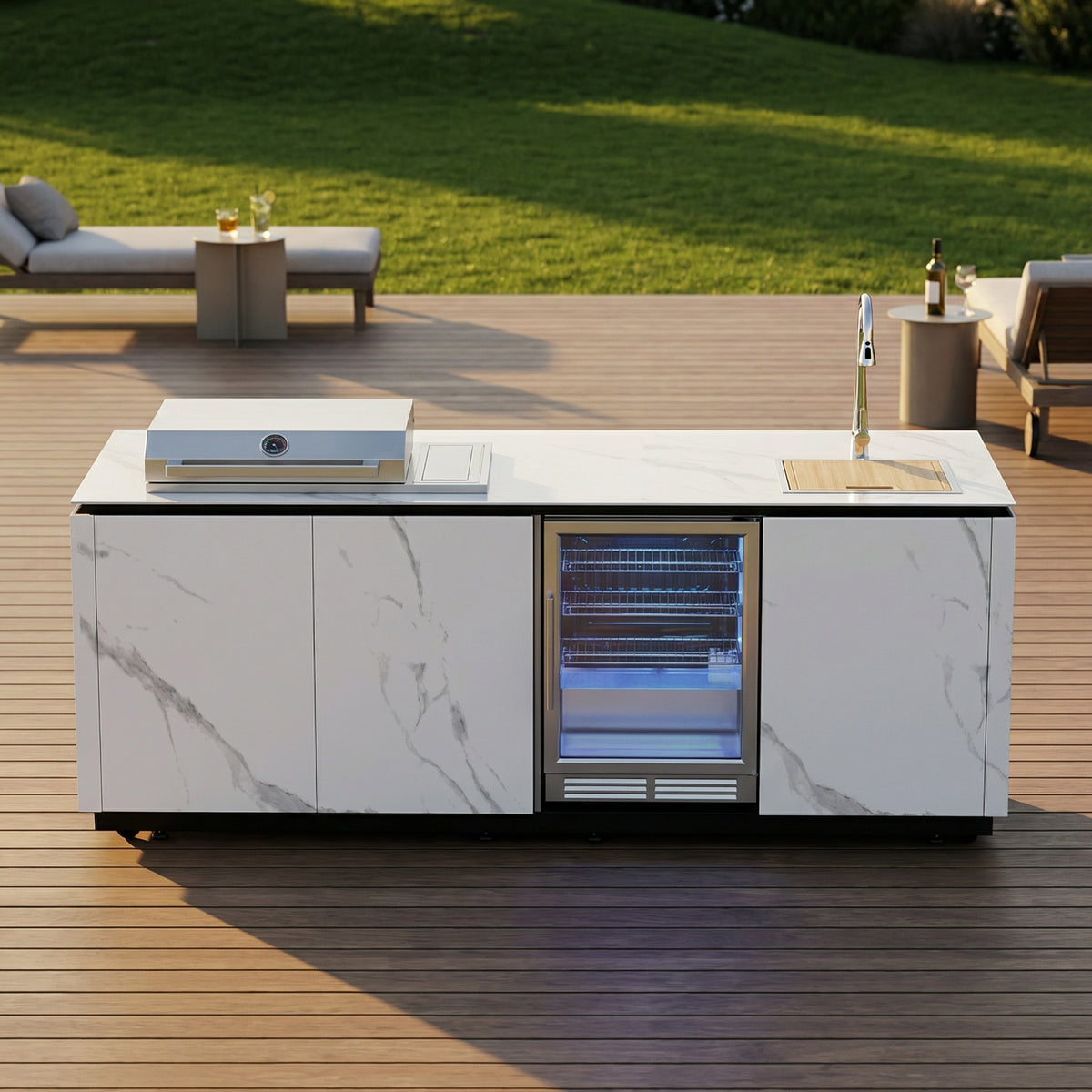
Apartment balcony grill and oven rules are a lease, HOA, and fire-code problem first, and a product-fit problem second. This article will not invent a yes for propane, charcoal, or pizza ovens, and it will not invent New York City fire law. Read the current building documents, then look at electric paths.
Common HOA and lease fuel patterns
Buildings and associations often treat fuels differently. Open charcoal and wood are frequently the tightest limits. Propane may be limited by cylinder size, setback from the railing, or a flat ban. Electric appliances may still need an approved outlet and a drip plan. None of those patterns is a rule for your address until you read the current lease, HOA covenant, and local fire-code materials.
The product-fit page on an infrared grill for an apartment balcony or patio is about what physically fits. This page is about permission. Keep pizza oven rules for HOA and apartments beside it if an oven is the appliance you want; do not treat either guide as a permit.
NFPA grilling safety and U.S. Fire Administration cooking-fire prevention describe general grilling and cooking-fire precautions. They do not override a lease. If your city publishes its own fire-department guidance, read the current official page for that city rather than a summary in a blog, including this one.
Electric and butane options
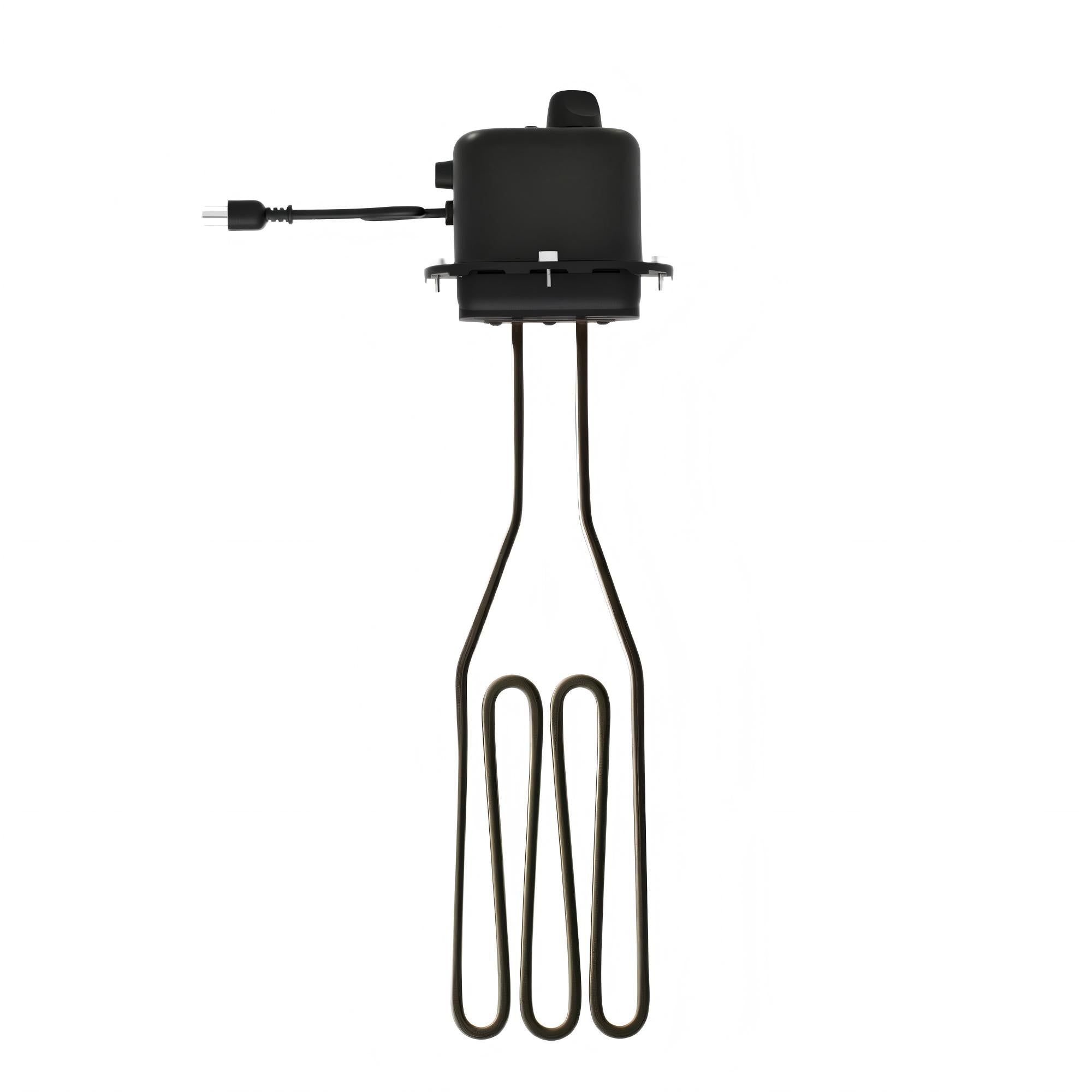
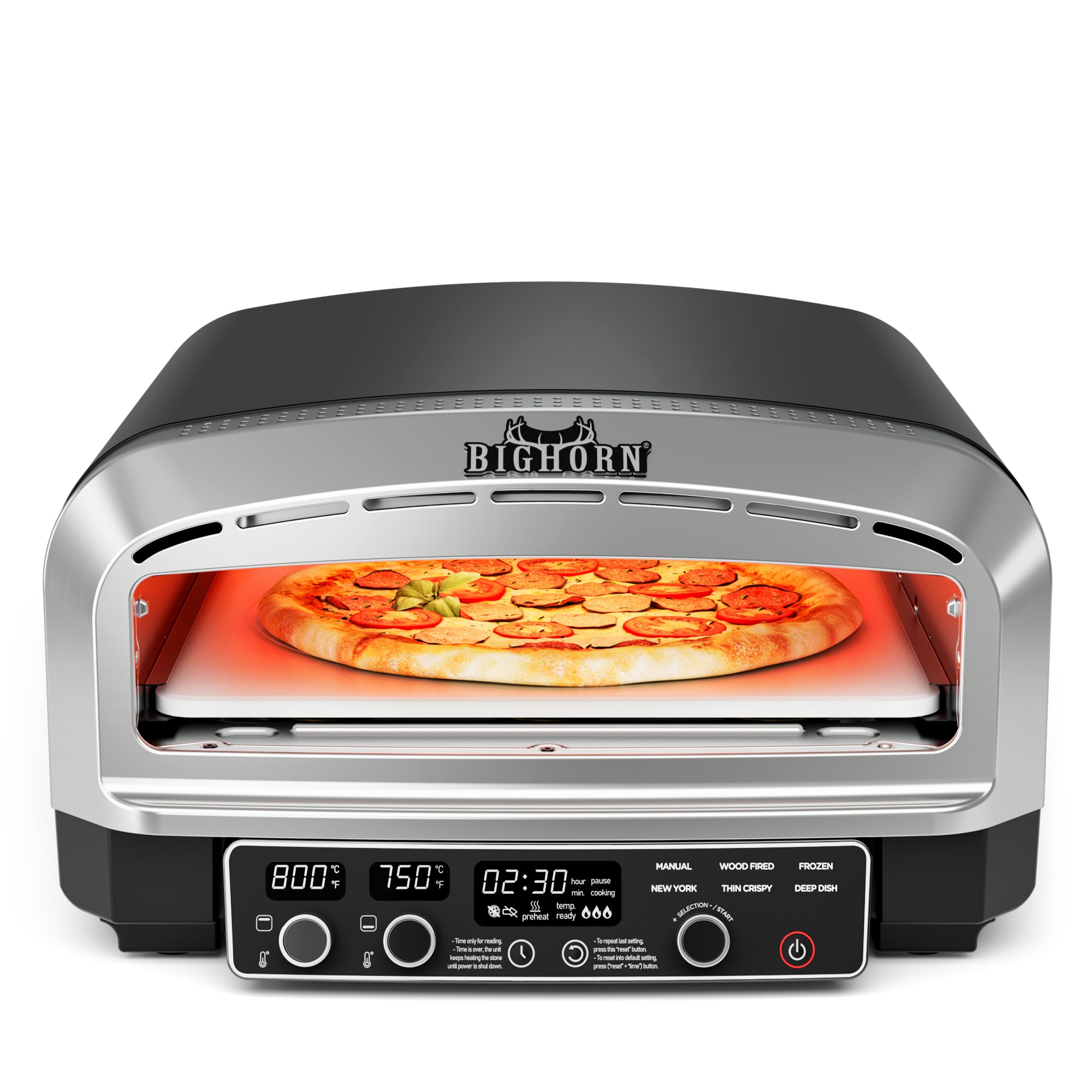
When a building bans open flame, an intended indoor electric appliance may be the remaining cooking path, and even that path is still subject to the lease, the outlet, and clearance. The current electric steak grill listing describes indoor and outdoor versatility and published wattage notes; confirm those claims on the live page, and do not treat a marketing searing temperature as a guaranteed steak. The current 14-inch indoor electric countertop pizza oven is a kitchen-counter path, not a balcony-combustion workaround.

A folding butane stove, including the current folding butane camping stove, is still a fuel-burning appliance. Some buildings ban canisters as firmly as they ban charcoal. Confirm the cartridge type on the live listing, and do not assume "small" means "allowed on the balcony." Keep it fully outdoors if you have permission at all, never in a kitchen as a second range.
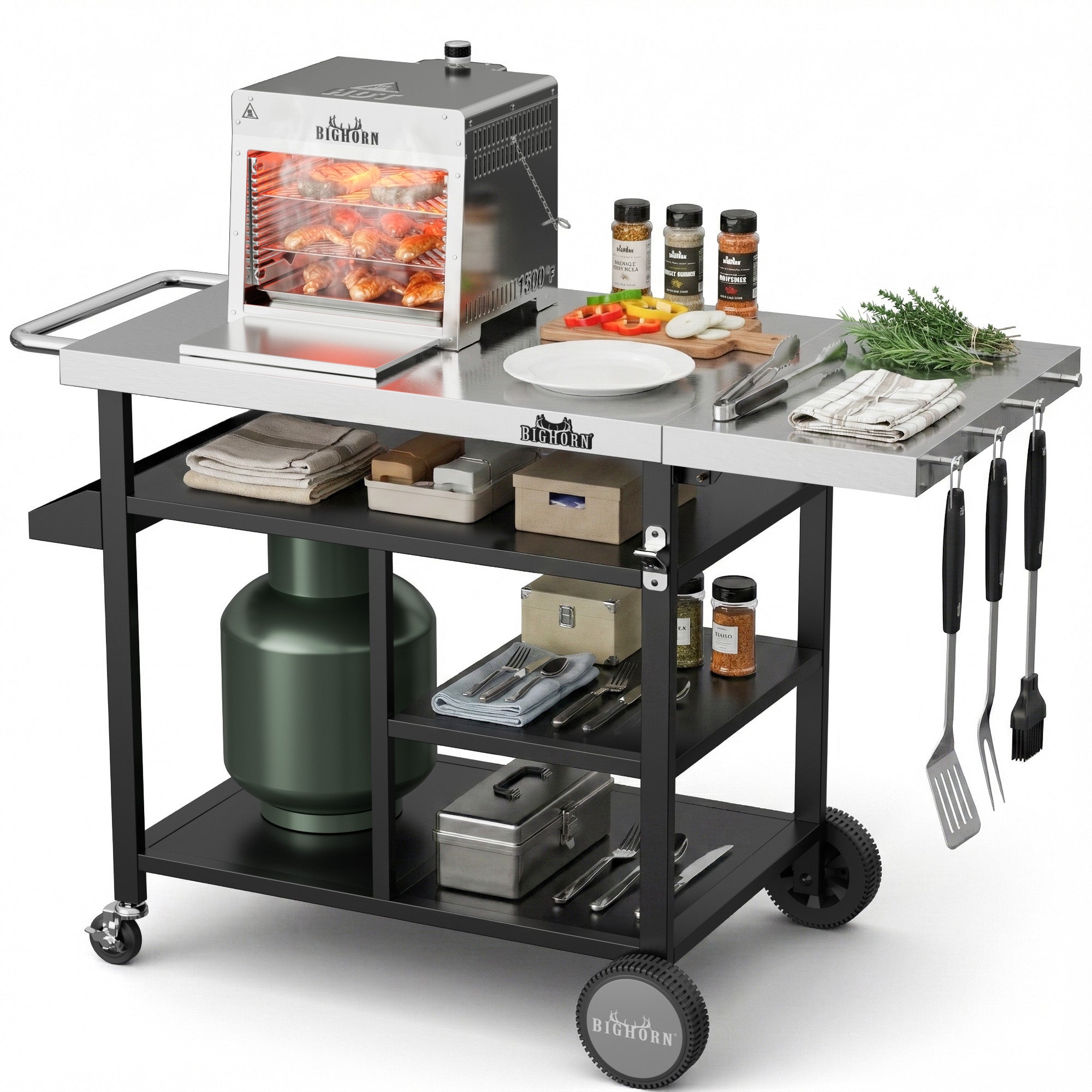
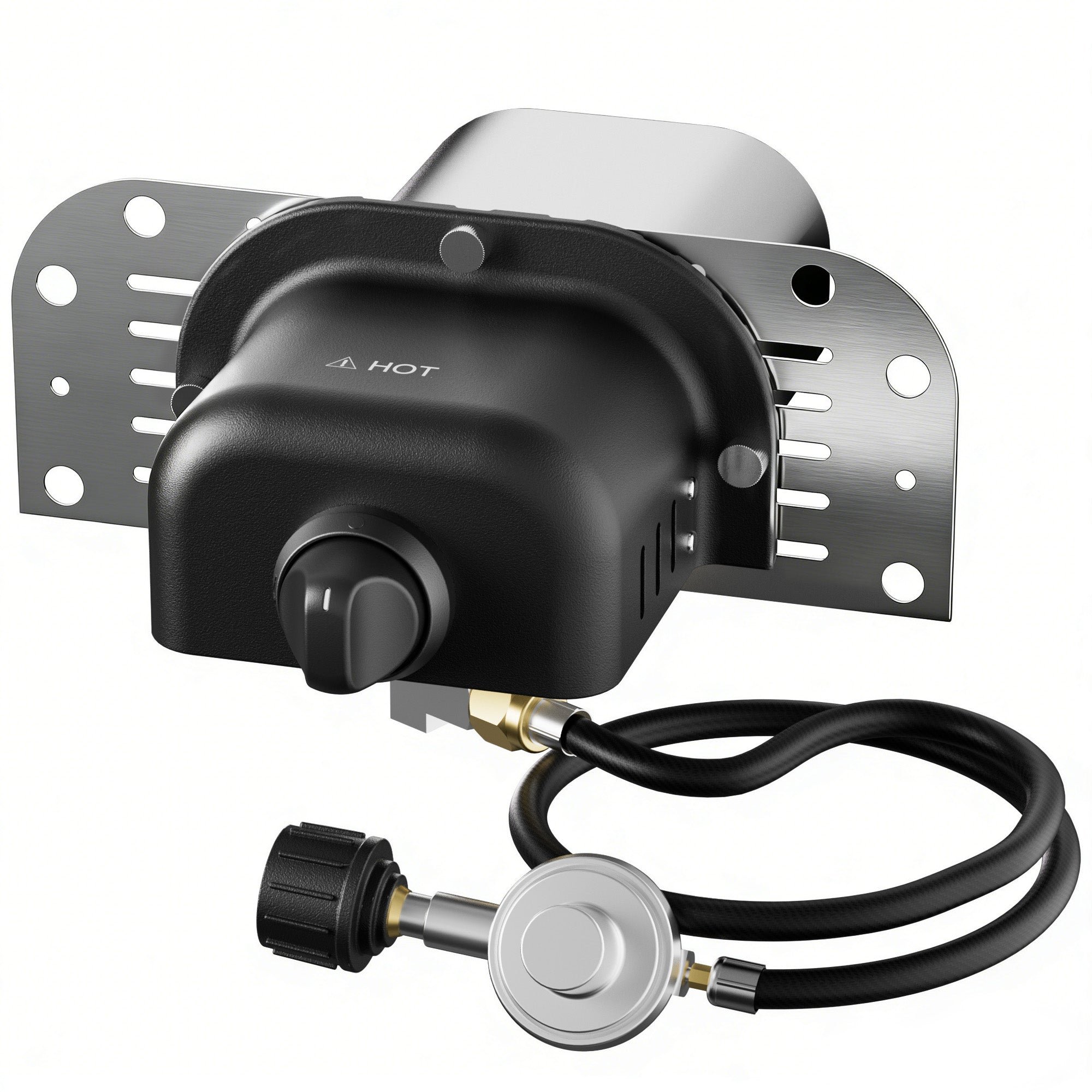
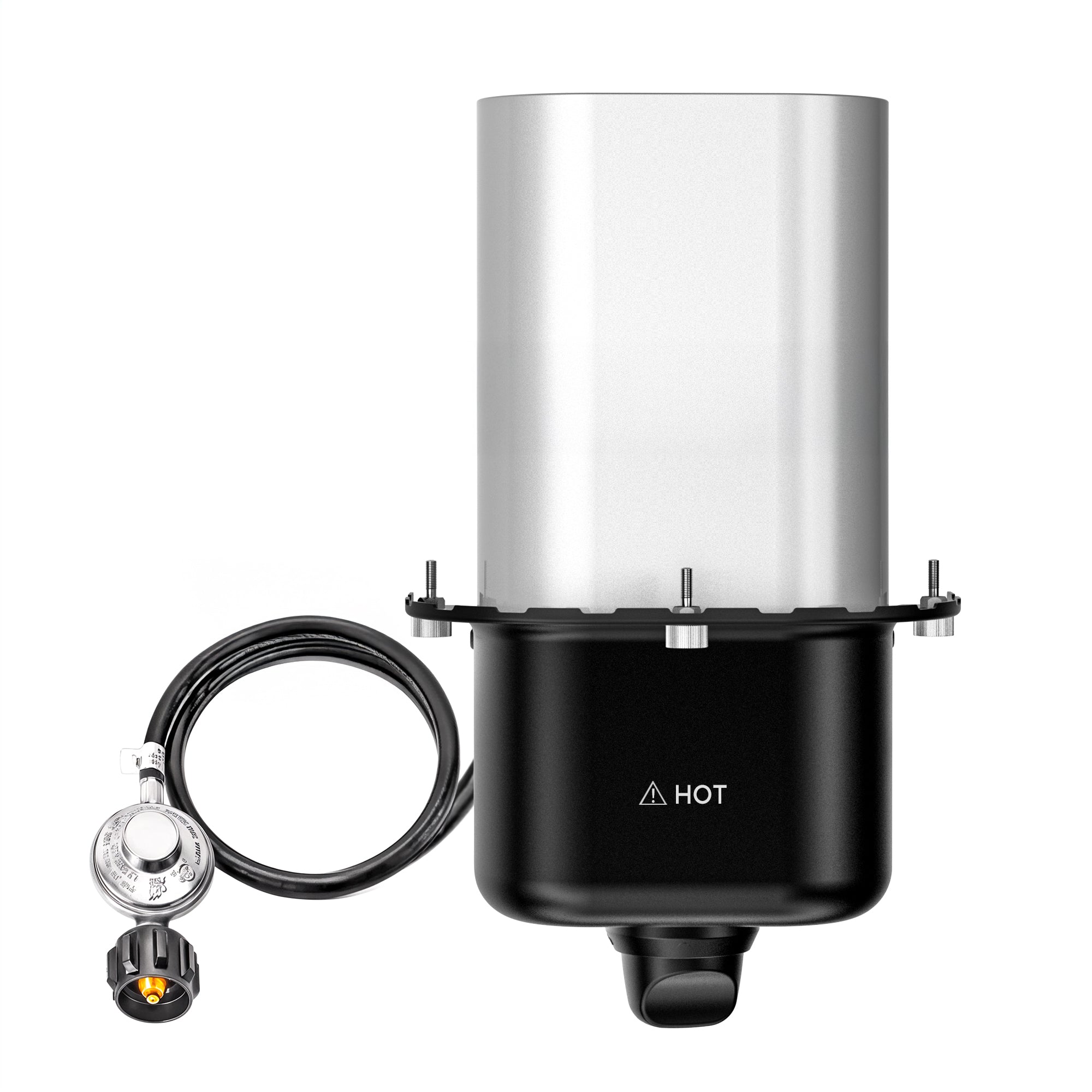
A portable infrared broiler that runs on propane has the same permission problem as any other gas grill. Confirm the current portable infrared broiler listing only after the building's fuel rule is clear. EPA carbon monoxide information is the reason a "just this once" indoor burn is a bad idea.
Clearance and drip protection
Where cooking is allowed, clearance still matters. Keep the appliance away from siding, curtains, furniture, and the ceiling of a covered patio, following the manual and the building's written setbacks. Do not invent a clearance number here if the listing or the lease already publishes one.
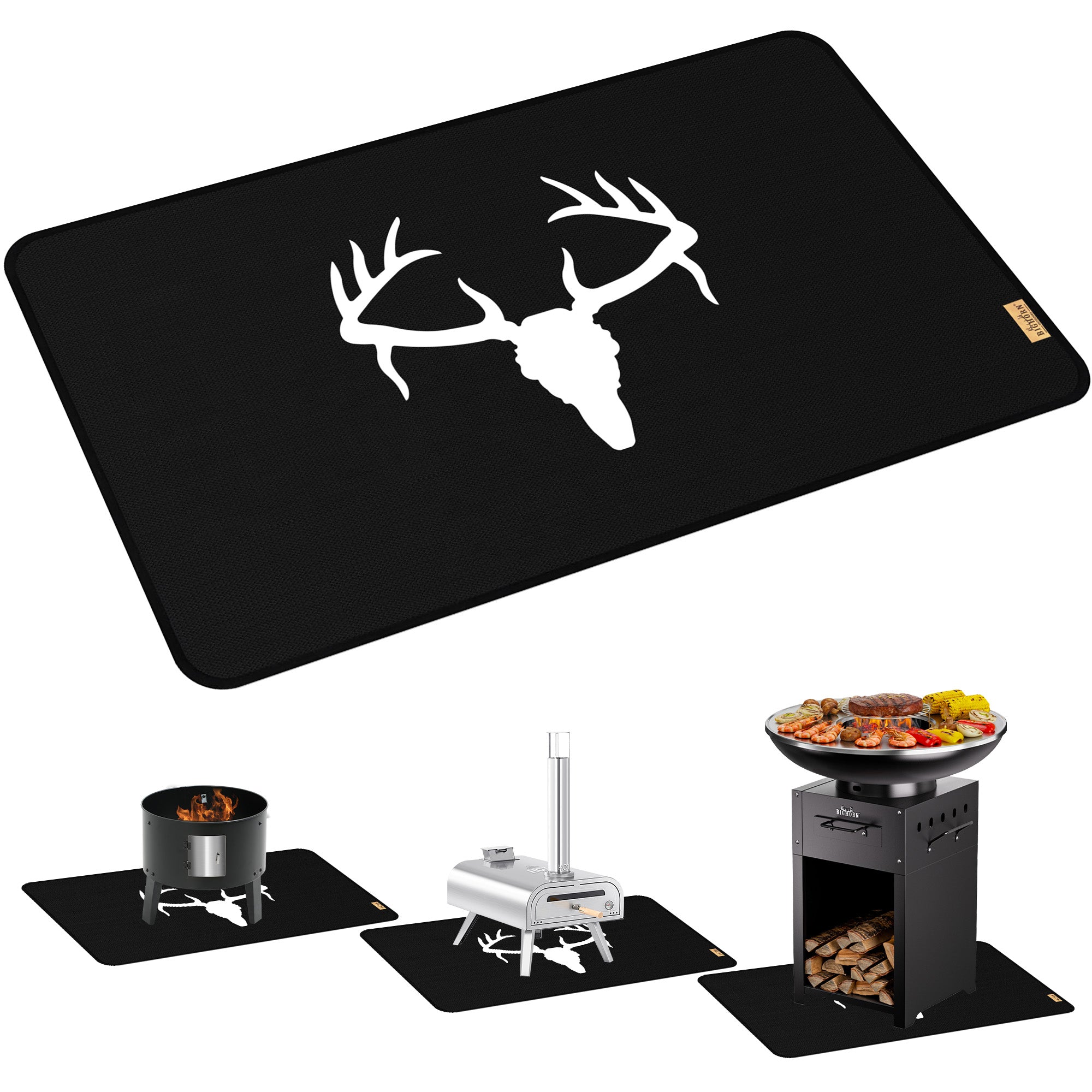
Drip protection is both courtesy and, in many buildings, a requirement. A mat or a tray can protect a deck surface; it does not make an illegal fuel legal. Place the tray so grease cannot run through slats onto a neighbor's space, and never leave a dripping pan as a fire target under a hot unit. Ready.gov home fire guidance and American Red Cross fire safety are useful home-fire references for a cooled, attended appliance.
Noise and smoke etiquette
Quiet hours and smoke complaints close more balconies than a missing recipe. Even a legal setup can become a conflict if a lid slams after 10 p.m. or if fat smoke hangs in a shared light well. Cook earlier, trim flare-prone fat, and talk with neighbors before a long session.
Charcoal smoke and a pellet hopper are different burdens than a brief electric preheat. If the building is already sensitive, choose the quieter, lower-smoke path that the rules actually allow, and do not treat a late game as an exception.
The table below is a rules-first map. It is not a legal opinion, and it will not quote a city's code from memory.
| Question to settle first | Where the answer lives |
|---|---|
| Is any cooking appliance allowed on the balcony or deck? | The current lease, HOA rules, and local fire-code or fire-department materials |
| Which fuels are named as banned, limited, or silent? | The same documents; do not fill a silence with a product brochure |
| What clearance, drip, and quiet-hour conditions apply? | The manual plus the building's written conditions |
| What remains if open flame is banned? | Often an intended electric appliance, still subject to outlet and lease limits |
Product paths for balconies
After the documents, match a path. If electric is allowed and you want a sear, confirm the live electric steak-grill page and the circuit you will use. If you want pizza in a kitchen, confirm the indoor electric oven listing. If a small outdoor gas or butane unit is expressly allowed, measure the balcony, confirm the live product page, and follow the manual. If nothing is allowed, cook indoors with an intended indoor appliance, or cook elsewhere.
This article will not estimate what it "costs to put a grill on a balcony." Installation, mats, and building fees vary, and a quote belongs to your current vendors and documents, not to a knowledge page.
A first balcony walk-around
Walk the space with the lease in hand. Note the railing, the overhead, the outlet, and the direction smoke would travel. Then open one product page that matches a fuel you already know is permitted. If you cannot find a written permission, do not buy "just in case."
FDA safe food handling still applies to the food, whatever the appliance: official temperatures for steak, ground beef, eggs, and poultry do not change on a balcony. Local rules change the legal place to cook, not the safe temperature of the meal.
Key takeaways
- Permission comes from the lease, the HOA, and current local fire rules, not from a product page or this article.
- This guide will not invent a yes for a balcony grill, a cost, or New York City propane law; check official local sources.
- Electric paths can remain when open flame is banned, and they still need outlet, clearance, and lease approval.
- Butane and propane stay fuel-burning appliances. Keep any allowed unit attended, and never move combustion indoors.
For product fit after the rules are clear, keep infrared grill for an apartment balcony or patio and pizza oven rules for HOA and apartments nearby, and confirm an allowed path such as the current electric steak grill listing if open flame is banned.
FAQ
Can you have a grill on your apartment balcony?
It depends on the current lease, HOA or building rules, and local fire code. This article will not invent a yes. Read those documents first, then look at a product that uses a fuel they actually allow.
How much does it cost to put a grill on a balcony?
This guide will not invent a cost. Mats, approved appliances, electrical work, and any building fees vary. Ask your current building office and vendors for today's numbers.
Can I have a propane grill in NYC?
Do not take an answer from this article. New York City fire rules can be specific and can change. Read the current official fire-department and building materials, plus your lease, rather than a summary on a knowledge page.
Is it legal to have a grill on a deck?
Legality is local. A deck may be allowed, limited, or banned depending on fuel, clearance, and the property's rules. Check current local fire-code or fire-department guidance and the property documents for that address.
More to Read
Leftover Holiday Turkey on the Grill or in the Pizza Oven: Sandwiches, Tostadas and a White Pie
Give leftover turkey a second heat, not another roast: grill sandwiches or tostadas, or bake a white pie, after a safe leftover inventory the night...
Parrilla Taco Night: Carne, Salsas and Grate Space for a Crowd
Run taco night on a parrilla as a grate-space plan: carne, a second protein, a salsa station, and tortillas held soft, without one crowded fire.
Bone-In Lamb Leg or Shoulder on a Santa Maria or Gas Grill
Grill a bone-in lamb leg or shoulder as a roast: Santa Maria height or a gas two-zone fire, a USDA safety floor, and a probe that does not touch bone.