



Wood Pellet Pizza Oven
A short cook on a cold, damp day can leave beads or a dull film on a pellet pizza oven shell. The metal started cold, the fire warmed the air inside, and outdoor humidity found a surface it could condense on. That often looks alarming and means very little. It is not automatically a cracked body, a failed seal, or a reason to declare the oven broken — unless the same cook was also smoky, lazy, and fed from a damp bag.
This is a shell-moisture page after a short cook. It is not a wet-pellet fire diagnosis. If the flame itself went lazy, use the site’s pellet pizza oven troubleshooting guide as a companion, not as a duplicate of this film on the outside.
The short answer: a short cook on a cold, damp day can put moisture on the shell without meaning the oven is “broken”
A short cook on a cold, damp day can put moisture on the oven shell without meaning the cooker is broken. Cold metal, a warm fire, and outside humidity often leave a film. Wipe it once it is safe, and do not cover a wet, warm shell.
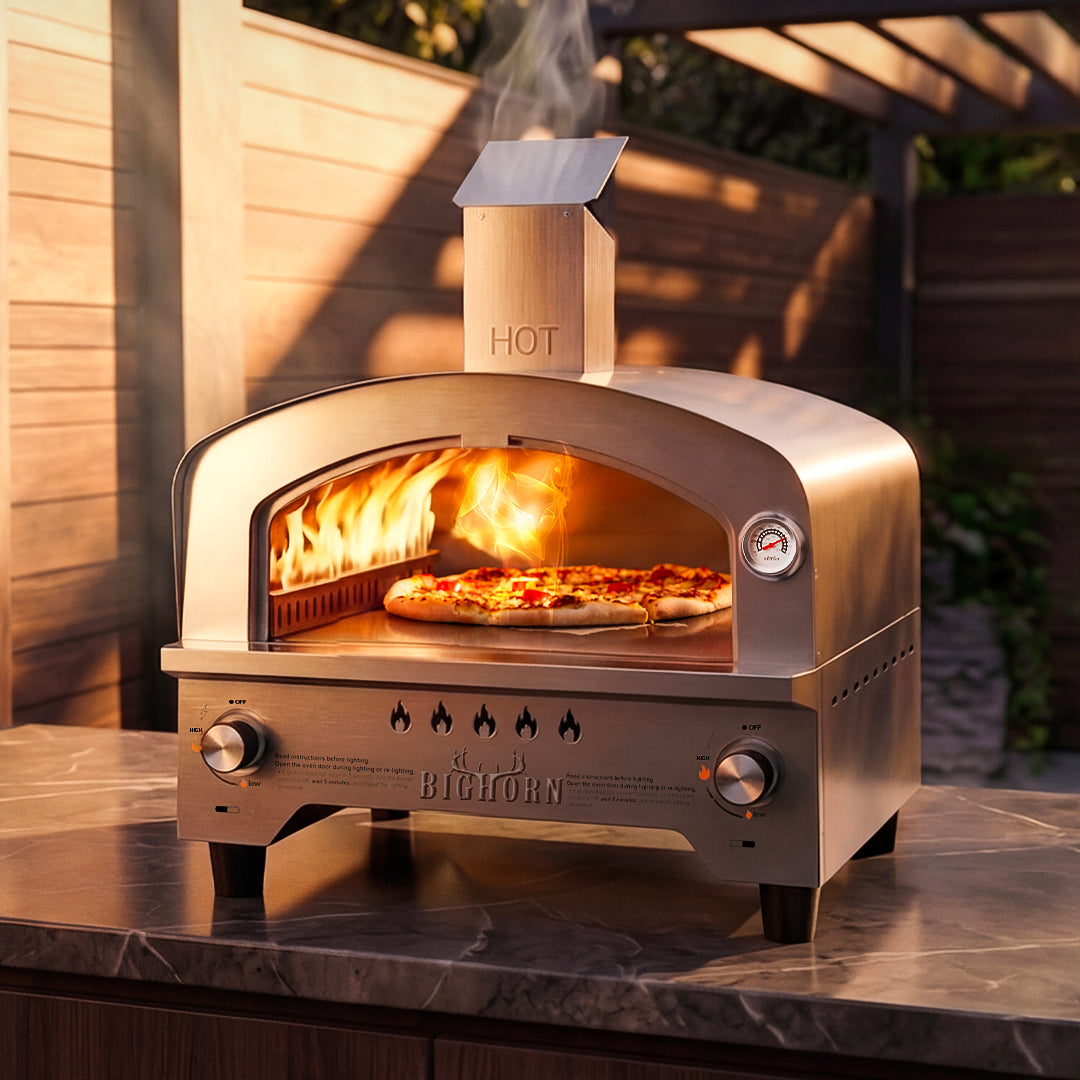
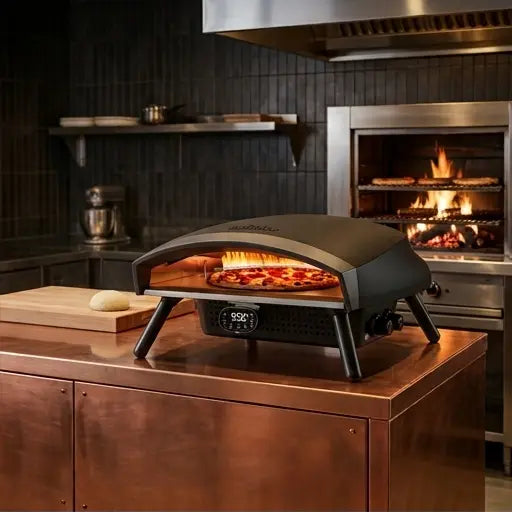
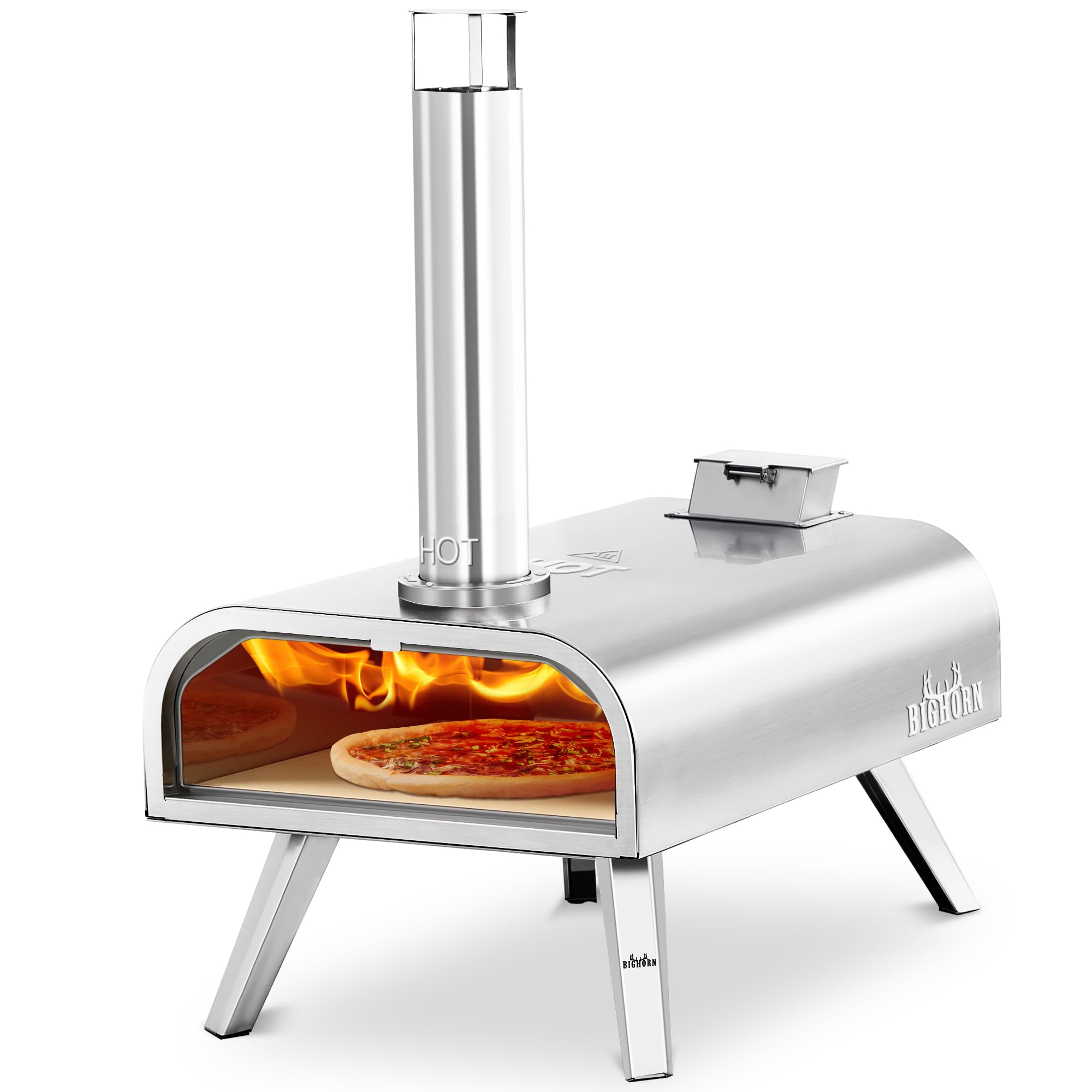
A 16-inch wood pellet pizza oven and a 12-inch portable wood pellet pizza oven both have metal shells that can sweat in the wrong weather.
Cold metal, warm fire and outside humidity
The physics is ordinary. A shell that sat overnight in cool, humid air is a cold surface. A short fire warms the chamber faster than it warms every seam and panel. Moist outdoor air, or moist air leaving the oven, can condense on the still-cool metal, especially after a lunch pie you shut down quickly. The same oven on a dry, warm afternoon may show nothing. Yard placement and wind can change how much of that air sits on the shell; the site’s yard layout, wind and seasonal setup page is the place for siting, not for this film itself.
When condensation is cosmetic versus a sign of wet fuel or a lazy fire
Cosmetic condensation is a film or a few drips on a cold day, with a fire that otherwise started cleanly and baked a normal pie. A warning sign is the same wet shell plus white, lazy smoke, hissing fuel, a sour bag, or a stone that never really woke up. Then the moisture on the outside may be the least of the story. Fix the fuel and the fire first. A wet shell alone, after a tidy short cook, is usually weather.
A small table: weather versus a short-cook expectation
| Weather and cook | What you may see | A reasonable response |
|---|---|---|
| A short lunch fire on a cold, damp morning | A film or beads on the shell | Let it cool enough to wipe; do not cover wet metal |
| A longer, settled fire on a dry afternoon | Often a dry shell | Normal; no special wipe beyond ordinary care |
| Any weather plus a smoky, lazy fire | Wet shell and poor baking | Check damp pellets and airflow, not only the film |
What to wipe, and what not to cover while the oven is still wet and warm
Once the oven is cool enough to touch safely, wipe the shell dry with a clean cloth. Do not soak vents, and do not spray a coating or oil into seams “to waterproof” a warm cooker. Do not put a cover on while the shell is still wet and warm. You will trap moisture against the metal and invite rust in the seams later. Wait until the oven is cool and dry, then cover it.
Common failures: a cover on a wet shell and rust in the seams later
The failure is almost always impatience: a wet, slightly warm oven, a cover pulled on because you are going back inside, and rust or staining in the seams a few weeks later. Stay with the cooker until it can dry, or leave it uncovered in a safe, dry place until it can. NFPA grilling safety and U.S. Fire Administration cooking-fire prevention still apply during that wait. Keep the oven outdoors; EPA carbon monoxide guidance is the official reason a damp-day cook does not move into a garage “just to stay dry.”

A slightly longer heat window that often clears the film
If you have the time, a slightly longer settle after a short pie — a few more minutes of clean fire, not a second party load of pellets — often warms the shell enough that the film evaporates. This page will not invent a minute count for that window. Watch the metal, not a slogan. If you only baked one pie on a compact cooker, the site’s note on flexible outdoor cooking with a 12-inch pellet pizza oven is a useful companion for small cooks, not a requirement that you over-fire the oven to dry it.
When to look at vents, a leaking cover or stored-damp pellets instead
If the shell is wet after every cook, including dry days, look at a cover that leaks onto the oven, pellets stored damp in the hopper, or a vent path that is packing with ash and keeping the fire smoky and cool at the edges. Those are different fixes. Do not keep wiping a symptom if the fuel or the cover is wetting the cooker between uses.
A storage habit after short lunch cooks
After a short lunch, let the oven cool, wipe the shell if it is damp, confirm it is dry, then cover it. Empty or seal leftover pellets so they do not sit in an open hopper through a wet night. Confirm a current listing in the pellet pizza oven collection if you are buying a cooker you expect to use for short, frequent cooks in cool weather.
Keep leftover pizza on official leftover rules: USDA leftover guidance and FDA safe food handling say to refrigerate within two hours — one hour if it is over 90°F — and FoodSafety.gov lists 165°F for a reheat. CDC carbon monoxide information is another official reminder that this fire stays outside.
If a short, cold-day cook has left a film on the shell, confirm the current 16-inch wood pellet pizza oven listing, wipe the metal only when it is safe, and do not cover the oven while it is still wet and warm.
FAQ
Why is condensation dripping from my oven door?
On a kitchen oven, door drips often come from moist food in a cool, closed box. On a pellet pizza oven outdoors, a short cook on cold, damp metal can put a film or drips on the shell the same way. That is often weather, not a broken oven. If the fire was also lazy and smoky, check wet fuel next.
Why is my pizza oven smoking so much?
A lot of white, lazy smoke is more often a fire or fuel problem than a wet shell. Damp pellets, a short smoky start, or a choked pot can smoke heavily. Condensation on the outside can appear at the same time on a cold day, but wiping the shell will not fix a wet bag. Burn a cleaner, drier fire.
How unhealthy is wood fired pizza?
This page is not medical or nutrition advice, and it will not invent a risk number. Keep the oven outdoors, stay out of the smoke, and do not treat shell condensation as a reason to move the cooker inside. If you have health concerns, talk to a clinician.
How to burn wood pellets in a pizza oven?
Use dry pellets the manual allows, light a clean fire, and stay with it. A short lunch cook on a cold day may still leave moisture on the shell; that does not by itself mean you burned the fuel wrong. Give the oven a little more heat if the film persists, and do not cover a wet, warm shell.
More to Read
Using the Height Crank Through One Asado: A Raise-and-Lower Timeline
Use a parrilla height crank through one asado: start high, lower for color, raise to hold, and refresh the fire when height alone cannot help.
Lighting a Parrilla From a Brasero or Fire Basket Instead of Under the Grate
Light an Argentine parrilla in a brasero or fire basket, then move ready coals under the grate so the starting fire does not sit under the meat.
Gift-Day Unboxing a Wood Pellet Pizza Oven: Parts Photos and a First-Burn Plan
Unbox a gift wood pellet pizza oven by photographing the parts, saving the manual, and planning a two-pie first burn — not a same-hour party.