







Multi-Fuel & Convertible Ovens
The element is on, the dial looks confident, and the pie still comes out pale on top or scorched on one edge. That is usually not a mystery about “what electricity is.” It is a thermostat, outlet, and bake-window problem on an add-on pizza oven electric heating element.
This page is a companion to the 1500W electric heating element with adjustable thermostat controller. It explains what the accessory is for, how to think about bake windows, and when a dedicated indoor electric oven is the better tool. It does not repeat a full cleaning protocol; that work already lives in the electric pizza oven heating element cleaning guide.
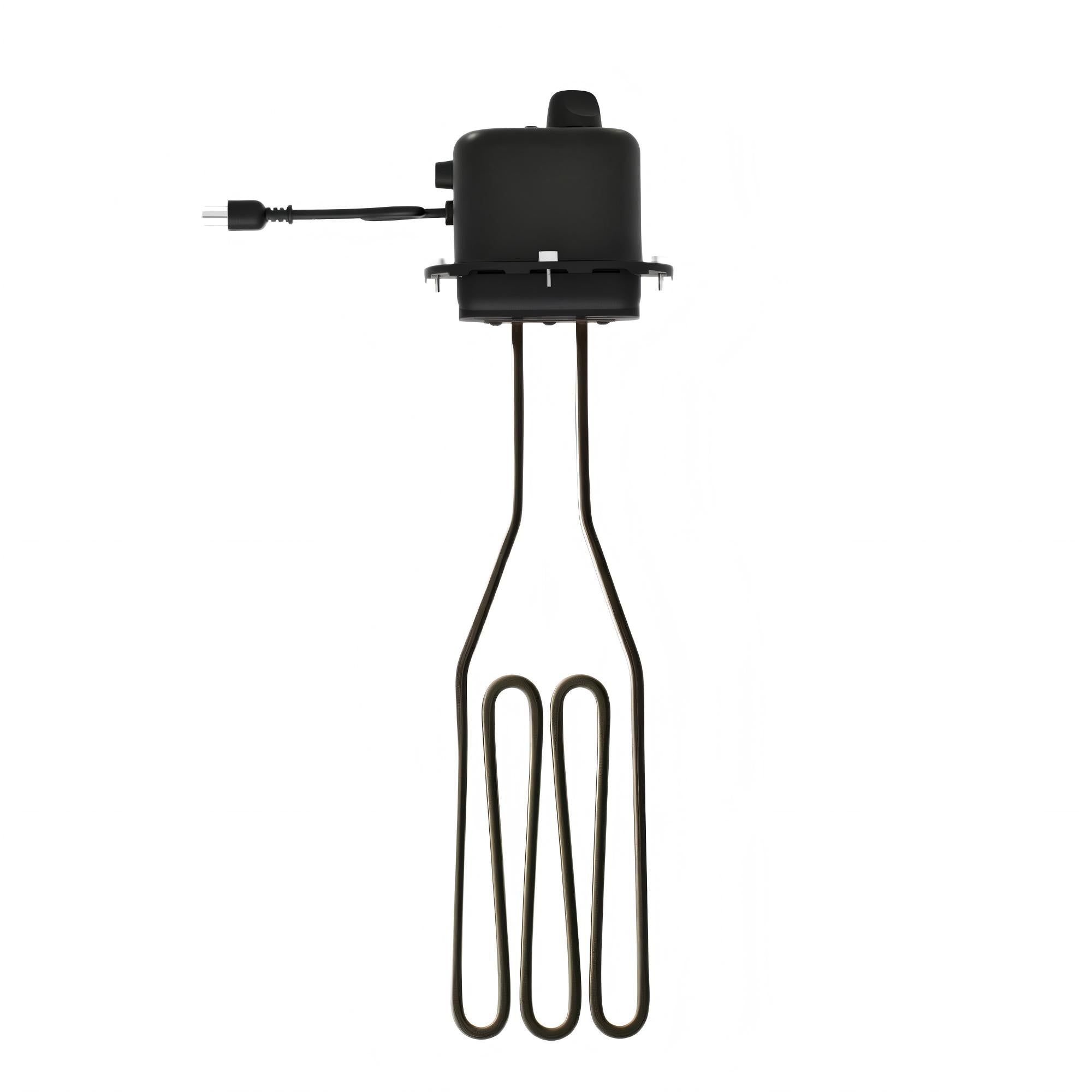
What is an add-on element for?
An add-on element lets a compatible outdoor pellet or multi-fuel oven run on electricity when you want steadier, lower-maintenance heat than a pellet fire, or when you want a calm roast after a hotter course. It is an accessory, not a second oven body.
The current product page describes a rear-panel, tool-free attachment made for Big Horn Outdoors 12-inch pizza ovens, a control dial, a low-power mode for gentler roasting of meats and vegetables, and a claim of temperatures up to 1000°F. Quote those only as live-page claims, and confirm the listing plus your oven manual before you rely on a number. The same page also mentions a 2-year warranty against defects; policy details belong on the current warranty terms, not in a blog promise.
If your oven is not a compatible 12-inch body, do not force the fitting. A 12-inch triple-fuel pizza oven is designed to accept electric as one of its accessory paths, with the heater sold separately. That is the use case this page assumes.
Thermostat ranges for pizza versus roasting
Use the dial as a window, not as a pizza-style name. High-heat pies still need a soaked stone and a lively top; a mid or low setting is for longer bakes, bread-like doughs, or a roast that should not see a roaring flame. If the control has a low-power mode, that is the roasting lane, not a Neapolitan shortcut.
Because add-on elements heat differently than a pellet flame, give the stone more honest time than the moment the coil looks bright. Check more than one point on the deck. Style bands and stone-versus-dome reading belong on the pizza oven temperature zone guide rather than in a second definition of dough heat here.
If a setting that “should be hot enough” still dries the rim before the bottom sets, the stone is behind the element, or the pie is too loaded. Move the recipe to a calmer window, or wait. Do not keep twisting the dial every 30 seconds; hunting the thermostat is how you get zebra crusts.
What power and outlet checks matter?
Match the accessory to a sound outdoor-ready outlet.
The element is listed as 1500W, so use a suitable circuit, a dry, outdoor-appropriate cord setup, and a cool, fully seated install; do not daisy-chain cheap indoor cords across a wet patio.
Install only when the oven is cool and dry. Keep plugs off standing water, and never energize the accessory in rain. If a breaker trips, stop and diagnose the circuit instead of repeatedly resetting it beside a wet deck. Energy and household-electricity common sense from resources such as Energy.gov is not a substitute for a licensed electrician, but it is a reminder that a patio outlet is part of the recipe.
Keep cords away from the hot shell and from walkways. An electric outdoor cook is still an outdoor fire risk if a cord melts or a pan flares, so the same spacing habits from the NFPA grilling safety pages and U.S. Fire Administration cooking-fire guidance still apply around the oven.
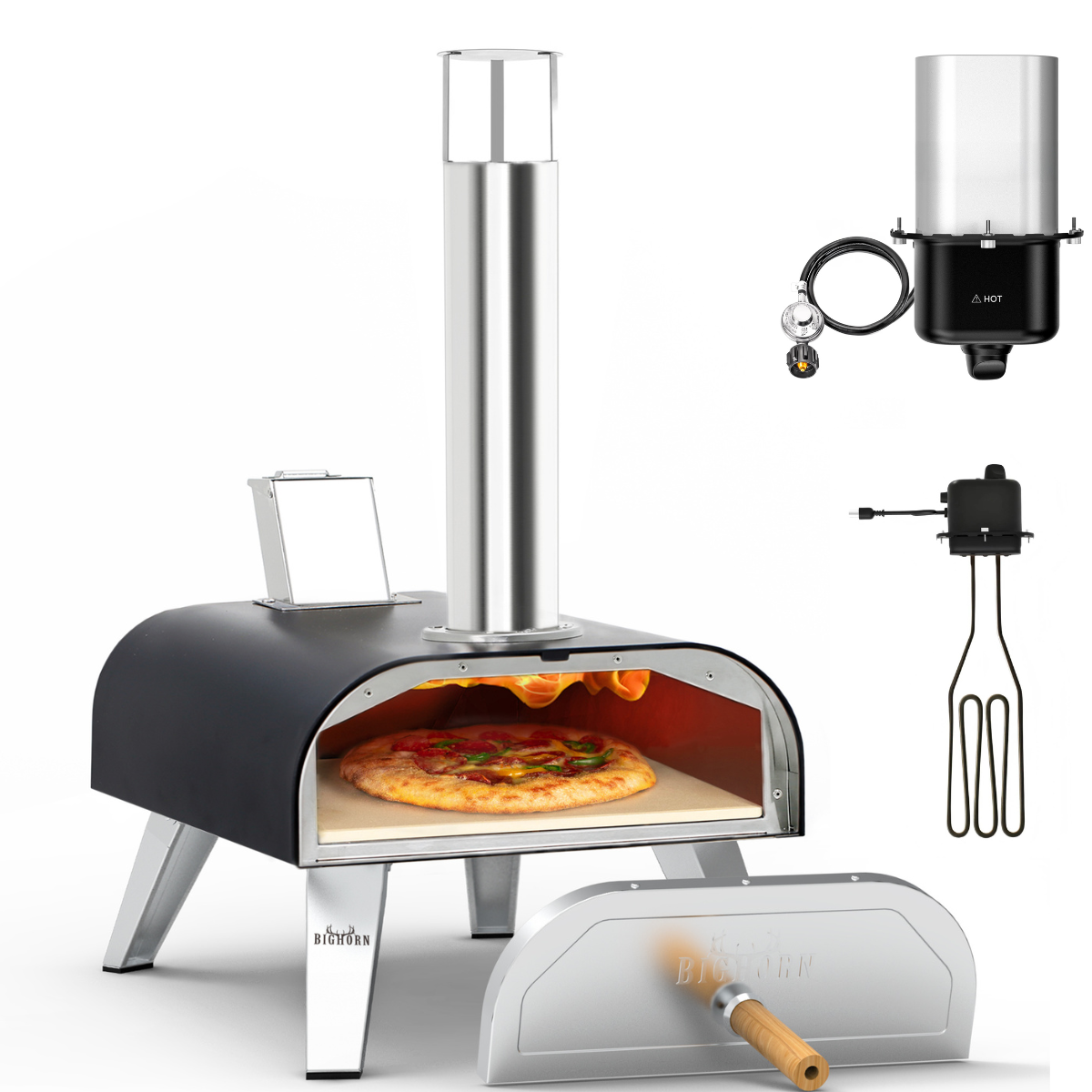
Bake windows that actually finish food
A bake window is a short, stable period when stone and top heat agree with the food you launched. For thinner pies, that window is brief and the stone must already be hot. For thicker doughs, vegetables, or a roast on low-power mode, the window is longer and more even, and you should not expect leopard spotting in 60 seconds.
Launch one probe item and read it. If the bottom lags, wait and stop crowding the deck. If the top races, lower the setting or extend distance from the hottest surface, depending on how your chamber is built. Write down the dial position that worked on a calm night so a windy night does not send you back to guesswork.
How do you pair the element with a pellet or multi-fuel oven?
Run one fuel path at a time.
Fit the element only after a pellet or gas fire is fully out, the chamber is cool, and ash or a burner has been cleared from the attachment area.
Electric is a strong second act for a roast, or a full-session choice when you want less fire management. It is a poor partner for a still-smoldering pellet bed. If you need a mid-cook changeover sequence, use a dedicated switching guide rather than improvising with a live coil and leftover embers. Always keep the work outdoors with air movement; an electric element does not make an enclosed patio safer if you also have combustion fuels nearby. EPA indoor-air carbon monoxide guidance still matters for any fuel-burning part of the night.
Safety and cool-down before you touch the element
Unplug and wait. The coil and the surrounding metal can stay hot long after you think the cook is over. Cool-down is also the start of any cleaning; the cleaning guide covers what to touch and what to escalate. Do not wrap a hot element, drop it in water, or leave it on a plastic table to “finish cooling.”
During the cook, stay with the oven. Home cooking-fire advice from Ready.gov home fires and the Red Cross fire safety pages is written for indoor kitchens, but unattended heat is still the pattern to avoid on a patio. Local electrical and fire rules apply.
When should you buy a dedicated electric oven instead?
Buy a dedicated indoor electric oven when most of your pizza nights happen on a kitchen counter, you want preset modes, or you do not want to manage an outdoor chamber at all. The current page for the 14-inch indoor electric countertop pizza oven lists about a 15-minute preheat, 14-inch pies in about 3 minutes, a 220-850°F range with PID control, 1800W, and six preset programs on the stainless model. Those are indoor-appliance claims, not ratings for the 1500W outdoor add-on.
Keep the add-on element when you already have a compatible 12-inch outdoor oven and you want plug-in flexibility on the patio. Browse the electric pizza oven collection when the kitchen, not the backyard, is the main stage. The table below keeps the two tools from being treated as twins.
| Tool | Where it lives | Control style | Choose it when |
|---|---|---|---|
| 1500W add-on element | Compatible 12-inch outdoor oven | Thermostat dial and low-power mode, per the accessory page | You already own the outdoor oven and want stable plug-in sessions |
| 14-inch indoor electric oven | Kitchen counter | Presets and/or manual knobs, per that product page | You want indoor convenience without a patio chamber |
If you want thermostat-controlled backyard sessions on a compatible 12-inch oven, confirm the fit and claims on the current 1500W electric heating element page, and install it only on a cool, dry chamber.
FAQ
What is the heating element called in an oven?
In many kitchen ovens the part is a bake element, often a sheathed tubular or calrod-style resistive heater. The outdoor accessory on this page is described on its product listing as a 1500W electric heating element with an adjustable thermostat controller, made for Big Horn 12-inch pizza ovens. Use the name and fit in your manual, not a generic hardware-store element.
How hot do electric pizza ovens get?
It depends on the appliance. The current 14-inch indoor electric countertop pizza oven page lists a working range of 220-850°F with PID control. The current 1500W add-on element page describes temperatures up to 1000°F. Those are product-page claims for those models, not a universal electric-pizza rule, so confirm the live listing before you cook to a number.
What can I use to clean a heating element?
Only when the element is unplugged, cool, and dry. A soft, dry brush or a dry cloth on cooled metal is the conservative start; do not soak the element, run it under a faucet, or hit it with oven cleaner or metal pads. For a fuller touch-and-avoid list, use the dedicated heating-element cleaning guide rather than improvising around a live cord.
What element is used in an electric heater?
Most electric heaters use a resistive metal heating element that turns electrical current into heat. The pizza-oven accessory discussed here is a 1500W element with a thermostat dial and a low-power mode, designed as an add-on for compatible 12-inch ovens, not as a household space heater. Never borrow a room-heater element for food, and never use this accessory as a space heater.
More to Read
Leftover Holiday Turkey on the Grill or in the Pizza Oven: Sandwiches, Tostadas and a White Pie
Give leftover turkey a second heat, not another roast: grill sandwiches or tostadas, or bake a white pie, after a safe leftover inventory the night...
Parrilla Taco Night: Carne, Salsas and Grate Space for a Crowd
Run taco night on a parrilla as a grate-space plan: carne, a second protein, a salsa station, and tortillas held soft, without one crowded fire.
Bone-In Lamb Leg or Shoulder on a Santa Maria or Gas Grill
Grill a bone-in lamb leg or shoulder as a roast: Santa Maria height or a gas two-zone fire, a USDA safety floor, and a probe that does not touch bone.
