







Buying & Comparisons
A first pizza oven path is a decision about where you will learn: a countertop electric chamber in a legal kitchen, or an outdoor fuel oven on a measured pad. This is a beginner path guide, not a best-oven ranking. Choose the habit you can actually run this month.
Learning goals that fit electric
Start with electric if your first goal is to learn dough, sauce, and a consistent launch in a kitchen you already have, and if an intended indoor electric model is allowed in that room. A calmer chamber can be kinder for weekday pies, apartment life, and nights when you do not want to manage a cylinder or a hopper. Confirm the current 14-inch indoor electric countertop pizza oven listing for presets, published temperature range, and any marketing preheat or bake window; those figures are not a guaranteed first-pie timer.
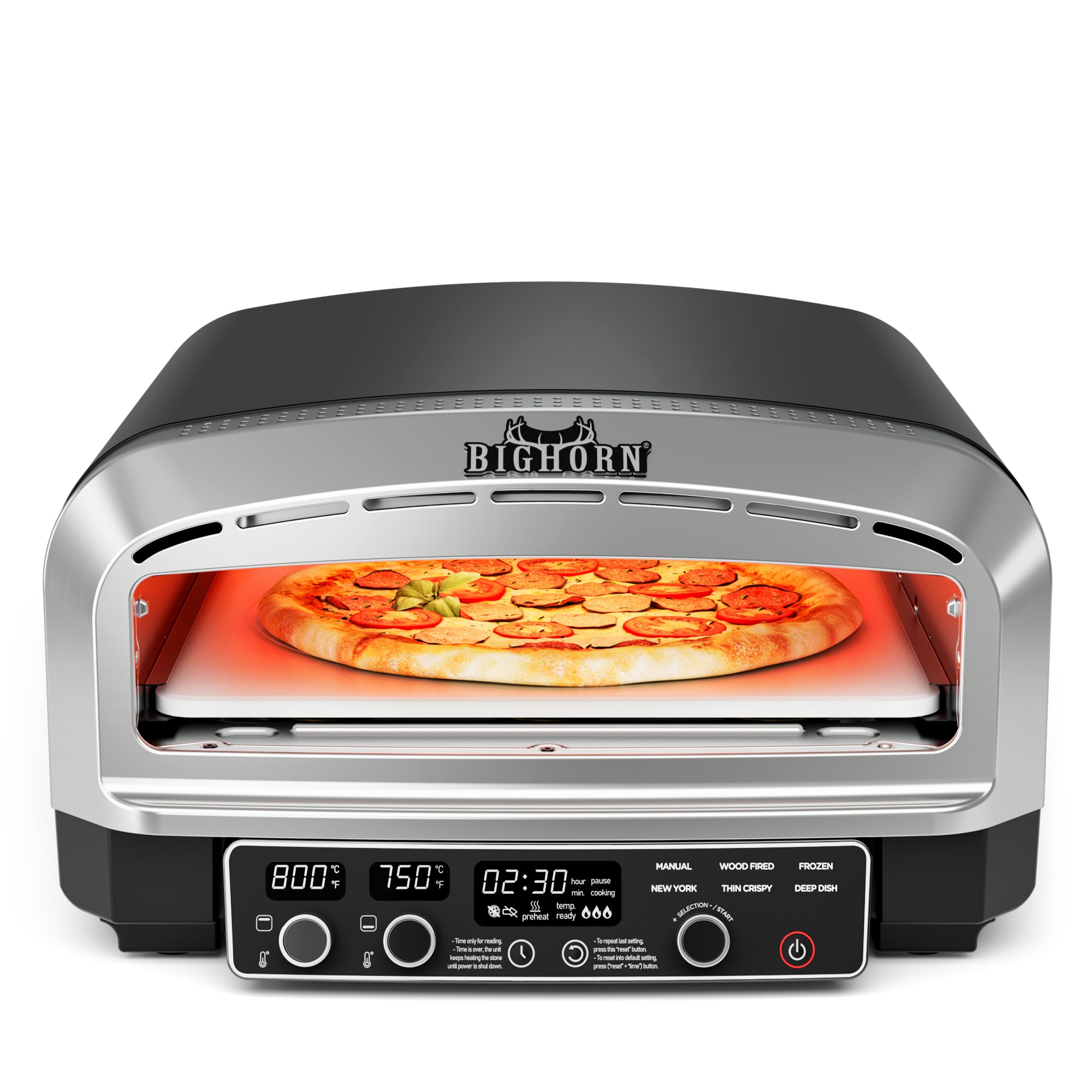
Browse the electric pizza oven collection if you are still comparing indoor formats, and use a careful kitchen-and-outlet check when the room is small. Electric will not automatically match a blasting outdoor deck, and that is acceptable if the goal is to learn, not to copy a restaurant screenshot on night one.
When outdoor fuel is worth day one
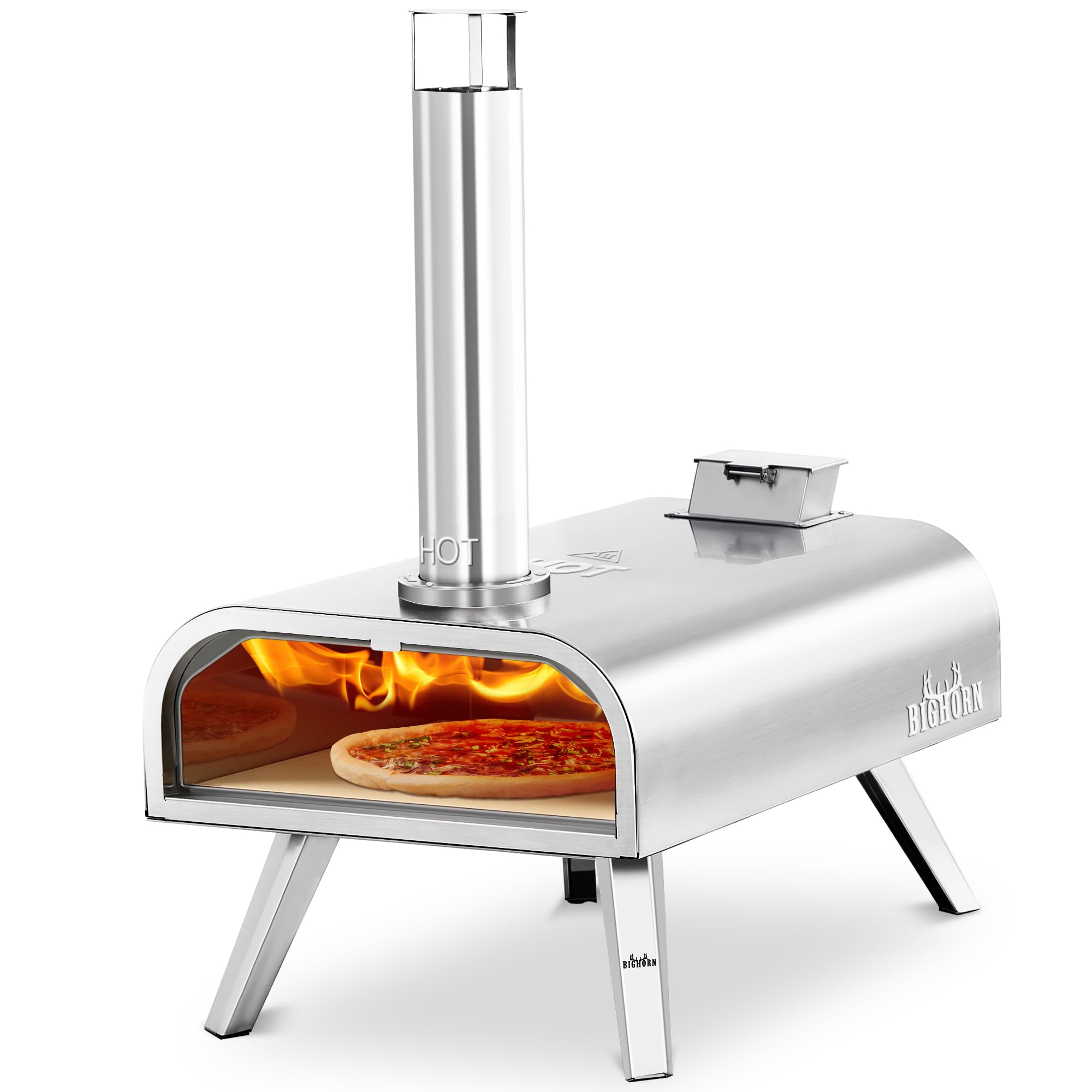
Jump to outdoor fuel on day one if you already have a legal pad, you want the live-fire ritual, and you are willing to learn wind, preheat, and fuel as part of the first month. A portable gas oven is often the simpler outdoor start; a pellet oven adds a fuel-and-flame skill. Confirm the current 16-inch gas outdoor pizza oven or the current 12-inch wood-pellet pizza oven listing, then read packed size, published output, and what is in the box.
The recently updated comparison gas versus pellet versus electric pizza ovens for beginners is the broader "which fuel family" page. Use it for that three-way survey, and use this article to choose a first path, not a medal. Older gas-versus-electric explainers can sit beside that survey; this guide will not rewrite them.
Space and neighbors
Outdoor fuel needs clearance, a level pad, and neighbors who can live with some noise and smell. Indoor electric needs an outlet, counter space, and a lease that allows the appliance. This article will not invent an HOA rule or a balcony permit. If the pad or the lease is still a question, electric in a legal kitchen is the more honest first path, or you wait.
Combustion ovens stay outdoors, including a "quick preheat" in a garage. EPA carbon monoxide information and CDC carbon monoxide information are the official reason. NFPA grilling safety and U.S. Fire Administration cooking-fire prevention still govern an attended outdoor fire and a clear area. National Weather Service wind safety matters if your only pad is a windy balcony or driveway.
Budget sequencing, in qualitative terms
Think in a sequence, not a fake price list. This article will not invent a dollar amount, a bundle discount, or a "start cheap, upgrade later" coupon. A useful sequence is often: learn on the chamber you can legally run, add a peel and a cover that actually fit, then consider a second path if the habit is real. Buying two chambers in the same week is a poor sequence if you have not yet stretched a dough.
Browse the portable pizza oven collection only after the outdoor pad is real. If money is tight, the kinder first purchase is the oven you will use, plus the tools that fit it, not a large outdoor crate that then needs a cart, a cover, and a rule exception.
The table below is a path map, not a ranking and not a price list.
| Situation | Often the more honest first path | Usually wait or rethink |
|---|---|---|
| Legal kitchen, no outdoor pad yet, want to learn dough now | An intended indoor electric oven, after you confirm the listing and the outlet | A gas or pellet oven "for later" with nowhere legal to light it |
| Measured outdoor pad, want fire and a weekend ritual on day one | A portable gas or pellet oven you have already sized, plus a fitting peel | An indoor electric unit you will ignore because your goal is live fire |
| Lease, HOA, or neighbors still unknown | A conversation and a smaller or indoor path, or a pause | A fuel-specific outdoor surprise |
An upgrade path
An upgrade is easier when the first oven taught you a habit. If electric taught you dough, an outdoor gas or pellet oven can be a later step on a pad you have now measured. If outdoor fuel taught you fire, you may still want electric for weeknights. You do not have to sell the first oven the week you buy the second, and you should not treat a marketing bake time on either listing as a reason to switch.
PAA-style "best pizza oven for a beginner" questions do not get a medal here. Other beginner surveys can sit beside this path guide; this page will not crown a winner. Do you oil a pizza stone before the first use? Usually no: follow the stone's current care notes, because oil can smoke and carbonize. For a first firing, follow the oven manual, preheat honestly, and keep combustion appliances outdoors.
A first-oven decision
Write down where the first fifty pies will actually happen. If that place is a kitchen, confirm the indoor electric listing. If that place is a legal pad, confirm a portable gas or pellet listing and the fuel rules. Then buy the peel that fits, and cook the first pie to a pace you can handle. Official food handling still applies: FDA safe food handling and FDA food safety in your kitchen for toppings and leftovers, Ready.gov home fire guidance for a general fire habit around an outdoor session.
If you cannot name the place, wait. A first oven is a habit, not a box you store for a someday patio.
How do you use a pizza oven for the first time? Read the manual, place a combustion oven outdoors on a stable, legal pad, preheat until the deck is honestly ready, and launch a simple pie you can already handle. That first session is a learning pass, not a test of a marketing minute count. If the first path is electric, use an intended indoor model on a safe outlet, and keep the first pie equally simple.
Key takeaways
- Choose electric when the first learning room is a legal kitchen; choose outdoor fuel when the pad and the ritual are already real.
- This is a path decision, not a beginner ranking and not a feature dump of every indoor and outdoor model.
- Confirm live specifications, and do not invent prices, HOA rules, or guaranteed bake times.
- Keep combustion ovens outdoors, and follow official food-safety and fire guidance on the first pie.
If you are still comparing fuel families, keep gas versus pellet versus electric pizza ovens for beginners nearby, then confirm a first chamber on the current 14-inch indoor electric countertop pizza oven or 16-inch gas outdoor pizza oven listing.
FAQ
What is the best pizza oven for a beginner?
This path guide will not award a best oven. Choose the chamber you can legally run where the first pies will actually happen, then confirm the live listing. Other beginner surveys can sit beside this page; they are not a medal ceremony either.
Is an indoor or outdoor pizza oven better?
It depends on the room, the pad, and the rules. Indoor electric fits a legal kitchen; outdoor gas or pellet fits a measured, legal pad. This article will not invent an HOA permit, and combustion ovens stay outdoors.
How do you use a pizza oven for the first time?
Read the manual, place a combustion oven outdoors on a stable, legal pad, preheat until the deck is honestly ready, and launch a simple pie you can already handle. If the first path is electric, use an intended indoor model on a safe outlet.
Do you oil a pizza stone before using it?
Usually no. Follow the stone's current care notes, because oil can smoke and carbonize. A dry, fully preheated stone is the usual first-use habit, not a seasoned-skillet coating.
More to Read
Leftover Holiday Turkey on the Grill or in the Pizza Oven: Sandwiches, Tostadas and a White Pie
Give leftover turkey a second heat, not another roast: grill sandwiches or tostadas, or bake a white pie, after a safe leftover inventory the night...
Parrilla Taco Night: Carne, Salsas and Grate Space for a Crowd
Run taco night on a parrilla as a grate-space plan: carne, a second protein, a salsa station, and tortillas held soft, without one crowded fire.
Bone-In Lamb Leg or Shoulder on a Santa Maria or Gas Grill
Grill a bone-in lamb leg or shoulder as a roast: Santa Maria height or a gas two-zone fire, a USDA safety floor, and a probe that does not touch bone.
