Gas Vs Pellet Vs Electric Pizza Oven: Which Is Best for Beginners?

ByJohn White
Share

For first-time buyers, the hardest part of choosing a pizza oven is not the recipe; it is picking a fuel type that matches your patience, space, and cleanup tolerance. Backyard pizza ovens now span electric, gas, and wood-pellet systems, and each fuel type changes how fast you heat, how much hands-on skill you need, and how you clean up afterward. Recent buyer roundups show most casual users prioritize consistent temperature, short preheat time, and low maintenance when choosing their first oven. These variables—learning curve, preheat time, and cleanup—are the fastest way to match a beginner’s needs to the right fuel type.

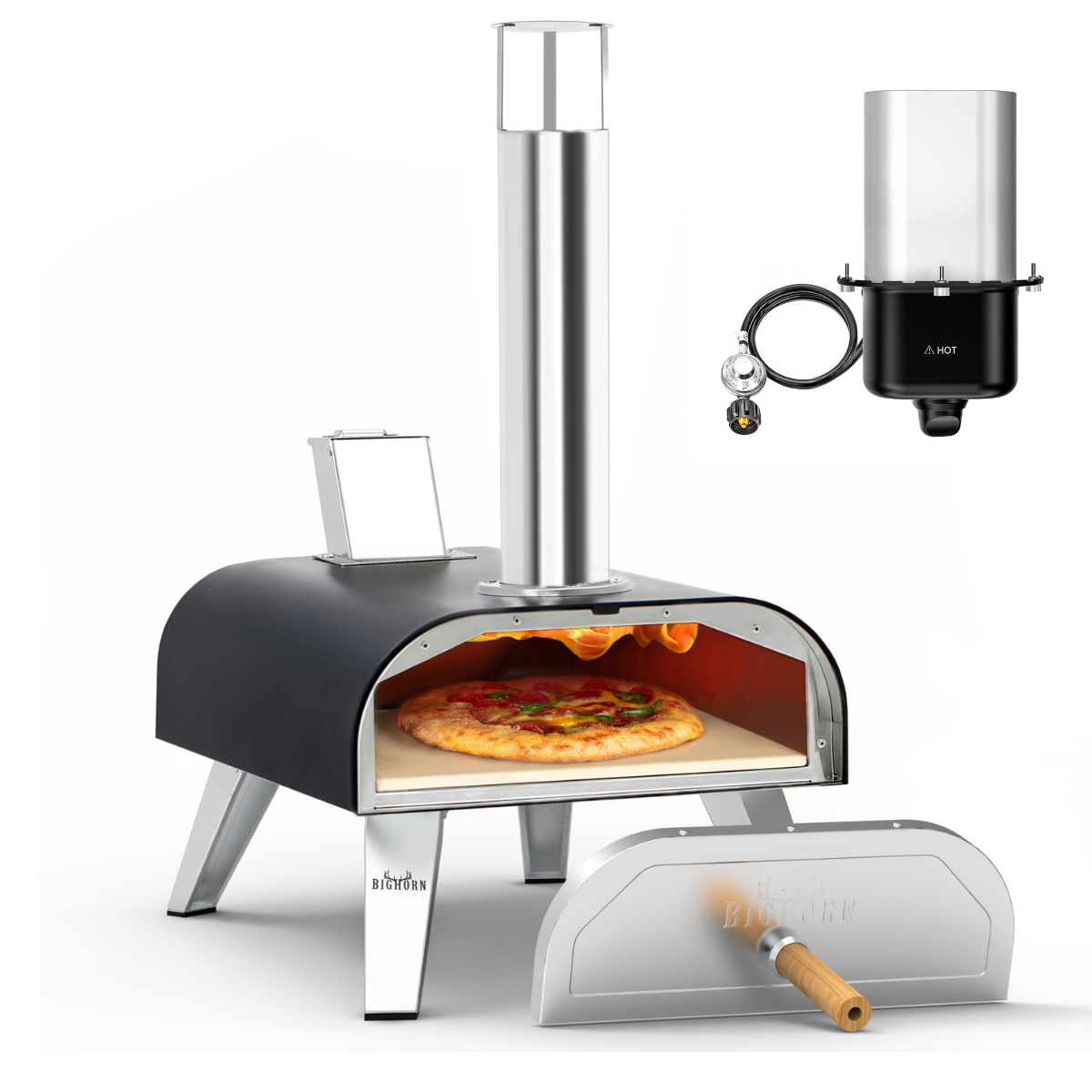
For beginners who want both approachable operation and authentic wood-flavored results, a versatile hybrid model like the Big Horn 12" Pellet & Gas Pizza Oven blends fast gas preheat and simple pellet flavoring in one unit, making it a convenient step-up from single-fuel countertop models.

What Is a Gas Vs Pellet Vs Electric Pizza Oven?

A beginner-friendly pizza oven is a dedicated appliance designed to reach and sustain higher cooking temperatures than a standard kitchen oven, with gas, pellet, or electric heat delivering different tradeoffs in speed, flavor, control, and maintenance.

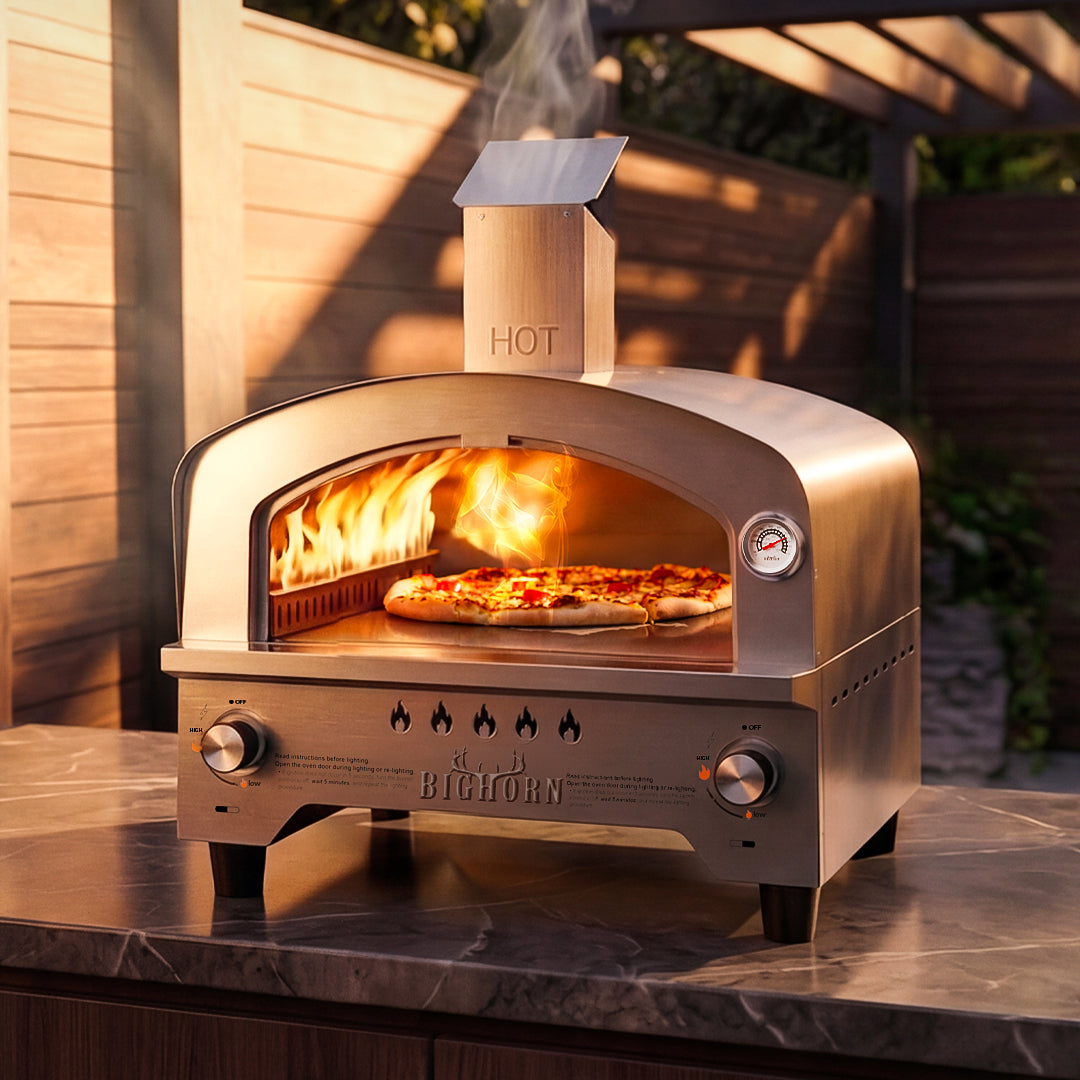
Gas ovens prioritize fast startup and simple temperature control.

Pellet ovens aim for a wood-fired smoky flavor profile with some active fuel management.

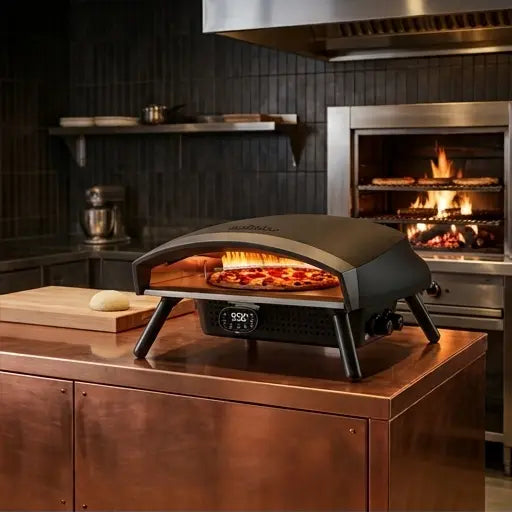
Electric ovens prioritize ultimate convenience, consistency, and indoor usability.

Pain Points Beginners Face Before Buying

Temperature control and consistency represent the steepest learning curve. Beginners often struggle to hit and hold the high surface temperatures Neapolitan or wood-style pizzas need. Ovens that require constant flame-management or frequent hot-spot rotation raise the skill floor significantly, meaning the easiest oven is not always the one with the highest peak heat.

Long preheat times can also be a major barrier to casual weekend cooking. Waiting 40 minutes for an oven to reach cooking temperature discourages spontaneous use, making a shorter warm-up cycle highly preferable for frequent cooking.

Cleanup and ash management are another key deterrent. Wood and pellet ovens produce physical ash and soot that require periodic cleaning and safe disposal. For new users, more moving parts and maintenance steps usually mean more chances to make the first few cooks harder than necessary.

Safety, placement, and ventilation regulations dictate where you can safely operate the unit. Outdoor pizza ovens are built strictly for open, ventilated spaces, while electric models are the safer fit for indoor countertop use. Choosing the wrong format can limit where the oven can be used at all.

Most beginner buyers rate short preheat and low cleanup as the top two purchase drivers when choosing their first pizza oven.

Comprehensive Fuel Type Comparison for Beginners

This comparison table highlights how the primary fuel categories stack up against beginner-friendly criteria, alongside the Big Horn dual-fuel benchmark:

Feature Gas Pizza Ovens Pellet Pizza Ovens Electric Pizza Ovens Big Horn 12" Pellet & Gas Pizza Oven
Learning Curve Low (Predictable control dial) Medium (Pellet feed and fire management) Very Low (Precise thermostat, passive control) Low-Medium (Gas mode is simple; pellet adds mild technique)
Preheat Time Short (10 to 15 minutes) Longer (15 to 30 minutes depending on burn) Short-Moderate (10 to 20 minutes) Short in gas mode (20 minutes to 350°C); pellet mode moderate
Max Temperature Very High (Easy to maintain) Very High (Requires active feeding) High (Varies; many top models reach 700-800°F) High (Bakes pizza in 60-90 seconds once ready)
Flavor Profile Clean, flame-kissed (No smoke) Best for authentic smoky wood flavor Minimal (Clean, element-driven) Good in pellet mode; mild and clean in gas mode
Cleanup Effort Very Low (Occasional wipe down) Higher (Ash removal and residue cleaning) Very Low (Crumb removal only) Low in gas mode; moderate ash handling in pellet mode
Placement Outdoor only (Ventilation required) Outdoor only (Clearance and ash control needed) Indoor-safe or outdoor countertop Outdoor recommended (Foldable legs and portable build)

Key Cooking Functions Explained

Fast preheat in gas mode is ideal for quick sessions. Gas burners deliver a direct, controllable flame so the chamber temperature rises quickly and predictably. This is valuable for beginners because shorter preheat and bake cycles make early practice less frustrating.

Flavor layering in pellet mode satisfies the desire for wood-smoke character. Pellets add wood smoke and charring that many pizza purists love. Modern pellet systems include a gravity-fed hopper that requires simple setup but some periodic monitoring to maintain the flame.

Precision and consistency make electric ovens highly appealing. Electric ovens use heating elements and digital thermostats to deliver repeatable results with minimal hands-on fiddling, making them the most beginner-friendly choice for indoor countertop use.

Real users often highlight these distinct experiences:

Gas mode gets dinner done fast, allowing you to bake a pizza in minutes without tending a fire.

Switching to pellets takes just an afternoon to learn, delivering a premium smoky crust.

Electric ovens are the most consistent, offering set-and-forget operation for busy weeknights.

Why the Big Horn 12" Pellet & Gas Pizza Oven Is a Strong Beginner Choice

It gives beginners a clear fuel decision by narrowing down choices on the collection page. Separating pizza ovens by fuel type reduces confusion and helps shoppers choose by cooking style.

It offers a dual-fuel entry point. The 12" Pellet & Gas Pizza Oven is designed for users who want both pellet and gas flexibility in one unit, with tool-free switching. This solves the common beginner problem of wanting convenience on some days and a more wood-fired feel on others.

It supports fast beginner results. The unit reaches 350°C in 20 minutes and can bake pizza in 60-90 seconds. Quick feedback cycles support faster learning when testing dough, sauce, and topping balance.

It is built for outdoor cooking and portability. The product design features foldable legs and simple assembly, making it easy to set up for weekend cooking and store away between uses.

Related Products and Accessories

To get the most out of a pizza oven setup, matching the right accessories to your fuel choice ensures smoother operation:

The Pizza Oven Collection serves as the primary category page for comparing fuel types and browsing the broader lineup.

The 12" Pellet & Gas Pizza Oven represents the featured beginner-friendly hybrid model that supports the fastest path from fuel comparison to product consideration.

Electric Pizza Ovens provide a simpler, indoor-safe countertop alternative for buyers whose main concern is ease of use rather than outdoor wood flavor.

The Pellet Accessory Kit, including specialized hoppers and cleaning tools, helps manage ash and fuel feed with minimal mess.

The Pizza Peel and Stone Set provides the essential tools needed to launch, rotate, and retrieve pizzas safely while protecting the baking surface.

How to Choose and Use Your First Pizza Oven

Decide on your primary location. Choose a well-ventilated outdoor spot for pellet or gas units, keeping them away from structures and overhanging materials. Confirm indoor suitability if you want a countertop electric model.

Pick your fuel based on daily priorities. Choose gas if you want fast preheat and simple control; pick pellet for authentic wood flavor; pick electric for low maintenance and indoor convenience.

Assemble and perform a safety check. Follow the manufacturer assembly instructions. For gas models, confirm safety and conformity details. Outdoor specialty gas appliances are covered under standards like CSA/ANSI Z21.89, which define fuel system and pressure requirements.

Run an initial burn-in session. Many ovens require a short burn-in or seasoning to cure finishes and burn off manufacturing residues. Run the oven at medium heat per instructions before cooking your first pizza.

Preheat the stone correctly. For Neapolitan-style pizza, aim for oven surface temperatures of 700°F to 900°F. Use gas mode for the fastest ramp time, and allow pellet burns to stabilize to avoid excessive soot.

Clean and store the oven safely after use. Scrape the baking stone clean, empty the ash chamber from pellet mode once completely cool, and wipe down the exterior. Store fuel pellets in a dry, airtight container to prevent moisture absorption.

Real-World Use Case Scenarios

Scenario A: A first-time backyard buyer wants the easiest route to quick weeknight pizza.

Traditional approach: Buying a basic single-fuel wood oven requires long warm-up times and active wind management, making weekday baking impractical.

With Big Horn: Light the gas burner, preheat for 15 minutes, slide in a thin pie, and remove it in 90 seconds. The process is fast, repeatable, and low effort.

Scenario B: A shopper wants a weekend backyard party with authentic wood-fired flavor.

Traditional approach: Building and maintaining a traditional wood fire takes years of experience; active ash and smoke management distracts from hosting guests.

With Big Horn: Load the pellet hopper, light the feed, and let the oven develop a smoky character without full manual wood fueling, allowing you to focus on your guests.

Scenario C: An apartment or indoor countertop cook wants consistent pizza.

Traditional approach: Large backyard units are not an option due to safety and ventilation limits.

With an electric oven: Set the digital thermostat on an indoor electric model to achieve consistent, set-and-forget bakes with minimal cleanup and zero combustion emissions.

Frequently Asked Questions

Which pizza oven type is best for beginners?

For most beginners, gas is the easiest outdoor choice because it offers fast startup and simple temperature control. Electric is the least complicated option overall when indoor use is the priority.

Is pellet cooking harder to use than gas?

Yes, pellet cooking adds fuel management and ash cleanup, though it delivers a more authentic wood-fired flavor profile than gas or electric.

How long does the 12" Pellet & Gas Pizza Oven take to preheat?

The oven reaches 350°C in 20 minutes in gas mode, which is fast enough to make beginner practice highly manageable.

How fast can it cook a pizza?

Once fully preheated to optimal temperatures, the oven can bake a pizza in 60 to 90 seconds.

Is an outdoor pizza oven safe to use indoors?

No. Outdoor pizza ovens are meant only for open, ventilated spaces. Electric models are the only safe option for indoor countertop use. National outdoor cooking safety guidance, such as from the NFPA, recommends keeping gas and solid-fuel equipment outside, away from structures and overhanging materials.

What safety standards apply to gas pizza ovens?

Gas models should confirm applicable safety and conformity details. For example, CSA/ANSI Z21.89 covers outdoor cooking specialty gas appliances, outlining pressure, fuel system, and material requirements for newly produced units.

How much cleanup should I expect after cooking?

Electric ovens require very low maintenance, usually just a quick wipe down. Gas ovens require periodic burner checks. Pellet ovens require moderate cleanup, including emptying the ash from the hopper and combustion chamber once cool.

Is a multi-fuel oven worth it for a beginner?

Yes. A multi-fuel unit offers the best of both worlds: quick and easy cooking in gas mode with the option to experiment with wood-smoke flavor when you have more time, helping to ease the learning curve.

Conclusion

For beginners, the best pizza oven is the one that matches real-world habits rather than the one with the highest maximum temperature. Gas remains the easiest entry point for outdoor cooking, pellet adds a wood-fired experience, and electric offers the ultimate convenience for indoor use.

The Big Horn Outdoors collection is a strong fit for this comparison because its lineup clearly separates fuel types, and the 12" Pellet & Gas Pizza Oven gives beginners a flexible, dual-fuel path into outdoor baking. If you are ready to make a purchase decision, the next step is to review the product options, compare your fuel priorities, and select the system that fits your backyard or kitchen layout.


More to Read

Rotating Stone Gas Pizza Oven: Is the Automation Worth It? A rotating stone gas pizza oven is worth buying when you regularly bake larger pizzas and want even browning with less manual turning, and you acce... 15-Inch Gas Pizza Oven: Controlling Two Burners for Family Bakes The 15-inch dual-burner gas pizza oven heats the stone more evenly than a single burner, and the skill is learning the two zones: start balanced, a... Portable Gas Pizza Oven: Choosing the Fuel Setup for the Trip A portable gas pizza oven is chosen by the destination: the cylinder logistics, the site's fuel rules, the packed kit, and the cold leak check at e...