

The difference between an infrared grill and a conventional gas grill is how heat reaches the food. A conventional gas grill heats the air and the grates, which then cook the food; an infrared grill passes the flame's energy through a burner surface that radiates intense heat directly to the food. That change produces faster searing and higher surface temperatures, but it does not change the fuel — both are propane grills — and it does not automatically mean one tastes better. This guide compares the two across heat, sear, flavor, cost of operation, learning curve and cleaning, and explains what a "1500°F" rating does and does not mean.
How the two heat differently
On a conventional gas grill, burner flames heat metal bars or flavorizer bars, which heat the air inside the grill; the food cooks mostly by hot air and by contact with hot grates. That system is forgiving — heat is spread across the chamber and the temperature is relatively even. An infrared burner uses a ceramic or metal emitter that the flame heats until it glows, radiating energy straight at the food above it. Radiant heat transfers faster than hot air, which is why infrared grills sear in seconds and can reach much higher surface temperatures than a typical gas burner.
The trade-off is control and forgiveness. A conventional grill gives you a broad, steady heat zone; an infrared burner gives you an intense zone that responds fast but demands attention. Neither is better overall — they are different tools, and the right one depends on what you cook most.
What the 1500°F rating really means
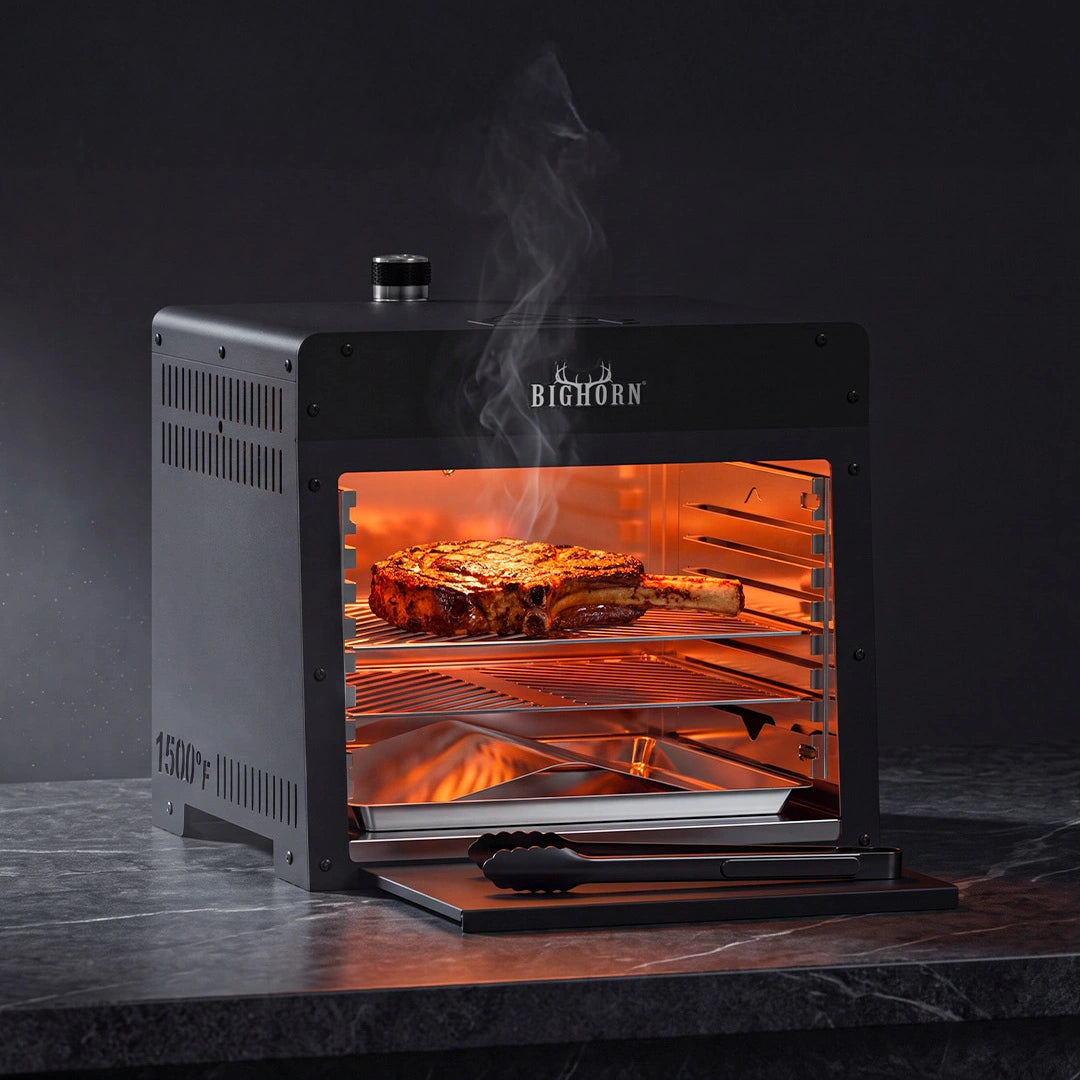
A "1500°F" rating on an infrared grill describes the burner's heat output capability, not the temperature of the food or even the temperature of the grate at every point. It is a marketing number that tells you the burner can produce very high radiant heat — the kind that sears a crust in a minute or two — but the actual cooking surface temperature depends on the design, the distance between burner and grate, and the setting you use. Treat 1500°F as "this burner is very hot," not as a promise that your grill maintains 1500 degrees across the cooking surface, because no grill cooks food at that temperature evenly.
Sear and flavor comparison
Infrared grills win on sear speed. The radiant heat builds a crust faster than a conventional gas burner, which matters for steaks and other foods where you want maximum browning with minimum interior overcooking. Flavor is a separate question: since both grills burn the same propane, neither adds wood smoke, and the flavor difference comes down to how the crust develops, not the fuel. A well-seared crust on an infrared grill tastes different from a slower crust on a gas grill, but "different" is not automatically "better" — some cooks prefer the deeper, slower browning of conventional gas for certain foods.
When each grill makes sense
Choose infrared when your cooking is built around fast, high-heat sears: steaks, chops, burgers you want crusty in minutes, and quick meals where the grill is the finisher rather than the oven. Choose conventional gas when you cook a variety of foods at once, roast whole birds or large cuts, cook low and slow, or want a grill that forgives distraction. A family that grills burgers twice a week and roasts a chicken every Sunday is better served by conventional gas; a cook who treats the grill as a steakhouse sear station is the natural infrared buyer. If your answer is "both," the combination grill with an infrared sear zone exists for exactly that reason.
Learning to sear on infrared
Searing on infrared is a different rhythm from gas. The heat is intense and immediate, so you preheat shorter, oil the grates, and place the food with intention — there is no gentle warm-up zone to rescue a misplaced steak. Learn to trust short cook times: a steak that needs several minutes per side on a conventional grill may need well under half that on an infrared burner, and the difference between perfect and overdone is measured in seconds. Use a thermometer, pull the food at the target temperature, and let carryover do the rest. After two or three cooks, the faster rhythm feels natural; before that, it feels like the grill is faster than you are — which is exactly the point.


Cost of operation and learning curve
Both types run on propane, so fuel cost is comparable; the differences are in how you cook. Infrared burners can use more fuel at high output, and they reward attention — you learn to sear in bursts and move food instead of setting and forgetting. Conventional gas grills are easier for beginners and for long, unattended cooks, because the heat zone is broad and stable. If most of your cooking is steaks and quick sears, the infrared learning curve pays off quickly; if you roast chickens and smoke ribs for hours, the conventional layout is the more practical daily tool.
Cleaning and upkeep
Maintenance is where the two really diverge. Conventional gas burners are durable and easy to clean; infrared emitters need gentler care because the radiant surface can be fragile and clog with grease. A grill that combines both — conventional burners for most cooking plus an infrared sear zone — gives you the best of both worlds at the cost of maintaining two systems. Before you buy, check how accessible the burner and drip management are, because the grill you can actually clean is the grill that keeps performing.
Infrared vs gas grill: quick decision guide
| Priority | Better fit | Why |
|---|---|---|
| Fast steak searing | Infrared | Radiant heat builds crust in bursts |
| Even, forgiving heat | Conventional gas | Broad steady zone for roasts and poultry |
| Easy beginner learning | Conventional gas | Set-and-forget heat zones |
| Long low-and-slow cooks | Conventional gas (or a smoker) | Stable low heat without an intense radiant zone |
| Best of both | Combination grill | Conventional burners plus an infrared sear zone |
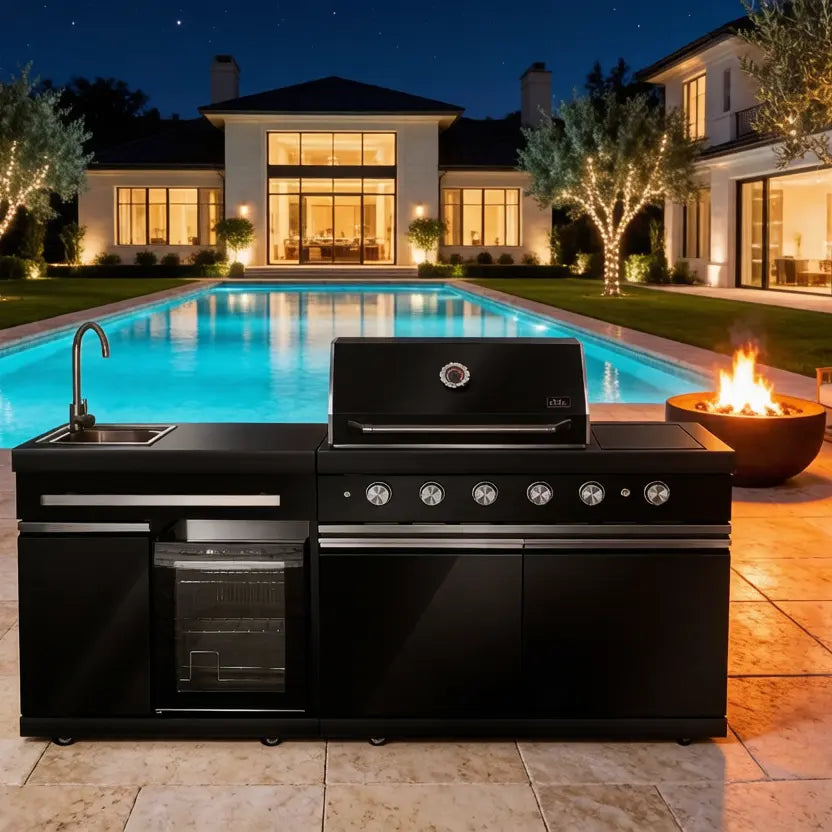
Big Horn's portable infrared grill line, including the portable infrared steak grill, is built around fast, high-heat searing, while the grills and griddles collection covers conventional gas layouts and combination islands. Start with the decision matrix, match it to your cooking, and let the two collections show you the models that fit the choice.
Before you buy, test the category in practice if you can: cook a steak on a friend's infrared grill and one on a conventional gas grill, using the same steak thickness and thermometer targets, and compare the crust, the interior and the experience. That single comparison teaches you more about the heat-delivery difference than any review, because it removes the marketing and leaves the actual cooking. If you cannot test, at least match the decision matrix to your menu — the matrix was built to predict which cooking style you will enjoy, and your weekly menu is the best predictor available.
One more honest note on ratings: marketing numbers like 1500°F describe what the burner can produce, not what your steak will experience at the grate. When you compare models, look past the headline temperature to the practical details — burner coverage, distance from burner to grate, wind behavior and how the heat is controlled. Two grills with the same rating can sear very differently, and the one that fits your cooking is the one that matters, regardless of the number on the box.
If your answer lands on "combination," choose the layout that matches your default cook: a conventional multi-burner island with an infrared side or sear burner gives you the broad zone for everyday grilling and the intense zone when you want a crust. Combination grills cost more and ask you to maintain two systems, but for a household that grills everything from burgers to whole chickens, they remove the need to choose between the two heat styles at all. Whichever path you take, the decision matrix and the honest reading of the ratings will get you to a grill that matches the way you actually cook — and that match is what makes a grill feel worth every penny.
Product details and prices in this guide were verified against official Big Horn Outdoors listings during the September 5, 2026 review; re-check prices and availability at checkout.
Explore more in the Infrared Grill Buying Guides.