







Pellet Pizza Oven Ownership
Last night the first pie was fine and the second would not recover. The hopper still had pellets, the flame looked tired, and the firebox was sitting on a soft bed of ash. That is the case this routine is built from: pellet pizza oven ash cleanup is airflow work, not a rainy-day chore you invent after the fire already failed.
This page is a between-cooks routine that protects airflow. It is not a pellet-storage or food-grade buying guide, and it is not a full diagnostic tree; if the oven already has symptoms, start with pellet pizza oven troubleshooting and come back here to keep the next session clear.

Why ash chokes airflow
Pellets need a path for air to reach the fire and for exhaust to leave. Fine ash fills that path, smothers new pellets, and makes the next light smoky and weak. You then chase temperature with more fuel, which makes more ash, which chokes the path further.
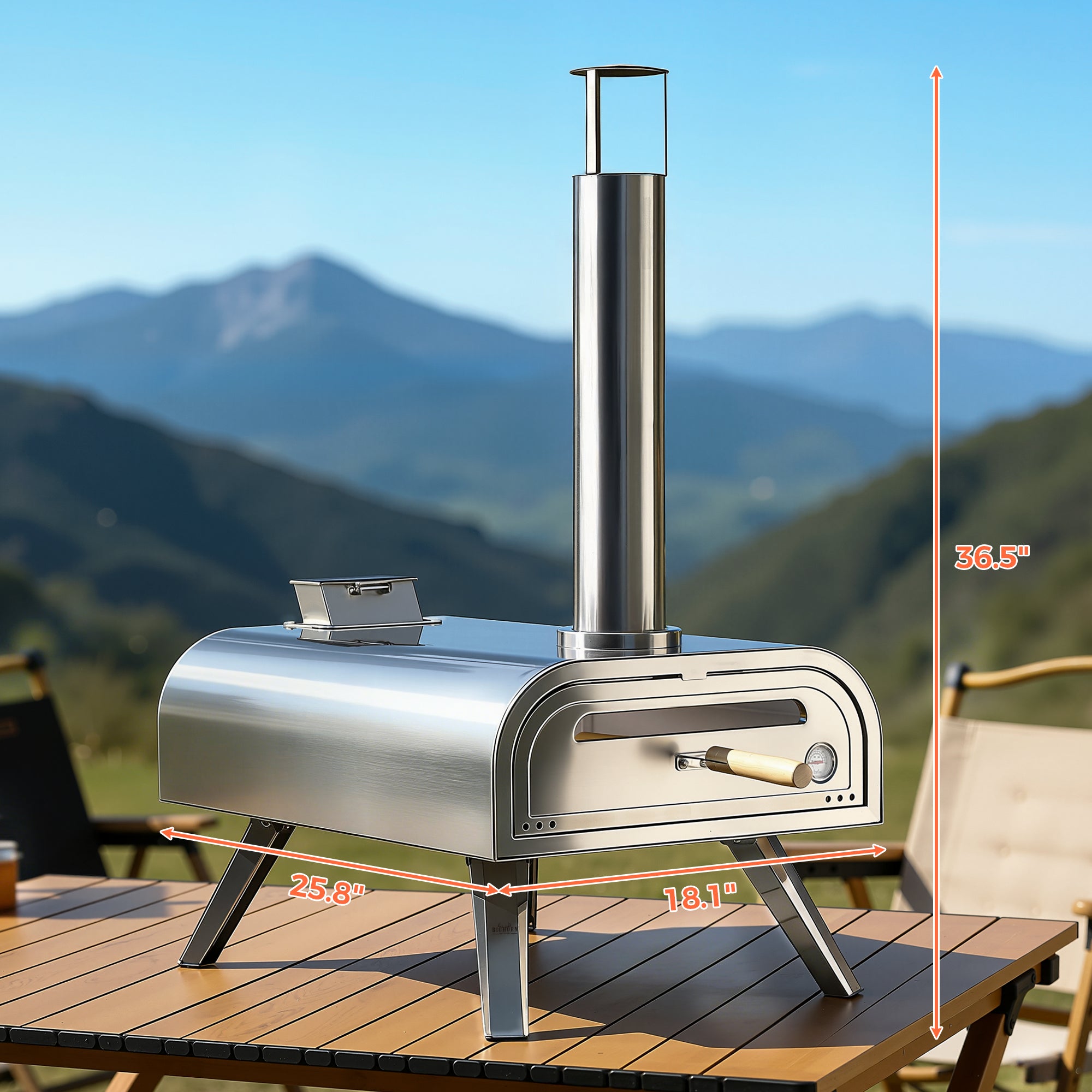
A 12-inch or 16-inch portable such as the 12-inch wood pellet pizza oven or the 16-inch wood pellet pizza oven still depends on a clean fire path, no matter how high a product page lists peak heat. Confirm any temperature claims on the live listing, then treat airflow as a maintenance fact, not as a spec.
If draft or chimney behavior is already a known issue on your patio, fix the underlying draft problem on its own guide and still keep ash out of the path. Cleanup cannot replace a blocked flue, but a blocked flue plus a bed of ash will lose a weeknight twice as fast.
Cool-down before you clean
Wait until the fire is out and the ash is truly cold. Moving hot embers in a rush is how a bag, a deck, or a trash can becomes the next problem. Ember handling has a fuller home on the pellet pizza oven ember management page; this routine only starts after the chamber is safe to touch with the caution your manual describes.
Do not drown a still-hot firebox just to start scraping. Water on hot metal and hot ash can create a messy, steaming sludge and does not make disposal safer if hidden embers remain. Give the oven time outdoors, away from kids and pets, and keep the area around it clear, in the same spirit as U.S. Fire Administration cooking-fire prevention, Ready.gov home fire, and NFPA grilling safety guidance. If a smoldering mishap spreads, Red Cross fire safety is the calm reference for household fire response planning.
Tools that will not scratch the stone or the chamber
Use a soft ash tool or a brush that will not gouge a cordierite or ceramic deck, plus a small metal scoop for the firebox path. Skip oven cleaner, metal pads, and anything wet on a still-warm stone. If the stone itself is stained or smoky from food, dry-scrape and then follow the pizza stone cleaning guide rather than soaking it in the name of ash work.
Work gently around gaskets, hoppers, and any pellet grid your model uses. The goal is to restore air, not to polish the oven for a photo. Empty the collected ash into a metal container with a lid, and leave that can on a noncombustible surface until you are sure it is cold.
How should you dispose of pizza oven ash safely?
Keep it cold, metal, and legal.
Store fully cooled ash in a covered metal container away from siding and decks, then dispose of it according to local rules; do not put hot or even suspiciously warm ash into a plastic bin or a paper bag.
The same caution used for fire-pit ash on how to clean a fire pit and dispose of ashes applies here: hidden embers can linger. EPA Burn Wise and Smokey Bear prevention how-tos are written with wood fires and wildfire risk in mind, and they are the right tone for backyard disposal. Local ordinances still win, especially on dry days or in areas with burn restrictions.
If you hoped to use ash in a garden, remember that pizza-oven ash may include food grease. When in doubt, throw cooled ash out rather than adding mystery residue to soil.
Cleanup cadence by how often you cook
High-frequency weeknight cooks should clear the fire path more often, sometimes after every session if the bed is building quickly. Weekend-only cooks can often clean after each use as well, because ash left for two weeks will cake, take on moisture, and fight the next light. After a long high-heat party, do a more thorough cool cleanup before the oven sits.
Cadence is about airflow, not about a calendar trophy. If the next fire smells heavier than usual or recovery feels lazy, clean before you buy a different pellet brand. Fuel quality can matter, but a dirty path will make even good pellets look weak.
Link fuel quality notes without turning this into a buying page
Dry, food-appropriate pellets made for cooking will generally light and ash more cleanly than damp, dusty, or mystery-purpose pellets. Store them dry and off a wet floor. This is not a brand test and not a food-grade shopping essay; it is only the reminder that wet fuel plus leftover ash is a poor pair.
If you also burn small approved oak pieces in a compatible pellet-style oven, those leftovers need the same cold cleanup, and the flavor-dosing question belongs on a wood-chunk page rather than here. Keep the chamber empty enough for air, whatever fuel built the ash.
| When you cooked | Minimum ash step | Do it after | Watch for |
|---|---|---|---|
| Quick weeknight | Clear the fire path once the ash is cold | The same night or the next morning, still cold | A lazy next light |
| Long party | Full path and nearby surfaces, cold ash stored in metal | When the oven is fully cool | Caked ash and greasy debris |
| Two-week pause | Inspect and clean before the next fire, even if you cleaned last time | Before lighting, not during a failed start | Moisture in leftover ash |
Key takeaways
Ash cleanup is how you protect airflow between cooks. Wait for a true cool-down, use tools that will not scratch the stone, put cold ash in metal, and set a cadence that matches how often you fire the oven. Troubleshooting and ember disposal have their own pages; this routine exists so the next night does not start already out of breath. Follow the oven manual and local fire rules every time.
If a pellet oven is your weeknight or weekend habit, keep the fire path clear on the model you own in the pellet pizza oven collection, and do the cold-ash routine before the next light, not after the stone already fails to recover.
FAQ
Is pellet stove ash good for anything?
Some gardeners use fully cooled, clean wood ash on soil in moderation, but pizza-oven ash often carries food residue, grease, or mixed debris and should not be treated as a tidy fertilizer by default. Let ash go completely cold in a metal container first, then follow local disposal rules or a trusted extension service if you are considering a garden use. When in doubt, dispose of it as cooled ash, not as compost starter.
Can you use cat litter pellets in a pizza oven?
No. Use only fuel that your oven manual and a food-oriented pellet listing allow. Cat litter, scented pellets, and other non-food absorbents are not pizza fuel; they can add binders, fragrances, or other materials you do not want in a cooking chamber. Keep litter in the litter box and keep cooking pellets in a dry, labeled container.
Why does my pizza stone smoke in the oven?
A stone usually smokes because leftover flour, cheese, oil, or sauce is burning on a hot deck, or because the stone is still damp. Ash in the firebox can also make the fire smoky and dirty, but a smoking stone is often a surface problem. Let the stone cool, then dry-scrape rather than soaking it; a dedicated stone-cleaning guide covers the method without turning this into a stain tutorial.
Is Ooni better with gas or wood?
This page cannot rank another brand's fuel choice. In any portable outdoor oven, gas is usually easier on a weeknight, and wood or pellets usually add more fire management and more wood character. Pick the fuel that matches your time, your patio rules, and the oven you actually own, and follow that brand's current manual rather than a secondhand comparison.
More to Read
Leftover Holiday Turkey on the Grill or in the Pizza Oven: Sandwiches, Tostadas and a White Pie
Give leftover turkey a second heat, not another roast: grill sandwiches or tostadas, or bake a white pie, after a safe leftover inventory the night...
Parrilla Taco Night: Carne, Salsas and Grate Space for a Crowd
Run taco night on a parrilla as a grate-space plan: carne, a second protein, a salsa station, and tortillas held soft, without one crowded fire.
Bone-In Lamb Leg or Shoulder on a Santa Maria or Gas Grill
Grill a bone-in lamb leg or shoulder as a roast: Santa Maria height or a gas two-zone fire, a USDA safety floor, and a probe that does not touch bone.
