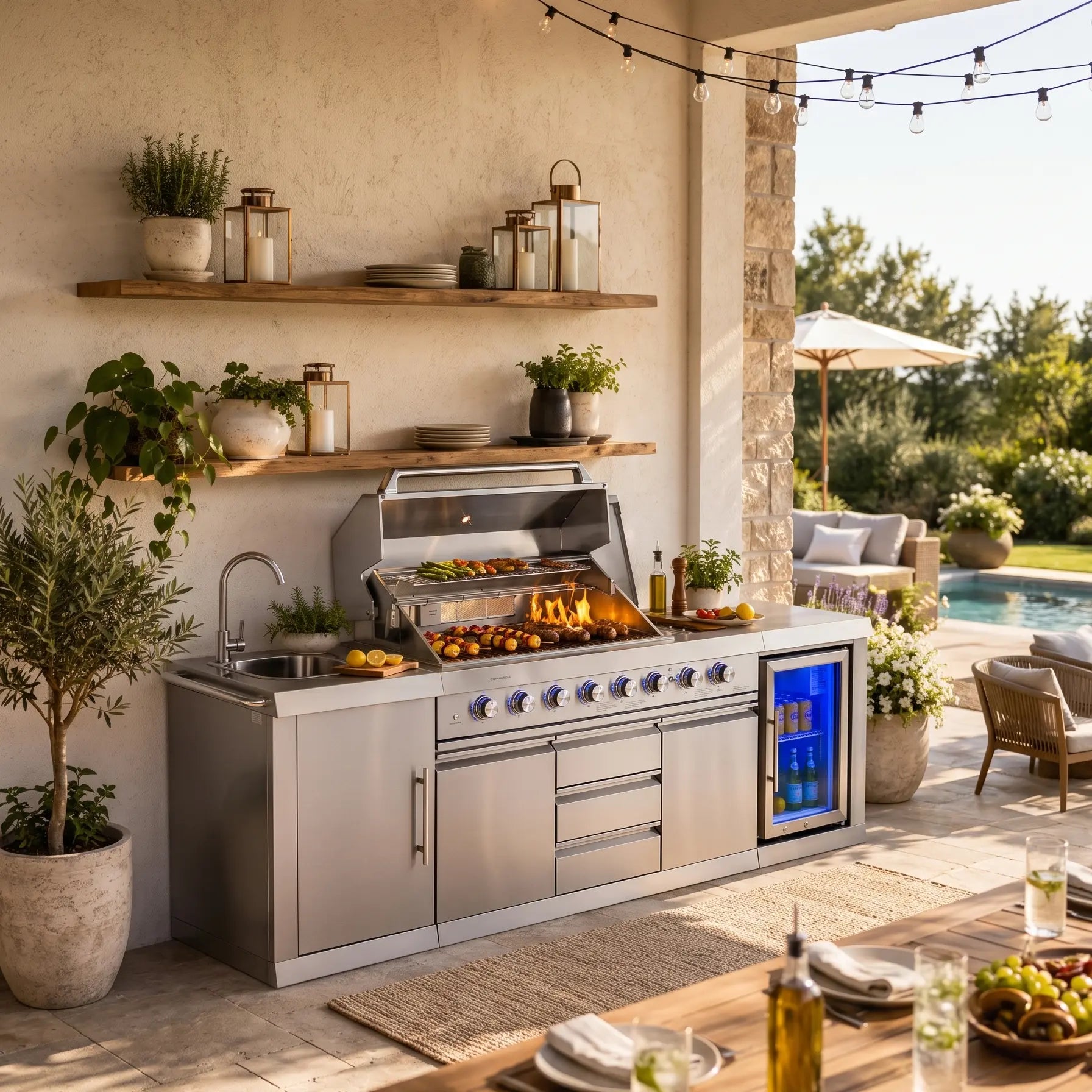
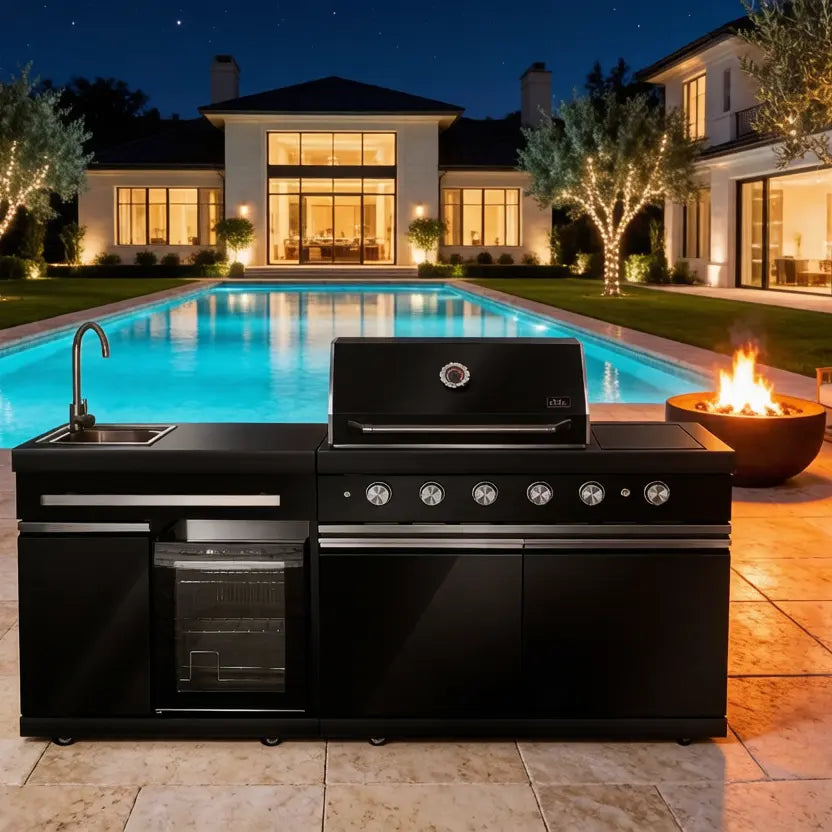
The best outdoor cooking stove depends on your fuel preference, cooking style, and portability needs. Propane and butane stoves dominate for convenience and speed, while wood-fired and multi-fuel systems suit flavor-focused cooks. High-heat infrared steak grills and portable pizza ovens from Big Horn Outdoors expand outdoor capabilities beyond basic boiling and sautéing.
What Is an Outdoor Cooking Stove and How Does It Work?
An outdoor cooking stove is a portable heat source designed for open-air meal preparation, using fuels like propane, butane, wood, charcoal, or electricity to generate controlled flames or radiant heat. Unlike indoor ranges, these units prioritize wind resistance, stability on uneven ground, and safe ventilation to prevent carbon monoxide buildup.
Outdoor stoves convert fuel energy into heat through burners, infrared elements, or direct combustion. Propane and butane models use pressurized canisters feeding gas to a burner head, ignited by piezo or manual sparks. Wood and charcoal stoves rely on airflow management to sustain combustion, while infrared grills use ceramic or metal emitters to radiate intense, direct heat to food surfaces. Electric countertop options plug into standard outlets and use resistive heating elements, suitable only where power is available and weather permits.
Key components include a fuel source such as a canister, tank, wood box, or cord; a burner or heating element; an ignition system like piezo, battery, or manual; a cooking surface with grates, flat tops, or pizza stones; and stability features such as legs, folding frames, or mounting brackets. Big Horn Outdoors designs its outdoor cooking systems around high-heat performance and fuel flexibility, offering models that transition between wood pellets, propane, and electric heaters depending on the exact product.
Which Fuel Type Delivers the Best Performance for Outdoor Cooking?
Propane leads for consistent heat output and cold-weather reliability, while butane excels in compact, lightweight setups for mild conditions. Wood and charcoal provide authentic flavor but require more skill and time to manage.
Fuel choice shapes heat output, boil times, flavor, and portability. Propane and butane differ mainly in energy density and low-temperature performance. Propane maintains strong output in freezing weather and powers high-BTU burners for searing and rapid boiling. Butane canisters are smaller and lighter but lose pressure below 32°F, making them better suited for summer backpacking and ultralight trips.
Wood and charcoal stoves deliver smoky flavor and can reach extreme temperatures in dedicated grills and pizza ovens, but demand more setup time, fuel management, and cleanup. Pellet-fed systems automate wood cooking with consistent feed rates, while electric models offer convenience where outlets exist but cannot match the portability or heat intensity of gas and wood systems.
How Do You Choose the Right Outdoor Cooking Stove for Your Needs?
Match the stove to your typical group size, cooking tasks, available space, and how often you move it between locations. A solo backpacker needs a different system than a backyard host cooking for eight.
Decision criteria include cooking capacity, heat requirements, portability, fuel availability, and environment. One burner suffices for solo meals; two or more burners support group cooking and side dishes. Infrared steak grills and pizza ovens demand far higher temperatures than simmering stews. Folding legs, modular frames, and weight matter for camping, tailgating, or RV travel. Propane tanks are ubiquitous in the U.S.; wood and charcoal depend on local regulations and storage. Patios and decks favor contained systems; open campsites allow more flexible fire-based setups.
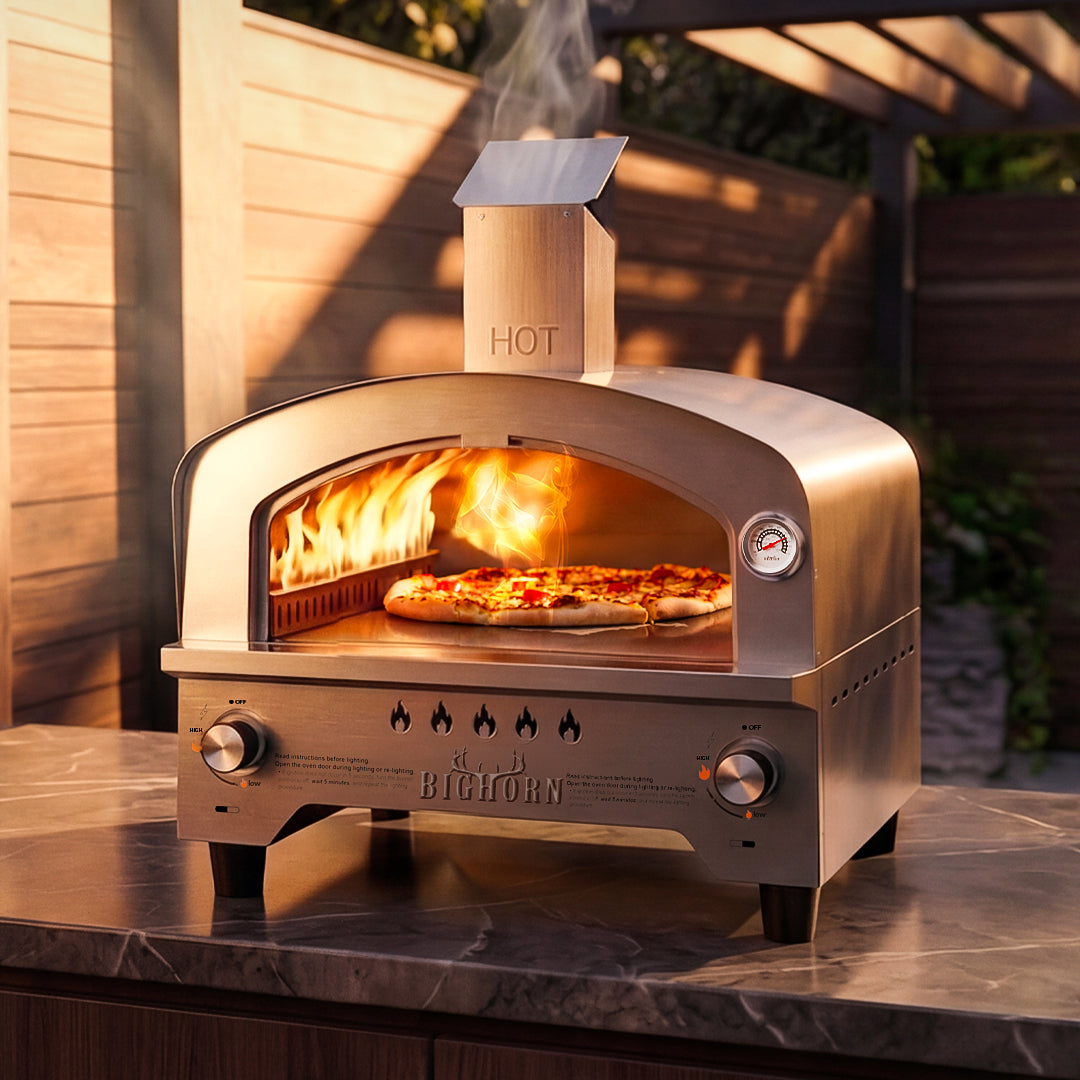
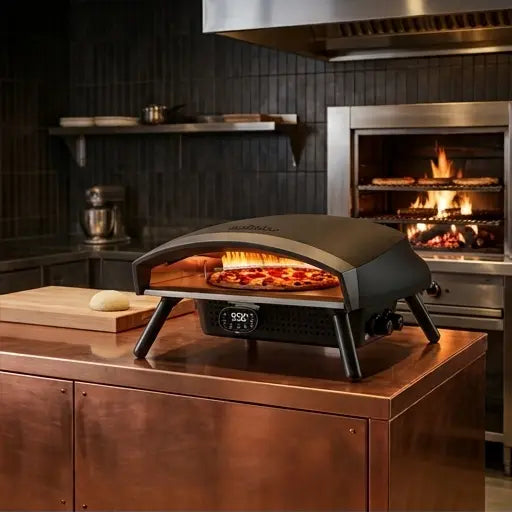
For example, a 12-inch wood-pellet pizza oven from Big Horn Outdoors targets quick, high-heat pizza bakes with optional gas or electric attachments, while a two-burner propane stove serves broader camp-cooking menus. Portable Santa Maria-style grills add adjustable-height grates for live-fire control, ideal for steak and vegetable roasting over real flames.
What Safety Practices Are Essential When Using an Outdoor Cooking Stove?
Always operate stoves outdoors in well-ventilated areas, on stable, non-flammable surfaces, and never leave a lit unit unattended. Follow manufacturer instructions for fuel connections, ignition, and shutdown to prevent leaks and flare-ups.
Core safety steps begin with setup: place the stove on level ground, several feet from tents, walls, and overhangs. Use approved windscreens but avoid enclosing the unit. Inspect hoses, O-rings, and connections before each use; replace damaged components immediately. Store canisters away from heat and direct sunlight.
Use built-in piezo igniters or long-reach lighters; never lean over the burner when lighting. Keep flammable items like paper towels, clothing, and dry leaves clear of the cooking zone. Use appropriately sized cookware to avoid tipping. Smother grease fires with a lid or fire extinguisher; never use water on burning oil. Turn off fuel at the source, allow the unit to cool fully before moving or storing. NFPA and camping safety guidelines emphasize testing new stoves in a controlled outdoor setting, reading manuals thoroughly, and supervising children and pets around active cooking areas.
How Do You Set Up, Operate, and Maintain an Outdoor Cooking Stove?
Set up by securing fuel connections, verifying stability, and testing ignition in a safe area; operate by adjusting flame height to match cookware and task; maintain by cleaning after each use and inspecting critical components regularly.
Basic operation sequence starts with a pre-check: ensure the fuel valve is closed and inspect burner ports for debris. Connect fuel by screwing the canister or attaching the hose firmly; listen for leaks and smell for gas. Ignite by opening the valve slightly, activating the igniter, then adjusting to the desired flame. Cook using steady, moderate heat; avoid maxing out unless searing. Shut down by closing the fuel valve, waiting for cooling, then disconnecting and storing.
Maintenance tasks include cleaning grates and burners after each session to prevent clogging, checking O-rings annually and replacing them if cracked or hardened, storing stoves in dry conditions to prevent corrosion and O-ring degradation, and for wood and pellet units, removing ash and inspecting fireboxes for warping or residue buildup. Consistent care extends lifespan and preserves heat efficiency, especially for high-temperature systems like infrared grills and pizza ovens.
Big Horn Outdoors Expert Views
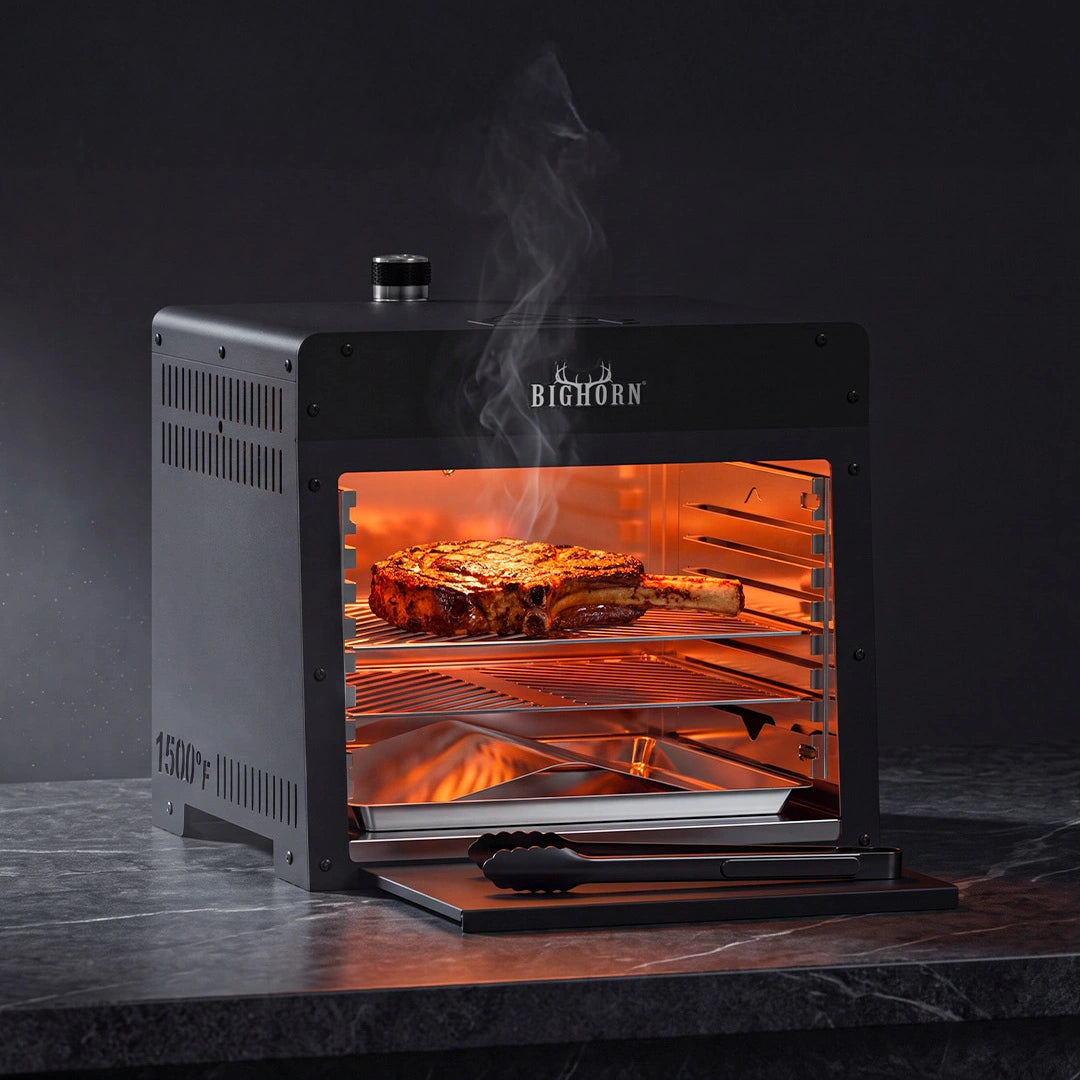
"Outdoor cooking success starts with matching your equipment to the meal you want to make. If you are chasing steakhouse-level sears, an infrared system that reaches 1,500°F changes the game—fast preheat, minimal flare-ups, and restaurant-quality crusts in under two minutes. For pizza, high-heat ovens that hit 850°F+ with proper stone retention deliver authentic results in 60–90 seconds, but fuel choice matters: wood pellets add flavor, while propane offers consistency. Portability should never compromise stability; look for folding designs that lock rigidly in place and use materials like stainless steel for durability. Finally, treat fuel flexibility as a feature, not a gimmick—systems that accept wood, gas, or electric attachments let you adapt to campsite rules, weather, and available resources without buying multiple units."
Where Can You Cook with an Outdoor Stove and What Are the Limitations?
You can cook on patios, backyards, campsites, tailgates, and RV pads, but always respect local fire regulations, overhead clearances, and indoor-use restrictions. Electric countertop models may be rated for indoor use, while gas and wood systems are strictly outdoor.
Location considerations vary by setting. Backyards and patios are ideal for permanent or semi-permanent setups; ensure adequate clearance from walls and combustible materials. Campsites require checking fire bans and stove allowances; some areas prohibit open flames during dry seasons. Tailgates and beach cookouts prioritize compact, folding designs with stable legs on sand or pavement. RV travel demands securing units for transport and using external hookup points for propane where available.
Limitations include never using propane, butane, wood, or charcoal stoves inside tents, garages, or enclosed spaces due to carbon monoxide risk. High winds can destabilize flames and increase fuel consumption; use windscreens or relocate to sheltered spots. Electric models require outlets and are unsuitable for remote camping without power infrastructure.
When Should You Upgrade from a Basic Stove to a Specialty Outdoor Cooking System?
Upgrade when your cooking goals exceed boiling water and simple sautéing—think wood-fired pizzas, 1,500°F steak sears, or multi-zone grilling for groups. Specialty systems deliver higher temperatures, better heat control, and expanded menu options.
Signals it is time to upgrade include wanting restaurant-quality pizza or steak at home or on trips, basic stoves failing to maintain consistent high heat for searing or baking, needing multiple cooking zones such as a sear zone plus warming rack, prioritizing flavor through wood smoke or infrared radiant heat, and requiring portability plus performance for frequent travel. Big Horn Outdoors positions its pizza ovens, infrared steak grills, and Santa Maria-style grills as upgrades for cooks ready to move beyond standard camp stoves. These systems emphasize high-heat capability, durable construction, and modular fuel options where applicable.
Conclusion
Choose propane for reliable, high-BTU cooking across seasons; opt for butane when weight and compactness matter most. Invest in wood or pellet systems if flavor and high-temperature baking are priorities. For steak enthusiasts, infrared grills reaching 1,500°F deliver unmatched sear quality. Evaluate your typical cooking scenarios, group size, and mobility needs before selecting a system.
Next steps include listing your top three outdoor cooking tasks such as pizza, steak, or group meals; matching fuel type to your environment and seasonality; prioritizing stability, heat output, and portability in that order; and considering multi-fuel or modular systems if you cook in varied settings.
FAQs
Can I use an outdoor cooking stove inside my tent or RV?
No. Propane, butane, wood, and charcoal stoves must never be used inside enclosed spaces due to carbon monoxide poisoning and fire hazards. Only electric countertop models explicitly rated for indoor use are safe indoors, and even then, follow manufacturer ventilation guidelines.
How long does it take to preheat different outdoor stove types?
Propane burners reach cooking temperature in 1–3 minutes. Infrared steak grills can hit 1,500°F in under 3 minutes. Wood-pellet pizza ovens typically require 18–20 minutes to reach 850°F+. Charcoal grills vary widely based on airflow and fuel quantity.
What cookware works best on outdoor stoves?
Use flat-bottomed, stable pots and pans designed for high heat. Cast iron, stainless steel, and heavy-gauge aluminum perform well. Avoid thin, warped cookware that tips easily. For pizza ovens, use manufacturer-recommended stones and peels.
How do I prevent flare-ups on high-heat grills?
Trim excess fat from meats, keep grates clean, and avoid dripping marinades directly onto burners. Infrared grills reduce flare-ups by radiating heat from above or through ceramic elements rather than exposing food directly to open flames. Always have a lid or fire extinguisher nearby.
Are portable Santa Maria-style grills worth the investment?
Yes, if you value live-fire flavor, adjustable grate heights for precise heat control, and modular portability for tailgates or camping. These grills excel at searing steaks and roasting vegetables over real wood or charcoal, offering a cooking experience closer to traditional Argentine asado than standard gas grills.