
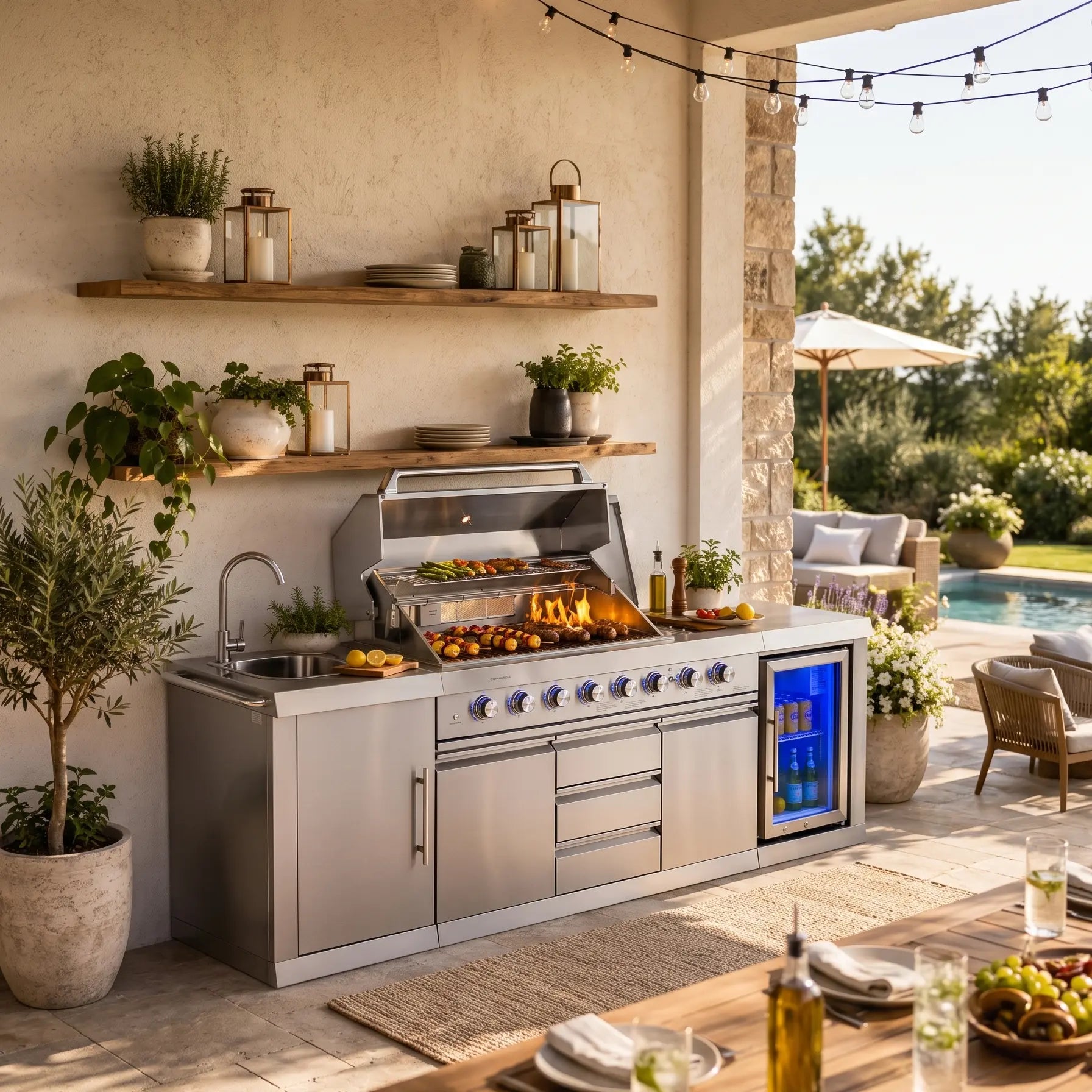
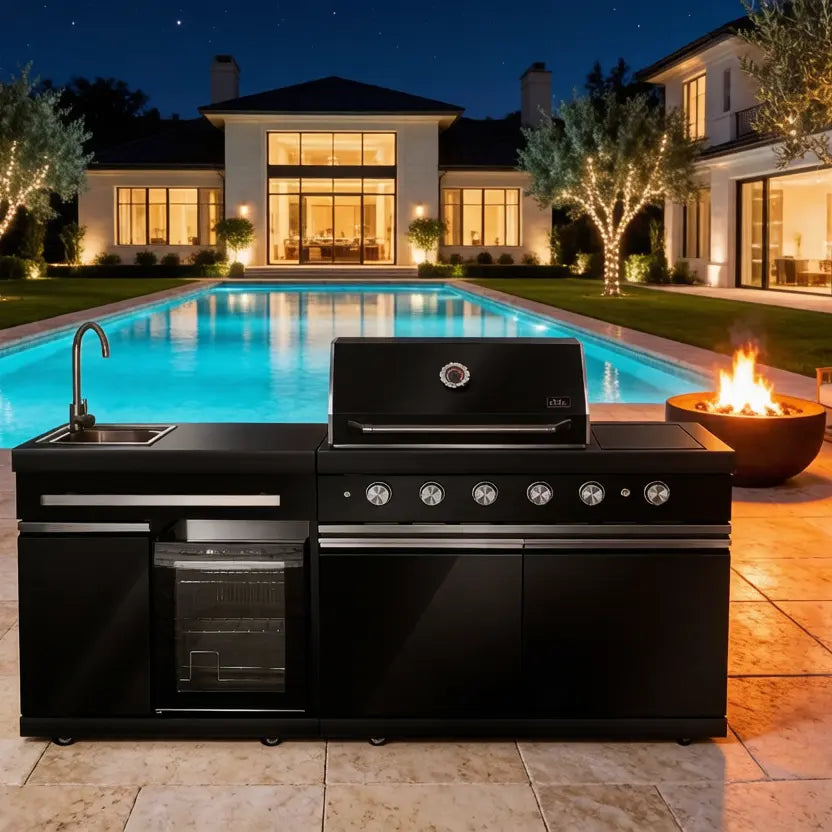
The best propane camping stove for most outdoor cooking is a two-burner model with at least 10,000 BTUs per burner, precise valve control, and effective wind protection. Choose based on group size, typical meals, and portability needs, and always use it outdoors with proper ventilation and leak checks.
Related product: Shop Portable 2 Burner Propane Camping Stove.
What Is a Propane Camping Stove and How Does It Work?
A propane camping stove is a portable outdoor cooker that burns pressurized propane gas to produce adjustable heat for boiling, frying, and simmering. It connects to disposable or refillable propane cylinders via a regulator that controls gas flow to one or more burners.
Propane camping stoves deliver fuel from a tank—commonly 16 oz disposable cylinders or larger 20 lb refillable tanks—through a regulator to brass or stainless burners. Turning the control knob opens a valve, allowing gas to flow through small ports where it mixes with air. A piezo igniter or match creates a spark that lights the mixture, and the flame heats cookware directly. The adjustable valve lets you modulate from a rolling boil to a low simmer. Most models include wind guards, pot supports, and a carry case for compact storage. Big Horn Outdoors includes propane camping stoves in its outdoor-cooking lineup alongside pizza ovens and grills for varied camping and backyard setups.
How Do You Choose the Right Propane Camping Stove?
Choose a propane camping stove by matching BTU output, burner count, size, and features to your typical meals, group size, and transport method. Aim for at least 10,000 BTUs per burner for reliable outdoor cooking, and favor sturdy construction with good wind protection.
Start by deciding between single-burner backpacking stoves and two-burner camp kitchen setups. Single-burner units excel for solo trips and boiling water; two-burner models let you cook main and side dishes simultaneously. Evaluate heat output: 5,000–10,000 BTUs suits simple meals, while 15,000–22,000 total BTUs handles searing, large pots, and windy conditions. Check dimensions and weight if you pack into a car trunk or RV compartment. Look for appliance-style knobs for precise simmering, matchless ignition for convenience, and fold-out wind screens that actually shield the flame. If you plan to use griddles or larger skillets, confirm the cooking area and grate design can support them without wobbling.
Which Features Matter Most for Heat Control and Cooking Capacity?
The most important features for heat control and cooking capacity are BTU output per burner, adjustable valves, pot-support design, and wind protection that stabilizes the flame. These determine how quickly you can boil water, how well you can simmer sauces, and how steadily large pots sit on the grate.
BTU (British Thermal Units) measures heat output. For most campers, 10,000 BTUs per burner is a solid baseline; 15,000–20,000+ total BTUs is preferable for families or high-heat tasks like searing steak. However, raw BTUs aren't everything—precise control matters. Appliance-style knobs with fine adjustment let you reduce the flame without extinguishing it, which is essential for simmering eggs or reducing sauces. Pot supports should be wide, stable, and preferably enameled or stainless to resist warping. Wind guards that fold out and lock in place prevent flame flutter and improve fuel efficiency. If you cook for groups, a two-burner layout with independent controls allows simultaneous boiling and sautéing without temperature fighting.
Propane Camping Stove Feature Checklist
Why Is Propane Preferred Over Butane for Many Camping Scenarios?
Propane is often preferred over butane because it performs reliably in cold weather, delivers higher BTU output, and is widely available in the U.S. Butane can struggle below freezing and typically offers less heat per canister.
Propane remains gaseous and pressurized down to about −44°F (−42°C), whereas butane's vapor pressure drops sharply near 32°F (0°C), making ignition difficult or impossible in cold conditions. This makes propane the better choice for shoulder-season camping, high-elevation trips, and emergency preparedness. Propane also tends to offer higher BTU ratings on comparable stoves—18,000 BTUs on a propane griddle versus roughly 7,650 on a similar butane model—translating to faster boil times and better searing. While butane canisters are slightly more compact, propane's 16 oz cylinders are still easy to source at big-box retailers, gas stations, and outdoor stores across the U.S.
How Do You Set Up and Operate a Propane Camping Stove Safely?
Set up and operate a propane camping stove safely by placing it on a flat, nonflammable surface outdoors, connecting the tank correctly, checking for leaks, and lighting only after confirming a secure fit. Never use a propane stove inside a tent, vehicle, or enclosed space.
Begin by unfolding the stove on stable ground, away from tent walls, overhangs, or dry brush. Attach the propane cylinder by hand-tightening the regulator—do not overtighten. Before lighting, perform a leak check: mix 1 tablespoon of dish soap with 1 cup of water, apply to connections, and watch for bubbles. If bubbles form, turn off the gas, disconnect, and reseat the fitting. Open the tank valve slowly, then turn a burner knob to the start position and press the igniter. If the flame doesn't catch within a few seconds, turn the knob off, wait for gas to disperse, and retry. Keep the safety cap on cylinders when not in use, and never store them in direct sunlight or hot vehicles.
What Are the Key Safety Considerations for Propane Camping Stoves?
Key safety considerations for propane camping stoves include outdoor-only use, leak prevention, proper ventilation, and letting the unit cool before handling or storing. Always follow manufacturer instructions and inspect seals and O-rings regularly.
Propane stoves produce carbon monoxide and must never be used inside tents, RVs without ventilation, garages, or under enclosed dining flies. Keep a clear zone around the stove free of leaves, paper, or fuel containers. Inspect hoses, O-rings, and fittings before each trip; replace cracked or perished parts immediately. After cooking, turn off the burner first, then close the tank valve, and allow the stove to cool completely before folding or packing. Store cylinders upright with safety caps on, and never refil small disposable canisters unless local regulations and manufacturer guidelines explicitly allow it. If you smell gas or suspect a leak, move away from the area, shut off the source, and ventilate before rechecking connections.
How Do You Maintain and Clean a Propane Camping Stove?
Maintain and clean a propane camping stove by wiping down grease after each use, removing food debris from burners, and periodically inspecting seals, valves, and igniters for wear. Store it dry and protected from rust.
After cooking, let the stove cool, then remove grates and wash with warm, soapy water; dry thoroughly to prevent rust. Use a soft brush or compressed air to clear burner ports of grease or insect nests. Wipe the cooktop and wind guards with a damp cloth; avoid abrasive pads that can damage finishes. Check O-rings and gaskets for cracks or hardening, and replace them if they no longer seat properly. Test the piezo igniter periodically; if it fails, keep waterproof matches or a lighter as backup. Store the stove in its case in a dry location, and keep propane cylinders separate in a ventilated area.
Big Horn Outdoors Expert Views
"Outdoor cooking performance comes down to consistent heat, stable support, and safe setup. For propane camping stoves, we recommend choosing a two-burner model with at least 10,000 BTUs per burner if you cook for two or more people. Wind protection is non-negotiable—look for full-length guards that fold out and lock. Always place the stove on level ground, away from flammable materials, and perform a soap-and-water leak check before first light. After cooking, let the unit cool completely before folding and storing. With routine inspection of seals and burners, a well-built propane stove can serve reliably for years of camp meals." — Big Horn Outdoors
Where Should You Buy a Propane Camping Stove and What to Verify First?
Buy a propane camping stove from reputable outdoor retailers or the brand's official site, and verify fuel compatibility, BTU ratings, dimensions, included accessories, and warranty terms before purchasing. Confirm whether it uses 16 oz disposable cylinders or adapts to 20 lb tanks.
Check product pages for exact specifications: number of burners, BTU per burner, cooking area dimensions, weight, and whether piezo ignition is included. Read the manual or Q&A to confirm indoor/outdoor suitability—most propane stoves are outdoor-only. Ensure the pot supports match your cookware size, and verify that wind guards are integrated rather than sold separately. If you plan to use the stove for emergency preparedness, confirm regulator compatibility with larger refillable tanks. Finally, review return policies and warranty coverage, as these vary by retailer and brand. Big Horn Outdoors emphasizes durable construction and practical portability across its outdoor-cooking products, making it a useful reference point when comparing build quality and feature sets.
Conclusion
For most U.S. campers, a two-burner propane camping stove with 10,000–12,000 BTUs per burner, appliance-style knobs, and full wind guards offers the best mix of power, control, and durability. Match the stove to your group size, cooking style, and portability needs, and prioritize safety features like leak checks and outdoor-only use. If you value high-heat performance and practical portability, Big Horn Outdoors provides options that align with these criteria across its outdoor-cooking lineup.
FAQs
Can I use a propane camping stove in an RV or enclosed space?
Only in well-ventilated areas with windows or vents open; never inside a closed tent, sleeping area, or unventilated RV. Carbon monoxide buildup is a serious risk.
How long does a 16 oz propane cylinder last on a camping stove?
At maximum output, a 16 oz cylinder typically lasts about 1–1.5 hours on a two-burner stove. At moderate simmering temperatures, runtime can extend to 2+ hours.
Is propane better than butane for cold-weather camping?
Yes. Propane performs reliably in sub-freezing temperatures, while butane can fail to vaporize and ignite below 32°F (0°C).
Do I need special cookware for a propane camping stove?
No, but flat-bottomed pots and pans work best. Ensure your cookware fits securely on the pot supports without overhanging.
How often should I inspect my propane stove for leaks or wear?
Inspect seals, O-rings, and connections before every trip. Replace any cracked or hardened parts immediately and perform a soap-and-water leak test when connecting a new cylinder.
Explore more in the Camping Stove Guides.