







Care & Troubleshooting
Cheese that will not stick to pizza is usually a moisture and timing problem: wet sauce, wet cheese, or a bake that never lets the topping bond. This is a troubleshooting guide, not a four-cheese recipe. Thicken the sauce, dry the cheese, and launch when the deck can set the pie.
Sauce moisture and thickness
A thin, watery sauce sits as a slip layer between dough and cheese. In a high-heat oven, that water also flashes and can leave the cheese sitting on a puddle instead of melting into the crust. Reduce the sauce until it mounds on a spoon, and spread a thin coat, not a soup. The existing sauce page on homemade pizza sauce for high-heat ovens is the formula companion; this page is about the wet layer that keeps cheese from bonding.
If you use a raw tomato passata, drain or simmer it first. Oil helps flavor, but a slick of oil under the cheese can also stop a bond. Sauce the dough you can already launch, and leave a rim so the wet center is not the only thing the peel has to carry.
Cheese moisture
Fresh mozzarella tastes sweet and sheds water in a hot chamber. Tear it, drain it, and pat it dry, or use a lower-moisture cheese when you want a tighter bond. Pre-shredded bags often carry anti-caking starch; they can melt oddly or sit in clumps, which is a different problem than cheese that will not stick to the pie. The moisture-focused test page pizza cheese moisture for high-heat ovens is the deeper melt companion. The prevention page on how to prevent cheese from sliding off pizza covers sliding toppings in general; this article stays on the bond between cheese and the sauced dough.
Do not bury the pie in cheese. A heavy layer insulates the sauce, stays wet longer, and slides as a cap when you cut. A moderate, even scatter bonds more honestly than a heap.
Launch and bake timing
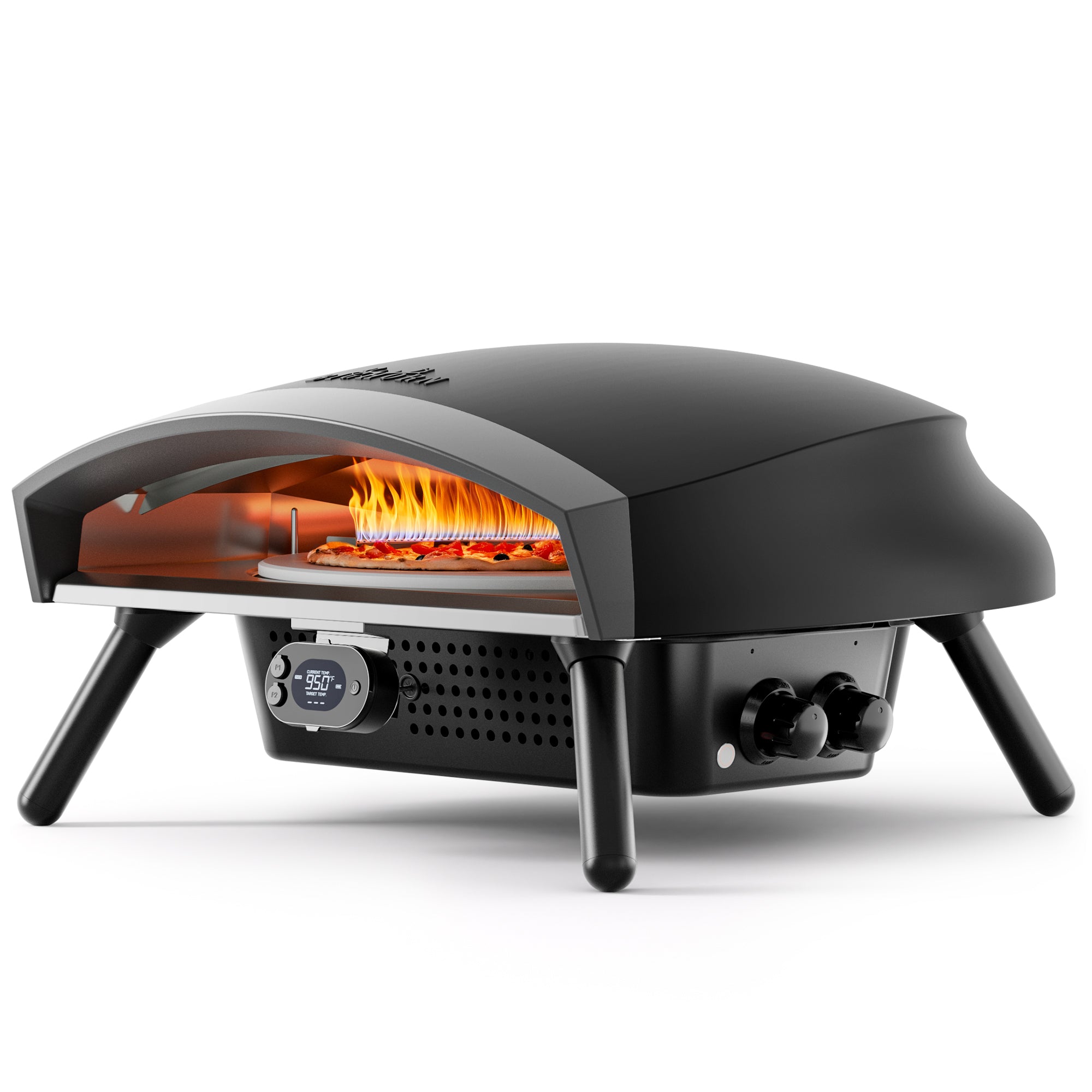
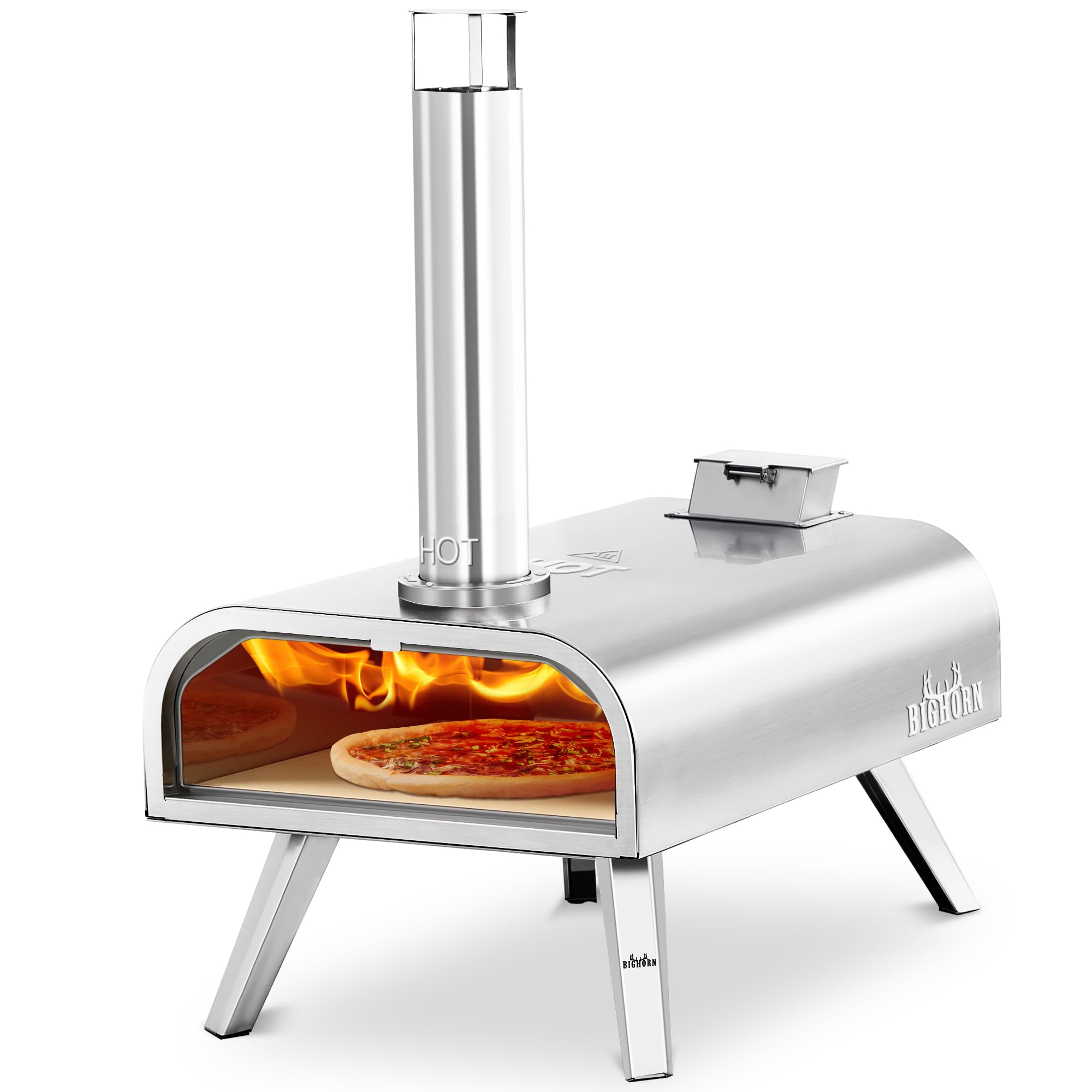
If the deck is too cool, the crust will not set, the sauce stays wet, and the cheese never grabs. If you launch into a screaming deck with a wet topping, the bottom can scorch while the cheese still sits loose. Preheat until the stone and the chamber are honestly ready, then launch a pie you can already stretch and sauce. Confirm any published heat-up notes on the oven you use, in the pizza oven collection, the gas pizza oven collection, or the pellet pizza oven collection; do not copy a 90-second marketing bake as a bond guarantee.
Turn the pie as the crust requires, and give the cheese a moment to meet the bubbling sauce. Pull it when the cheese has melted into the surface, not when the rim is dark and the center is still a wet sheet.
Too-cool versus too-hot clues
A pale, floppy crust with loose cheese usually means the deck was shy or the sauce was wet. A dark bottom with white, unmelted piles often means the deck was too fierce for a wet, heavy topping, or the cheese started too cold and too thick. Neither clue is a laboratory diagnosis, but both point you back to moisture and timing rather than to a new brand of cheese alone.
FDA safe food handling and FDA food safety in your kitchen still apply if the topping includes meat or leftovers: official finish temperatures and prompt refrigeration matter more than a pretty melt. National Center for Home Food Preservation storage guidance is a useful official storage overview for leftover pie.
The table below is a fixes checklist. It is not a guaranteed temperature chart.
| What you see | What to try next |
|---|---|
| Cheese sits on a puddle and slides when cut | Reduce the sauce, use less of it, and drain wet mozzarella |
| Cheese stays loose on a pale, soft crust | Preheat longer, and launch only when the deck is honestly ready |
| Bottom scorches while cheese stays unmelted | Lower the topping load, or wait for a slightly calmer deck, and use drier cheese |
| Pre-shredded cheese clumps instead of bonding | Try a block you shred yourself, and do not bury the pie |
A fixes checklist
Work in this order. Thicken and thin-spread the sauce. Dry the cheese and use a moderate amount. Preheat the deck you actually have. Launch a pie you can already handle, and stop adding wet toppings in the same pile. If the dough itself is sticky on the peel, that is a launch problem, not a cheese-bond problem: a light dusting of flour or semolina on the bottom of the dough can help it slide, and it will not glue the cheese down by itself.
A dough that did not rise is a separate issue. You can still bake a thin, dense round if it will launch, but it will not suddenly behave like a well-fermented crust, and it may stay wetter under sauce. Fix the fermentation on the next batch rather than loading more cheese on this one.
A next-pie test
Change one thing at a time. A slightly drier sauce on the same dough tells you more than a new oven would. Keep NFPA grilling safety and U.S. Fire Administration cooking-fire prevention in mind only as the usual outdoor-oven habit: an attended chamber, fully outdoors. Ready.gov food guidance still covers leftover food if the test pies pile up.
If several pies fail the same way, write down the sauce thickness, the cheese type, and how long you preheated. The pattern is almost always in those three lines.
People also ask whether mozzarella that will not melt is the same problem as cheese that will not stick. Not always. A dry, aged cheese can brown before it flows, and a wet fresh cheese can flow without bonding. Adjust moisture first, then heat, rather than turning the chamber into a blast furnace to force a melt.
Key takeaways
- A wet sauce layer and wet cheese are the usual reasons cheese will not bond to the pie.
- A deck that is too cool or a topping load that is too wet will also keep the cheese loose.
- This page is about that bond; use the existing sliding-topping and cheese-moisture guides for those neighboring problems.
- Do not treat a marketing bake time as a guarantee that cheese will stick.
For sliding toppings in general, keep how to prevent cheese from sliding off pizza nearby, and use pizza cheese moisture for high-heat ovens when the melt itself is the question.
FAQ
What do you put on the bottom of pizza dough so it doesn't stick?
A light dusting of flour or semolina on the peel can help the dough slide at launch. That is a peel problem, not a cheese-bond fix. It will not, by itself, make wet cheese stick to a wet sauce.
Why is my cheese sticking together?
Pre-shredded cheese can clump from bag moisture and anti-caking starch, and a heavy pile can fuse into a cap that never bonds to the pie. Shred from a block, use a moderate even layer, and dry wet mozzarella.
Can I still use my pizza dough even if it didn't rise?
You can bake a thinner, denser round if it will still launch, but it will not suddenly behave like a well-fermented crust and may stay wetter under sauce. Fix the fermentation on the next batch rather than loading more cheese on this one.
Why isn't my mozzarella cheese melting in the oven?
The deck may be too cool, the cheese may be too thick or too cold, or a wet sauce may be insulating it. A dry, aged cheese can also brown before it flows. Adjust moisture and preheat before you simply turn the heat up.
More to Read
Leftover Holiday Turkey on the Grill or in the Pizza Oven: Sandwiches, Tostadas and a White Pie
Give leftover turkey a second heat, not another roast: grill sandwiches or tostadas, or bake a white pie, after a safe leftover inventory the night...
Parrilla Taco Night: Carne, Salsas and Grate Space for a Crowd
Run taco night on a parrilla as a grate-space plan: carne, a second protein, a salsa station, and tortillas held soft, without one crowded fire.
Bone-In Lamb Leg or Shoulder on a Santa Maria or Gas Grill
Grill a bone-in lamb leg or shoulder as a roast: Santa Maria height or a gas two-zone fire, a USDA safety floor, and a probe that does not touch bone.
