







Oven & Grill Ownership
A pizza oven will work in winter if you give it a longer, more honest heat-up, respect the wind, and keep the dough from going stiff or sluggish in the cold air. What changes is the time to a ready deck, the way a gust steals heat, and the feel of the dough.
The chamber does not fail just because the thermometer on the shed reads low. Ice and snow around the oven are a footing and clearance problem, not a flavor trick. Whether you can use an outdoor oven in cold weather already has a home in can you use a pizza oven in winter. Storage and covers already have their own winter-care guide. This session is the operating playbook: heat-up, wind, dough, and a safe winter session.
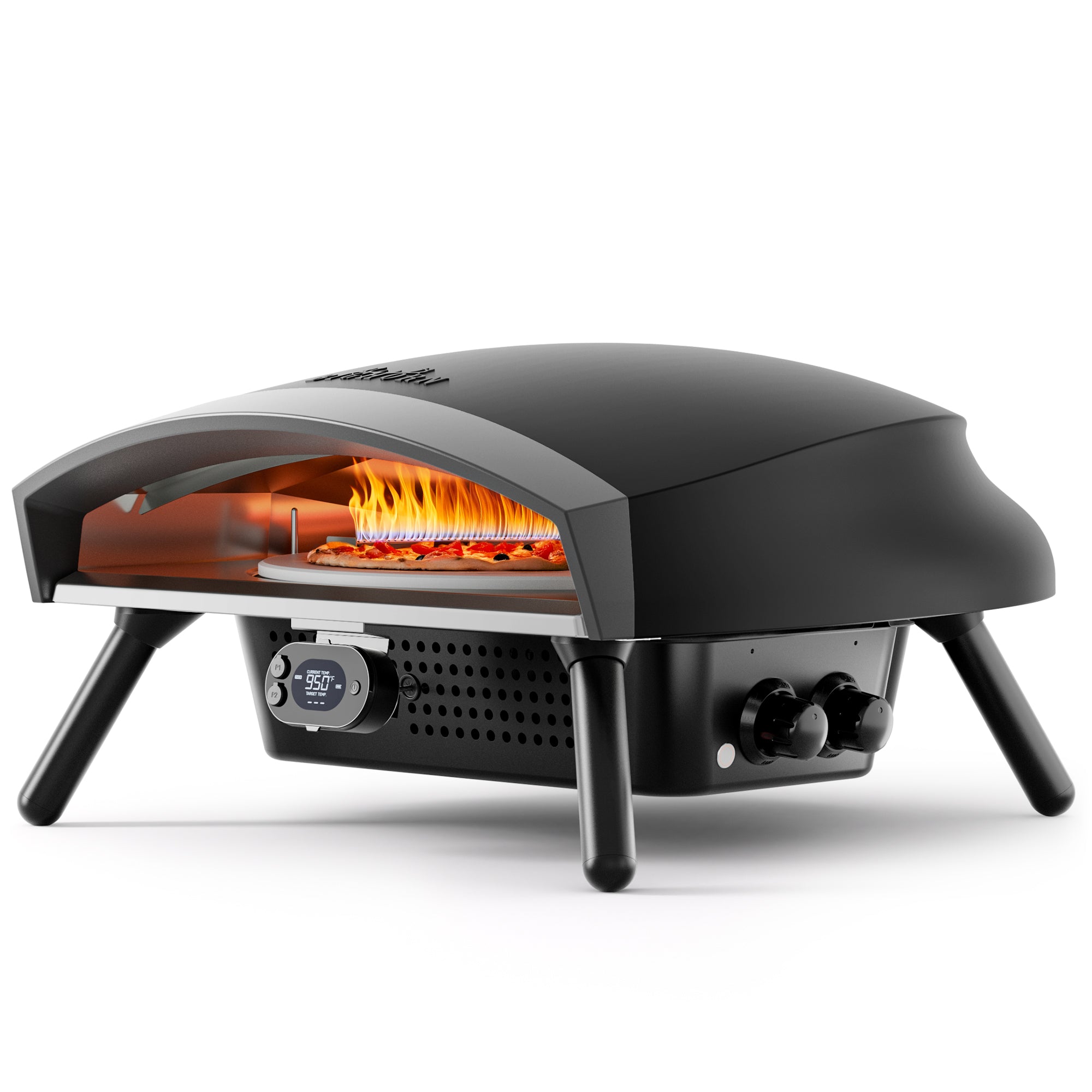
Cold air and heat-up
Cold air, a cold stone, and a cold steel shell all soak up heat before the deck is actually ready for a pie. Plan a longer preheat than you use in July, then check the stone and the dome the way you usually do, not with a guaranteed minute chart copied from a marketing page. If the first pie is pale or gummy, the oven was not ready, or a draft is washing the heat out as fast as you make it.
A gas chamber from the gas pizza oven collection can be simpler to keep at a working heat in the cold than a fire you have to rebuild in a wind, but only if the fuel system is behaving. A pellet oven from the pellet pizza oven collection still needs dry fuel and a sheltered, outdoor placement. Recheck any published heat-up times on the live listing; they are not a winter guarantee.
Keep the oven outdoors, with clearance, even when your hands are cold. EPA carbon monoxide information is the reason a winter pizza night does not move into a garage or a closed shed.
Wind-screen placement
Wind is often the real winter enemy. A gust can collapse a flame, drop a dome, or make a "ready" stone uneven. Place the oven so the prevailing wind is not blowing straight into the mouth, and use only a screen or barrier that does not block clearance, trap exhaust, or sit over a fuel cylinder. A windy-patio checklist already exists for pellet ovens in pellet pizza oven windy patio checklist; use it, and do not improvise a sealed box around a burning appliance.
National Weather Service wind safety and National Weather Service winter safety are the official weather-safety pages. A portable oven from the portable pizza oven collection can be moved to a more sheltered outdoor pad, not into a living space. NFPA grilling safety and U.S. Fire Administration cooking-fire prevention still govern clearance and attention.
Dough temperature management
Cold dough tears, shrinks, and refuses to open. Keep balls in a cool but not icy spot, covered, and give them time to become pliable before you stretch. A metal tray parked on a frozen table will chill them again. A tray parked against a running oven will over-ferment the surface and still leave the core tight. Work in batches, and do not throw flour at a cold dough as if that were a recipe change.
If you cold-ferment in the refrigerator, that is a planned fridge rise, not a ball forgotten on a snowy stoop. Official food-handling still applies to toppings and leftovers: FDA safe food handling and FDA food safety in your kitchen.
Fuel use, in qualitative terms
You will often use more fuel in the cold, because you are heating steel and stone against colder air and maybe fighting wind. That is a qualitative expectation, not a tank-runtime promise. If a gas oven starts to behave as if the pressure is low, do not diagnose it by dragging the cylinder inside. The existing gas pizza oven low-pressure in cold weather guide is the safe diagnostic page for that problem.
Keep pellets dry. Keep cylinders in a legal, outdoor position on a stable surface. Do not invent a winter BTU chart.
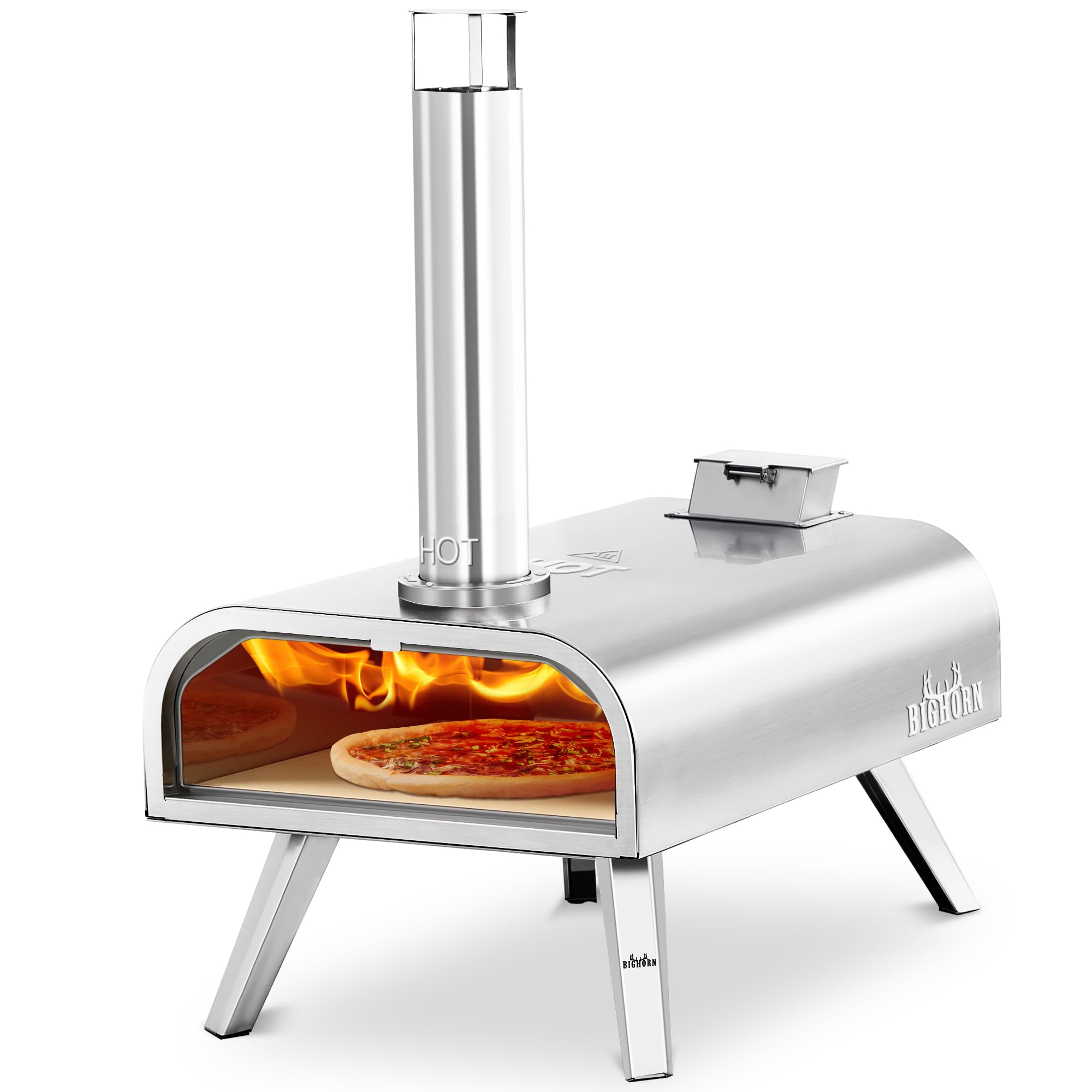
Session planning
Winter sessions should be shorter in ambition if the weather is getting worse, not longer because you already lit the oven. Preheat, bake the pies you can actually launch, and shut down before ice, darkness, or numbness makes tools clumsy. Have a headlamp, a dry path, and a place to set a hot peel that is not a snowbank. Tell guests the start time with the longer heat-up in mind so the first pie is not a pale apology.
Use the table as a winter-session sketch, not as a guaranteed heat-up chart.
| Check | Winter move |
|---|---|
| Heat-up | Plan a longer preheat than in summer, then read the stone, not a copied minute count |
| Wind and footing | Shelter the mouth without trapping exhaust; clear ice before you light anything |
| Dough | Keep balls covered and pliable; do not stretch icy dough on a frozen tray |
If you need to store the oven after the season, switch to the winter-storage guide rather than inventing a cover habit at midnight on a wet deck.
Ice and snow safety
Clear a firm, level standing area before you light anything. Snow melt around a hot oven is slippery, and a tippy table is a spill and a burn waiting to happen. Do not set a hot oven on a deep snowpack and hope it will "settle." Keep fuel, power cords if you have any, and walkways free of ice as best you can, and take Ready.gov winter weather guidance seriously as a weather-preparedness page, not as a cooking tip sheet.
Melted snow is not a fire-extinguishing plan for a grease flare. Keep ordinary outdoor-fire habits, and stop the session if the footing is unsafe.
Key takeaways
Winter pizza-oven work is a longer heat-up, a wind-aware placement, and a dough you keep pliable, plus ice and snow as a footing problem. It is not a redo of the existing "can you use it in winter" or storage pages. Keep the oven outdoors, use the low-pressure and windy-patio guides when those problems show up, and skip guaranteed heat-up times or fuel charts.
For the basic cold-weather yes-or-no, keep can you use a pizza oven in winter close, and use the gas pizza oven low-pressure in cold weather guide if a cylinder starts to fade.
FAQ
Does a pizza oven stop working just because it is cold outside?
No. The chamber still works, but heat-up takes longer, wind can steal heat, and dough can go stiff. Plan a more honest preheat, and do not copy a summer minute count.
Can I move the oven into the garage for a winter pizza night?
No. Gas and pellet ovens belong outdoors. Carbon monoxide and exhaust are the official reason, not a comfort preference.
Should I put a sealed box around the oven to block the wind?
No. Place the oven out of a direct gust, and use only a barrier that does not trap exhaust or sit over a fuel cylinder. The windy-patio checklist is the safer page for that problem.
Why is my gas oven acting weak in the cold?
Cold can drop propane vapor pressure, and wind can steal heat. Do not warm a cylinder with flame or indoor air. Use the existing low-pressure diagnostic guide rather than improvising.
More to Read
Leftover Holiday Turkey on the Grill or in the Pizza Oven: Sandwiches, Tostadas and a White Pie
Give leftover turkey a second heat, not another roast: grill sandwiches or tostadas, or bake a white pie, after a safe leftover inventory the night...
Parrilla Taco Night: Carne, Salsas and Grate Space for a Crowd
Run taco night on a parrilla as a grate-space plan: carne, a second protein, a salsa station, and tortillas held soft, without one crowded fire.
Bone-In Lamb Leg or Shoulder on a Santa Maria or Gas Grill
Grill a bone-in lamb leg or shoulder as a roast: Santa Maria height or a gas two-zone fire, a USDA safety floor, and a probe that does not touch bone.
