Guides & Tips
When to Replace Your Pizza Oven: 5 Key Warning Signs
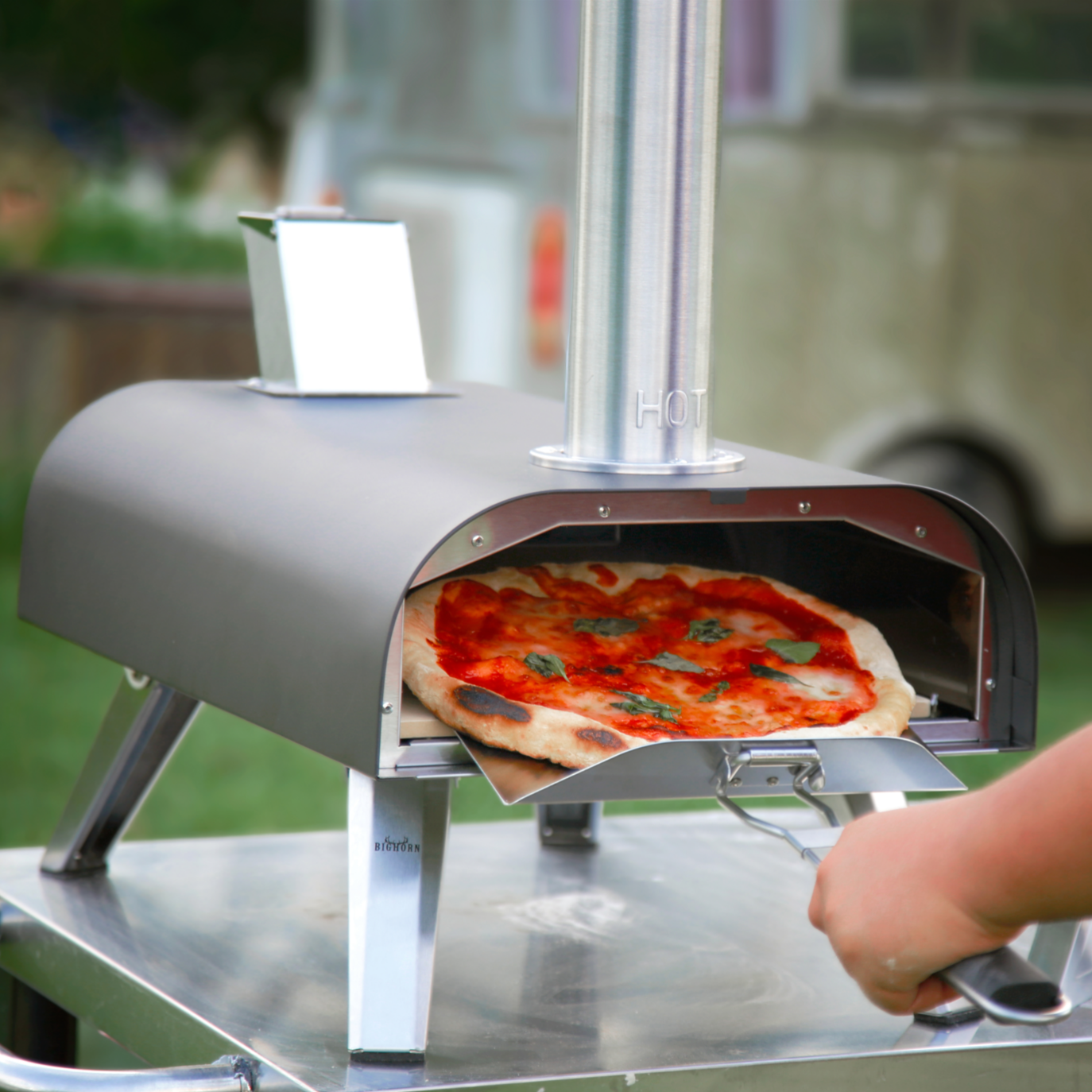
A well-maintained portable outdoor pizza oven typically lasts 8 to 12 years, but wear doesn't always announce itself clearly. A pizza oven can look fine on the outside while losing heat, corroding at the joints, or costing more in repairs than it's worth. The five warning signs below cover the clearest signals that replacement is more practical than repair, along with a type-by-type decision guide and a maintenance checklist to extend the life of the oven you already have.
Lifespan varies by oven type, construction, and maintenance habits. Knowing typical ranges helps separate normal wear from genuine end-of-life symptoms.
| Oven Type | Typical Lifespan | Primary Wear Factor |
| Portable stainless steel (pellet, gas, multi-fuel) | 8–12 years | Metal frame, door seals, and fuel system components |
| Electric countertop | Often 5–10 years; varies by build quality | Heating elements and electronic controls |
For portable stainless steel models, the metal frame, door seals, and burner or feed system are the first components to show serious wear. The pizza stone or cooking insert typically outlasts the outer structure. Outdoor exposure to rain, frost, and salt air, combined with infrequent cleaning, will shorten its lifespan faster than normal wear and tear.
Not all cracks mean the oven is finished. Location and pattern determine whether you're looking at a patchable surface issue or a structural failure.
Hairline cracks on the pizza stone or cooking floor are normal and develop from repeated heating and cooling cycles. For portable stainless steel ovens, the warning signs to watch are warped panels, failed welds at frame joints, and door frames that no longer seal tightly. Cracks that return within weeks of repair, or that appear across multiple joints at once, point to structural breakdown rather than surface wear.
A cracked pizza stone is a replaceable component. Swap it out and keep cooking. The concern starts when frame welds or main structural joints are damaged and that damage keeps coming back.

Consistent performance loss is one of the earliest signs that a pizza oven is failing. If yours takes noticeably longer to preheat, or loses temperature mid-cook, something inside has broken down.
Preheat times vary by oven type and model. Modern portable gas, pellet, and multi-fuel ovens typically reach cooking temperature in 15 to 25 minutes, though some models heat faster. These are general reference ranges, not fixed standards across all models.
| Oven Type | Typical Preheat Range | Possible Warning Sign |
| Portable gas outdoor pizza oven | 15–25 min (model-dependent) | Noticeably slower than when new |
| Pellet pizza oven | 15–25 min (model-dependent) | Fails to reach target temperature consistently |
| Multi-fuel pizza oven | 15–25 min (model-dependent) | Temperature drops mid-cook despite adequate fuel |
If deep cleaning doesn't restore your preheat times, your oven's internal insulation has likely degraded.
One side of the pizza burns while the other stays raw, pointing to compromised heat distribution from worn burners, a shifted cooking floor, or a damaged heat deflector. A pellet oven burning through fuel faster than usual, or a gas oven using more propane per session, points to the same root issue: heat escaping through cracks, failed seals, or degraded insulation. Clean the burners and check the door seal first. If either problem continues after basic maintenance, the oven has degraded beyond easy repair.

Rust on a portable outdoor pizza oven is not purely cosmetic. It signals structural deterioration, and rust anywhere near the cooking surface creates a food safety concern.
Start with door hinges, welds, and connection joints, where moisture collects and spreads fastest. Also inspect the firebox interior on pellet and multi-fuel ovens, where heat cycles and residue buildup accelerate corrosion.
| Type | What It Looks Like | What to Do |
| Surface rust | Small patches on exterior, non-load-bearing parts | Wire brush and high-temp paint may address it |
| Structural rust | Rust at welds, frame joints, or firebox walls | Replacement is safer and more cost-effective |
Surface rust caught early responds to treatment. Rust that has spread through welds or the main frame compromises structural integrity in ways that repairs rarely hold up under repeated high-heat use. Once moisture enters the structure, it tends to stay there, and repeated treatments rarely solve the root cause.

Some smoke at startup is expected from pellet and multi-fuel ovens. Persistent smoke that won't clear points to an issue that cleaning alone may not fix.
Pellet and multi-fuel ovens typically produce visible smoke at startup that clears within 10 to 15 minutes. Smoke that persists past that window suggests blocked vents, a damaged flue, or a failed door seal. A gas outdoor pizza oven should produce almost no visible smoke when burning cleanly. Visible smoke from a gas oven usually means the fuel isn't burning properly from damaged burners or blocked air passages, which carries a carbon monoxide risk that needs immediate attention, not a deferred repair.
Deep clean the grease buildup from vents and flue openings. If the problem clears, it was maintenance-related. If persistent smoke or airflow problems remain after a thorough cleaning, the cause is structural and a professional inspection is needed to decide between repair and replacement.

No single repair defines the tipping point, but cumulative cost over time tells the real story.
As a rough benchmark, if total annual repair costs exceed 25% of what a comparable new outdoor pizza oven costs today, it’s usually smarter to just invest in a new one. Single repairs that approach 60 to 80% of the new oven cost are rarely worth it on a unit older than 8 to 10 years.
Add up every expense over the past two years: seal replacements, rust treatments, burner or igniter repairs, and replacement parts. Small repairs compound quickly. Factor in canceled cookouts from unexpected failures and the cost of owning equipment that can't be counted on. Ovens over 8 to 10 years old with any major structural issue are strong candidates for replacement.

The right call depends on oven type, damage location, and age. This table covers the most common scenarios.
| Oven Type | Repair Makes Sense | Replace Instead |
| Portable pellet pizza oven | Igniter, auger, or feed tube replacement | Firebox rusted through, frame welds failed |
| Portable gas outdoor pizza oven | Burner replacement on a unit under 7 years old | Gas line damage, persistent smoke, heavy carbon buildup |
| Multi-fuel pizza oven | Door seal, stone, or burner replacement | Structural frame rust, repeated weld failures |
Serviceable parts such as igniters, door seals, cooking stones, and burner components are worth replacing without hesitation. Structural damage and safety failures are a different category.
Prevention costs far less than replacement. Two habits make the biggest difference in long-term performance.
UV exposure, moisture, and frost are the top lifespan killers for portable outdoor pizza ovens. A fitted weatherproof cover used after every cook and during winter storage prevents most rust and weather damage from developing.
Run through this check after the last cook of fall and again before the first use in spring:
Catching small issues at each season change costs little to address and helps prevent minor wear from turning into damage that requires full replacement.
Structural damage that keeps returning, persistent temperature problems, spreading rust, heavy smoke after cleaning, and climbing repair bills all point in the same direction. When multiple signs appear together, a new outdoor pizza oven is often the more practical choice. Modern portable ovens heat up faster, use fuel more efficiently, and deliver more consistent results than an aging unit.
Big Horn Outdoors® carries a full range of outdoor pizza ovens, including pellet, gas, electric, and multi-fuel models built for long-term outdoor performance. Browse the full collection at bighornoutdoor.com.
Igniters, door seals, pizza stones, and auger motors are standard owner-replaceable parts. Gas line repairs, frame weld failures, and firebox damage require professional inspection before any repair work is attempted.
Most portable pizza oven warranties exclude cosmetic rust, heat discoloration, and general wear. Coverage typically applies to manufacturing defects only. We recommend checking your specific model's warranty terms on our [Warranty Support page] before scheduling repairs.
Twice a year covers most situations: once before the first cook of spring and once after the last cook before winter storage. Check seals, vents, the cooking surface, and all metal joints. Catching issues early costs little and often prevents damage that leads to full replacement.
 Big Horn Outdoors® Expands Retail Presence with New Experience at Piedmont Outfitters
Big Horn Outdoors® is excited to announce a new retail destination for outdoor cooking enthusiasts. Customers can now experience the brand's popula...
Big Horn Outdoors® Expands Retail Presence with New Experience at Piedmont Outfitters
Big Horn Outdoors® is excited to announce a new retail destination for outdoor cooking enthusiasts. Customers can now experience the brand's popula...
 As Seen on NBC Daytime: Big Horn Outdoors® Pizza Oven and Infrared Steak Grill Featured on National Television
Featured on NBC Daytime, the 12-Inch Multi-Fuel Pizza Oven and 16-Inch Infrared Steak Grill demonstrate how Big Horn Outdoors® helps make high-qual...
As Seen on NBC Daytime: Big Horn Outdoors® Pizza Oven and Infrared Steak Grill Featured on National Television
Featured on NBC Daytime, the 12-Inch Multi-Fuel Pizza Oven and 16-Inch Infrared Steak Grill demonstrate how Big Horn Outdoors® helps make high-qual...
 How to Make a Smash Burger on an Infrared Grill
Standard grills ruin beef by losing flavor. Use a cast iron plate on an infrared grill to lock in moisture and make the perfect smash burger crispy...
How to Make a Smash Burger on an Infrared Grill
Standard grills ruin beef by losing flavor. Use a cast iron plate on an infrared grill to lock in moisture and make the perfect smash burger crispy...