

Pizza Ovens
Can You Use a Pizza Oven When It's Windy?
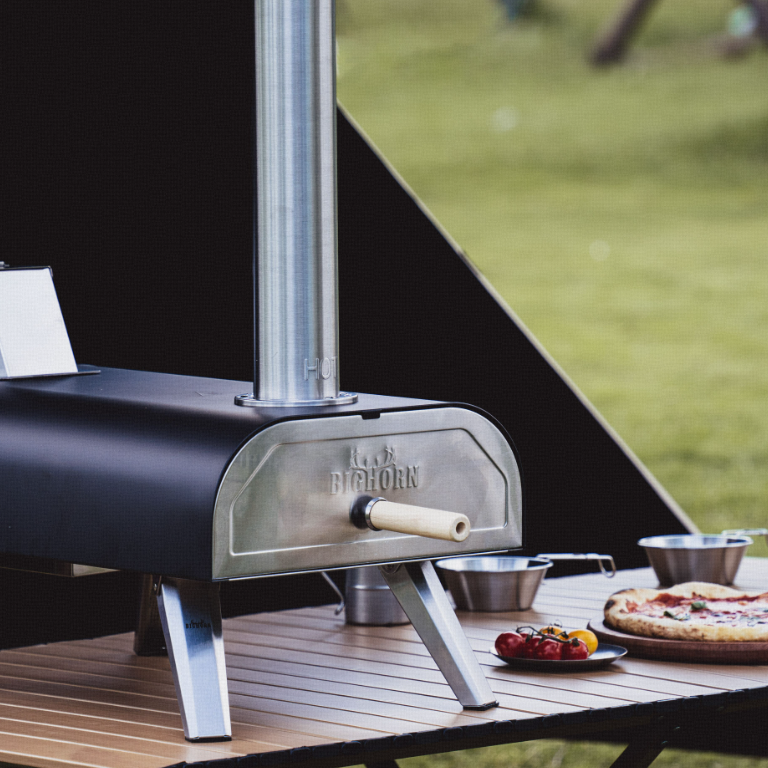
As you prepare the dough and toppings, the wind picks up. The top gets burned, the bottom stays raw, and your perfect pizza night is ruined. Can you use the oven even when it's windy?
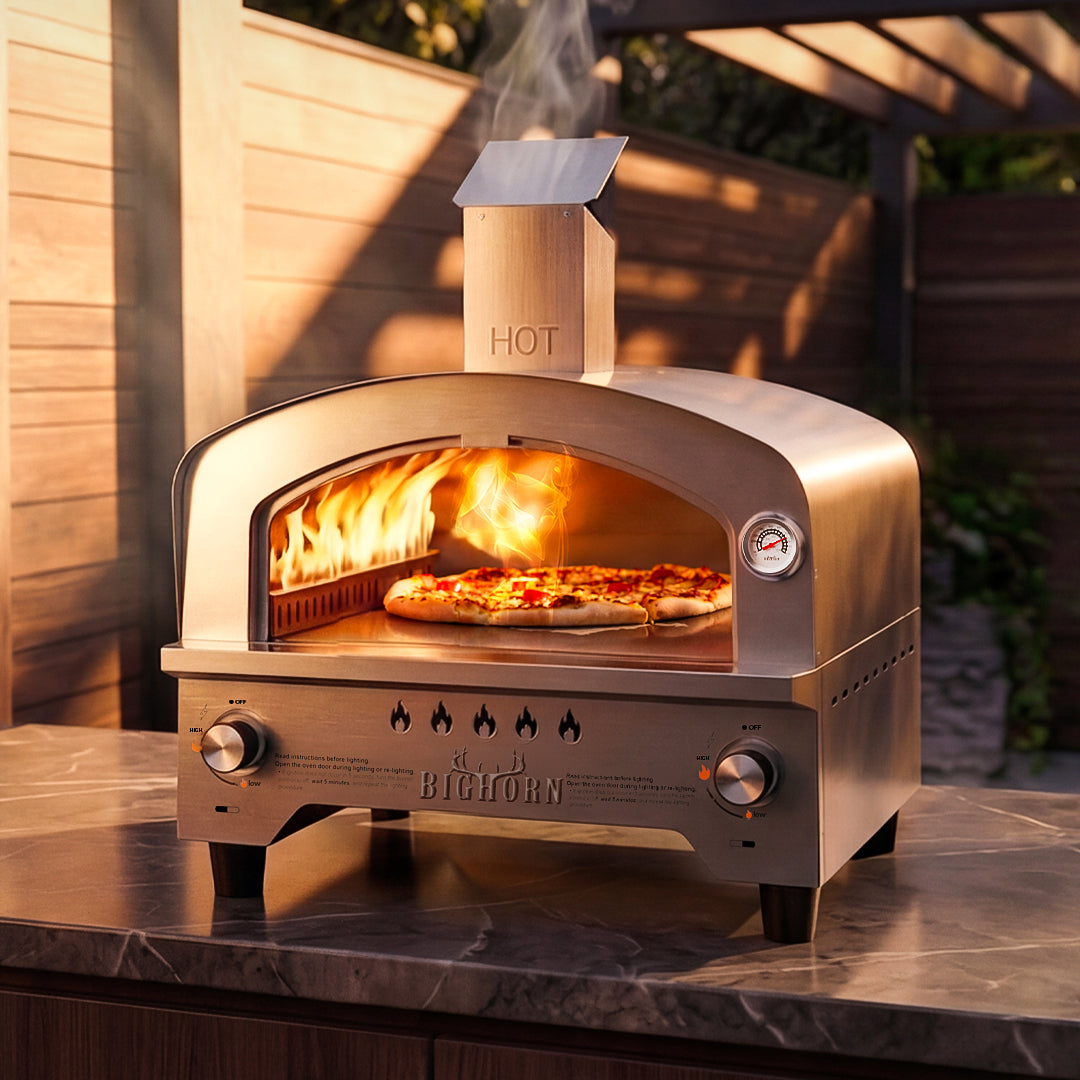
Related product: Shop 12-inch Wood Pellet Pizza Oven.
Yes, you can—but you'll need to adjust your approach. No matter the weather, this guide will show you how to make great pizza.
Wind causes two main problems: it makes it unsafe, and it messes with temperature control.
The oven's heat is lost to the wind. An oven can lose 25% of its power in just 10 to 15 mph of breezy conditions. The pizza stone cools down faster than the air inside the oven because of the gusts. Even though your dome temperature says it's 900°F, the stone is much cooler. That's why the bottom is raw, and the top is burned.
Let's talk about safety first before we get to cooking: Do not bring your oven inside. No garages, sheds, or covered porches. All fuel-burning ovens produce carbon monoxide (CO), which is poisonous and can't be seen or smelled. You should always use your oven outside, in the open air. Be careful of flying embers. Wood and pellet ovens can send out hot sparks when the wind blows. Leave 10 feet of space around your oven and keep a fire extinguisher close by. Keep your oven stable. Put your oven on a stable, flat surface so the wind can't blow it over.

Two things can happen to your fire: it can either get choked out and smolder, or it can burn too quickly. The key is managing your door and vent. Keep the door mostly closed while it warms up. It keeps the wind out and makes your stone heat up faster. Adjust the damper to manage the airflow. To get the fire going in a Big Horn® oven, open it 75% of the way. Then, close it to about 50% to keep the heat steady.
Windy conditions are especially challenging for gas ovens because the flame goes out. This is risky because unlit gas can build up and cause a dangerous flare-up when you try to light it again. Do these things if your flame goes out:
Just face the back of your oven into the wind. It will work better than anything else. When the wind hits the back of the oven, it moves around it and helps keep the flame stable. If the wind comes in through the front door, it will kill your heat. If you can, put your oven next to a non-combustible wall for extra protection.

If you can't reposition your oven, build a windbreak. But be careful: Don't enclose it completely. This is a windbreak, not a box. Leave a few sides and the top open to let air flow. Trapping air can allow deadly CO to build up. Use safe materials:
Once your set-up is safe, adjust your cooking technique:
A 20-minute warmup won't cut it. You need to give your stone more time to heat through because the wind strips away heat. In windy conditions, preheat for at least 40 to 45 minutes.
Your dome thermometer only reads air temperature, which doesn't matter much in breezy conditions. What counts is the stone temperature. Use an IR thermometer to check the stone directly. The stone should be at least 750°F before you put the pizza on it.

Every pie cools down your stone. Take your time with the next one. Give it a few minutes, then check again with your IR thermometer to make sure the stone is back up to 750°F before you launch.
Wind creates hot and cold spots in your oven. To get an even cook, rotate your pizza every 30 to 45 seconds, or more frequently if you notice uneven cooking.
Don't cancel pizza night just because it's windy. You can still make great pizza as long as the gusts aren't too strong (over 30 to 35 mph is pushing it). Remember these three things:
Want an oven that can handle tough conditions? Check out what Big Horn Outdoors® has to offer. With our door-and-damper controls, you can really manage your fire no matter what the weather is like.
Most people find it too difficult to control the temperature when winds gust over 30 to 35 mph. If trees are bending or lawn furniture is moving around, it's probably too windy.
Yes. Once it's hot, a little rain or snow won't hurt your oven. Just make sure the pizza stone doesn't get wet between sessions. A wet stone takes forever to heat up because it has to boil off all the moisture first, keeping the stone stuck at 212°F. Store your stone indoors.
This means the stone is too cold and the air is too hot. The wind is cooling your stone down. To fix it: preheat the stone longer to ensure it's fully heated; use an IR thermometer to check the stone's actual temperature; and wait for the stone to recover between pizzas.
Explore more in the Pizza Oven Setup Guides.
 Big Horn Outdoors® Expands Retail Presence with New Experience at Piedmont Outfitters
Big Horn Outdoors® is excited to announce a new retail destination for outdoor cooking enthusiasts. Customers can now experience the brand's popula...
Big Horn Outdoors® Expands Retail Presence with New Experience at Piedmont Outfitters
Big Horn Outdoors® is excited to announce a new retail destination for outdoor cooking enthusiasts. Customers can now experience the brand's popula...