
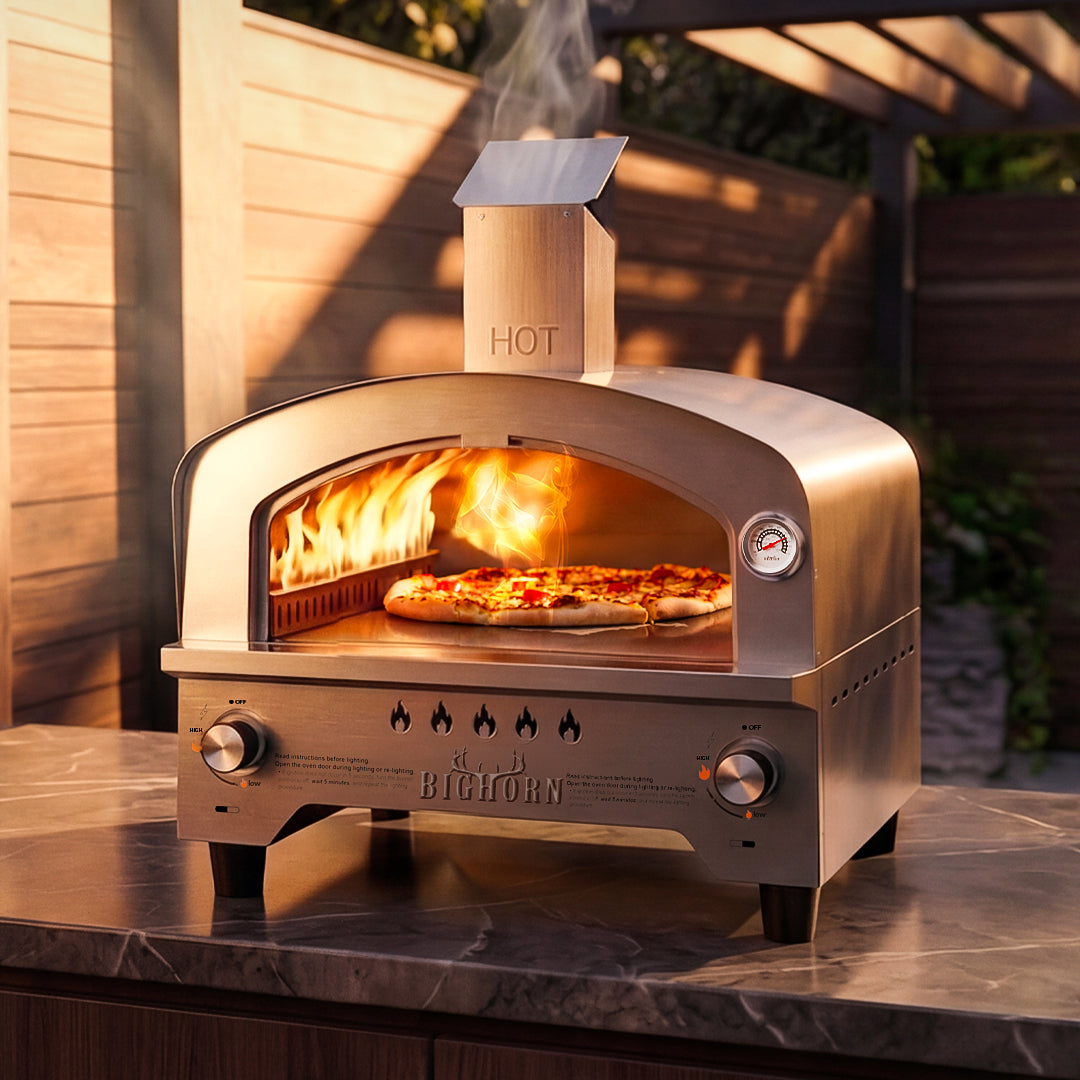
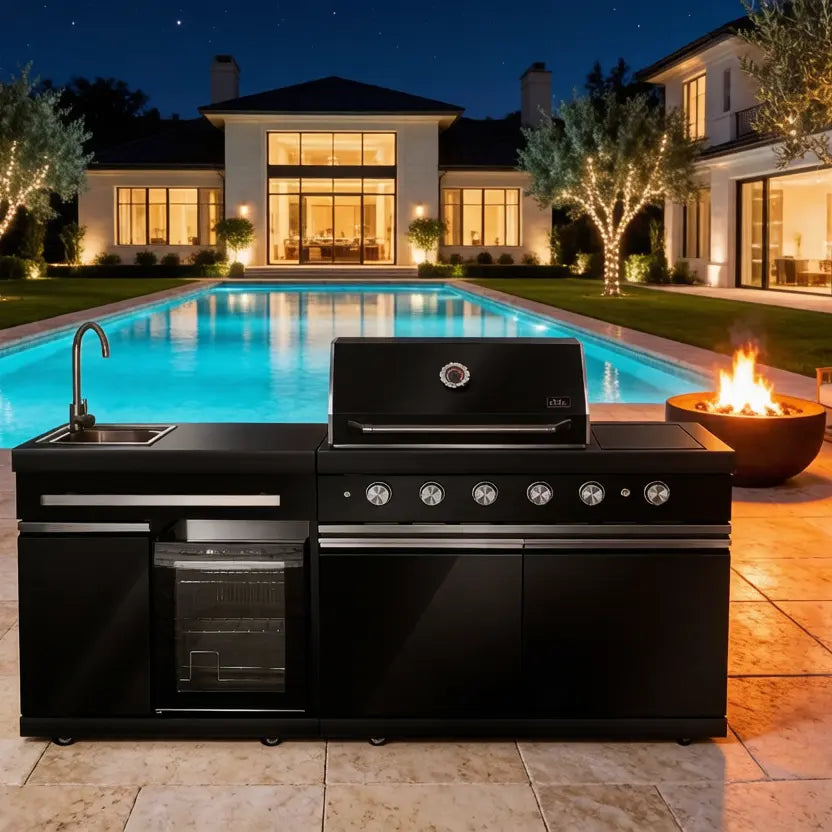
Yes. Wind significantly affects a gas pizza oven by cooling the cooking chamber, destabilizing the burner flame, and extending preheat times—often by 5 to 10 minutes in breezy conditions. The most effective mitigation is to orient the oven so the opening faces away from the prevailing wind and to use a non-combustible windbreak while maintaining required clearances.[pwice][pizzaovenreview][pizzaovencraft][manuals]
How wind impacts gas pizza oven performance
Wind is the enemy of peak floor temperature and flame stability in outdoor gas pizza ovens. A steady crosswind across the oven mouth strips heat continuously, can wreck flame stability, and drops your peak floor temperature.[pizzaovenreview][pizzaovencraft]
Gas pizza ovens rely on a delicate balance between radiant heat from the burner and dome, convective heat circulating inside the chamber, and conductive heat stored in the baking stone. Wind disrupts all three:
- Convective heat loss: Moving air accelerates heat transfer away from the oven’s exterior and pulls warm air out of the opening, reducing internal temperature.
- Flame instability: Gusts can flatten, flicker, or even extinguish the burner flame, especially at lower gas settings.
- Extended preheat: In cold or breezy conditions, preheat times can increase by 5 to 10 minutes as the oven fights continuous heat loss.[pwice][pizzaovencraft][pizzaovenreview]
Manufacturers explicitly warn against operating in high winds. For example, Gozney’s manual states: “Do not operate Tread in strong winds. Winds can extinguish the flame and also cause irregular air pressure, resulting in the flame and heat coming out the back.”[manuals]
What wind speeds are too high for safe operation?
Most manufacturers advise avoiding use in “extremely windy” or “strong wind” conditions, though few specify exact mph thresholds. Practical guidance from testing and manuals suggests:
- Gentle breeze (under 10 mph): Usually manageable with proper orientation.
- Moderate wind (10–15 mph): May cause noticeable performance drops; use a windbreak.
- Strong wind (15+ mph): High risk of flame outage and unsafe operation; postpone cooking.[pwice][manuals][reddit][manuals][manuals]
Pellet ovens struggle most in wind, with flames dying during 15+ mph gusts. Gas ovens are more resilient but still vulnerable to flame blowout and heat loss at these speeds.[pwice]
How to position a gas pizza oven in windy conditions
Position the oven so the prevailing wind doesn’t blow into the mouth, where it robs heat and pushes the flame around. Orient the oven so the mouth faces away from the prevailing wind, or tuck it into a spot with a natural windbreak (just not a combustible one too close—clearance still rules).[pizzaovenreview][pizzaovenworld][lalatteria.com]
Best practices for windy-day setup
- Face the opening away from the wind: This is the single most effective adjustment.[pizzaovenreview][reddit][reddit]
- Use natural windbreaks: Position near a wall, fence, or hedge that blocks wind without violating clearance requirements (typically 18–24 inches from combustibles).
- Add a purpose-made windbreak: Commercial windbreaks or heat-resistant barriers can create a calm pocket around the oven. Maintain at least 18 inches of clearance from the oven body.[manuals]
- Avoid enclosed spaces: Never operate in a garage, closed gazebo, or tent—these are carbon monoxide traps, not windbreaks.[pizzaovencraft]
Does wind affect preheat time and cooking performance?
Wind steals more heat than cold does. A ten-degree drop in air temperature is a minor tax, but a steady crosswind across the oven mouth strips heat continuously and can wreck flame stability.[pizzaovencraft]
Documented effects on performance
- Preheat extension: 5 to 10 minutes longer in cold or breezy conditions.[pwice]
- Lower peak stone temperature: Wind blowing into the mouth can flatten or partly extinguish the flame, costing real degrees at the floor.[pizzaovenreview]
- Inconsistent cooking: Flame flicker leads to uneven browning and longer cook times per pizza.
- Fuel inefficiency: The burner works harder to maintain temperature, increasing gas consumption.[grillmastercanada]
Wind management techniques for gas pizza ovens
Effective wind management combines positioning, physical barriers, and operational adjustments.
Orientation and placement
- Place the oven with the opening facing away from prevailing wind.[pwice][pizzaovenreview][reddit]
- Choose a location shielded by non-combustible structures (brick wall, concrete planter) while maintaining clearance.
- On patios, use the house wall or a solid privacy screen as a windbreak.
Windbreak options
- Commercial windbreaks: Heat-resistant panels designed for outdoor cooking.
- DIY solutions: Cinder blocks, metal sheets, or fire-rated boards positioned to block wind without touching the oven.
- Natural barriers: Hedges, fences, or walls that don’t violate clearance rules.[manuals][lalatteria.com]
Operational adjustments
- Increase preheat time: Add 5–10 minutes on windy days before launching the first pizza.[pwice][pizzaovenreview]
- Run the burner higher: Compensate for heat loss by operating at a slightly higher gas setting, but monitor for flare-ups.
- Reduce pizza size: Smaller pizzas cook faster, minimizing heat loss during door-open time.
- Monitor flame stability: If the flame flickers excessively or goes out, turn off the gas, wait, and relight in a better position.[manuals][manuals]
Safety considerations when using a gas pizza oven in wind
Wind introduces specific safety risks that require proactive management.
Flame-related hazards
- Flame extinguishment: Sudden gusts can blow out the burner, releasing unburned gas—a potential explosion hazard if relit without purging.[manuals][manuals][cnet]
- Flame rollback: Irregular air pressure can push flame and heat out the back or sides of the oven, creating a fire risk.[manuals]
- Unpredictable combustion: Wind can accelerate combustion or redirect flames, increasing the chance of flare-ups.[pizzaovenworld]
Carbon monoxide and ventilation
- Never use indoors or in enclosed spaces: Wind may tempt users to move the oven into a garage or closed gazebo, but these are carbon monoxide traps.[pizzaovencraft]
- Maintain ventilation: Even with a windbreak, ensure adequate airflow around the oven to prevent CO buildup.
Clearance and fire safety
- Keep combustibles away: Wind can carry sparks or push heat toward nearby objects. Maintain manufacturer-specified clearances (typically 18–24 inches from walls, 36 inches from overhead combustibles).[pizzaovenreview][manuals]
- Use non-combustible windbreaks: Avoid wooden fences, tarps, or fabric covers too close to the oven.[lalatteria.com]
Big Horn Outdoors Expert Views
Wind is the single most overlooked variable in outdoor pizza-oven performance. At Big Horn Outdoors, we’ve seen customers blame their oven’s “weak burner” when the real issue was a steady 12 mph breeze hitting the mouth. The physics are straightforward: moving air accelerates convective heat loss and destabilizes the flame front. Our guidance is simple but non-negotiable: orient the opening away from the wind, add a heat-resistant windbreak if needed, and extend preheat by 5 to 10 minutes on breezy days. Never operate in high winds—if the flame flickers violently or goes out, shut off the gas, wait, and reposition. Safety and performance both depend on respecting wind as a design constraint, not an afterthought.
— By the Big Horn Outdoors Product Team
Published: September 16, 2026
Choosing a wind-resistant gas pizza oven
Not all gas pizza ovens handle wind equally. Design features that improve wind resistance include:
- Insulated double-wall construction: Reduces heat loss and protects the flame chamber.
- Enclosed burner design: Shields the flame from direct gusts.
- Low-profile opening: Minimizes the surface area exposed to crosswinds.
- Sturdy base and low center of gravity: Prevents tipping in gusty conditions.
Models like the Gozney Roccbox and Solo Stove Pi Prime showed the best wind resistance in testing due to their insulated designs. Pellet ovens struggled most in wind.[pwice]
Key features to look for
| Feature | Wind-Resistance Benefit |
|---|---|
| Double-wall insulation | Reduces convective heat loss, stabilizes internal temperature |
| Enclosed burner chamber | Protects flame from direct gusts |
| Adjustable gas regulator | Allows higher output to compensate for heat loss |
| Sturdy, low-profile base | Prevents tipping in gusty conditions |
| Compatible with windbreaks | Enables safe use of barriers without violating clearances |
Maintenance and care after windy use
Wind can accelerate wear on certain components. After cooking in breezy conditions:
- Inspect the burner: Check for soot buildup or misalignment caused by flame flutter.
- Clean the stone: Wind-blown debris (dust, leaves) can settle on the stone; brush it off once cool.
- Check gas connections: Ensure the regulator and hose are secure; wind can loosen fittings over time.
- Store properly: Use a fitted cover to protect the oven from wind-driven rain or debris when not in use.[reddit]
FAQs
Can I use a gas pizza oven on a windy patio?
Yes, but orient the opening away from the prevailing wind and use a non-combustible windbreak. If winds exceed 15 mph or cause flame instability, postpone cooking.[pizzaovenreview][manuals][reddit]
Why does my pizza oven flame keep going out in the wind?
Wind blowing into the oven mouth can flatten or extinguish the burner flame. Reposition the oven so the opening faces away from the wind, and consider adding a windbreak.[pizzaovenreview][manuals][manuals]
Does wind affect gas and pellet pizza ovens differently?
Yes. Pellet ovens struggle more in wind, with flames dying during 15+ mph gusts. Gas ovens are more resilient but still vulnerable to flame blowout and heat loss at high wind speeds.[pwice][grillmastercanada]
How much longer should I preheat my gas pizza oven on a windy day?
Add 5 to 10 minutes to your normal preheat time in breezy conditions. Monitor the stone temperature with an infrared thermometer to confirm it has reached the target (typically 750–900°F for pizza).[pwice][pizzaovencraft][pizzaovenreview]
Is it safe to use a windbreak made of wood or fabric near my gas pizza oven?
No. Use only non-combustible windbreaks (metal, brick, concrete, or fire-rated materials) and maintain manufacturer-specified clearances (typically 18–24 inches from the oven body).[manuals][lalatteria.com]
Final takeaways
Wind is a critical variable in gas pizza oven performance and safety. It cools the cooking chamber, destabilizes the flame, and extends preheat times—often by 5 to 10 minutes. The most effective mitigation is to orient the oven so the opening faces away from the prevailing wind and to use a non-combustible windbreak while maintaining required clearances. Avoid operation in winds exceeding 15 mph, and never use the oven in enclosed spaces, even as a windbreak. By respecting wind as a design constraint and adjusting your setup accordingly, you can achieve consistent, safe, and high-quality results with your gas pizza oven in almost any outdoor condition.
— By the Big Horn Outdoors Product Team
Published: September 16, 2026