
Big Horn owners most often report a learning curve with heat control, pellet-fire management, heat loss between pizza bakes, and occasional stone, door, burner, or shipping-damage issues. These reports are model-specific rather than brand-wide: the most discussed complaints involve portable pizza ovens, while high-heat propane products add ignition, regulator, and flare-up considerations.
Big Horn Outdoors makes outdoor-cooking equipment across several categories, including pellet and gas pizza ovens, infrared steak grills, Santa Maria-style grills, camping stoves, and accessories. Because those products use different fuels, burners, materials, and operating methods, an owner report about one oven or grill should not be treated as a universal issue across the full Big Horn Outdoors catalog.
Which Problems Do Big Horn Owners Report Most Often?
Big Horn owners most commonly mention temperature management, component damage, and setup or maintenance challenges—not one single defect shared by every product. For portable pellet pizza ovens, recurring discussions center on fuel feeding, stone durability, door fit, and reheating between pizzas; for gas units, reports more often concern ignition, burner behavior, or gas-control parts.
The practical pattern is important: high-heat outdoor cookers reward active operation. A pizza oven can run hot enough to char toppings quickly while leaving the base pale if the stone has not stored enough heat. An infrared grill can brown a steak rapidly through radiant energy while still requiring careful grate positioning and short cooking intervals.
Reported issues generally fall into three groups:
- Product-condition issues: Dented packaging, shipping damage, cracked stones, loose hardware, or component defects on arrival.
- Operation issues: Difficulty holding a consistent fire, uneven browning, rapid heat loss after opening a door, or overcooking while learning a high-output burner.
- Support and replacement issues: Some owners report needing help with damaged parts, warranty questions, or replacement components; experiences vary by seller, purchase channel, product, and timing.
For any suspected defect, stop using gas-fired equipment if you smell gas, see damaged fuel-line components, or cannot achieve a stable flame. Inspect the unit before first use and contact the seller or Big Horn Outdoors customer service with photos, proof of purchase, and the product model information.
Why Do Pellet Pizza Oven Owners Mention Heat Control?
Pellet-pizza-oven owners often report that maintaining a stable cooking temperature takes attention because pellet combustion depends on fuel feed, airflow, flame quality, and weather. Opening the door removes hot air and radiant heat, while a weak or smoky fire reduces the energy reaching the pizza stone and upper chamber.
A wood-pellet pizza oven works differently from a household oven. Pellets burn in a fire tray or burner area, creating flame and hot combustion gases that move through the oven chamber. The stone absorbs heat from the fire and hot air, then transfers energy to the dough by conduction.
This creates several common owner frustrations:
- Smoke during startup or refueling: Smoke can indicate incomplete combustion, which may happen when pellets are damp, airflow is restricted, or too much fuel is added before the existing fire is established.
- A fire that fades during cooking: A pellet fire needs a sustained fuel bed and sufficient oxygen. Letting the hopper or feed area run low can reduce flame intensity and lower stone temperature.
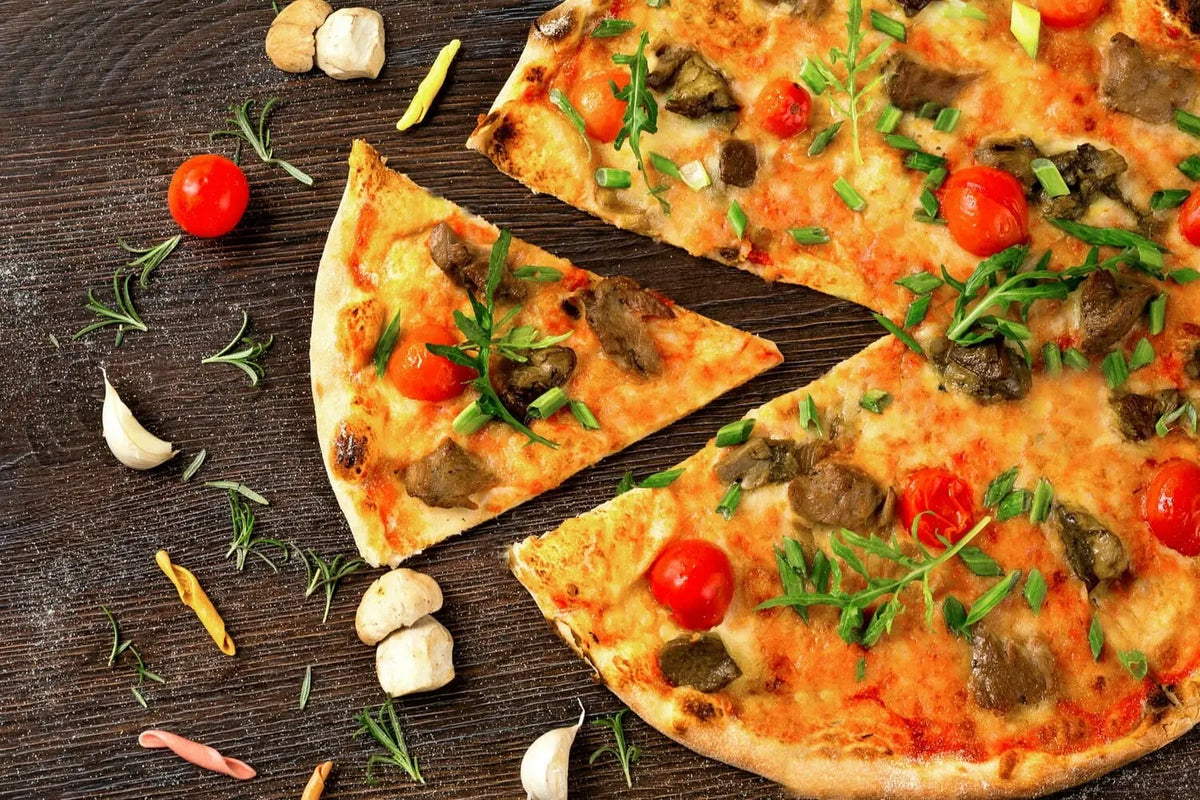
- Top browning faster than the bottom: Flame and radiant heat can cook cheese and toppings rapidly, but the pizza base needs a properly heated stone.
- Temperature drops between pizzas: Every launch, turn, check, and removal introduces cooler outside air. The stone also gives up stored energy to each pizza, so repeated baking requires recovery time.
Some independent reviewers and owners of the 12-inch pellet-style oven have specifically described frequent pellet tending, sensitivity to wind, smoke during refueling, and a need to reheat between consecutive pizzas. Other users report successful cooks after developing a consistent fueling and turning routine. These are owner experiences, not performance guarantees for every unit.[tvwbb][amazon][palapizza]
Heat management that reduces frustration
Start with dry, food-safe hardwood pellets and keep them protected from moisture. Wet pellets can smolder instead of burning cleanly. Prepare dough, toppings, peel, and turning tools before lighting the oven so you do not leave the fire unattended during the active preheat stage.
Use an infrared thermometer to measure the stone surface, not just the air temperature near the opening. Air can be very hot while the stone remains too cool for a properly crisp base. After each pizza, assess both the flame and stone recovery before launching the next one.
Wind also matters. In general, wind can disturb the draft through a pellet oven, pushing flame or pulling heat from the chamber. Use the cooker only in an appropriate outdoor location, on a stable noncombustible surface, and follow the specific model manual for orientation, clearances, and weather restrictions.
Are Cracked Stones and Door Problems Common?
Cracked stones and awkward door handling are among the complaints reported by some portable pizza-oven owners, but they are not proof that every Big Horn oven will fail. A pizza stone is a consumable high-heat component that can crack from impact, manufacturing damage, moisture, or thermal shock, while door fit can affect convenience and heat retention.
A pizza stone stores heat so the dough sets quickly. That same thermal mass makes it vulnerable to abrupt temperature changes. Examples of avoidable thermal shock include placing a cold or wet stone into an already hot oven, spraying water on a hot stone, or moving a hot stone onto a cold or wet surface.
Inspect the stone before every cook. Do not use a stone that is badly fractured, unstable, or shedding pieces into food. A hairline crack may not always prevent use, but the correct decision depends on the crack’s depth, movement, and the manufacturer’s guidance for the exact model.
Some owners have also described doors that are difficult to remove or reinstall when the oven is hot. This matters because the door affects airflow and heat retention. Never force a hot door, reach into the chamber without suitable heat protection, or touch unprotected metal surfaces during operation. Independent coverage of the pellet oven has noted door and handle complaints, sharp internal edges, stone breakage reports, and heat loss when the door is opened.[amazon][palapizza][reddit]
What Gas-Grill and Infrared Owners Should Watch For
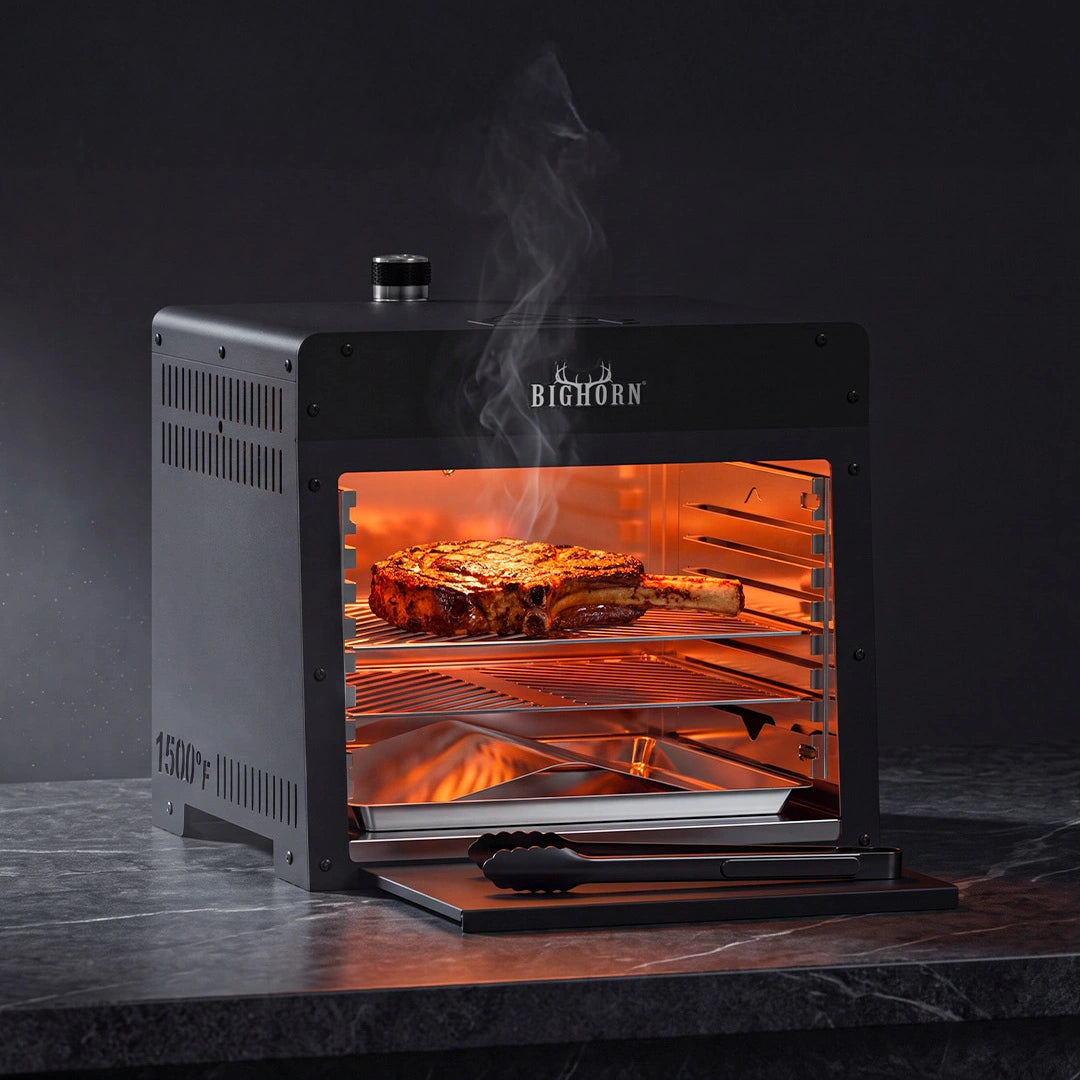
Gas and infrared-cooker owners most often need to watch for ignition reliability, burner performance, regulator condition, and flare-up risk. An infrared broiler is a gas cooker that heats a ceramic or metal radiant surface, which then transfers intense infrared energy directly to food rather than relying mainly on hot circulating air.
Infrared heat can be effective for searing because it delivers high radiant energy to the meat surface. That encourages the Maillard reaction—the series of browning reactions that creates roasted flavor and a dark crust—when the surface is dry and hot enough.
The trade-off is speed. A burner that delivers powerful radiant heat can overbrown the exterior before the center reaches the desired doneness, especially with thin cuts, sugary marinades, or fatty foods.
Reported concerns on some gas products include:
| Reported concern | What it may mean | Safe first response |
|---|---|---|
| Igniter does not spark or burner will not light | Battery, electrode, ignition, gas-flow, or assembly issue | Turn controls off, close the fuel supply, cool the unit, and follow the exact model’s ignition troubleshooting instructions |
| Uneven flame or one burner underperforms | Blockage, misalignment, low fuel flow, wind, or component fault | Do not disassemble gas components beyond manual-approved steps; inspect and contact support if the issue persists |
| Regulator or valve concern | Potential fuel-control or leak risk | Stop using the appliance, disconnect fuel when safe, and perform only the leak-check procedure specified in the manual |
| Flare-ups or excessive charring | Dripping fat igniting or food placed too close to intense heat | Trim excess fat, use appropriate rack height, monitor continuously, and move food if flames rise |
A Walmart review for a Big Horn 1,500°F infrared steak grill alleges a gas-regulation-valve failure after a single use; that is an individual report, not a verified failure rate. Amazon review summaries for a Big Horn gas pizza oven also describe mixed experiences with burner operation, heat balance, and stone damage.[walmart][amazon]
Never test for a gas leak with a flame. Use the manufacturer-approved soap-solution leak test, check hoses and fittings before lighting, and stop immediately if you smell gas. Use propane and butane cookers outdoors unless the exact product documentation explicitly states otherwise.
Setup, Portability, and Capacity Matter
A Big Horn product can be portable without being effortless to operate, because portability reduces size and weight but may also reduce thermal mass, fuel capacity, and workspace. Before buying, match the cooker to the number of people you serve, your fuel preference, your available outdoor space, and how actively you want to manage heat.
Portable pizza ovens and camping stoves suit patios, campsites, RV travel, and smaller outdoor spaces when used as directed. They are less suitable for someone expecting the unattended consistency of a built-in outdoor kitchen or an indoor appliance.
Use this decision guide before selecting or troubleshooting a cooker:
| If your priority is… | Consider… | Expect to manage… |
|---|---|---|
| Wood-fired flavor and hands-on cooking | Pellet pizza oven | Fuel feed, airflow, smoke, stone recovery, and weather |
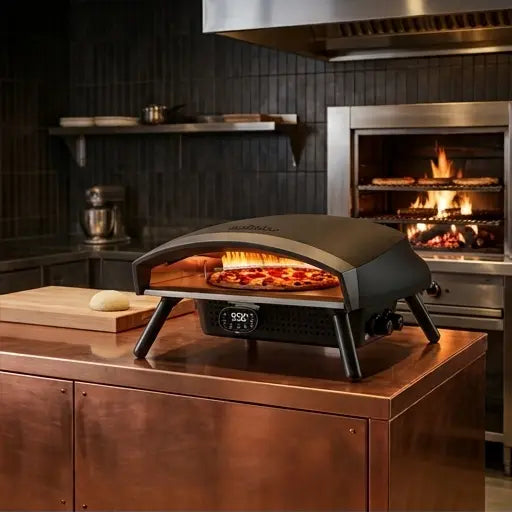
| Faster startup and adjustable flame | Gas pizza oven or propane grill | Fuel connections, burner ignition, flame adjustment, and gas safety |
| Fast steak searing | Infrared steak grill | Rack position, short cooking intervals, rendered-fat flare-ups, and carryover cooking |
| Group cooking over live fire | Santa Maria-style grill | Coal bed, grate height, wood or charcoal management, and ash |
| Simple travel meals | Propane or butane camping stove | Fuel-canister compatibility, wind protection, pan stability, and ventilation |
| Indoor countertop pizza cooking | Exact indoor-rated electric model only | Electrical capacity, countertop clearance, and manufacturer instructions |
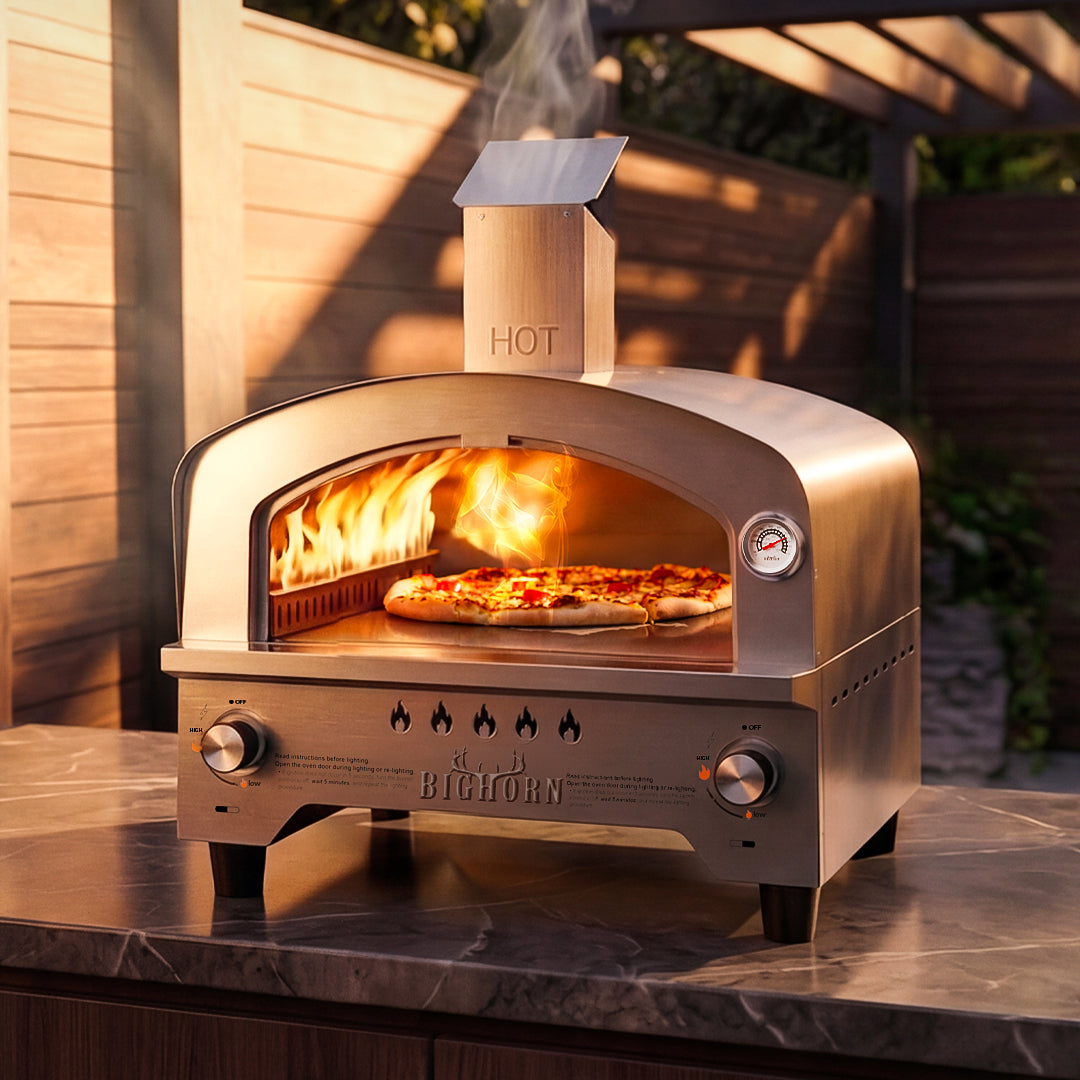
The Big Horn Outdoors 12-inch wood-pellet pizza oven described in the brand background is a stainless-steel portable model with folding legs and a listed weight of 24.9 pounds. Its stated performance is an 18–20-minute preheat, temperatures up to 887°F, and 60–90-second pizzas under appropriate conditions. Those details apply only to that specific model; they should not be assumed for Big Horn gas, electric, or larger-format ovens.
How Can Owners Prevent Most Avoidable Issues?
Most avoidable Big Horn owner problems can be reduced by inspecting components before use, using the correct dry fuel, managing heat deliberately, and allowing the cooker to cool completely before cleaning or covering it. High-heat equipment needs preparation more than brute force: a stable fire, a preheated cooking surface, and a clear workflow matter more than chasing the highest displayed temperature.
Use this operating routine for a safer, more predictable cook:
- Read the exact model manual before assembly. Confirm intended location, fuel type, clearances, ignition sequence, and prohibited uses.
- Inspect on arrival. Photograph dents, cracks, loose components, damaged stones, bent burners, or missing hardware before first use.
- Use the correct fuel only. Do not substitute propane for butane, attach unapproved gas accessories, burn unsuitable pellets, or use fuel indoors unless the exact product is indoor-rated.
- Preheat for the cooking surface. For pizza, measure the stone; for a grill, allow the grate and radiant surfaces to heat as directed.
- Cook in short, controlled intervals. Turn pizzas and steaks frequently when the heat source is intense. Do not leave active cooking unattended.
- Allow full cooling before maintenance. Ash, grease, soot, and food residue should be removed only after the unit is safely cool.
- Protect the cooker from weather. A cover can reduce exposure during storage, but do not cover a hot appliance or store a fuel-connected cooker where the manual prohibits it.
For pellet equipment, remove ash only after it is cold and dispose of it in a noncombustible container. For gas cookers, keep burner ports and grease-management areas clean; accumulated grease can cause flare-ups and affect burner performance.
Big Horn Outdoors Expert Views
“The most useful way to evaluate an outdoor cooker is not by its peak temperature alone, but by how well its heat source matches your cooking style. Pellet-fired equipment asks the cook to manage fire, airflow, and stone recovery. Gas equipment emphasizes ignition, flame control, and fuel safety. Infrared equipment delivers intense radiant heat, so food placement and timing become critical. Start with the exact model manual, use the specified fuel and accessories, and build a repeatable routine before judging performance. A stable fire or flame, a properly preheated cooking surface, and safe outdoor placement solve more cooking problems than simply turning up the heat.”
When Is a Problem a Warranty or Support Issue?
A problem should be treated as a support issue when a component arrives damaged, a burner or igniter does not operate according to the manual, a gas-control part appears defective, or a structural component cannot be assembled safely. Do not continue troubleshooting a fuel, ignition, or heat-related fault if doing so could create a fire, burn, or gas-leak hazard.
Document the issue clearly:
- Record the exact product name, model number, order number, retailer, and purchase date.
- Take photos or video before modifying, repairing, or discarding any damaged component.
- Describe the fuel used, operating conditions, and point in the setup or cooking sequence when the issue appeared.
- Keep original packaging if shipping damage is involved, because the carrier or seller may request it.
- Contact the retailer first when its return or replacement process applies; contact Big Horn Outdoors for product-support guidance when appropriate.
Big Horn Outdoors lists U.S. customer service by phone at 888-385-2257, Monday through Friday from 9 a.m. to 5 p.m. Eastern Time, and also provides an after-sales email address on its contact page.[bighornoutdoor]
Conclusion
Big Horn owner complaints are most often about the realities of high-heat portable cooking: pellet-fire tending, temperature recovery, stone care, door handling, ignition, burner behavior, and occasional shipping damage. The strongest fit depends on your cooking style.
Choose a pellet model if you enjoy managing live fire and want wood-fired character. Choose a gas model if you prefer quicker startup and adjustable flame. Choose infrared if fast steak searing matters more than low-and-slow versatility. Choose an indoor electric model only when the exact product is explicitly rated for indoor countertop use.
Before buying or using any Big Horn Outdoors cooker, confirm the exact model’s fuel, intended environment, included parts, accessory compatibility, and operating instructions. Then inspect it carefully, learn its heat pattern, and use a thermometer rather than relying on time alone.
FAQs
Do Big Horn pizza ovens have a learning curve?
Yes. Owners most often describe a learning curve with pellet feed, airflow, stone temperature, pizza turning, and recovery time between bakes. This is common with compact live-fire pizza ovens, especially when cooking several pizzas in succession.
Why does my pizza burn on top but stay pale underneath?
The oven’s upper flame or radiant heat may be stronger than the heat stored in the stone. Preheat the stone thoroughly, verify its surface temperature with an infrared thermometer, and turn the pizza frequently during the bake.
Can I use a Big Horn pellet pizza oven in windy weather?
Wind can alter airflow and flame behavior in a pellet-fired cooker. Use it only outdoors in the location and orientation permitted by the exact model’s manual, and stop cooking if wind makes flame control unstable.
What should I do if a pizza stone cracks?
Let the oven cool completely, inspect whether the stone is stable and food-safe, and consult the product documentation or support before using it again. Do not expose a hot stone to water, place a cold wet stone in a hot cooker, or use a badly fractured stone.
Are Big Horn infrared grills only for steak?
No. Infrared grills can sear steak effectively because radiant heat browns the exterior rapidly, but they can also cook other foods suited to intense direct heat. Choose food thickness, rack position, and cooking time carefully to prevent burning.