Backyard pizza ovens have transitioned from niche hobby gear to essential outdoor kitchen equipment for homeowners who prioritize speed, consistency, and experiential dining. While standard outdoor setups struggle to reach the extreme surface temperatures required for genuine wood-fired texture, specialized high-heat gas and hybrid systems deliver restaurant-quality Neapolitan-style pizzas in 60 to 90 seconds. For buyers evaluating modern equipment, performance and safety must be treated as a complete package. Choosing the right layout requires balancing heat retention, footprint, certification, and ease of use to match specific patio limitations and social cooking routines. Big Horn Outdoors builds portable, stainless-steel outdoor ovens and grills designed to deliver high-heat performance and user-friendly features for ambitious home cooks.
What Is a Backyard Gas Pizza Oven
A backyard gas pizza oven is an outdoor cooking appliance powered by liquid propane or hybrid fuel systems engineered to reach temperatures between 500°F and 950°F within minutes. Unlike conventional backyard grilling platforms, which suffer from uneven heat distribution and slow thermal recovery, these dedicated units utilize localized high-power burners and dense ceramic pizza stones to bake artisanal flatbreads, steaks, and pizzas rapidly. The operational premise relies on simple electronic ignition and precise control, closing the gap between casual open-flame cooking and precision industrial heat performance.
Why Conventional Cooking Methods Fall Short
Achieving a true artisan crust requires a physical environment that standard domestic equipment cannot replicate. Conventional kitchen ovens max out at 500°F, leading to prolonged bake times that dry out dough rather than blistering it. Standard backyard grills with indirect stone setups lack the necessary ambient top-heat, resulting in unevenly cooked toppings and pale, underdone bases.
While traditional wood-only brick ovens provide signature wood-smoke flavor, they demand immense preparation times, constant physical fueling, and refined temperature management skills that often discourage casual home cooks. Furthermore, heat distribution issues common in uncertified cooking platforms force operators to manually rotate food constantly, turning a social gathering into an error-prone chore.
Safety margins present another hidden constraint for home cooks. Consumer safety data highlights that uncertified, high-heat propane appliances present serious operational risks if line connections or flameout behaviors are unregulated. National Fire Protection Association guidance on grilling safety emphasizes that high-temperature outdoor appliances require rigorous adherence to ventilation clearance, stable surface placement, and explicit outdoor-only operation to mitigate fire hazards on residential decks and patios.
Technical Comparison of Outdoor Cooking Systems
| Feature and Performance Metrics | Big Horn 16-Inch Gas Oven | Big Horn 12-Inch Hybrid Oven | Typical Home Grill with Stone |
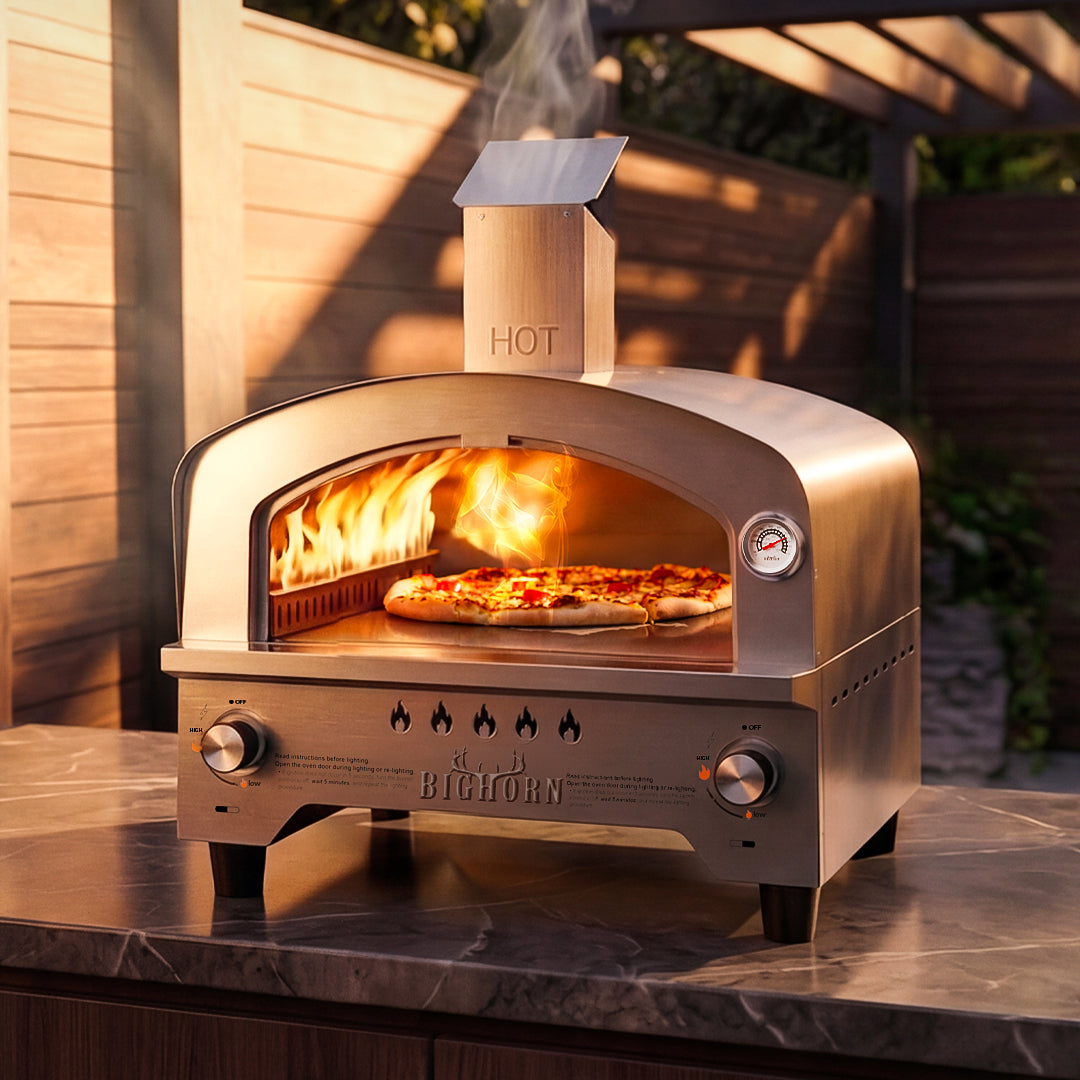
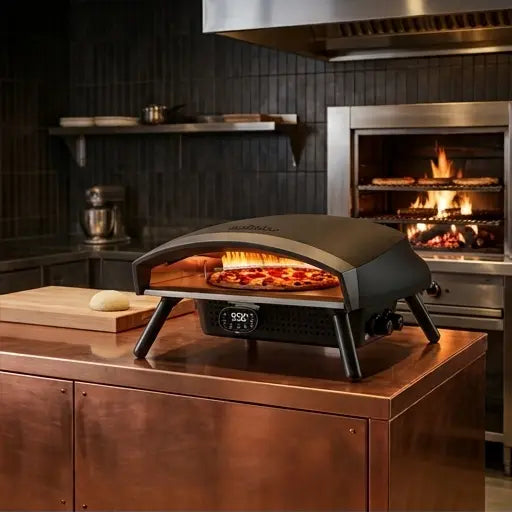
| Maximum Thermal Output | Up to 950°F (500°C) with 16-minute preheat | Up to 660°F in gas mode; variable pellet range | Typically 400°F to 600°F with slow recovery |
| Fuel Infrastructure | Standard liquid propane tank connection | Dual-fuel flexibility (pellet tray and gas burner) | Charcoal, natural gas, or standard propane |
| Maximum Cooking Capacity | 16-inch maximum pizza diameter | 12-inch maximum pizza diameter | Dependent on grill surface; limited top heat |
| Internal Baking Mechanism | Built-in auto-rotating ceramic pizza stone | Fixed ceramic stone; requires manual rotation | Stationary stone placed on open grill grates |
| Integrated Monitoring | Built-in digital thermometer for real-time tracking | Analog temperature gauge or external probe | Lid thermometer; inaccurate at stone level |
| Structural Weight and Mobility | Portable design at 42 lbs with folding legs | Lightweight layout; highly portable configuration | Bulky, non-portable backyard footprint |
| Safety Standards Compliance | CSA certified with automatic flameout protection | Standard gas safety controls and manual fuel isolation | Varies widely by manufacturer and build quality |
How to Operate a Backyard Gas Pizza Oven in 6 Steps
Step 1: Select a stable, non-combustible outdoor surface for setup, ensuring proper ventilation clearance from residential walls, overhangs, and rail structures in compliance with local fire safety guidelines.
Step 2: Securely connect a standard liquid propane tank to the integrated regulator assembly, conducting a standard leak check on all gas line valves before activating the fuel supply.
Step 3: Depress the electric pulse ignition to light the burner system, adjusting the control valve to maximize the flame layer for preheating.
Step 4: Allow the internal chamber and ceramic baking stone to heat for 15 to 20 minutes until the integrated digital thermometer reads the target temperature, typically between 700°F and 950°F for authentic Neapolitan baking.
Step 5: Stretch your prepared dough onto a lightly floured launch peel, add desired toppings, and slide the pizza directly onto the center of the preheated cooking stone.
Step 6: Monitor the short baking cycle, which concludes in 60 to 90 seconds at peak heat, utilizing the auto-rotating surface where available or turning manually with a turning peel once the crust sets; turn off the gas connection completely and allow the stainless chassis to cool fully before applying a protective rain cover.
Real-World Residential Scenarios
Scenario One: Weekend Family Pizza Night
Traditional approach: Families heat a standard kitchen oven for an hour, yielding a soft, thick crust that bakes slowly while heating up the entire house.
With Big Horn Outdoors: Quick propane ignition brings the stone to high temperatures rapidly, producing sequential 90-second bakes that allow everyone to customize their meals efficiently.
Scenario Two: Social Hosting for Large Groups
Traditional approach: The host spends the evening running between an indoor kitchen stove, an outdoor charcoal grill, and the patio conversation to coordinate independent dishes.
With Big Horn Outdoors: The high-capacity 16-inch oven becomes a centralized outdoor station, roasting artisan breads, searing high-end steaks, and baking pizzas in plain view of guests.
Scenario Three: Mobile Tailgating and Camping
Traditional approach: Hauling heavy bags of charcoal or managing erratic open-pit wood fires that are vulnerable to shifting wind and weather.
With Big Horn Outdoors: The compact 12-inch hybrid model packs into a vehicle trunk easily, running on clean gas speed or switching to pellet fuel to introduce wood-smoke character at the campsite.
Scenario Four: Small Patio Cooking
Traditional approach: Purchasing a massive, permanent masonry brick oven that consumes premium real estate on a small residential deck.
With Big Horn Outdoors: Homeowners set up a folding-leg, 42-pound portable unit for seasonal dining, storing it cleanly in a garage or shed during the winter months.
Scenario Five: Risk-Averse Home Buyers
Traditional approach: Ordering unbranded, low-cost internet imports that lack visible safety markings or clear structural certifications.
With Big Horn Outdoors: Operators review verified North American CSA safety compliance listings, building confidence regarding automated flameout protections and regulated fuel flows.
Frequently Asked Questions
What temperature does a backyard gas pizza oven require?
Authentic Neapolitan baking requires stone surface temperatures between 750°F and 950°F (398°C to 510°C). High-performance gas models achieve this range in approximately 16 minutes, whereas standard domestic ovens cannot cross 550°F.
Are portable gas pizza ovens safe for wood decks and patios?
Yes, provided they are rated strictly for outdoor use and placed on elevated, heat-resistant surfaces. Operators must maintain clearance margins defined by the National Fire Protection Association and keep units away from combustible vinyl siding or low canvas awnings.
How do gas and wood pellet fuels alter the cooking process?
Liquid propane fuel provides instantaneous ignition, exceptional thermal stability, and clean, smoke-free operation that simplifies heat management. Wood pellet fuel introduces natural hardwood smoke profiles but requires physical monitoring of the hopper to prevent sudden temperature drops.
Can you cook dishes other than pizza inside an outdoor gas oven?
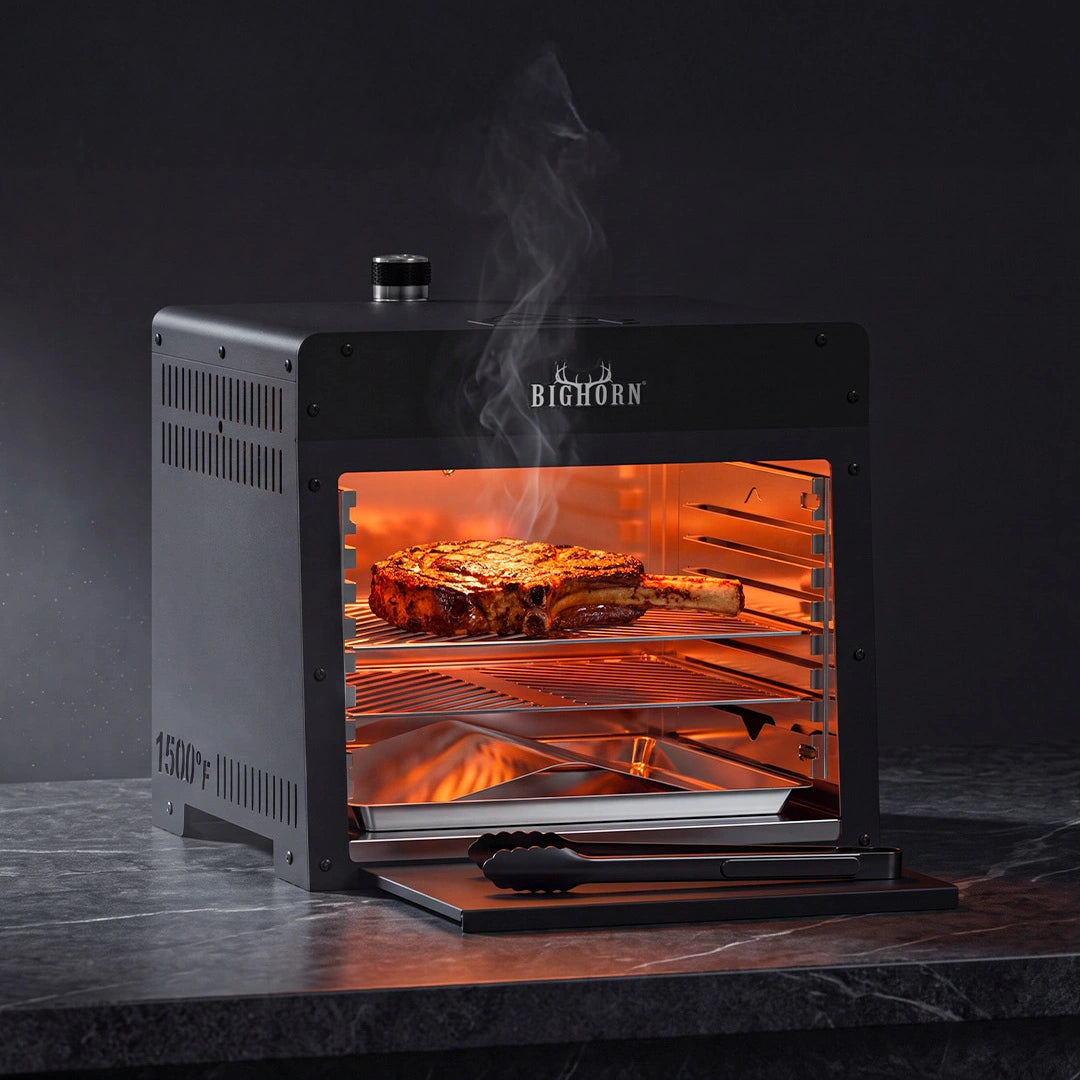
The high-velocity radiant heat generated inside the dome is ideal for searing cast-iron ribeyes, roasting vegetables at medium heat, baking rustic flatbreads, and finishing seafood dishes that benefit from rapid surface browning.
What is the operational benefit of a CSA safety certification?
A CSA mark indicates that the product has undergone independent laboratory testing to verify that its gas valves, regulators, and electronic components meet strict North American safety standards, ensuring features like flameout protection perform reliably under adverse outdoor conditions.
How should stainless steel outdoor ovens be maintained to prevent rust?
While high-grade stainless steel offers substantial corrosion resistance, prolonged exposure to rain and ambient moisture will degrade the finish. Owners should clean the exterior regularly, avoid abrasive steel wool on the cooking surface, and protect the cooled oven with a dedicated, fitted waterproof cover.
Maximizing Your Outdoor Kitchen Performance
Investing in a dedicated backyard gas pizza oven balances the precision of modern propane controls with the primal, high-heat performance needed to elevate home entertaining. Big Horn Outdoors stands out by combining portability, a built-in thermometer, fast cook claims, and stated CSA safety standards in one outdoor-focused product. Buyers seeking to finalize their patio layout should explore the dedicated Gas Pizza Oven Collection to analyze specific dimensions, evaluate the 12-inch and 16-inch model variations, or access the official customer service portal to clarify local fuel regulator compatibility before ordering.