
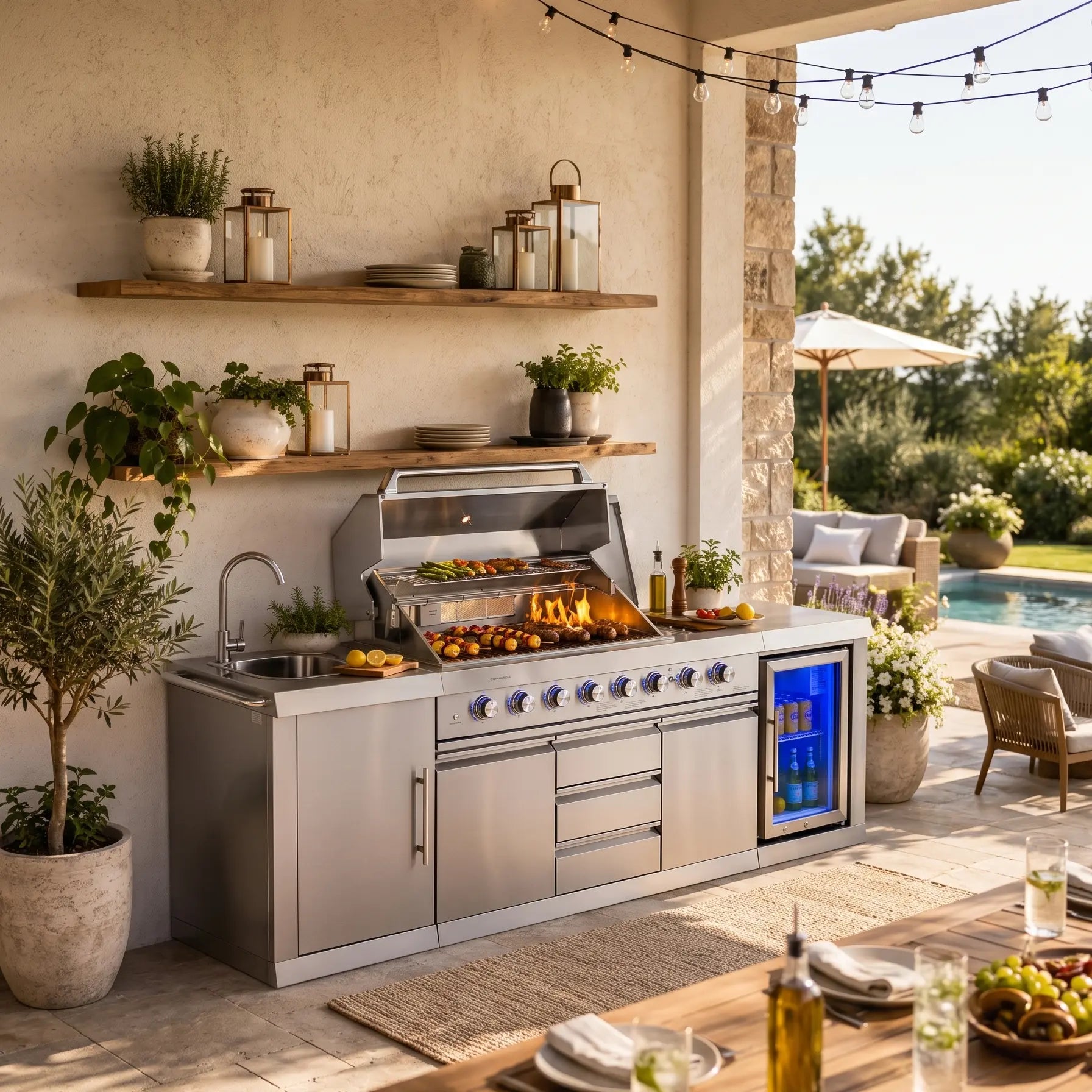
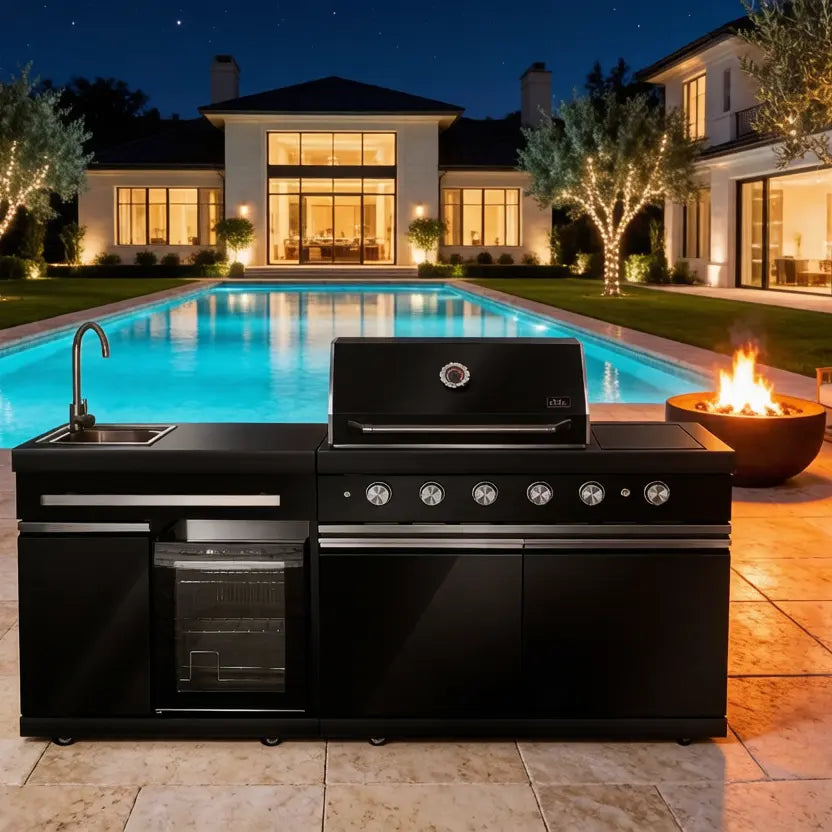
Big Horn and Ooni get compared for an obvious reason: both sell portable, high-heat pizza ovens that promise restaurant-style results outdoors, and both offer wood-pellet and gas formats around the 12- to 16-inch range. The differences that matter are lineup structure, what is included, price position and support — not a claim that one brand "wins" for every cook. This guide compares the two honestly: the model ranges, the price picture, the accessory ecosystems, and the questions to answer before you buy either one.
Why these two brands get compared
Ooni built the modern category: compact outdoor ovens that reach very high temperatures, preheat quickly, and bake Neapolitan-style pizza at home. The brand is widely known, its models are reviewed everywhere, and its name is the one people use when they search for a pizza oven. Big Horn entered the same space with a similar premise — portable high-heat ovens for the backyard, campsite and tailgate — and it is usually priced below the premium end of the category. When shoppers compare, they are really asking whether the better-known brand is worth the price difference or whether the value brand delivers the same kind of results. This page helps you answer that with the model data in front of you.
The comparison is fair only if you match formats. Comparing a 12-inch pellet Big Horn to a 16-inch gas Ooni tells you nothing useful; comparing models of similar fuel and size does. Both brands make pellet ovens, gas ovens and multi-fuel options, so the honest comparison starts with a lineup table and ends with your own use case.
Comparing the lineups: size and fuel
| Format | Big Horn | Ooni comparable category |
|---|---|---|
| Wood pellet, 12-inch class | 12-inch wood pellet oven; accepts gas and electric accessories sold separately | Pellet-powered 12-inch oven |
| Gas, 15-inch class | 15-inch dual burner gas oven | Gas ovens in the 12–16-inch range |
| Gas, 16-inch class | 16-inch gas oven with auto-rotating stone and digital thermometer | 16-inch gas oven |
| Multi-fuel / flexible | Multi-fuel models combining pellet, gas and electric options | Multi-fuel wood-and-gas models |
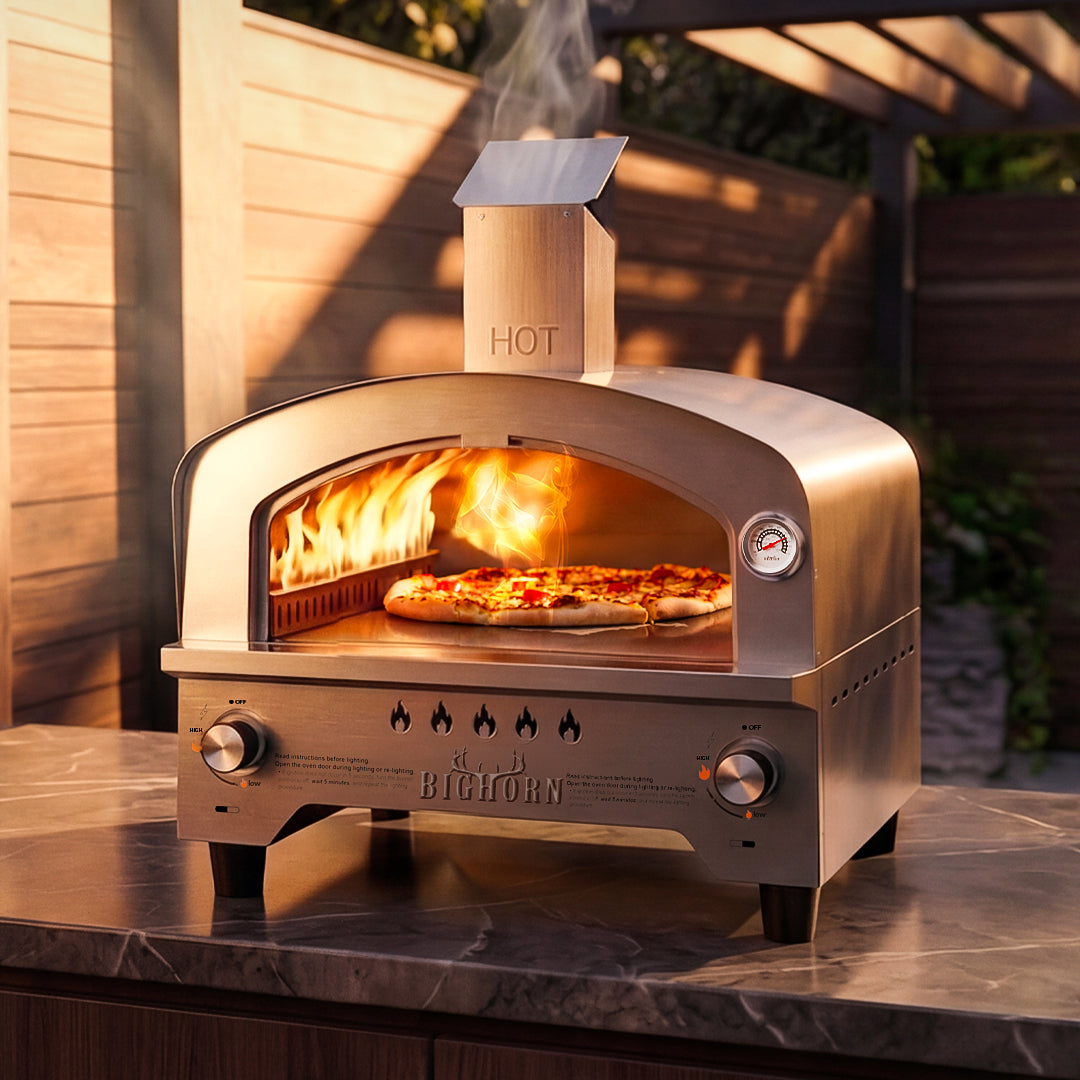
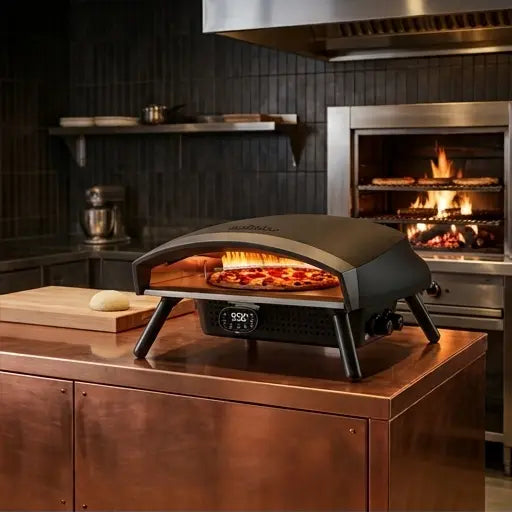
Read the table as structure, not as a scoreboard. Big Horn's 12-inch wood pellet oven sits at the entry to the range with the option to add gas or electric heat later, which is a genuine flexibility story; the 16-inch gas oven adds an auto-rotating stone and a built-in digital thermometer that most portable ovens leave to the cook. Ooni's strength is its deep model range and the maturity of its designs. Match the fuel you want to cook with first, then compare the specific model, because the brand-level debate hides the fact that the format decision is the bigger one.

Price, bundles and value
Price is where the comparison gets real, and also where it gets stale fastest — pizza oven pricing moves with sales, bundles and new model generations on both sides. The honest way to compare is to write down the delivered price for each specific model on the day you are ready to buy, including shipping, and to compare what is in the box rather than only the number. Big Horn's list prices at the time of writing were US$199.99 for the 12-inch pellet oven, US$359.99 for the 15-inch dual burner gas oven and US$599.99 for the 16-inch gas oven with the rotating stone and thermometer; verify each at checkout, because the site runs promotions.
Value is what the price buys across the life of the oven. A cheaper oven that needs a separate stone, peel and stand has a higher true cost than one that ships complete; an oven with accessories you can buy from the same store simplifies the purchase; a model with add-on fuel options is worth more to a cook who may switch later. Ooni's ecosystem is mature and broad, with its own accessories and recipes, and its prices reflect that ecosystem. The value question is not which brand's base price is lower — it is which package matches your cooking plans for the next few years.
Build the full cost before comparing numbers. Add shipping, a cover if the oven will live outside, a peel if one is not included, and any fuel accessories — a gas hose for a tank instead of 1-pound cylinders, or a bag of pellets for the first few bakes. A promotion on the oven itself can disappear inside the accessories you still have to buy, and the reverse is also true: a bundle that includes the peel, cover or stone can make a higher sticker price the better deal. Write the all-in number beside each model, then compare features at that number rather than at the base price.
What to check in the box before you compare
Two ovens at the same price can differ by what arrives in the box, so list the contents before you compare sticker numbers. Confirm whether a stone is included or sold separately, whether a gas model connects directly to 1-pound cylinders or needs a hose-and-regulator for a tank, and whether the fuel accessories in the listing match the gas fittings in your country — a regulator designed for one market may not connect to the cylinders you can buy locally. Check the paperwork too: assembly instructions, a manual that names the model's fuel options, and a warranty registration step are all part of a smooth first season, and their absence is a real cost in setup time and support later.
The accessories you will need after the box is open matter as much as the ones inside it. A replacement stone should be available for the specific model, because stones crack from thermal shock and shipping damage, and waiting weeks for a spare ends a pizza season. Confirm the peel size that fits the stone, the cover dimensions for the oven body, and whether the brand sells the fuel parts — gas burner kits, electric elements or pellet hoppers — separately for the model you chose. A model with a supported accessory path is easier to own than one whose ecosystem stops at the checkout page.
Build quality and accessories
Both brands build from stainless steel and share the same category risks: stones that can crack from thermal shock, burners that need clean fuel connections, and bodies that live outdoors and need covers. Compare the details the listings actually state: stone size and thickness, whether the oven has a thermometer or you supply your own, burner count and adjustability, included accessories, and the published weight and footprint. A heavier, thicker stone holds heat more steadily for consecutive pizzas; a dual-burner gas oven separates bottom and top heat; an auto-rotating stone removes the turning skill from the bake. Those features change the daily experience more than the brand badge on the front.
Accessory ecosystems matter once you own the oven. Big Horn's range covers the pieces a pizza night needs — peels, gloves, covers, carts, stones and fuel accessories — so the oven and its kit can be bought and shipped together, and the brand's outdoor-living range includes grills and fire features that share the same buying path. Ooni sells a large accessory catalog of its own and has years of community recipes and tutorials behind it. Neither ecosystem is a reason to avoid the other; both are reasons to check that the accessories you want exist before you commit to a model, especially if you plan to use a specific peel, cover or cart.

Use cases: which fits you
Match the brand decision to three use cases. The first-time buyer who wants a proven, heavily reviewed oven with a broad community may be best served by the market leader, accepting a higher price for familiarity. The value-focused cook who wants a specific format — a 12-inch pellet oven with future gas or electric options, or a 16-inch gas oven with automated turning — gets a strong argument from Big Horn's lineup and bundle pricing. The host who plans frequent parties should prioritize stone size, fuel logistics and how many pizzas the oven can run in sequence, then let price decide between the brands that meet that bar.
The honest truth is that both brands can produce excellent pizza, and the first pizza from either will impress people who have only eaten delivery. The differences show up in the fifth pizza, the second season and the accessory shelf: stone behavior, heat control, what was included, and how the oven held up outdoors. If you cook once a month in mild weather, either brand serves you well; if you cook weekly through the season, the model's features matter more than the name.
Think about the cook you will actually run, not the one in the marketing video. If you entertain and want to hand the turning job to the oven, an auto-rotating stone changes the evening; if you enjoy the craft of turning pies by hand, that feature is less important than burner control and a stone that holds heat between bakes. If you camp and tailgate, packed weight and fuel connection decide more than brand; if the oven stays on a patio cart, footprint and clearance matter instead. Write down your top three pizza-night realities — group size, location, and who does the turning — and let those three filter the lineup before the brand debate even starts.
Being honest about tradeoffs
No comparison should pretend one brand is right for everyone. Ooni's advantages are its model range, its years of community content and its global recognition — real advantages for buyers who want the safest, best-documented choice. Big Horn's advantages are its price position, its included features at each price point, and an outdoor-living range that lets pizza ovens, grills and fire pits come from one place. There are also open questions only you can close: current delivered prices in your country, shipping time and cost, warranty terms, local availability of replacement stones, and whether the model you want is in stock. Write those four answers down before you buy.
Support and warranty are part of the brand comparison, not an afterthought. Ask where the oven ships from, who handles a warranty claim in your region and what the claim requires — a receipt, registration or a photo of the defect — before you need it. Compare the warranty length on the oven, the stone and any electrical parts separately, because accessories often carry shorter coverage than the main unit. And check the return policy's practical details: who pays return shipping for a large oven, and what condition the box must be in. The cheapest oven is the one that works without a claim; the second cheapest is the one whose claim process is painless when it needs one.
Big Horn's 15-inch dual burner gas oven and the rest of the Big Horn outdoor living collection give the value side of the comparison something concrete to stand on. Compare formats, verify delivered prices on the day you order, and choose the oven that matches your cooking frequency and your tolerance for learning the bake — that decision will serve you better than any brand loyalty either way.
Product details and prices in this guide were verified against official Big Horn Outdoors listings during the September 5, 2026 review; re-check prices and availability at checkout.
Explore more in the Pizza Oven Comparisons.