







Oven & Grill Ownership
A Black Friday or off-season grill deal is only useful if the listing still has the specs, warranty language, and shipping terms you need. This checklist will not invent discount amounts or a guaranteed spring-price comparison. Read the live page, inspect the box when it arrives, and skip orphan SKUs you cannot support.
A spec checklist on sale pages
Sale pages are built to move quickly. Your job is to slow down and collect the facts a crossed-out price does not tell you: fuel type, width and packed size, official electrical notes if it is electric, published BTU or wattage if the maker lists them, what is in the box, and whether a cover, a regulator, or a stone is included or sold separately.
Start in the grills and griddles collection or, if you already know the format, the infrared grill collection or the pizza oven collection. Then open one product page and stay there. The existing grill buying guides and infrared grill buying guides are the slower category walk-throughs; this article is the sale-event checklist you run before you click.
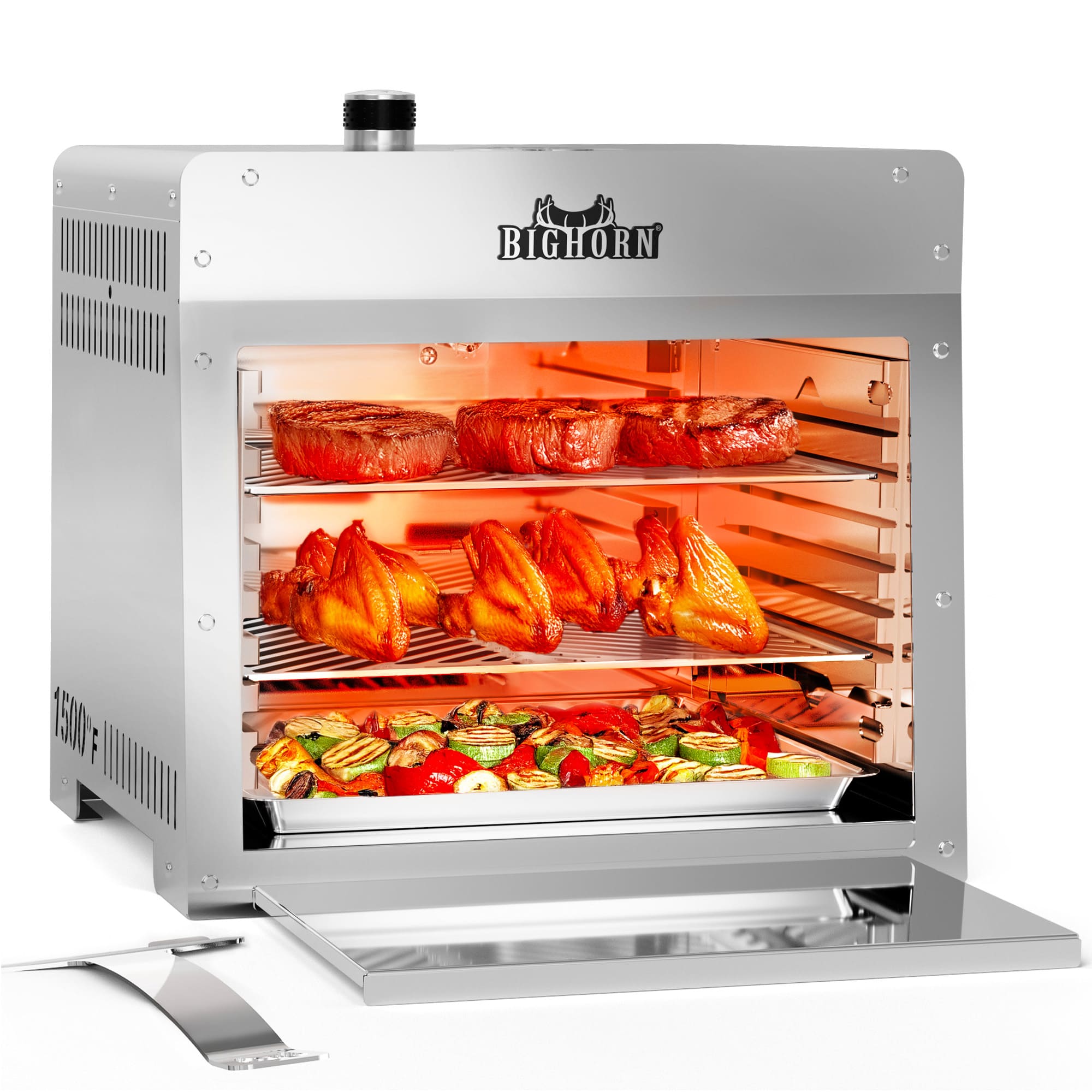
Write the published numbers down from the live page, not from a social ad or a memory of last year's listing. Marketing temperatures and preheat windows should be treated as claims to reconfirm, not as a guaranteed cook. If a dimension in a photo filename disagrees with the specification table, believe the current written specification, or wait until the brand clarifies it. If the sale tile is a bundle, list every included item and every item you still have to buy, such as a cover, a regulator, a peel, or a stone, so the checkout price is honest in your own notes.
Warranty and returns
A discount is a poor trade if you cannot return a damaged unit or get parts next year. Read the warranty and the return policy that are published on the site the day you order. This article will not invent a return window, a restocking fee, or a coverage year.
Check whether sale items, floor samples, or open-box units follow the same policy as a regular purchase. Check who pays return shipping if the box arrives dented. If the policy is missing or contradictory, do not treat a countdown clock as a reason to skip the question.
NFPA grilling guidance and U.S. Fire Administration cooking-fire prevention are not warranty documents, but they are a reminder that a grill is still a fire appliance after the promotion ends. Placement, cool-down, and outdoor-only use do not change because the listing was on sale.
Shipping-damage inspection
Open the box when you can still document a problem, not after the holiday weekend. Photograph the carton, the inner packing, and any bent lids, cracked stones, or crushed corners before you discard the packaging. Compare the contents with the "in the box" list on the live page.
If something is missing or broken, use the seller's published claim path and keep the photos. Do not assemble a clearly damaged fire appliance "to see if it still works." Ready.gov home fire guidance and American Red Cross fire safety are about fire preparedness in the home; a dented tank connection or a cracked ceramic part is a stop, not a workaround.
The table below is an arrival checklist. It is not a claim form, and it will not invent the seller's deadline.
| When the box arrives | What to look for |
|---|---|
| Carton and packing | Crushed corners, punctures, or moisture that reached the unit |
| Body, lid, and stands | Bends, cracked coatings, missing fasteners, or a door that will not close squarely |
| Stones, glass, and accessories | Cracks, chips, and any item listed as included but not in the box |
| Fuel and electrical parts | A damaged hose, regulator, cord, or plug — do not assemble those "to test" |
Orphan SKUs
An orphan SKU is a deal on a model that is leaving the catalog, a bundle with no matching cover, or a unit whose parts path is unclear. A low checkout price is not a bargain if you cannot replace a stone, a burner's igniter, or a fitted cover next season.
Search the site for the exact model name and for replacement parts before you buy. If the only page that remains is a sale tile with thin specifications and no support language, pause. Confirm whether the brand still publishes a manual and a warranty contact for that exact listing.
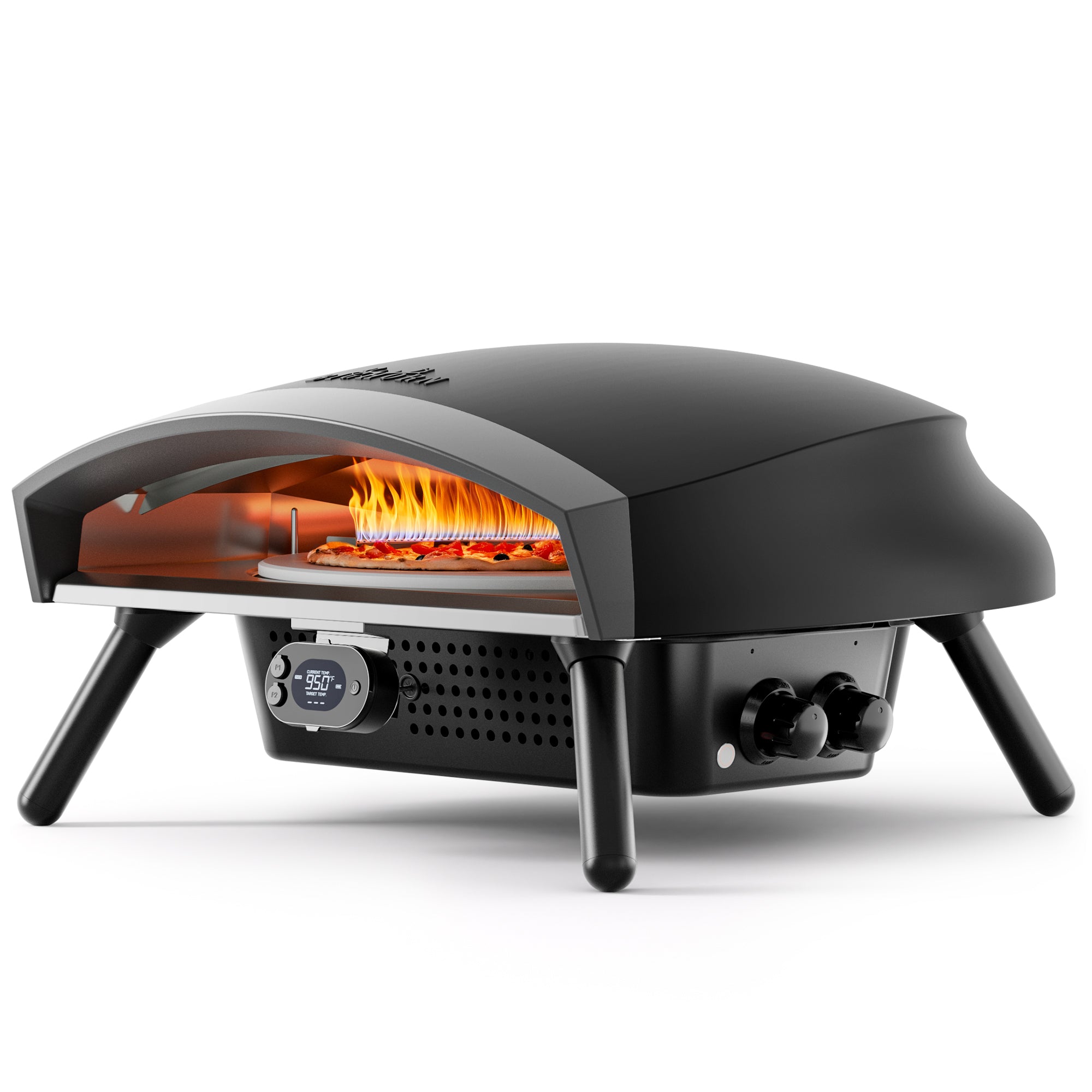
The pizza oven buying guides can help you compare formats when a sale tile is short on context. Use it to understand the category, then return to the live product page you are actually considering.
Timing versus spring, in qualitative terms
Off-season and late-November calendars sometimes bring clearer inventory, and spring sometimes brings more shoppers. That is a qualitative pattern, not a promise that a price will drop, rise, or stay. This article will not forecast a discount amount or tell you that waiting until March always saves money.
Buy when you have the specifications, the policy, and a place to store or use the grill. Waiting only makes sense if you still lack those facts. Need is a better clock than a banner. If you already measured the pad in October, a late-November purchase can be practical; if you have not measured, a spring deadline will not make the listing clearer, and this guide will still refuse to guess a future discount.
FDA safe food handling and FDA food safety in your kitchen still matter after the purchase: a new grill does not change official food temperatures. Plan the first cook around those numbers, not around a promotional recipe card.
A click-before-you-buy walk-through
Run the list in order. Confirm fuel and size on the live page. Save or print the warranty and return language. Note what is included. Check that the model still looks supported. Place the order only when those lines are clear. When the box arrives, inspect it before the packaging disappears.
If a listing will not give you a clear specification table, skip it. There will be other days to buy a grill. CPSC carbon monoxide information is worth a look when you are thinking about fuel-burning consumer products and carbon monoxide in general, especially if anyone suggests "just testing it in the garage" after it arrives. The garage is not a test chamber.
Key takeaways
- A sale price is not a specification. Collect fuel, size, included parts, and published performance claims from the live page.
- Read today's warranty and return policy; this article will not invent a window or a fee.
- Inspect for shipping damage before you assemble, and be cautious of orphan SKUs with no parts path.
- Off-season timing is qualitative only. Official fire and food-safety guidance still applies after checkout.
Use the slower category walk-through in the grill buying guides if you still need format context, then confirm a live listing in the grills and griddles collection or the infrared grill collection before you click.
FAQ
Are Black Friday grill discounts always a good time to buy?
Not automatically. A useful deal still has a clear specification, a warranty and return policy you can read today, and a model you can support later. This article will not invent a discount amount or a spring-price forecast.
What should I check on a sale page before I click?
Fuel, size, what is in the box, published performance claims, warranty and return language, and whether parts or a cover still exist for that exact model. If those lines are missing, wait.
What if the grill arrives damaged?
Photograph the carton and the damage before you discard packing, compare the contents with the live list, and use the seller's published claim path. Do not assemble a damaged fuel or electrical part just to test it.
Is an orphan or exiting SKU a bargain?
Only if you accept the parts and support risk. A low checkout price is a poor trade if you cannot replace a stone, a cover, or an igniter next season.
More to Read
Leftover Holiday Turkey on the Grill or in the Pizza Oven: Sandwiches, Tostadas and a White Pie
Give leftover turkey a second heat, not another roast: grill sandwiches or tostadas, or bake a white pie, after a safe leftover inventory the night...
Parrilla Taco Night: Carne, Salsas and Grate Space for a Crowd
Run taco night on a parrilla as a grate-space plan: carne, a second protein, a salsa station, and tortillas held soft, without one crowded fire.
Bone-In Lamb Leg or Shoulder on a Santa Maria or Gas Grill
Grill a bone-in lamb leg or shoulder as a roast: Santa Maria height or a gas two-zone fire, a USDA safety floor, and a probe that does not touch bone.
