







Pizza Oven Ownership: Cost
The hopper says pellets. The internet says throw in chunks. Before you risk a warped firebox, get a clear answer to can you burn firewood in a pellet pizza oven—and the related questions about chunks and charcoal.
This article explains how fuels behave and what to verify in the manual. It does not replace model-specific ratings. If your manual lists pellets only, treat that as final.
The answer for pellet-fed ovens and what to check in the manual
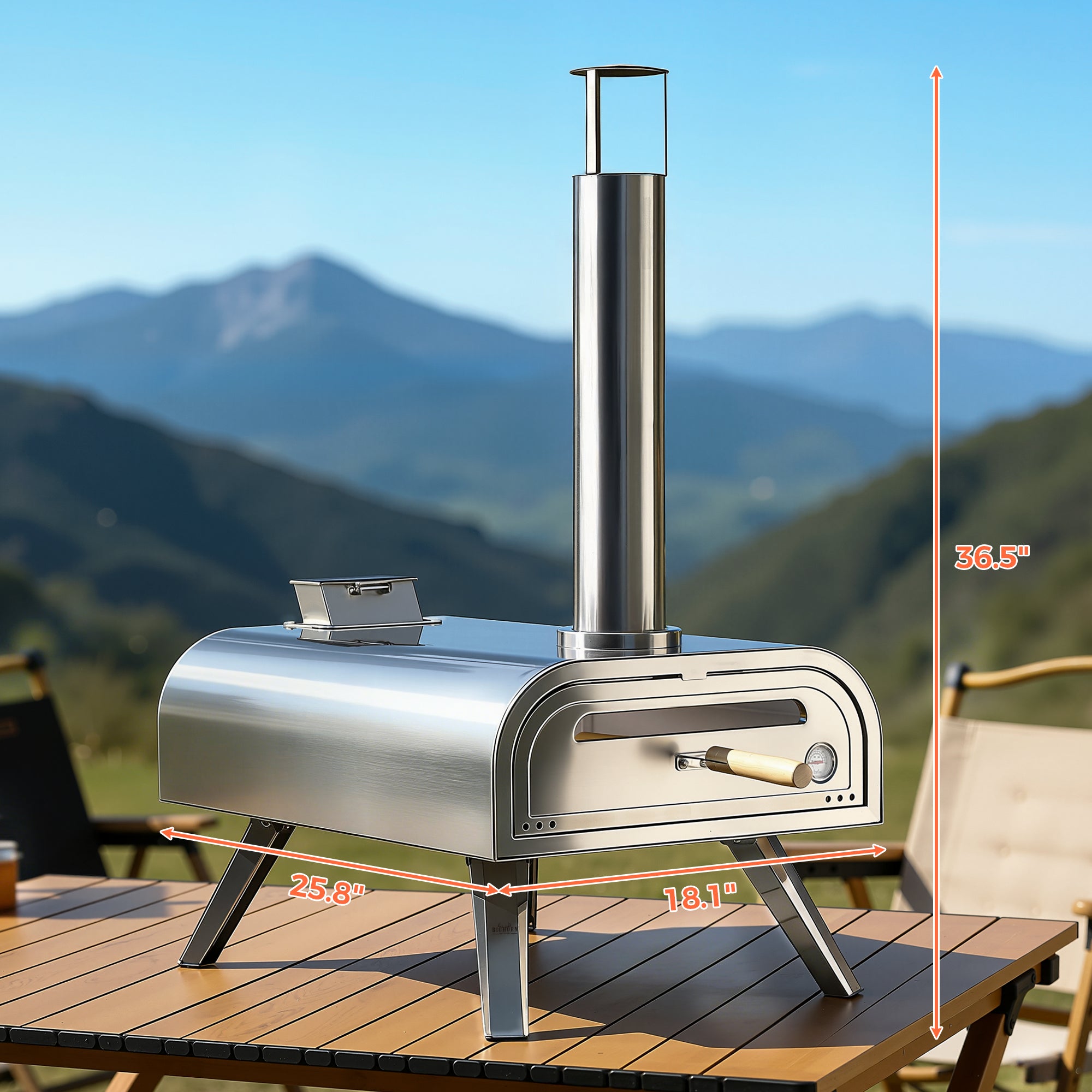
Most dedicated pellet pizza ovens are engineered around pellet size, feed rate, and airflow. Random firewood is usually outside that design.
Open the manual to the fuel section and any warnings about foreign fuels. Look for language about pellets only, approved accessories, or optional wood configurations. If the text is silent, contact the seller with your model number rather than improvising.
Multi-fuel ovens are a different product category: they are built for more than one heat source. Do not assume a pellet-branded oven is multi-fuel. Compare pellet pizza ovens with multi-fuel pizza ovens when fuel flexibility is a buying requirement.
Why pellets, logs and charcoal behave differently
Pellets are dense, uniform, and metered. Logs vary in moisture, species, and size, so they burn with different flame lengths and ash beds. Charcoal is hotter in a compact bed and can overwhelm a chamber designed for pellet combustion paths.
Air inlets sized for pellets may starve or overfeed other fuels. Temperature spikes can discolor steel, crack stones, or void coverage described in your warranty documents.
Even when a fuel “fits” physically in the firebox, chemical additives in some briquettes are a separate problem for food ovens.
Kiln-dried oak logs: when they fit
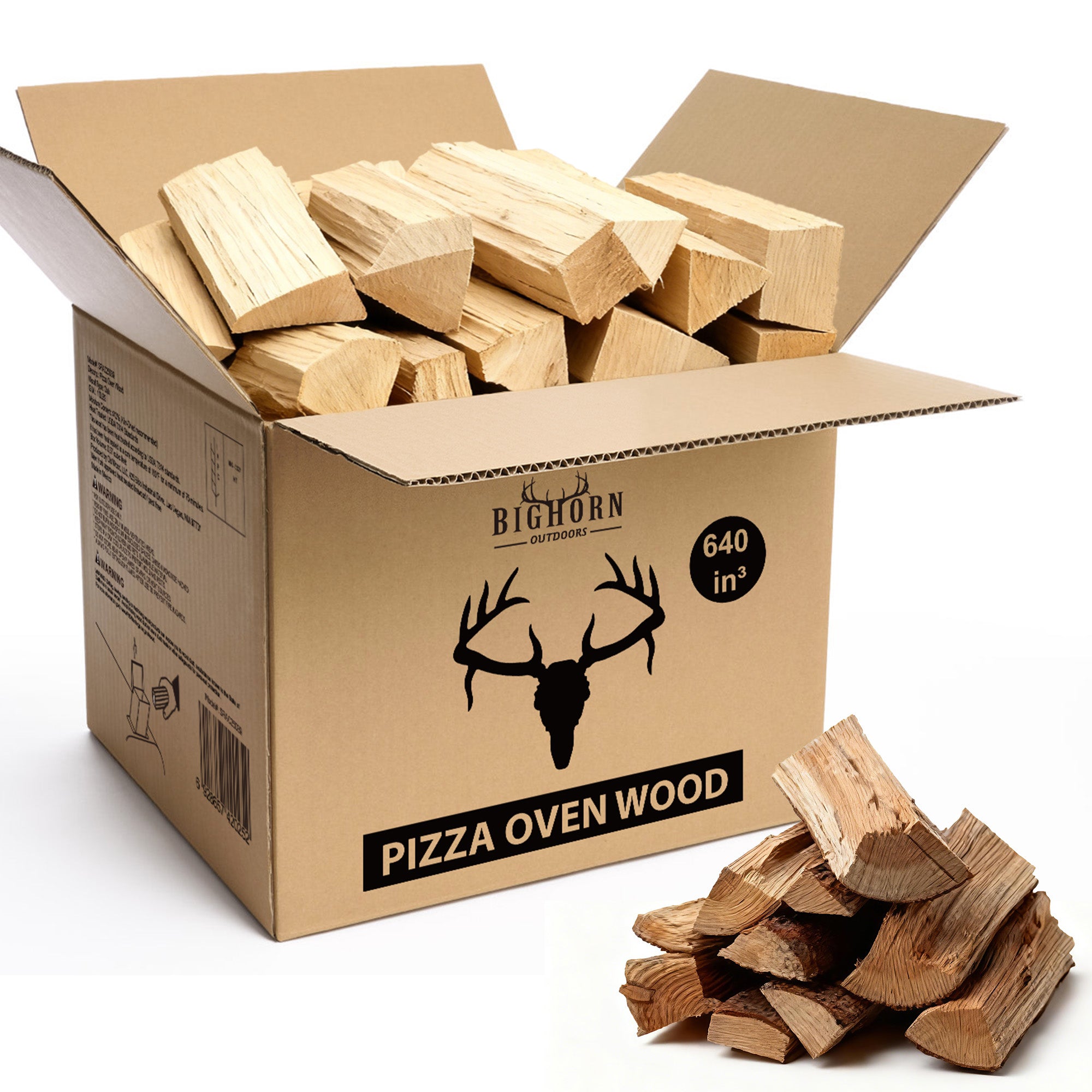
Some outdoor cooking ecosystems sell kiln-dried oak logs as an accessory for specific wood-capable or multi-fuel setups. That product existing in a catalog does not automatically authorize logs in every pellet hopper.
If your documentation approves a particular log product with a fire-box accessory, follow those steps exactly—including any grid or assembly required. Browse the listed accessory kiln-dried oak logs only as a candidate fuel after the manual says yes.
Wet or green wood smokes heavily and creosotes surfaces. Dry fuel is safer and cleaner when wood is allowed at all. EPA consumer guidance on cleaner residential wood burning via Burn Wise explains moisture and smoke trade-offs in plain language.
What never to burn (treated wood, softwood sap, briquettes with additives)
Never burn pressure-treated lumber, painted wood, plywood, pallets of unknown chemistry, or driftwood. Softwoods heavy with sap can spark and soot aggressively. Charcoal briquettes with binders or lighter fluid residues do not belong in a food oven designed for pellets.
Trash, cardboard, and waxed boxes are not “kindling shortcuts.” They release compounds you do not want near dinner.
If a fuel is not listed, it is not a clever hack—it is a risk to the appliance and to anyone breathing the exhaust. Outdoor fire safety education from the CPSC is the right mindset here.
Fire-box assemblies and grids
Some systems require a specific fire-box insert or pellet grid for proper airflow. Removing those parts to jam in chunks can collapse the burn pattern the oven expects.
Reassemble after cleaning exactly as diagrammed. Missing a baffle is an easy way to get roaring flames in the wrong place.
Moisture, ash and smoke effects
High moisture fuel wastes heat on evaporation and sends smoke toward neighbors. Excess ash from the wrong fuel can block airways. Watch for unusual smells—sweet pellet exhaust suddenly turning chemical is a stop-and-investigate cue.
Clean ash when the oven is fully cool per the manual. Hot ash in a trash bin is a classic patio fire starter; Ready.gov reminds households how small ignition sources become structure fires.
Quick-reference safety checklist
Before changing fuels, confirm:
- Manual lists the fuel explicitly
- Any required accessory is installed
- Fuel is dry and untreated
- Clearances still met with new flame behavior
- Extinguisher and cool-down plan ready
If any line fails, stay on pellets.
Can a pellet stove burn wood?
Household pellet stoves and pellet pizza ovens are related in fuel marketing only. Many home pellet stoves likewise forbid cordwood unless they are dual-fuel appliances with separate instructions.
Do not import stove-forum advice into a pizza oven. Different certifications, clearances, and food-contact expectations apply. When in doubt, pellets only.
Do you oil a pizza stone before using it?
No. Oiling a pizza stone creates smoke and sticky carbon. This question rides along with fuel searches because new owners unpack stones and pellets together.
Preheat dry, scrape cool, and manage stickiness with peel technique. Fuel choice does not change stone oiling rules.
If you already bought mixed fuels “just in case,” store them away from the oven until documentation confirms a path. Curiosity is cheaper than a replacement chamber, and dinner still tastes excellent on the pellets the oven was designed to burn.
Outdoor burning and smoke awareness from EPA Burn Wise and structure-fire readiness from Ready.gov belong next to any fuel experiment. Stick to listed fuels and keep extinguisher access per NFPA grilling safety habits. If you need documented multi-fuel flexibility rather than hopper hacks, shop multi-fuel pizza ovens and confirm accessories on the kiln-dried oak logs page only after the manual agrees.
National outdoor-fire messaging such as NPS fire safety reinforces why improvising fuels is a bad backyard experiment, and propane safety resources still apply if your oven uses a gas accessory path.
Conclusion
Burn what the manual names. Pellets, approved kiln-dried logs with the right accessory, or true multi-fuel modes are engineered paths; random firewood and charcoal usually are not. Protect the oven—and dinner—by treating fuel as a specification, not a suggestion.
See pellet-focused ovens in the Big Horn Outdoors pellet pizza oven collection, or compare multi-fuel models if you need documented fuel flexibility.
FAQ
How long does it take for a pizza to cook in a wood-fired oven?
In a very hot wood-fired chamber, thin pizzas can finish in a short span of minutes or less, but timing depends on stone temperature, dough thickness, and topping moisture. Pellet ovens follow their own heat curves. Watch crust color and turn the pie rather than copying a restaurant’s stopwatch.
Can a pellet stove burn wood?
Many residential pellet stoves are pellet-only appliances. Some dual-fuel units exist with separate instructions. A pizza oven is not a living-room stove; follow the pizza oven manual. If wood is not listed, do not burn cordwood in the pellet path.
Do you oil a pizza stone before using it?
Do not oil pizza stones. Oil burns into residue and smoke. Keep the stone dry, preheat it with the oven, and clean cooled debris with a scraper. Use flour or semolina on the peel to reduce sticking.
How long will a 40 lb bag of pellets burn?
Runtime varies with burn rate, outdoor temperature, and how often you open the chamber. A 40 lb bag might cover multiple pizza nights for a careful home cook or disappear faster during long high-heat sessions. Track your own hours for the first bags instead of trusting a single universal number.
Explore more in the Pellet Pizza Oven Cooking Guides.
More to Read
Fireproof Grill Mat Under Pizza Ovens and Infrared Grills
Place a fireproof grill mat to catch grease and sparks under ovens and grills. Confirm the live 48-by-30-inch claims, and use a cart when you need ...
No Oven Spring on a High-Heat Pie: Dough Temp, Launch and Floor
Diagnose no oven spring on a high-heat pizza by checking dough temperature, launch handling, and floor heat before you spend another mix changing t...
Heat-Resistant BBQ Gloves: Temperature Ratings and Wet-Grip Limits
Read a 1472°F glove rating as a short, dry, instant figure. Wet or oily conditions change grip, so let long peels reach into hot ovens and grills.
