




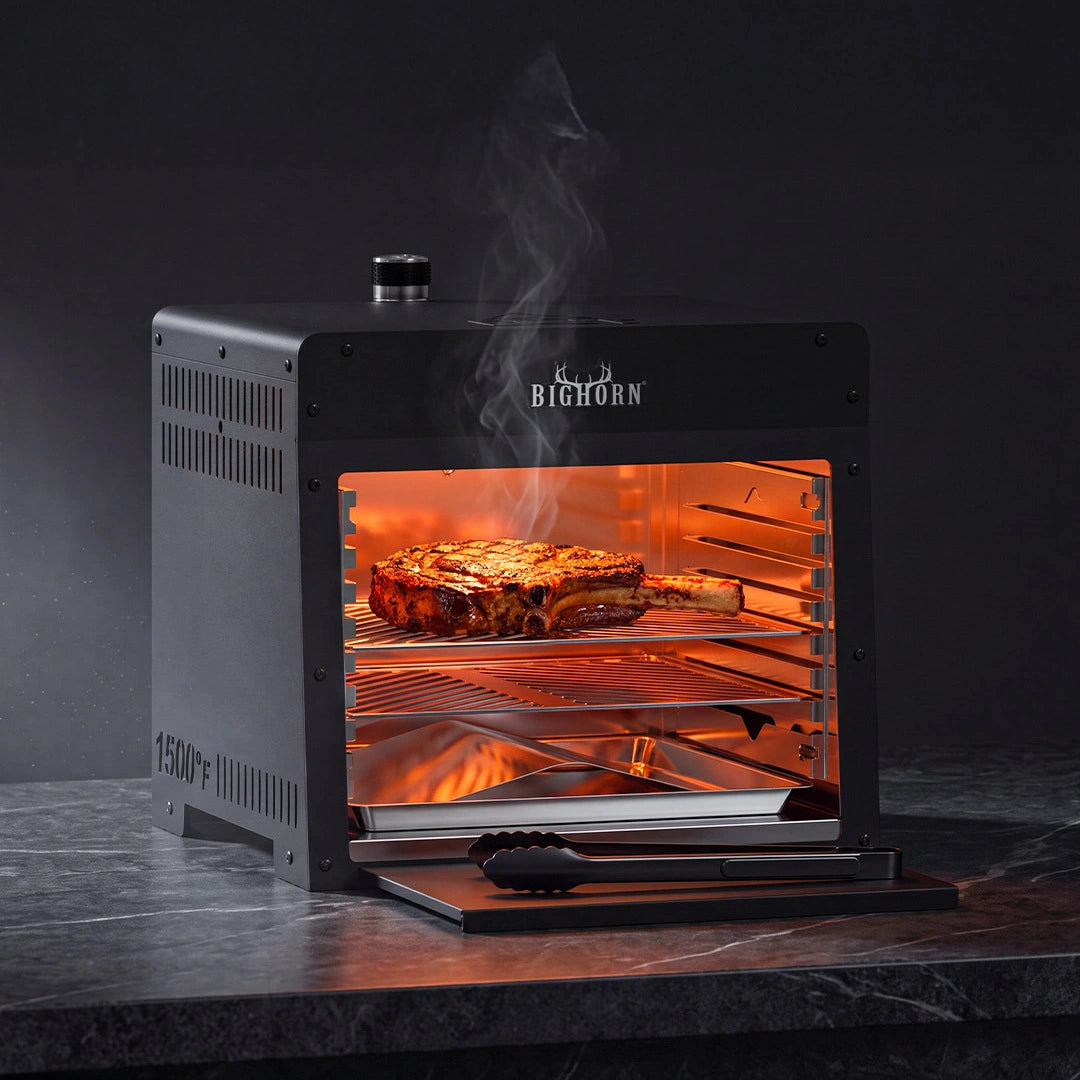


An infrared burner screen and a conventional gas tube burner collect dirt in different places, and they do not take the same tools. If you treat a mesh screen or a ceramic-style emitter like a row of burner ports, you can bend the screen, drive debris deeper, or wet a part that should stay dry. Cool the cooker, inspect it, and let the manual decide anything you are not sure about.
This page is the care difference between those parts. It is not a general infrared safety pillar, and it does not replace the model booklet that came with your grill.
The short answer: treat an infrared screen as a different part than a gas tube burner
Treat an infrared screen as a different part from a gas tube burner. Cool the grill completely, then inspect the screen, the emitter, and the drip path. Tube-burner ports may take a careful probe; a screen or ceramic emitter usually needs a gentler wipe or vacuum, not a scrub. The manual wins.
The current 16-inch 1500°F portable infrared steak grill is a compact propane infrared cooker. Confirm its care notes on the listing and in the documents that shipped with the unit before you use a method you saw on a different brand’s sear burner.
What a screen, a ceramic or metal emitter and a tube burner each collect
A protective screen catches drips, crumbs, and rust flakes before they sit on the emitter. It can discolor, sag, or tear. A ceramic or metal emitter can collect grease in its pores or on its face; some manufacturer pages for infrared sear burners warn that a brush can push debris into those pores, and that a gentle vacuum when the unit is cool is the safer first move. A tube burner, by contrast, often fails when ports clog, rust, or rust flakes block even heating, and the usual first check is along the row of holes.
Those are different failure pictures. Do not borrow a tube-burner “poke every port” habit and apply it to a plaque or a mesh you cannot see through clearly.

A cool-down and inspect routine before you touch anything
Turn the cooker off, close the cylinder valve if you have a propane tank attached, and wait until every surface is cool enough to handle. Then look, with the grate off if the design allows it. You are looking for a torn or bent screen, a cracked ceramic face, a gap in a gasket or baffle if your model has one, grease in a thick layer, or a nest of crumbs in the tray. If you smell a strong leftover propane odor, stop and deal with the fuel system before you clean anything. AmeriGas grilling-cylinder guidance says that if you smell gas and it is safe to do so, close the cylinder valve, and have a qualified technician inspect the grill before you use it again.
PERC's portable-cylinder guide also tells you not to use or store a cylinder in an enclosed area such as a garage or shed while you work. Clean outdoors, on a stable surface, with the cooker cold.
A small table: symptom versus a first check (uneven heat, smell, debris)
| What you notice | First check, once the cooker is cool | What not to do first |
|---|---|---|
| Uneven heat or a weak sear after a full preheat | Inspect the screen and the emitter face for debris, a sagging mesh, or a crack; also check that the grate and any tray are not blocking airflow | Soaking the emitter or scraping it with a stiff brush |
| A loud whoosh, a leftover gas smell, or lighting trouble | Stop, treat it as a fuel or ignition issue, and inspect connections after shutdown | A deeper cleaning project while the cooker is still in play |
| Visible crumbs, grease, or a dirty tray | Remove the grate, empty the tray, and clean the screen if the manual allows it | Spraying a degreaser into the burner |
| A bitter smell during a fatty cook | Look for drips on the screen or old grease, then review how much oil you are using | Assuming the emitter must be replaced on smell alone |
What you can usually brush or wipe, and what the manual should decide
Grates and a drip tray are usually the parts you can brush, wipe, or wash, then dry thoroughly. A wire mesh screen, on some infrared sear burners, can be removed and cleaned with a soft brush or a towel, then set back in place. The emitter itself is the part the manual should decide. Some brands say to vacuum ceramic pores gently and not to brush them. Others have a different surface entirely. This article will not invent a Big Horn-only chemical list or a warranty-safe method that is not written in your documents.
If you already have a general care page open, use how to clean and maintain an infrared grill for the broader routine, and the more specific ceramic infrared burner cleaning notes when the question is the plaque itself. This page stays on the contrast with tube burners.
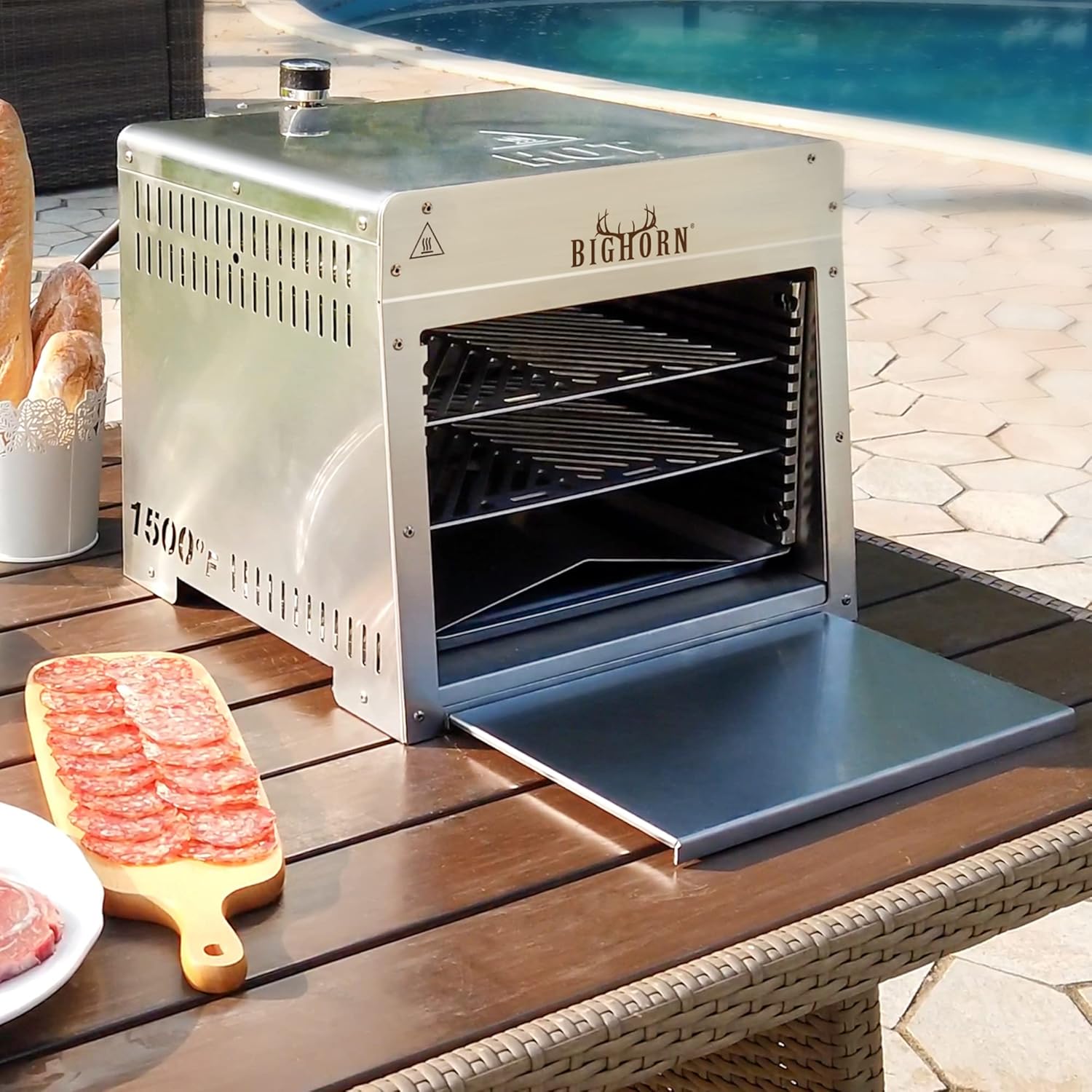
Common failures: bent screens, wet debris and cleaners that do not belong on an emitter
A bent screen no longer sits flat, so heat and debris travel in uneven ways. Wet debris, or a washer-down that soaks the burner, can leave you with a hard crust and a lighting problem later. Cleaners that do not belong — oven spray, automotive products, and heavy degreasers — can damage a surface or leave a residue you do not want near food or a gas flame. If a part is cracked, torn, or warped, replacement is usually the honest path, not a more aggressive scrub.
NFPA grilling safety includes a simple related habit: keep the grill clean of grease, and check a propane tank for leaks in the season ahead. CPSC gas-grill advice reminds you not to use the grill in a garage or under a surface that can catch fire, and to follow the manufacturer when you connect or disconnect a cylinder. U.S. Fire Administration cooking-fire prevention makes the same point about staying with a hot appliance.
How often to inspect if you cook fatty steaks often
If you sear fatty steaks often, look at the screen and the tray after the cooker cools, not once a season. A quick inspect takes longer to skip than to do. You do not need a calendar slogan; you need to see whether the last cook left a load of grease on a part that cannot shed it by itself. After a particularly messy cook, inspect before the next preheat, not after you already have guests waiting.
When the problem is actually a regulator, a hose or a low tank
Uneven heat is not always a dirty screen. A low tank, a poorly seated regulator, a kinked hose, or a leak can mimic a “weak burner.” If lighting is hard, if you smell gas, or if the flame behavior is simply not normal, stop cleaning and check the fuel path, or have someone qualified do it. A soapy-solution leak check along hose and connections, with the cylinder open and the burners off, is the method NFPA describes for finding a gas leak: bubbles mean you close the cylinder immediately.
Do not use a match or a lighter to hunt for a leak. AmeriGas says that plainly.
Safety: no warranty or chemical claims you cannot verify
This article does not state a warranty term, a recommended solvent, or a “dishwasher-safe emitter” claim. If a product page or a manual makes a care statement, follow that document as it stands on the day you read it. If it is silent, stay with a cool-down, a visual inspect, and the gentlest method that will lift debris without bending or soaking the part.
A cooker from the infrared steak grill collection is still a gas appliance. Clean it as one, outdoors, after it is cool, and keep the difference between a screen and a tube burner in mind every time you reach for a brush.
If you need to inspect a compact infrared cooker after a fatty cook, confirm the current 16-inch 1500°F portable infrared steak grill with pizza stone care notes and treat the burner screen as a different part from a tube burner.
FAQ
How to clean infrared burners?
Cool the cooker completely, then follow the manual for your burner type. A protective screen can often be lifted off and wiped or gently brushed; a ceramic or metal emitter is usually treated more carefully than a tube burner, and it may be vacuumed or left alone rather than scrubbed. Do not invent a chemical routine the manufacturer did not write.
Does WD-40 clean the barbecue?
Do not use WD-40, or other automotive-style sprays, as a cleaner on an infrared burner screen or on any surface that will touch food. Those products are not a substitute for the method in your manual. If a part is heavily soiled or damaged, inspect it after a full cool-down and replace it if the manufacturer says it is worn.
What is the magic way to clean a BBQ grill?
There is no magic cleaner that is safe on every infrared part. The reliable sequence is cool, inspect, clean only what the manual allows, and do not pry, soak, or degrease a screen or ceramic plaque as if it were a pot. A clean grate and a clear drip tray already prevent a lot of burner trouble.
Can I use Dawn Power Wash to clean my grill grates?
A dish spray that some people use on a cool, removable grate is still not a green light for the infrared emitter or its screen. If you clean a grate with soap, rinse and dry it completely, and keep that cleaner off the burner. When the manual is silent, do less, not more, around the emitter.