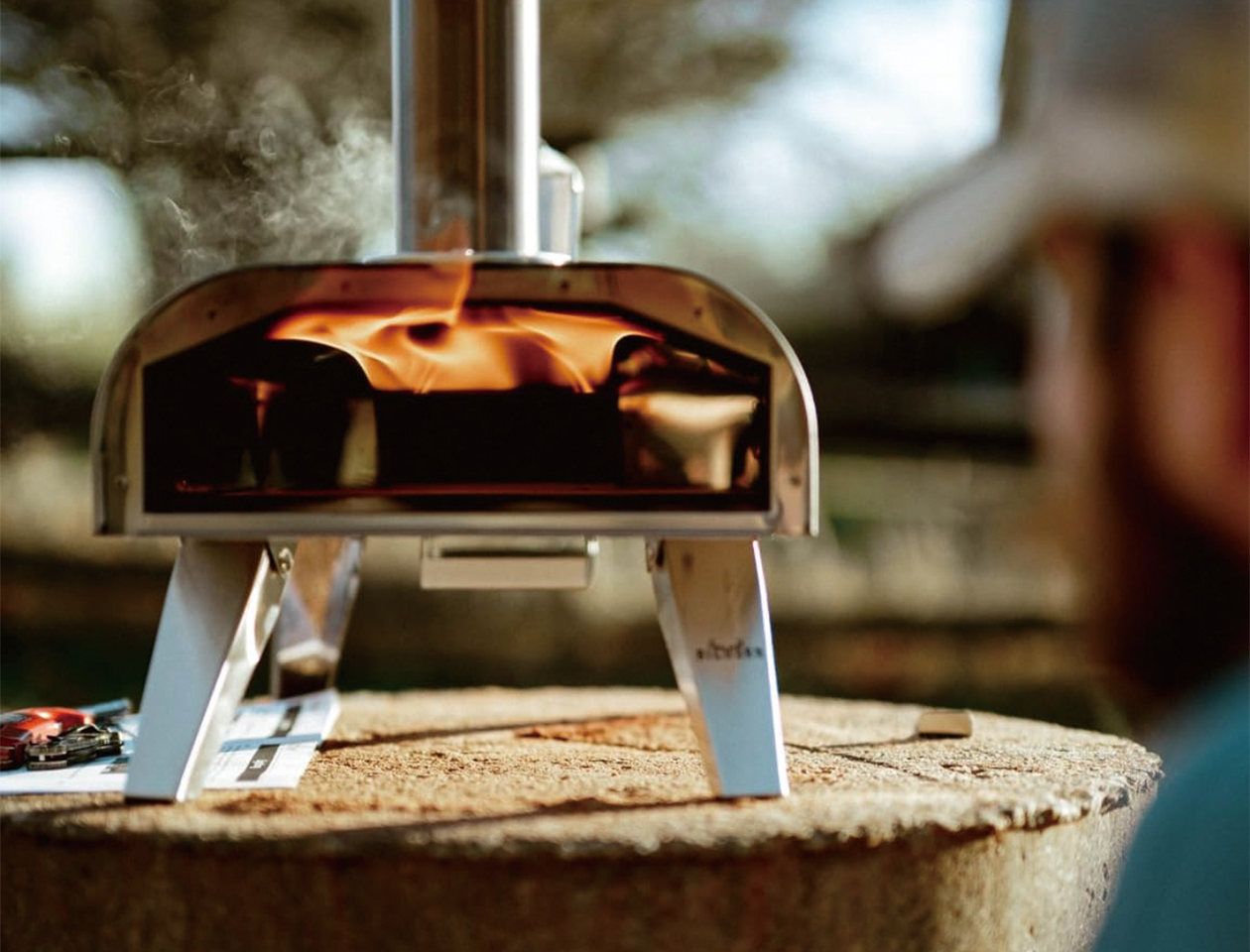
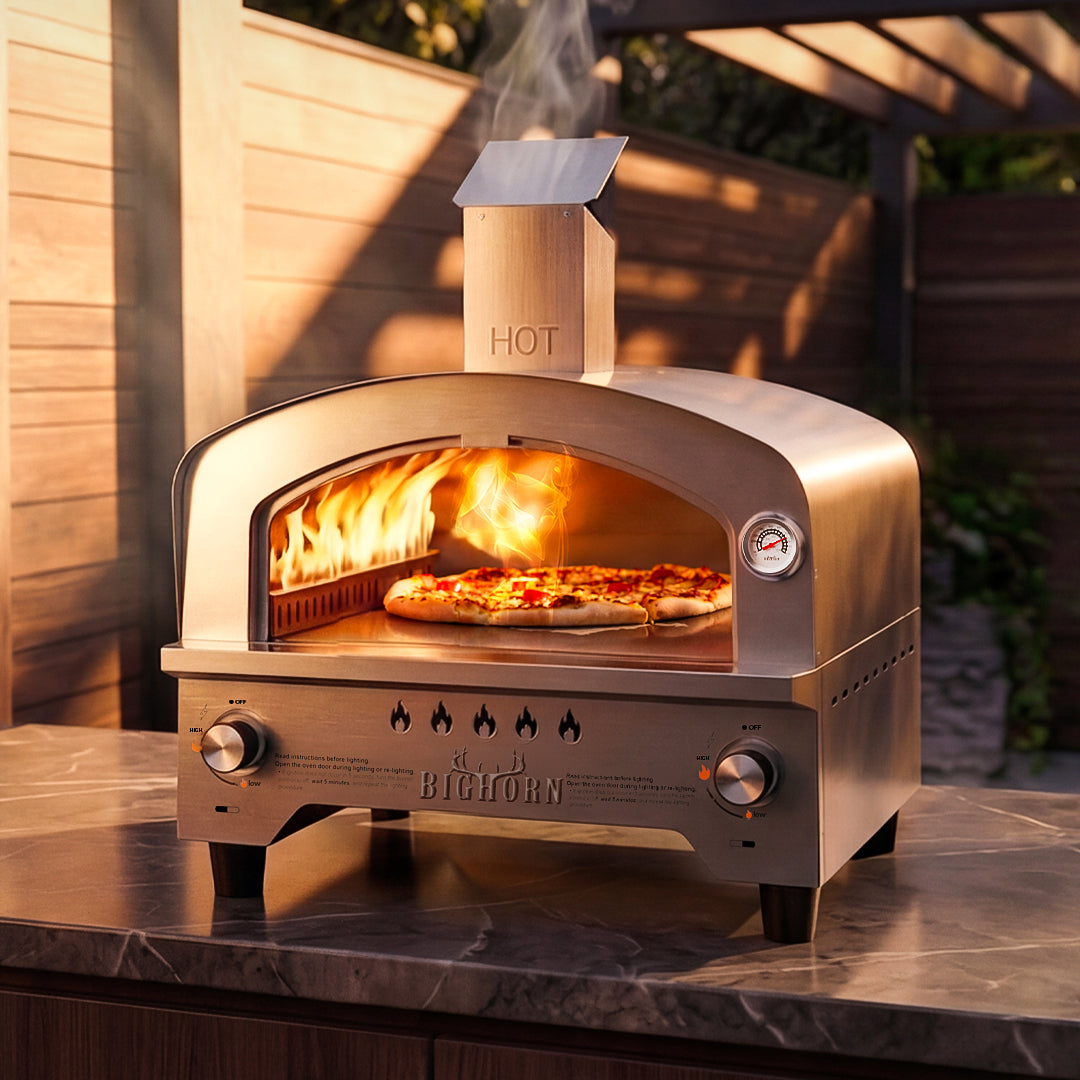

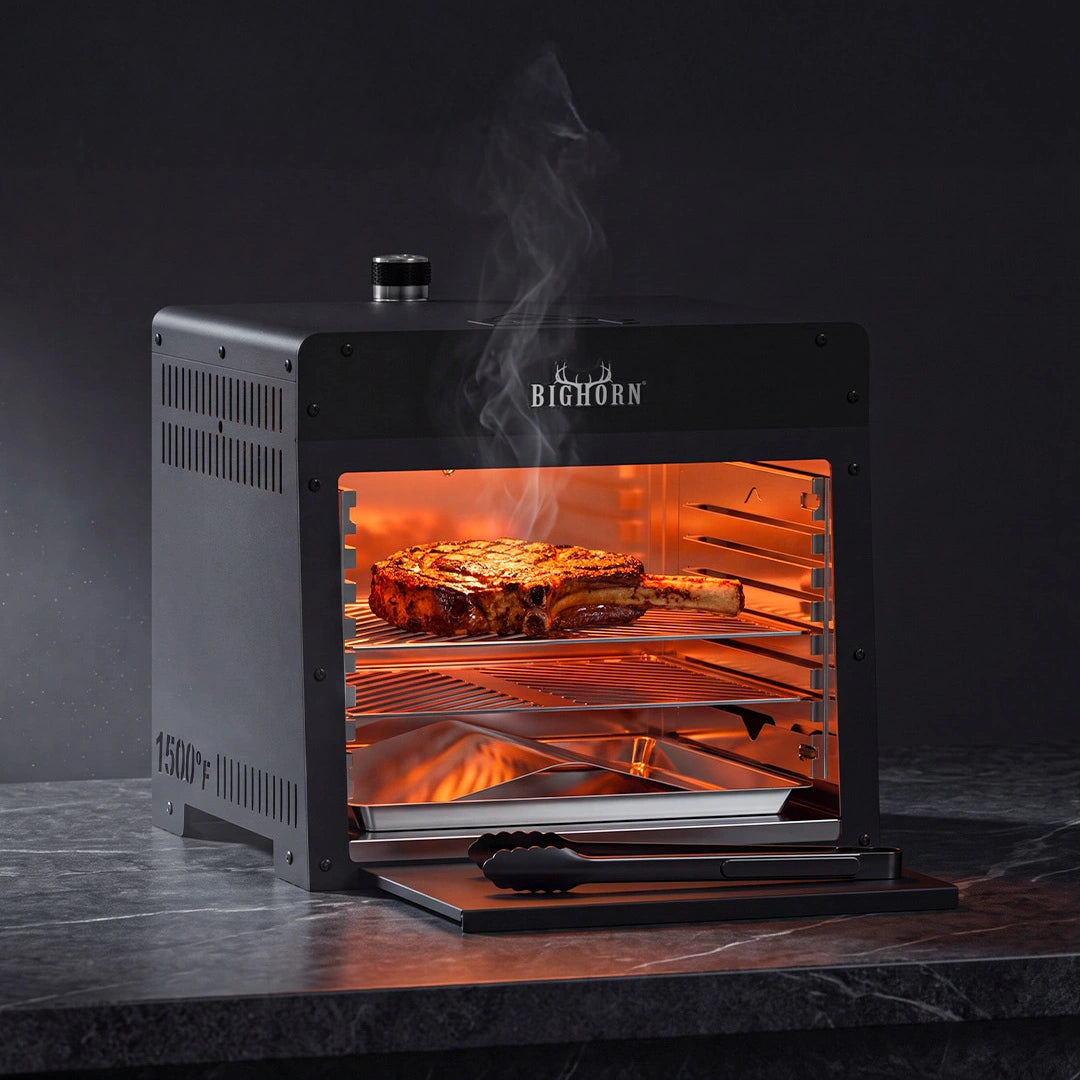


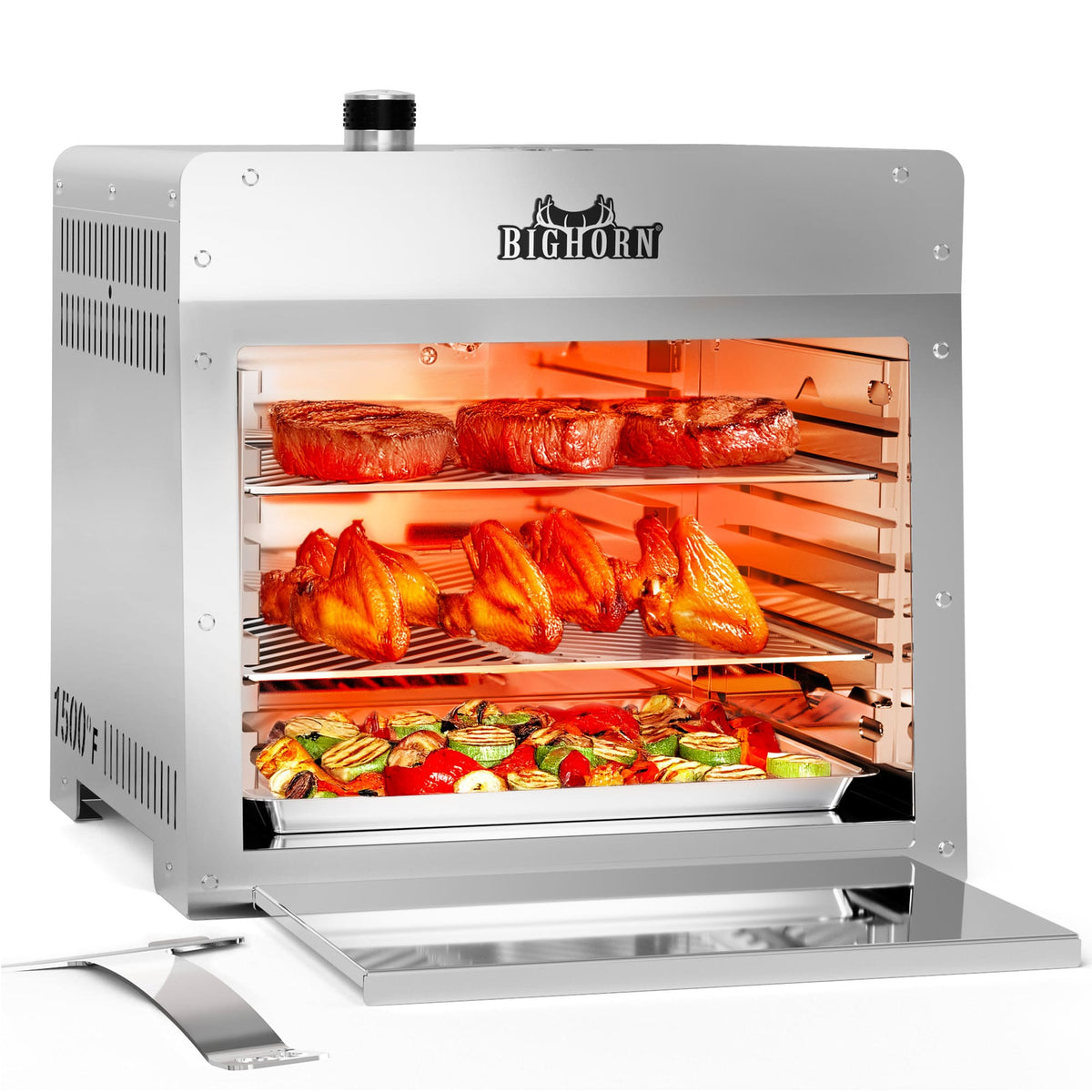
Clean an infrared grill after every use and give the burner a weekly check: wash the removable stainless grates, wipe the exterior, brush the pizza stone when cool, and keep the emitter clear of residue. The Big Horn infrared broiler’s detachable, dishwasher-safe grates make routine cleanup quick, and a light clean after each session keeps the burner performing evenly.
Why infrared grills need regular cleaning
At very high heat, drippings bake on fast, so grease and residue can smoke or flare the next time you cook. Regular cleaning keeps the burner even, reduces smoke, and lets the radiant heat reach the food uniformly. A small effort after each use beats a deep clean later — at 1500 °F the residue sets in minutes, not days.
Clean after every use
Let the grill cool, then remove loose food and wipe the surfaces. Wash the stainless grates in the dishwasher or with warm, soapy water and dry them fully before returning them. Wipe the front panel and handle, clear drippings from the cooking area, and brush the pizza stone only after it cools. The goal is to remove residue before it bakes on.

Care for the pizza stone
Brush the pizza stone gently after it cools and avoid soaking it in water. The stone is porous, so it can absorb moisture or detergent that affects the next bake. Brush off crumbs with a dry brush, use a damp cloth only if needed, and never put it in the dishwasher. A clean, dry stone is the base of good pizzas.
Check the burner and emitter
Weekly, inspect the ceramic emitter and burner area for residue or blockages. Brush loose debris off the emitter only when cool, never scrape it aggressively, and confirm the propane connection and ignition system work before heavy use. A clean emitter radiates heat evenly; a blocked one creates hot spots and uneven sears.
Maintenance questions answered
What causes smoke on the next cook?
Residual grease and drippings are the usual cause. At high heat, leftover residue smokes and can flare the first time the grill heats again. Wiping the cooking area and cleaning the drip tray after each use removes the fuel for that smoke. A quick after-use clean keeps the next session clean and the flame calm.
How deep should a seasonal clean go?
Once a season, do a deeper pass: remove and wash all detachable parts, wipe the interior surfaces, check the emitter for residue, and inspect the propane connection and hose. Confirm the drip tray and any grease channels are clear. The seasonal clean catches what daily wipes miss and prepares the grill for heavier use.
Can you avoid hot spots on the grates?
Hot spots usually come from residue on the emitter or an uneven grate. Keep the emitter brushed and clear, and make sure the grates sit level in their racks. Even heat radiates cleanly from a clear emitter — maintenance is the cure for most uneven-sear problems.
What is the safest way to handle a hot emitter?
Let the grill cool completely before touching the emitter, and use the included handle tool when removing hot grates or plates. The ceramic emitter is fragile when hot and should only be brushed gently once cool. Never scrape it aggressively, and keep the stainless handles and body cool enough to touch before cleaning.
How do you store an infrared grill between uses?
Cover the grill in a dry, protected spot after it cools, and keep the propane connection and hose dry. A cover shields the stainless body and emitter from weather, and dry storage keeps the fuel system ready. Store the unit upright on its legs and confirm it is fully cool before covering or moving it.
What should you check before the first use of a season?
Give the grill a restore pass at the start of the season: remove and wash all detachable parts, wipe the interior and emitter, and inspect the propane connection and hose for wear. Run a dry preheat to burn off any residue and confirm the burner behaves. A once-a-season restore makes the daily clean far easier the rest of the year.
How do you avoid damaging the stainless finish?
Use a non-abrasive pad or cloth with warm soapy water, and a stainless cleaner for tougher marks, always following the grain of the brushed finish. Avoid steel wool and harsh chemicals that scratch or dull the surface. A gentle clean keeps stainless bright and resists corrosion through outdoor use.
What if the grill starts smoking mid-cook?
Usually leftover grease burning off. Remove the food briefly, let the residue burn down or wipe the drip tray if accessible, and continue once the smoke clears. Keeping the tray and cooking area clean after each use prevents most mid-cook smoke.
How often should you clean the drip tray?
Empty and wash the drip tray after every cook or every few cooks depending on use. Grease that sits in the tray hardens and can smoke or flare during the next session. A quick empty-and-wipe when the tray is cool keeps the grill clean and the next cook smoke-free.
Cleaning and maintenance FAQs
Can I put the grates in the dishwasher?
Yes — on the Big Horn broiler the stainless grates are detachable and dishwasher-safe. Dry them fully afterward to avoid water spots.
How often should I clean the stone?
Brush it after every cool-down and deep-clean only when residue builds. Soap is not needed — dry brushing keeps the porous surface in good shape.
What should I avoid when cleaning the emitter?
Do not scrape or use abrasive cleaners on the ceramic emitter. Brush loose residue only when cool, and handle it gently to avoid damaging the radiant surface.
To confirm the current specs and included accessories, review the 16-inch Big Horn infrared broiler product page.