







Accessories
Most grill gadgets die in a drawer. A short list of essential grilling tools covers heat, food safety, and cleanup—everything else can wait until you feel a real gap.
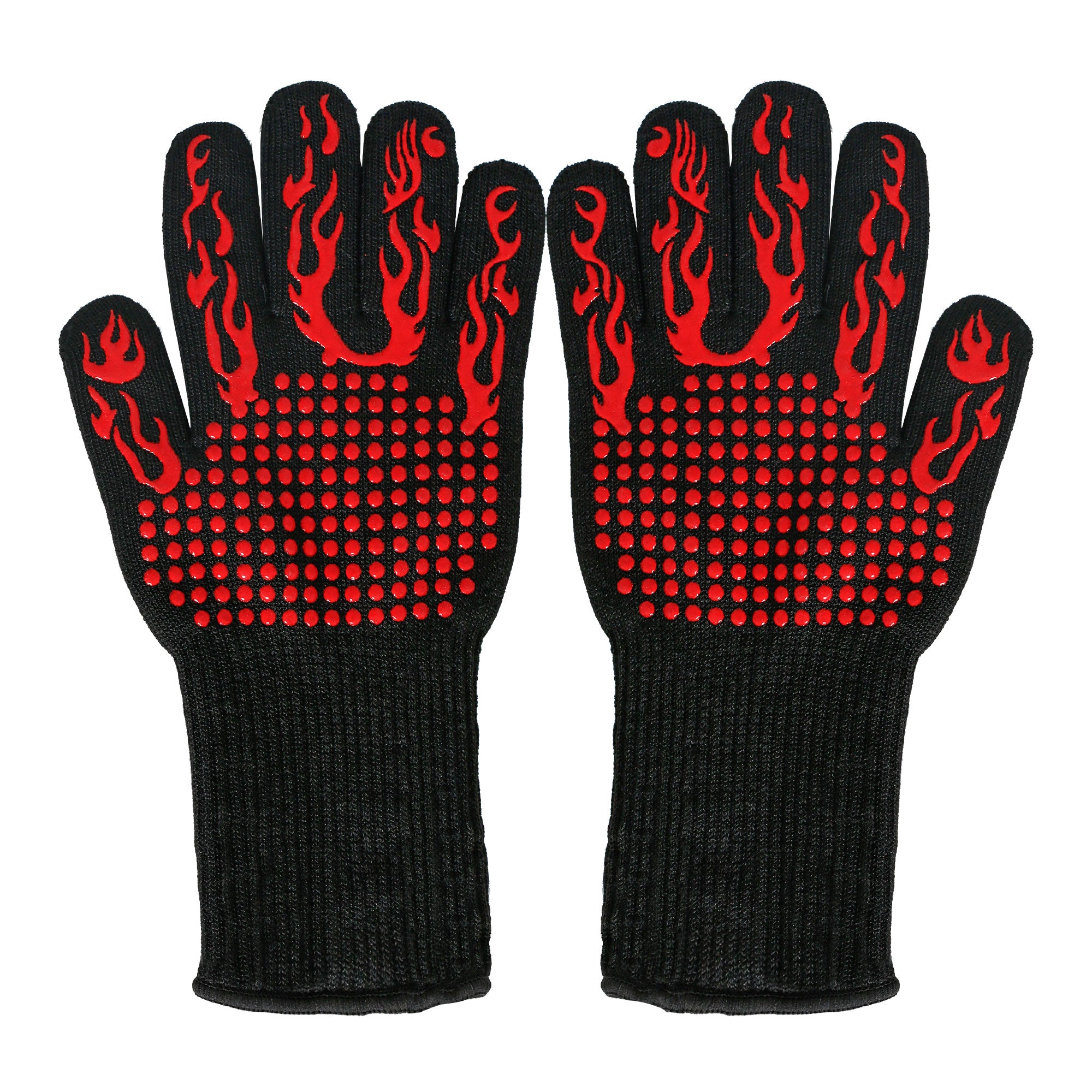
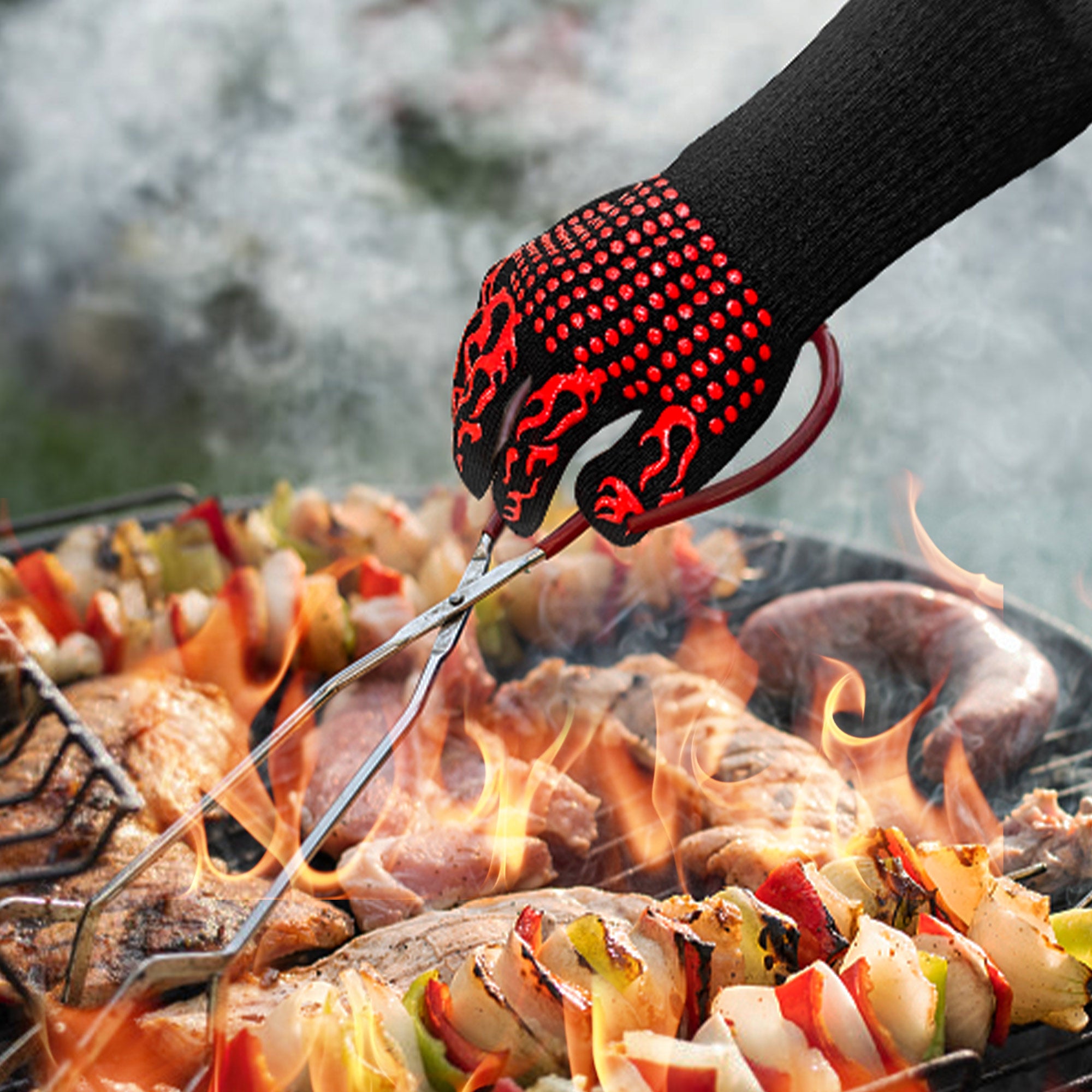
Start with tongs, spatula, thermometer, brush, gloves, and a stable place to park hot lids. Browse practical add-ons in the accessories collection, including heat-resistant BBQ gloves and a cast-iron griddle. Keep brush safety in mind via CPSC grill-brush warnings and meat temps via USDA temperature charts.
The 6-tool starter kit
Long tongs, a sturdy spatula, an instant-read thermometer, a safe cleaning brush or scraper, heat protection (gloves or a quality mitt), and a sheet pan or tray for raw-versus-cooked separation.
That kit cooks steak, chicken, vegetables, and burgers without novelty attachments. Add fuel tools (chimney for charcoal, soapy-water leak check habits for gas) as your grill type demands.
If you own only one upgrade first, make it the thermometer.


Tongs, spatula and brush: what to look for
Tongs should lock, reach, and actually grip—not scrape paint off with weak tips. Spatulas need enough stiffness for burgers and fish neighbors.
Brushes must not shed. Replace at the first bent wire. Wooden scrapers are underrated on hot grates.
Skip tiny decorative sets that cannot lift a chicken thigh.
Thermometer and timer
Instant-read thermometers stop guesswork on chicken and thick pork. Leave-in probes help large roasts while you prep sides.
Timers prevent the “I thought you were watching” charcoal briquette funeral.
Calibrate or verify thermometers occasionally in ice water so you trust them.
Heat protection: gloves and mats
Gloves help with chimney pouring, grate moves, and hot pans. They are not invitations to grab glowing charcoal with your hands for fun.
Deck mats can protect surfaces when used as directed—read temperature ratings rather than assuming magic.
Combine gloves with tools; do not replace tongs entirely with glove bravery.
Nice-to-have vs skip list
Nice: grill basket for vegetables, spare tank gauge awareness, cast-iron griddle, cover that actually fits.
Skip early: giant multi-tool spatulas that do nothing well, unused skewers sets of forty, and electric gadgets you will not haul outside.
Buy for the cook you do weekly, not the cook you imagine once a year.
Storage and care
Hang tools dry. Thermometers hate drawer abuse. Brushes need air drying so they do not mildew.
Wash tools that touched raw meat with hot soapy water before they park beside the bun tray.
Covers go on cool grills only.
Budget tiers
Tier one: basic tongs, spatula, thermometer, scraper. Tier two: better gloves, fitting cover, griddle. Tier three: specialty gear for smoking or pizza attachments you will truly use.
Spend on accuracy and durability before chrome finishes.
Watch for shedable brushes at any price—cheap and expensive both fail when wires loosen.
What are the essential equipment needed for grilling?
Heat source, safe tools, thermometer, and cleanup gear.
The grill itself plus tongs, spatula, thermometer, and a safe brush cover most backyard needs. Fuel and fire safety equipment complete the picture. Everything else is specialization.
Match essentials to gas, charcoal, or camp stove realities.
What tools do you need to put a grill together?
Usually a screwdriver set, wrench, and the manufacturer’s hardware kit.
Assembly tools differ from cooking tools. Follow the manual’s parts list and keep gas fittings leak-checked after assembly. Do not substitute random fasteners for rated hardware.
Two people help with heavy lids.
Build a staging tray system: one tray for raw proteins, one for cooked food, and one for tools that must stay clean. Label them with painter’s tape for parties. Cross-contamination is a tools problem as much as a cutting-board problem.
If you grill at a park or tailgate, add a folding table, foil, and a trash plan to the essentials list. Public sites punish people who assume counters exist. Portable habits also make backyard cooks more organized.
Revisit the drawer every spring. Donate gadgets you have not used in a year. A shorter tool wall makes you faster on weeknights and less cranky when searching for tongs in the dark.
Finally, pair tools with skills: practice thermometer placement, practice a two-zone fire, and practice a calm shutdown. Tools without habits are just metal. Habits without tools are slower—but habits plus a short kit are how weeknight grilling stays easy.
Field notes you can reuse next time
Write down timing, heat feel, and what you would change. A two-line phone note beats trying to remember a perfect cook a month later. Keep raw and cooked tools separate, and chill leftovers within two hours.
If wind is strong, shield the fire and extend timing rather than maxing every control. If food browns too fast, build a cool zone and finish there. If food stays pale, preheat longer before the next batch hits the surface.
Scrape grease mid-session when smoke turns bitter. Keep a lid or sheet pan ready for flare-ups, and shut fuel down fully before you walk inside. Confirm ashes or burners are out.
Practice once on a quiet night before you host a crowd. One calm rehearsal teaches timing better than another tip list. Stage spare fuel, a clean platter, and a thermometer before you light anything.
After the event, note what ran out first and what never left the box. That short retrospective makes the next birthday or cookout calmer. Improve one station at a time rather than rebuilding the entire plan from scratch.
Thank helpers by name and put tools away only when cool. A clean reset is part of hospitality, not an afterthought. Store checklists with the equipment so they survive between celebrations.
For related references while you plan, see USDA grilling guidance; NFPA grilling safety; FoodSafety.gov cookout tips; Ready.gov home fire guidance.
Conclusion
Buy a short starter kit centered on tongs, spatula, thermometer, safe cleaning, and heat protection. Add a griddle or specialty gear only when your menu demands it. Essentials earn their keep; gadgets collect dust.
Browse BBQ gloves, cast-iron griddles, and more in the accessories collection.
FAQ
What are the essential equipment needed for grilling?
You need the grill or heat source, tongs, spatula, thermometer, safe cleaning tool, and heat protection, plus fuel-specific starters. Trays that separate raw and cooked food round out basics. Specialty gear can wait.
What are the essential tools for BBQ?
BBQ essentials mirror grilling basics with extra emphasis on thermometers for larger cuts and safe brushes for grates. Gloves help with hot work. Keep the list short until your smoking or long-cook habits demand more.
What are the essential accessories for a BBQ?
A fitting cover, gloves, a reliable thermometer, and a tray system are high-value accessories. Mats and griddles help specific setups. Avoid filling carts with unused gadget sets.
What tools do you need to put a grill together?
Typically screwdrivers, a wrench, and the hardware included by the manufacturer. Assembly tools are separate from cooking tools. Leak-check gas connections after assembly per the manual.
Explore more in the Grill Buying Guides.
More to Read
Fireproof Grill Mat Under Pizza Ovens and Infrared Grills
Place a fireproof grill mat to catch grease and sparks under ovens and grills. Confirm the live 48-by-30-inch claims, and use a cart when you need ...
No Oven Spring on a High-Heat Pie: Dough Temp, Launch and Floor
Diagnose no oven spring on a high-heat pizza by checking dough temperature, launch handling, and floor heat before you spend another mix changing t...
Heat-Resistant BBQ Gloves: Temperature Ratings and Wet-Grip Limits
Read a 1472°F glove rating as a short, dry, instant figure. Wet or oily conditions change grip, so let long peels reach into hot ovens and grills.
