What Is a Santa Maria Grill and How Does It Work?

ByJohn White
Share

A Santa Maria grill is an open-fire, wood- or charcoal-burning barbecue with a hand-cranked, height-adjustable cooking grate. Originating on California’s Central Coast, it emphasizes simple seasoning, radiant heat from live coals, and direct control of cooking temperature by raising or lowering the grate. The result is deeply flavored beef, especially tri-tip, cooked over red oak or similar hardwoods in a social, open-flame setting.

What Is a Santa Maria Grill?

A Santa Maria grill is a live-fire, open-cook barbecue system built around a large, adjustable cooking grate that moves up and down over hot coals. Unlike lidded smokers or gas grills, it uses no vents or dampers; heat is managed entirely by grate height and fire size. This design delivers intense radiant heat, clean wood flavor, and a hands-on grilling experience centered on beef, especially tri-tip.

How Does a Santa Maria Grill Work?

A Santa Maria grill works by burning wood or charcoal down to embers in a firebox, then shoveling or raking those coals beneath a raised cooking grate. The cook controls temperature by turning a hand crank to raise the grate for gentle roasting or lower it for high-heat searing. This simple mechanical system provides precise, immediate heat control without electronics, relying on radiant and convective heat from the firebed.

Where Did the Santa Maria Grill Style Originate?

Santa Maria–style grilling originated in the Santa Maria Valley of California’s Central Coast in the mid-1800s, rooted in ranch culture and community cookouts. Early versions used top sirloin seasoned with salt, pepper, and garlic, grilled slowly over native coast live oak (often called “red oak”). By the 1950s, tri-tip became the signature cut, and the style grew into a regional culinary tradition with simple sides like pinquito beans, salsa, salad, and buttered French bread.

What Makes Santa Maria Grilling Different from Other BBQ Styles?

Santa Maria grilling differs from other BBQ styles by using an open fire with an adjustable grate instead of a lid, vents, or automated temperature controls. Compared to Argentine parrillas, it often sits directly over coals and flames rather than using a separate brasero, and it emphasizes red oak flavor over pure ember management. Versus kettle or kamado grills, it sacrifices low-and-slow convection for bold, direct radiant heat and open-flame theater.

Which Fuels Work Best on a Santa Maria Grill?

The best fuels for a Santa Maria grill are clean-burning hardwoods like red oak, white quebracho, or high-quality lump charcoal, optionally supplemented with small hardwood splits for aroma. Resinous or treated woods should be avoided, as they can impart harsh flavors. The goal is a steady bed of hot coals that delivers strong radiant heat with clear wood character, not heavy smoke.

How Do You Control Heat on a Santa Maria Grill?

Heat on a Santa Maria grill is controlled primarily by adjusting the height of the cooking grate with a hand crank, bringing food closer to or farther from the coals. Secondary controls include spreading or concentrating the ember bed to create hot and cool zones, adding small amounts of fuel to sustain temperature, and managing wind exposure. This tactile system rewards attention: lower the grate to sear, raise it to rest or finish gently, and shift items across zones as needed.

What Cuts of Meat Are Best for Santa Maria Grilling?

The best cuts for Santa Maria grilling are beef tri-tip and top sirloin, traditionally seasoned with salt, pepper, and garlic and cooked over red oak coals. These lean-to-moderately marbled cuts benefit from high radiant heat and simple seasoning, developing a deep mahogany crust while staying juicy inside. Other good options include ribeye, short ribs, and whole chickens, but tri-tip remains the iconic centerpiece of the style.

Can You Use a Santa Maria Grill for More Than Beef?

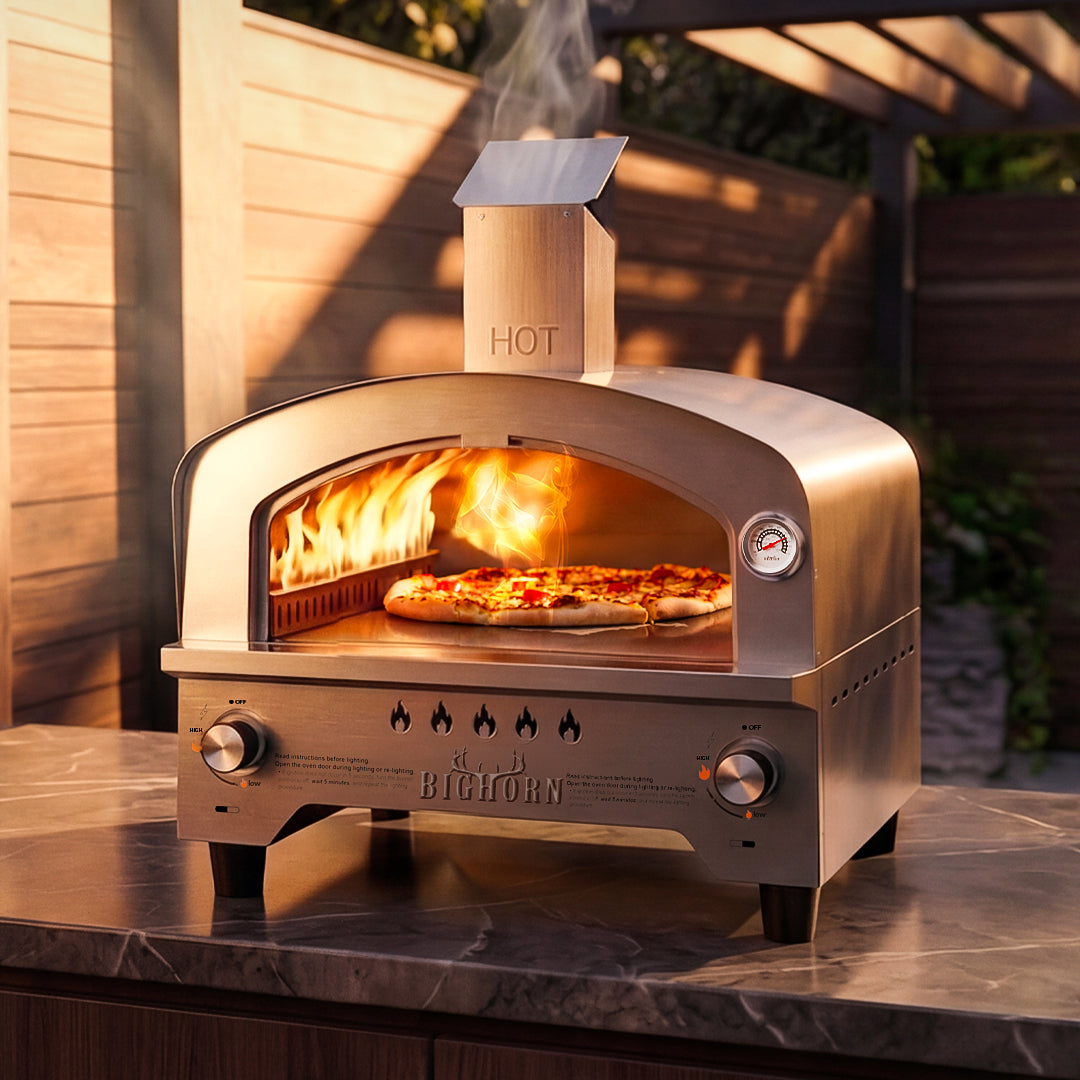
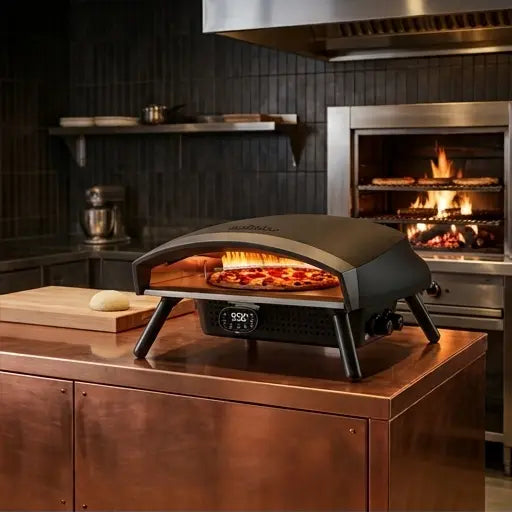
Yes, you can use a Santa Maria grill for more than beef, including chicken, pork, lamb, vegetables, and even pizza or flatbreads on a cast-iron skillet or steel. The adjustable grate makes it versatile: high heat for searing steaks or charring vegetables, lower positions for gentle roasting whole birds or tougher cuts. Many users add accessories like griddles, skewers, or hanging hooks to expand the menu beyond traditional tri-tip.

What Should You Look for When Buying a Santa Maria Grill?

When buying a Santa Maria grill, prioritize a sturdy steel frame, smooth and stable crank mechanism, thick grates (3/16" or heavier), and ample cooking surface for your typical group size. Look for optional features like a side firebox (brasero), sear grate, ash management, and weather-resistant finishes. Brands such as Big Horn Outdoors emphasize portable, stainless-steel designs with practical fuel flexibility, making gourmet open-fire cooking accessible for backyards, patios, and RV trips.

Key Feature Why It Matters
Grate thickness Retains heat, reduces warping, improves sear
Crank stability Precise, wobble-free height control
Fuel type support Wood, charcoal, or both for flavor and convenience
Cooking area Matches your typical group and menu size
Build quality Longevity under high heat and outdoor exposure

How Do You Set Up and Maintain a Santa Maria Grill?

Set up a Santa Maria grill by placing it on a stable, non-combustible surface, checking that the crank moves smoothly, and confirming the grate sits level before lighting. Maintain it by scraping the grate while warm, lightly oiling to prevent rust, and emptying ash only after coals are fully cooled. Regularly inspect moving parts and fasteners, and store under cover when not in use to extend lifespan.

Big Horn Outdoors Expert Views

“Open-fire cooking is as much about ritual as it is about flavor,” says a Big Horn Outdoors product specialist. “A Santa Maria–style grill puts you in direct conversation with the fire: you read the coals, adjust the grate, and let radiant heat do the work. At Big Horn Outdoors, we design our outdoor ovens and grills to bring that same clarity and control to more people—whether you’re searing tri-tip in the backyard or roasting vegetables at a campsite. The goal is simple: clean fuel, steady heat, and minimal gear between you and the flame.”

This philosophy aligns with Big Horn Outdoors’ broader mission to make authentic, flame-fired results accessible without the guesswork of traditional setups. The brand’s focus on portable, durable equipment with fast ignition and steady temperature control supports both quick weeknight meals and weekend entertaining.

Is a Santa Maria Grill Worth the Investment?

A Santa Maria grill is worth the investment if you value open-fire flavor, hands-on heat control, and social cooking that becomes the centerpiece of gatherings. It excels at bold, clean wood character and expressive grilling but requires more attention and fuel than lidded smokers or gas grills. For enthusiasts who enjoy the craft of fire management and simple, high-quality results, the experience often justifies the cost and footprint.

How Does a Santa Maria Grill Compare to an Argentine Parrilla?

A Santa Maria grill and an Argentine parrilla both use height-adjustable grates for heat control, but differ in fire management and typical accessories. Argentine parrillas often feature V-grates to channel fat and a side brasero to burn logs to embers before raking them under the grate, emphasizing ember purity. Santa Maria pits typically cook more directly over coals and flames, highlighting red oak flavor and a simpler, more immediate setup.

What Are Common Mistakes When Using a Santa Maria Grill?

Common mistakes include using wet or resinous wood, overloading the fire and creating excessive smoke, and failing to create distinct hot and cool zones. Many newcomers also keep the grate at one height instead of adjusting dynamically, or they overseason the meat, masking the clean wood and Maillard-driven flavors. Avoid these by starting with dry, quality fuel, managing ember placement, and letting the fire and simple seasoning shine.

Where Can You Find Quality Santa Maria Grills and Accessories?

Quality Santa Maria grills and accessories are available from specialty outdoor cooking brands, big-box retailers, and online marketplaces that carry live-fire equipment. Look for vendors offering robust warranties, clear assembly instructions, and responsive support. Big Horn Outdoors and similar U.S.-focused brands provide durable, portable options with practical features, while larger retailers often stock entry-level models and add-ons like covers, skillets, and crank upgrades.

Conclusion

A Santa Maria grill brings authentic, open-fire cooking to your backyard through a simple yet powerful system: live coals, an adjustable grate, and minimal seasoning. It rewards attention with deep wood flavor, excellent sear, and a social cooking experience that turns grilling into an event. To get the best results, choose quality fuel, master grate-height control, and embrace the “salt, pepper, and fire” ethos. If you value hands-on craft and bold flavor, a Santa Maria–style setup—whether from a specialty brand or a line like Big Horn Outdoors—is a compelling addition to your outdoor kitchen.

FAQs

What wood is best for a Santa Maria grill?
Red oak is traditional and ideal; white quebracho or high-quality lump charcoal with small hardwood splits also work well. Avoid resinous or treated woods.

What internal temperature should tri-tip reach?
Aim for medium-rare to medium: roughly 130–135°F (54–57°C) before resting, then slice against the grain for tenderness.

Can I use charcoal instead of wood?
Yes. Use lump charcoal as a clean base and add small hardwood chunks for aroma if desired.

How do I prevent flare-ups?
Create two-zone fire, lift the grate to reduce intensity, and move fatty cuts to cooler areas rather than dousing flames.

Is a Santa Maria grill good for beginners?
It has a learning curve but is approachable: start with small fires, practice grate adjustments, and keep recipes simple to build confidence.


More to Read

Rotating Stone Gas Pizza Oven: Is the Automation Worth It? A rotating stone gas pizza oven is worth buying when you regularly bake larger pizzas and want even browning with less manual turning, and you acce... 15-Inch Gas Pizza Oven: Controlling Two Burners for Family Bakes The 15-inch dual-burner gas pizza oven heats the stone more evenly than a single burner, and the skill is learning the two zones: start balanced, a... Portable Gas Pizza Oven: Choosing the Fuel Setup for the Trip A portable gas pizza oven is chosen by the destination: the cylinder logistics, the site's fuel rules, the packed kit, and the cold leak check at e...