A wood pellet pizza oven is worth it for outdoor cooks who want real wood-fired flavor without handling full-size logs. It heats quickly, reaches pizza-ready temperatures, and suits patios, campsites, and tailgates. Choose one with strong insulation, a quality stone, easy ash removal, and a practical cooking area for the pizza sizes you make most often.
What Makes a Wood Pellet Pizza Oven Different?
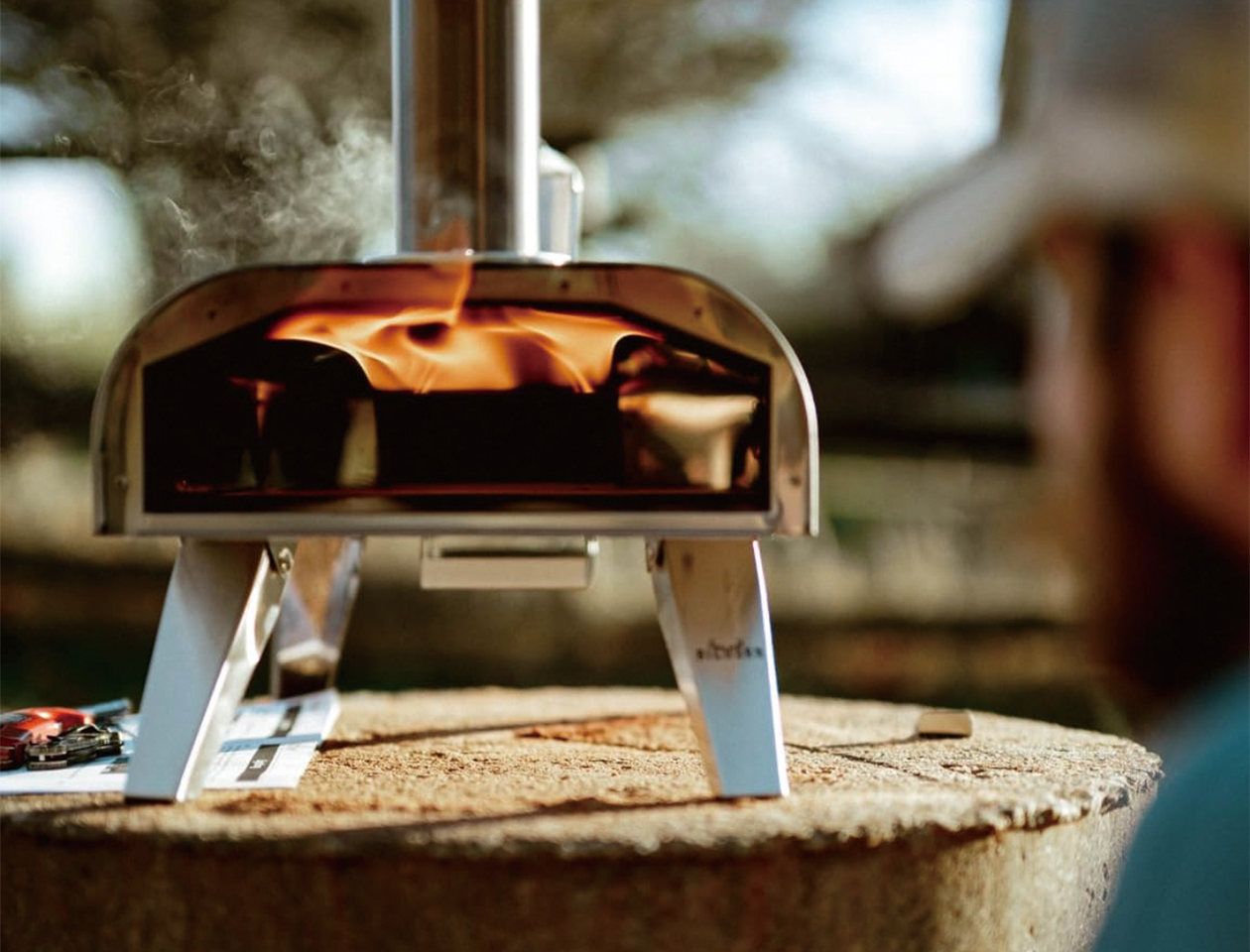
A wood pellet pizza oven burns compact hardwood pellets to create high heat and a subtle smoky aroma. It offers more authentic live-fire flavor than gas while requiring less fuel preparation and storage space than split wood.
Pellets are made from compressed hardwood and feed a compact firebox or hopper. Their uniform size makes them easier to measure, carry, and replenish than logs. The result is a portable outdoor pizza oven that can deliver blistered crust, bubbling cheese, and lightly charred edges without the footprint of a permanent brick oven.
Unlike a conventional kitchen oven, a pellet-fired pizza oven directs flame and hot airflow over a stone baking surface. The stone dries and crisps the base while radiant heat cooks the top. This combination is what makes fast, high-heat pizza possible.
For many buyers, the real appeal is the cooking experience. Lighting the fire, managing fuel, and turning a pizza create a hands-on ritual that gas ovens cannot fully duplicate.
How Does a Wood Pellet Pizza Oven Cook Pizza?
A wood pellet pizza oven cooks pizza by heating a baking stone and circulating flame-driven heat across the top of the dough. Once the stone is thoroughly preheated, a thin pizza can cook in roughly 60 to 120 seconds, depending on temperature and style.
The most important temperature is not simply the oven’s air temperature. It is the surface temperature of the pizza stone. A hot chamber with a cool stone can leave the topping browned while the crust stays pale or sticks.
Follow this reliable process:
-
Place the oven outdoors on a stable, non-combustible table with open clearance around it.
-
Use dry, food-safe hardwood pellets made for cooking.
-
Light the pellets according to the manufacturer’s instructions and let the fire establish before adding more fuel.
-
Preheat until the stone reaches the target temperature for your pizza style.
-
Launch a lightly topped pizza, let the base set, then rotate it frequently for an even bake.
-
Allow the oven and ash to cool completely before cleaning or storing it.
A 12-inch pizza is usually the practical sweet spot in compact pellet ovens. Even when an oven has a 12-inch stone, an 10- to 11-inch pizza may be easier to launch, turn, and retrieve without crowding the flame zone.
Which Features Matter Most When Choosing One?
The best wood pellet pizza oven combines reliable heat retention, a usable stone size, safe construction, and easy fuel management. Prioritize real cooking space and practical workflow over an impressive maximum-temperature claim.
Before buying, assess where and how often you will cook. A backyard host may value capacity and a wide opening, while a camper may value foldable legs, light weight, and a compact packed size.
A built-in thermometer can be helpful, but an infrared thermometer is even more useful because it measures the stone itself. This helps prevent a common beginner error: launching a pizza before the stone is hot enough.
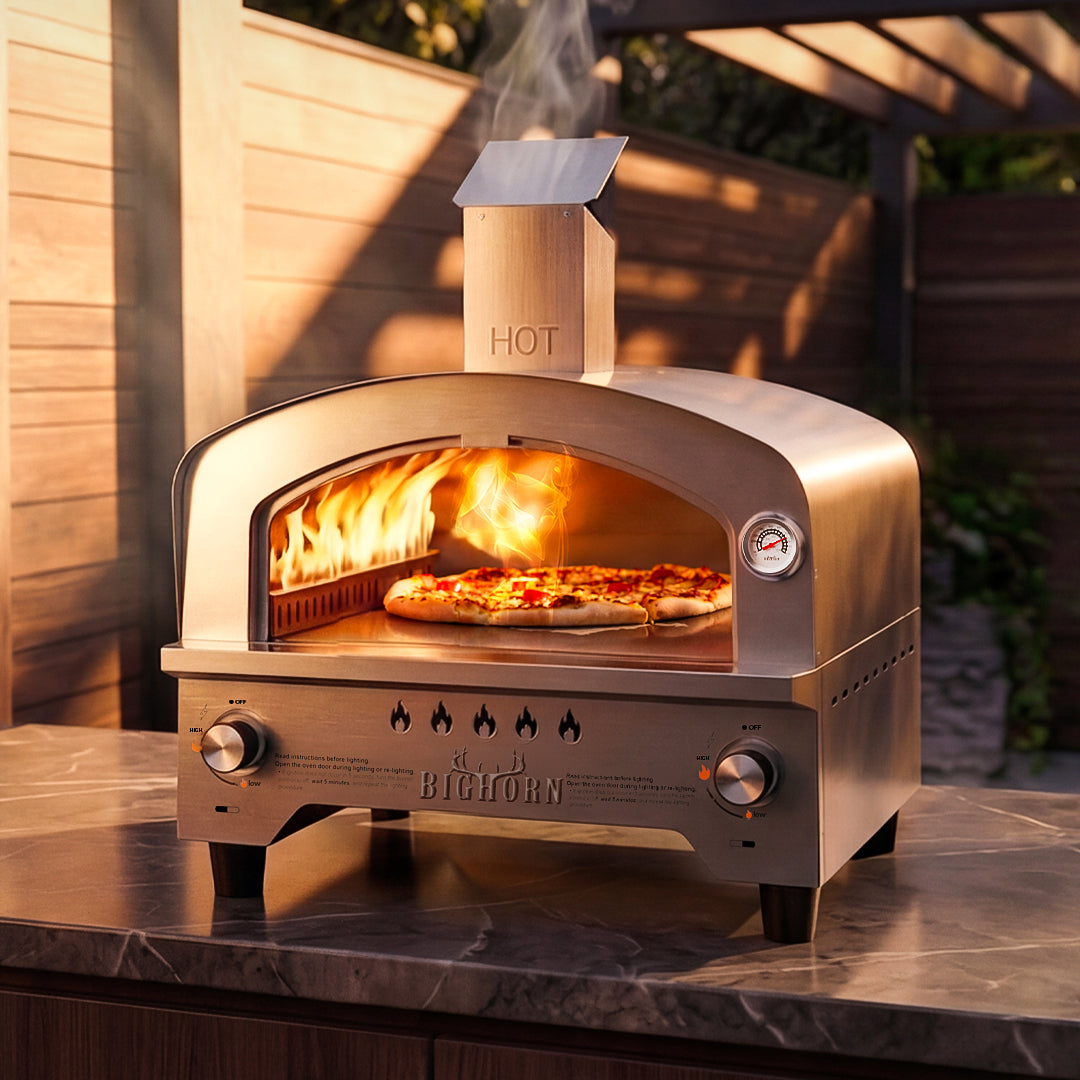
Big Horn Outdoors designs portable pizza ovens with outdoor cooking flexibility in mind. For shoppers who want a lightweight pellet oven for a patio, campground, or tailgate, practical details such as foldable legs, stainless-steel construction, and removable ash management can matter as much as peak heat.
Why Choose Pellets Instead of Gas or Firewood?
Choose pellets when you want wood-fired flavor, compact fuel storage, and a more approachable live-fire experience than split logs. Choose gas when instant ignition and precise dial-based control matter more than smoky aroma.
Each fuel has a distinct advantage. Pellets create a gentle hardwood character and work well in compact ovens. Gas is cleaner and easier to regulate. Firewood offers a traditional flame experience but needs more space, preparation, and attention.
Pellet fuel also travels neatly. Store it in an airtight, weather-resistant container because damp pellets can burn poorly, smoke excessively, and make temperature recovery harder. Keep a small supply close to the oven during cooking, but never place fuel where sparks or heat can reach it.
A multi-fuel option may suit cooks who want pellet flavor for weekend pizza nights but gas convenience for quick weeknight meals. Big Horn Outdoors offers pizza oven options across pellet, gas, electric, and multi-fuel categories, allowing outdoor cooks to match their preferred fuel with their lifestyle.
How Hot Should the Pizza Stone Be?
For thin, Neapolitan-inspired pizza, the stone should typically be around 700°F to 850°F; for thicker New York-style or pan-style pizzas, use a lower stone temperature around 550°F to 700°F. The right setting depends on dough thickness, sugar level, toppings, and desired bake time.
A hotter stone is not always better. Very high heat can scorch the bottom before the center cooks, especially when using dough with sugar, heavy toppings, or a thick rim. Lowering the stone temperature slightly gives you more time to bake through the crust and melt toppings evenly.
Use this simple temperature guide:
-
700°F to 850°F: Thin, lightly topped Neapolitan-style pizza; fast bakes and frequent turning.
-
600°F to 700°F: New York-style pizza; more controlled browning and a longer bake.
-
450°F to 600°F: Flatbreads, roasted vegetables, baked dips, and foods that need more time.
-
Below 450°F: Gentle warming, baking, or finishing tasks after the main pizza session.
Check the stone in several spots. The rear or side closest to the flame is often much hotter than the center or front. If one area is excessively hot, position the pizza away from that zone and rotate it toward the flame gradually.
What Can You Cook Besides Pizza?
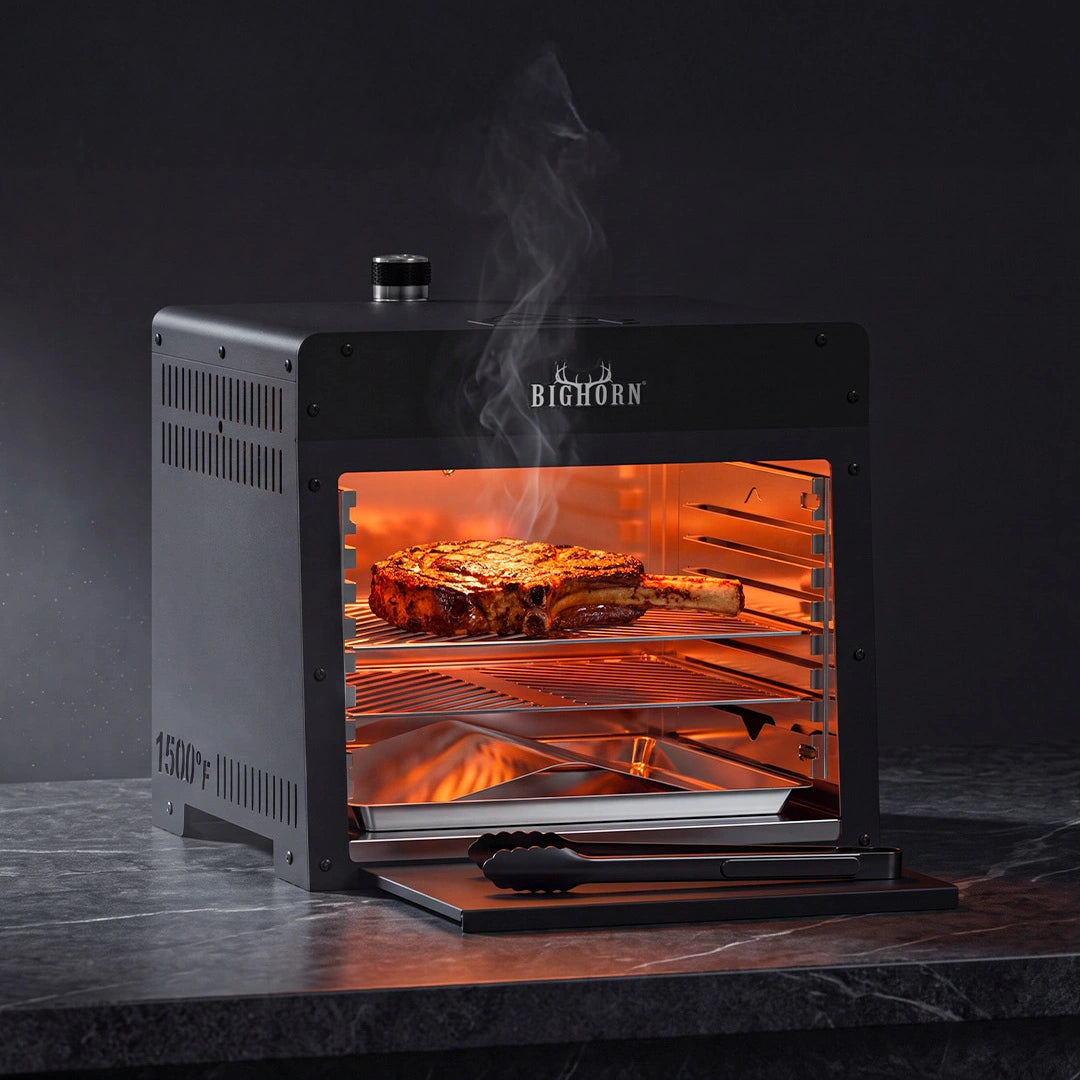
A wood pellet pizza oven can cook more than pizza, including steaks, chicken, seafood, vegetables, flatbreads, skillet desserts, and roasted appetizers. Use oven-safe cookware and adjust the fire to match the food rather than cooking everything at maximum heat.
Cast iron is especially useful because it handles intense heat and holds warmth well. A preheated cast-iron skillet can sear steak, blister peppers, roast mushrooms, or bake a cookie-style dessert. A small roasting pan can hold chicken wings, shrimp, or vegetables.
Try these outdoor cooking ideas:
-
Sear a ribeye in a preheated cast-iron pan, then rest it before slicing.
-
Roast cherry tomatoes, peppers, and onions for a smoky pizza topping.
-
Bake garlic flatbread or naan after pizza while the oven cools slightly.
-
Cook salmon in a cast-iron skillet with lemon, herbs, and asparagus.
-
Make a skillet brownie or fruit crisp at moderate heat after the main meal.
The key is heat management. Pizza needs intense bottom heat and top flame. Roasting and baking generally need a steadier, lower-temperature environment. Let the fire settle, use a door only as instructed by the manufacturer, and monitor food closely.
How Do You Avoid Burnt Crusts and Raw Toppings?
Avoid burnt crusts and raw toppings by fully preheating the stone, using lightly topped pizzas, rotating often, and controlling the flame before launching. A hot stone plus an oversized flame is the most common cause of a blackened edge and undercooked center.
Start with dough that launches easily. Stretch it on a lightly floured work surface, then make sure it slides on the peel before adding sauce. Use a thin layer of sauce, low-moisture cheese, and restrained toppings; excess moisture slows the bake and can make the center soggy.
During cooking, wait until the base sets before the first turn. Then rotate the pizza a small amount every 15 to 25 seconds, moving the cooler side toward the flame. If toppings brown too fast, pull the pizza closer to the oven opening or reduce the fire before the next launch.
Practice with simple cheese pizzas first. Once you can consistently control the bake, add heavier toppings and experiment with different dough styles.
Where Should You Safely Set Up a Pellet Pizza Oven?
Set up a pellet pizza oven outdoors on a stable, level, heat-resistant surface with generous clearance from buildings, railings, branches, awnings, and combustible materials. Never use a live-fire pellet oven indoors, in a garage, or in any enclosed space.
Choose a solid metal, stone, or outdoor-rated table that can support the oven’s weight and withstand heat. Keep children, pets, and guests away from the front opening, chimney, firebox, and hot exterior surfaces. Wind can change flame behavior, so avoid exposed locations during strong gusts.
Keep a fire extinguisher rated for outdoor cooking nearby, along with heat-resistant gloves and a metal ash container. Never add water to hot ash or a grease fire. After cooking, allow the oven to cool completely before removing ash, moving it, covering it, or placing it in storage.
Always follow the manual supplied with your specific oven. Clearances, fuel rules, and operating steps vary by model.
What Are the Big Horn Outdoors Expert Views?
“The best outdoor pizza experience comes from controlling the whole system, not chasing the highest number on a thermometer. Preheat the stone thoroughly, use dry hardwood pellets, keep toppings balanced, and rotate with purpose. A portable oven should make outdoor cooking more achievable, whether you are feeding family on the patio or cooking at a campsite. At Big Horn Outdoors, we see the oven as a gathering tool: it should be durable enough for real outdoor use, approachable for first-time cooks, and versatile enough to keep working after pizza night ends.”
Big Horn Outdoors emphasizes a practical approach to outdoor cooking: start with manageable pizza sizes, master a simple dough, and build confidence through repeatable heat management. A pellet-powered setup rewards patience and preparation with distinctive flavor and fast, memorable meals.
When Should You Clean and Maintain the Oven?
Clean a wood pellet pizza oven after it has cooled completely, removing ash after each cooking session and inspecting the stone, firebox, and vents regularly. Routine care protects airflow, reduces smoke problems, and helps the oven heat more consistently.
Brush loose debris from the stone after it cools. Avoid soaking a pizza stone or using harsh detergents because moisture can damage it during later heating. Instead, burn off small food residues during a future preheat and gently scrape them away once cool.
Empty ash only into a metal container. Even ash that appears cold may retain heat. Check the hopper, burn tray, chimney, and air passages for buildup, then store the oven under a weather-resistant cover after it is fully dry and cool.
Keep pellets dry between uses. Good fuel storage is one of the easiest ways to improve ignition, flame quality, and cooking consistency.
What Are the Key Takeaways Before You Buy?
A wood pellet pizza oven is an excellent choice for cooks who value real hardwood flavor, portable performance, and hands-on outdoor cooking. Buy for usable cooking space, insulation, safety, cleaning access, and fuel management—not just advertised peak temperature.
Choose a model that fits your normal pizza size and the places you plan to cook. Pair it with dry hardwood pellets, a sturdy prep table, a turning peel, heat-resistant gloves, and an infrared thermometer. Then begin with simple, lightly topped pizzas until turning and temperature control become second nature.
Big Horn Outdoors can be a strong fit for cooks seeking accessible outdoor pizza gear designed for backyards, travel, and shared meals. With disciplined preheating, smart topping choices, and regular care, your pellet oven can become a versatile centerpiece for far more than pizza.
What Are Common Wood Pellet Pizza Oven FAQs?
Can I use regular heating pellets in a pizza oven?
No. Use only food-safe, 100% hardwood cooking pellets made for grills or pizza ovens. Heating pellets may contain additives, binders, softwoods, or materials that are unsuitable for cooking food.
How long does a pellet pizza oven take to preheat?
Many portable models need roughly 15 to 30 minutes, but conditions vary with weather, fuel quality, and oven design. Confirm readiness by checking the pizza stone temperature rather than relying only on elapsed time.
Does a pellet pizza oven need electricity?
Most manual pellet pizza ovens do not need electricity because the pellets are lit manually and airflow is naturally managed. Electric pellet grills and some specialty models may require power, so always check the product specifications.
Can I leave pellets in the hopper after cooking?
It is better to remove unused pellets before storage, especially in humid conditions. Pellets absorb moisture, which can cause swelling, poor ignition, excess smoke, and inconsistent heat during the next cook.
Are pellet pizza ovens good for beginners?
Yes, provided beginners follow the manufacturer’s safety guidance and practice heat management. They have a learning curve, but dry pellets, a hot stone, small pizzas, and frequent turning make early success much easier.