







Pellet Pizza Oven Ownership
A handful of oak is not a free upgrade. The cost, in time and in smoke, shows up as soon as you treat chunks like a second hopper of fuel. Kiln dried oak for a pizza oven helps when you dose it, and it gets in the way when you bury a pellet fire under wood.
This page is about flavor dosing in a pellet-style chamber. It is not the general question of whether firewood belongs in a pellet oven; that safety-and-fit discussion already lives on can you burn firewood in a pellet pizza oven. Use that page for the permission question, and use this one for how a small oak addition is supposed to taste.
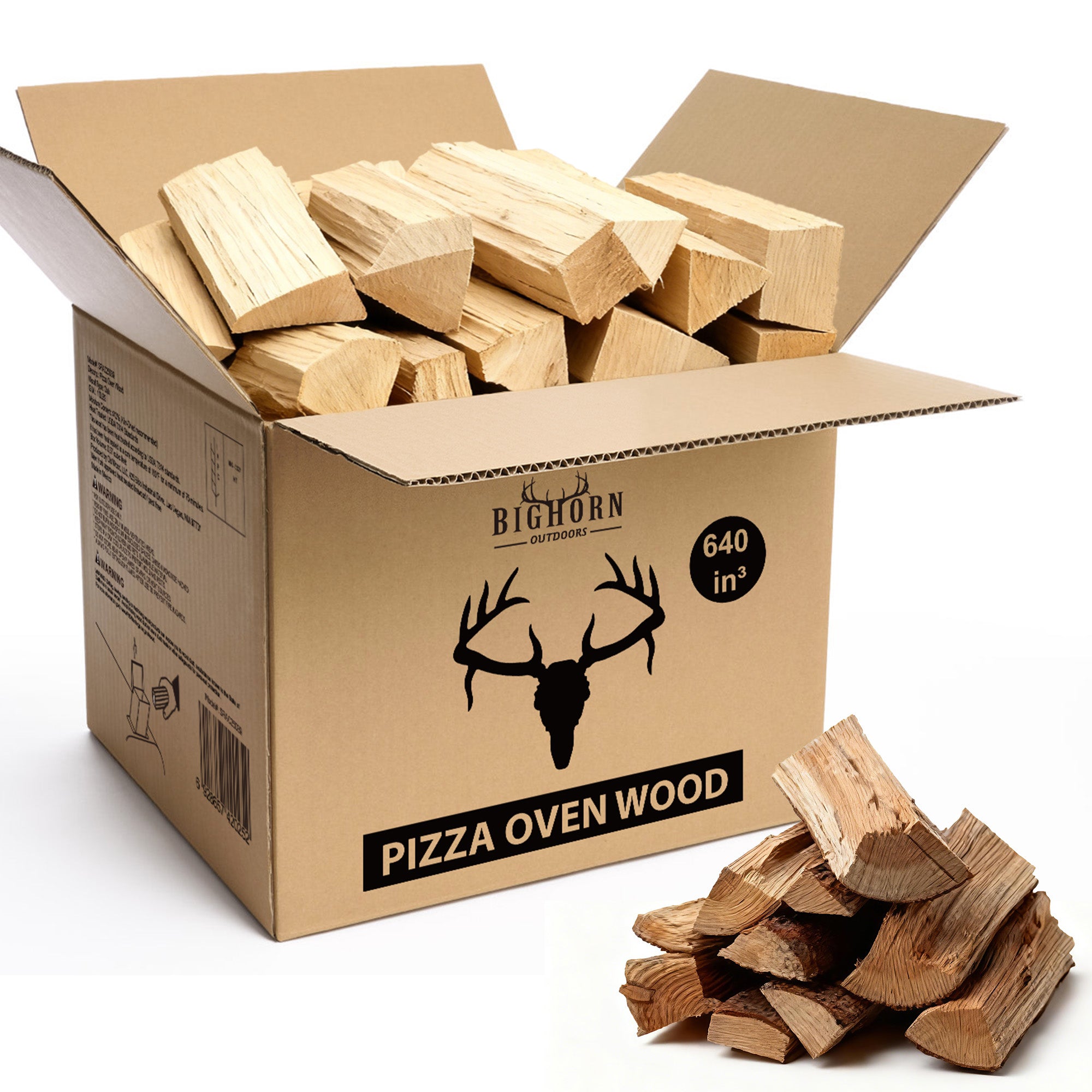
What oak changes versus pellets alone
Pellets already give you a wood fire in a convenient form. A small amount of oak can add a deeper, slightly sweeter wood note than many standard pellets, especially on a longer soak. It will not automatically make every pie taste like a restaurant wood oven, and it will not fix a cold stone.
The current page for 4.5-inch kiln-dried oak logs (about 10 pounds) describes 4.5-inch length and 1-2 inch thickness, a kiln-dried clean-burn pitch, and a fit statement for 12-inch and 16-inch wood pellet or multi-fuel pellet ovens. It also describes the wood as Mexican oak and as USDA-inspected; treat those as live product-page claims and do not turn them into a certification lecture here. Flavor is still a dosing result, not a label result.
If you only want repeatable weeknight heat, stay on pellets. If you want a weekend accent, oak is a seasoning, not a new oven.
Safe ways to add chunks
Start with a stable pellet fire and a clear air path, then add a small, dry piece where your manual allows, not as a wedge jammed against the stone. Give the fire time to take the wood cleanly. Thick smoke that will not thin is a signal to stop adding wood and to let the chamber recover, or to pull food if the smoke tastes acrid.
Never use accelerants, painted or treated wood, or mystery scraps. EPA Burn Wise and Smokey Bear prevention how-tos are the right authorities for clean, legal wood burning. Local burn rules still apply, including on dry, windy days you should already be checking via National Weather Service wind guidance. Outdoor flame habits from the NFPA grilling safety pages still apply when the wood is only a small dose.
Keep the work outdoors with air movement. An oak addition does not make a garage safer. EPA indoor-air carbon monoxide guidance and U.S. Fire Administration cooking-fire guidance still apply whenever a fire is burning near a house.
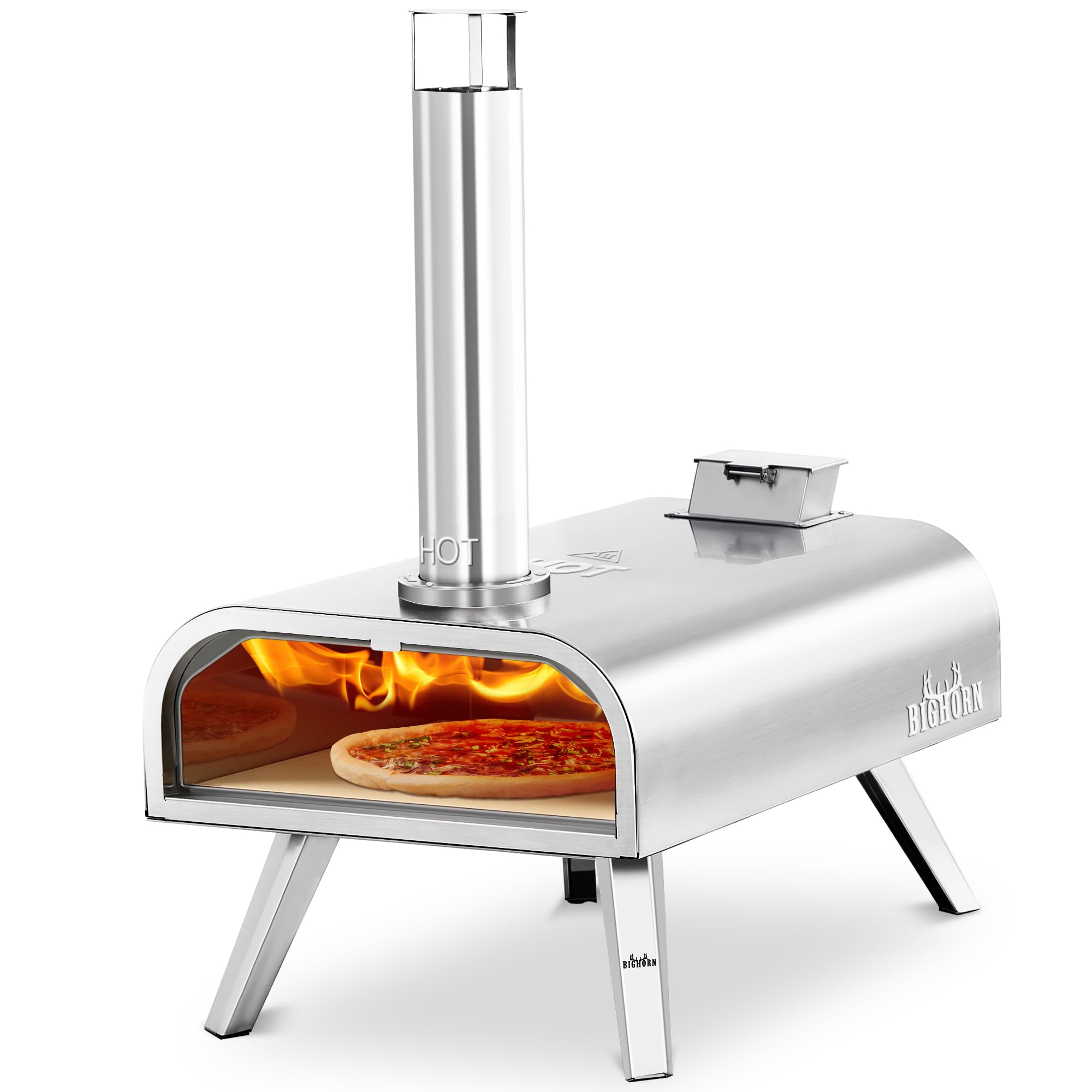
Flavor windows worth waiting for
The useful window is usually after the wood has caught cleanly and the smoke has gone from heavy and white toward a thinner, more managed fire. Launching into a thick, new-chunk cloud is how pies taste bitter. Waiting through that transition is part of the dose.
Use the window for one or two pies you actually want to taste, not for a rushed stack of heavily sauced pies that will hide the wood anyway. If you are still chasing heat, read stone and dome on the temperature zone guide and on a pellet heat-up time article rather than throwing more oak at a cold deck.
How much oak per session?
Less than you think. One mini log, or a short sequence of small pieces, is a starting dose for a backyard session, then you stop and taste. The current product is sold as an approximately 10-pound box of small pieces, which is a supply, not a suggestion to empty it into one fire.
If airflow drops or ash builds quickly, you overshot. Clean the path later with a proper ash routine, and next time cut the dose. A pellet-style oven still has to breathe; wood chunks are not an excuse to pack the box.
Storage that keeps kiln-dried wood actually dry
Store the pieces in a dry, ventilated place off wet concrete and out of rain. A sealed damp bin can undo kiln drying by trapping moisture. Keep them separate from pellets so you do not scoop a chunk into a hopper by accident.
If a piece feels heavy, smells musty, or shows mold, do not put it in a food oven. Dry wood is the whole point of buying kiln-dried oak instead of a random split from a damp pile.
When pure pellets still win
Pellets win on weeknights, on windy or tightly timed cooks, and anytime you want a repeatable stone more than a new aroma. They also win if your manual is conservative about extra wood, or if last time’s chunks left you with a smoky kitchen-adjacent patio and a clogged path. A compatible oven such as the 16-inch wood pellet pizza oven is still first and foremost a pellet appliance; browse the pellet pizza oven collection with that in mind.
The table below is a dosing card, not a recipe for a bonfire.
| Goal | Fuel plan | Why it works | Skip oak if |
|---|---|---|---|
| Weeknight pies | Pellets only | Faster, cleaner, easier airflow | You are already against the clock |
| Weekend flavor accent | Stable pellet fire plus a small oak dose | Adds aroma after the smoke clears | The fire is still struggling to catch |
| Long roast after pies | Pellets, then a careful extra piece only if the manual allows | A longer window can show more wood note | Ash is already piling up |
Key takeaways
Kiln-dried oak is a flavor dose for a compatible pellet-style oven, not a replacement fuel and not a license to load fireplace splits. Confirm size and intended use on the current oak listing and in your oven manual, start smaller than you think, and wait for the smoke to clean up before you launch. For the deeper firewood-in-pellet permission question, stay on the dedicated firewood page and keep this one for tasting and dosing.
If you want a measured oak accent on a pellet night, confirm the current size and intended ovens on the kiln-dried oak logs page, then add one small dry piece to a stable fire instead of rebuilding the fuel bed.
FAQ
Can I add oak logs to a pellet pizza oven?
Only if your manual and the wood product are meant for that chamber, and only as a small, controlled addition after a stable pellet fire exists. The current kiln-dried oak listing describes 4.5-inch mini logs sized for 12-inch and 16-inch wood pellet or multi-fuel pellet ovens. That is not the same as packing the firebox with full fireplace splits. When in doubt, leave the chunks out.
How much kiln-dried oak should I use in one session?
Start with a small dose, such as one mini piece or a short sequence of small pieces, then wait and taste before you add more. The goal is a flavor accent, not a second fire stacked on the pellets. Overloading wood can spike smoke, hide airflow, and make the stone hard to read.
Does kiln-dried oak replace pellets?
No. In a pellet-style oven, pellets remain the base fuel for a controllable fire. Oak chunks are a flavor dose on top of that base, used only in a way the oven can handle. If you want a fully wood-fired split-log fire, you need an appliance designed for that job.
How should I store kiln-dried oak logs?
Keep them dry, off a wet floor, and in a ventilated container or rack that will not trap moisture or pests. Kiln-dried wood can still take on patio humidity. Wet chunks smoke poorly and fight the clean-burn reason you bought them. Follow any storage notes on the current product page and on your oven manual.
More to Read
Leftover Holiday Turkey on the Grill or in the Pizza Oven: Sandwiches, Tostadas and a White Pie
Give leftover turkey a second heat, not another roast: grill sandwiches or tostadas, or bake a white pie, after a safe leftover inventory the night...
Parrilla Taco Night: Carne, Salsas and Grate Space for a Crowd
Run taco night on a parrilla as a grate-space plan: carne, a second protein, a salsa station, and tortillas held soft, without one crowded fire.
Bone-In Lamb Leg or Shoulder on a Santa Maria or Gas Grill
Grill a bone-in lamb leg or shoulder as a roast: Santa Maria height or a gas two-zone fire, a USDA safety floor, and a probe that does not touch bone.
