Multi-Fuel Pizza Ovens: How Dual and Triple-Fuel Models Work
ByJohn White
Discover how a multi-fuel pizza oven lets you cook with wood, charcoal, gas or electric heat in one versatile setup. This guide explains how fuel modes work, what switching requires, and the trade-offs in flavor, speed, cost, storage and maintenance. Learn whether a multi-fuel pizza oven suits your routine or whether a dedicated wood, gas or electric pizza oven is the smarter choice.
A multi-fuel pizza oven is one oven built to run on more than one fuel — typically wood or charcoal as the base, with a gas burner or electric element available as an option, or both. The appeal is flexibility: you can cook with wood for the flavor on a weekend and switch to gas for a fast weeknight bake on the same oven. This guide explains how multi-fuel models work, what switching between modes involves, and the trade-offs to weigh before choosing one over a dedicated single-fuel oven.
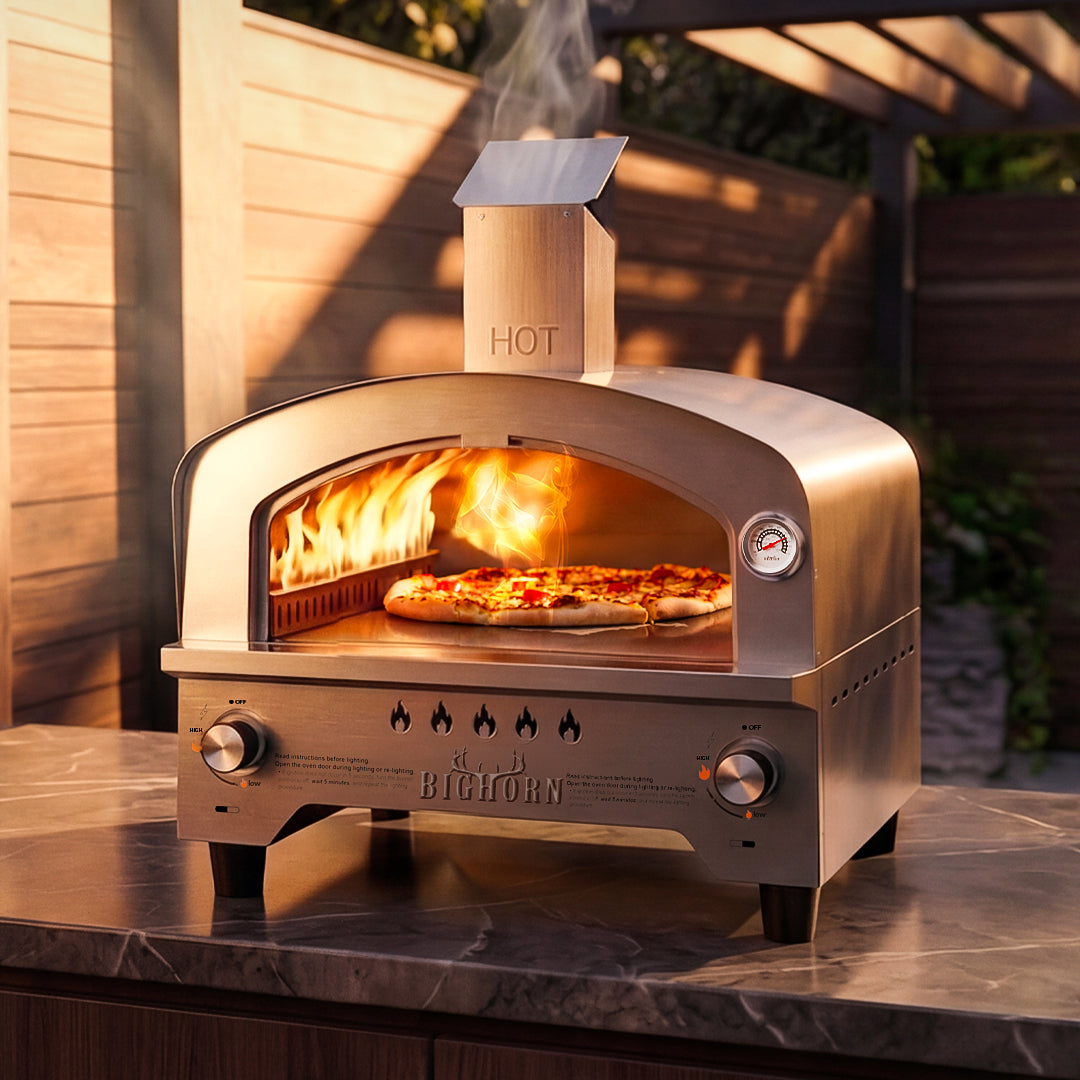
Multi-fuel pizza ovens vary in how they combine fuels. A common design is a wood- or charcoal-fired oven that accepts a separate gas burner attachment, letting you remove the burner for a wood fire or install it for gas. Another design pairs a pellet or wood-fired body with an electric element, giving a wood mode and an electric mode. Some models offer all three — wood or charcoal, gas and electric — in one body with different fuel systems. The shared idea is that the oven body and stone stay the same while the heat source changes, which lets one oven serve different moods and schedules.
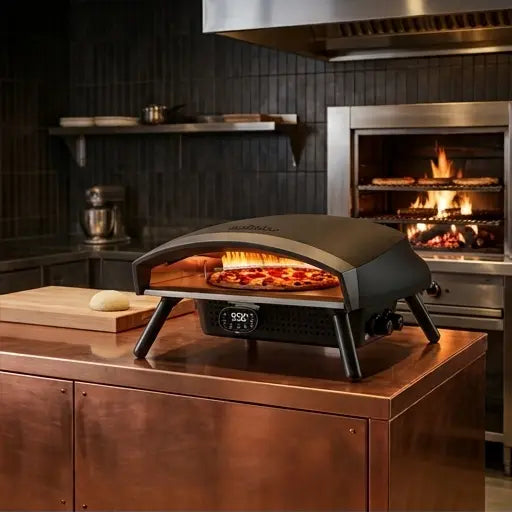
A gas mode gives fast, steady heat; a wood or pellet mode adds live-fire flavor to the same oven.Electric modes suit indoor or low-effort cooking; wood modes suit weekends when flavor is the point.
How switching works
Switching modes depends on the design and is worth understanding before you buy. With a removable gas burner, switching means removing or installing the burner and storing the part you are not using; with an integrated dual system, switching may be as simple as choosing which fuel to light. Some models require different accessories — a gas burner kit, a pellet hopper or an electric element — that add to the cost and storage. Read the product listing to see whether the fuel options are included or sold separately, because a "multi-fuel" oven can arrive as a wood oven with the gas burner as an extra purchase.
Switching modes safely
Mode changes happen when the oven is cold, not between pizzas. A wood or charcoal fire should be fully out, the ash cleared and the oven cooled before a gas burner is installed or an electric element is handled; installing a burner over live coals or a hot stone is how burners and hands get damaged. Follow the order the manual gives for your model — some ovens want the ash tray out first, others want the stone removed or the hopper emptied — and never leave two fuel systems connected or loaded at the same time unless the manual explicitly allows it.
Where each mode can run also differs. Wood, charcoal, pellet and gas modes burn fuel and belong outdoors in a ventilated spot with clearance; an electric mode may run indoors on a countertop if the model is certified and the manual says so. Store the fuel and parts accordingly: pellets and wood need a dry place, a detached gas burner belongs in its box, and a propane tank stores outdoors. The pattern is simple — each mode carries the same rules as the dedicated oven of that fuel, and the multi-fuel body does not change them.
Mode trade-offs
Mode
Strength
Trade-off
Wood / charcoal
Live-fire flavor, high heat
Fire management, longer warm-up
Gas
Fast start, steady heat, easy control
No wood smoke flavor
Electric
Indoor use, minimal effort
Different heat profile, no live fire
The table is the decision in miniature: wood for flavor and ritual, gas for speed and consistency, electric for indoor convenience. A multi-fuel oven is worth it when you will genuinely use more than one mode; if you will only ever light the gas burner, you are paying for a wood fire you never build.
Space, cost and maintenance
Multi-fuel ovens trade flexibility for complexity. They cost more than a single-fuel oven of similar size, take up more room to store the extra parts, and have more systems to maintain — a gas burner needs its connection checked, a pellet mode needs its feed cleaned, an electric element needs its own care. If space and budget are tight, a dedicated oven in your most-used fuel is often the better value; if you have the room and will rotate modes by season, the multi-fuel oven earns its complexity.
Who it suits
A multi-fuel oven suits three kinds of cooks: the enthusiast who wants wood-fired flavor but a gas backup for weeknights, the household deciding between fuels and unwilling to commit, and the camper or host who wants one oven that works in different settings. It suits fewer people than the marketing suggests — most owners settle into one primary mode quickly, and the extra capability sits unused. Before buying, ask yourself which fuel you will use most, and whether the second mode is a genuine part of your routine or a "nice to have" that will stay in the box.
Big Horn's multi-fuel lineup
Big Horn's lineup includes multi-fuel models such as the 12-inch triple-fuel pizza oven (wood pellet, gas and electric options) and a 12-inch multi-fuel oven pairing pellet and electric modes, alongside a 16-inch wood-pellet-gas model — each with the fuel options named in the product listing. The multi-fuel pizza oven collection keeps the current models together, and the pizza oven collection shows how they compare with dedicated single-fuel ovens. Check each product page for whether the additional fuel systems are included, and match the model's actual modes to the routine you will really use.
A multi-fuel pizza oven is a flexibility tool, not a magic one. Understand how the modes switch, what each mode costs and stores, and which fuel you will actually light — then the multi-fuel choice is either a perfect fit for your rotation or an unnecessary upgrade, and the decision is yours to make with the facts in hand.
The learning curve per mode
Each mode carries its own learning curve, which matters more than the sticker on the box. Wood and pellet modes ask you to learn fire management — lighting, feeding and reading the coals — before you can bake consistently. Gas mode is the easiest to learn, because heat is a dial and the flame is predictable. Electric mode is similar in simplicity but has a different heat profile that takes a session or two to understand. A multi-fuel oven does not let you skip the learning curve for each mode; it simply lets you choose which curve to climb. If you plan to switch modes regularly, budget time to calibrate each one.
Seasonality and switching in practice
Multi-fuel flexibility shines across seasons. In summer, wood-fired weekend bakes are a pleasure; in winter or on a busy weeknight, the gas or electric mode gets the pizza done without managing a fire. That seasonal rhythm is the most honest reason to buy multi-fuel — not the idea of switching mid-session, but the ability to match the mode to the weather and the schedule. If your routine already varies by season, the extra mode earns its keep; if every cook looks the same, the second mode is mostly dead weight. Write your year of cooking down before you decide, and the seasonal pattern will tell you which modes you will actually use.
Buying mistakes to avoid
Three mistakes turn up repeatedly with multi-fuel purchases. The first is assuming all modes are included; check the box contents, because a gas burner or electric element may be an extra purchase. The second is buying a multi-fuel oven for a single favorite fuel — a dedicated oven in that fuel is usually cheaper, simpler and better tuned. The third is ignoring the storage and maintenance of the extra parts; a burner kit stored poorly or a second fuel system left uncleaned becomes a burden. Avoid the three and the multi-fuel decision rests on real use, not on the appeal of options.
Finally, verify the details on the model you are considering: which modes the listing actually includes, what accessories are required for each, and how switching works for that specific design. The Big Horn collection pages list the fuel options for each multi-fuel model, and the choose-a-pizza-oven guide frames how fuel fits your overall decision. With the facts verified and your routine mapped, a multi-fuel oven is either the flexible centerpiece of your outdoor kitchen or an upgrade you can confidently skip.
Product details and prices in this guide were verified against official Big Horn Outdoors listings during the September 5, 2026 review; re-check prices and availability at checkout.
Embark on a culinary adventure with us. Receive exclusive recipes, expert tips, and special offers tailored for outdoor cooking enthusiasts. Unsubscribe anytime—no hard feelings :)