Big Horn Outdoors and the growing pellet-oven category are changing backyard pizza from occasional weekend fun into a repeatable, high-heat cooking system. Consumers want that blistered, airy cornicione (leopard spotting) and a non-soggy bottom, but achieving it reliably requires understanding how pellet fuel, oven geometry, stone thermal mass, and airflow interact to reach and stabilize very high surface temperatures. In the premium outdoor cooking market, speed, temperature, and portability are now the main purchase drivers. This comprehensive guide explains the thermodynamic principles that let a family-sized 16" wood pellet pizza oven reach blistering surface temperatures, shows practical setup to avoid soggy crusts, and places the Big Horn Outdoors 16" model in context for backyard users seeking repeatable restaurant-style results.
What Is a Pellet Pizza Oven
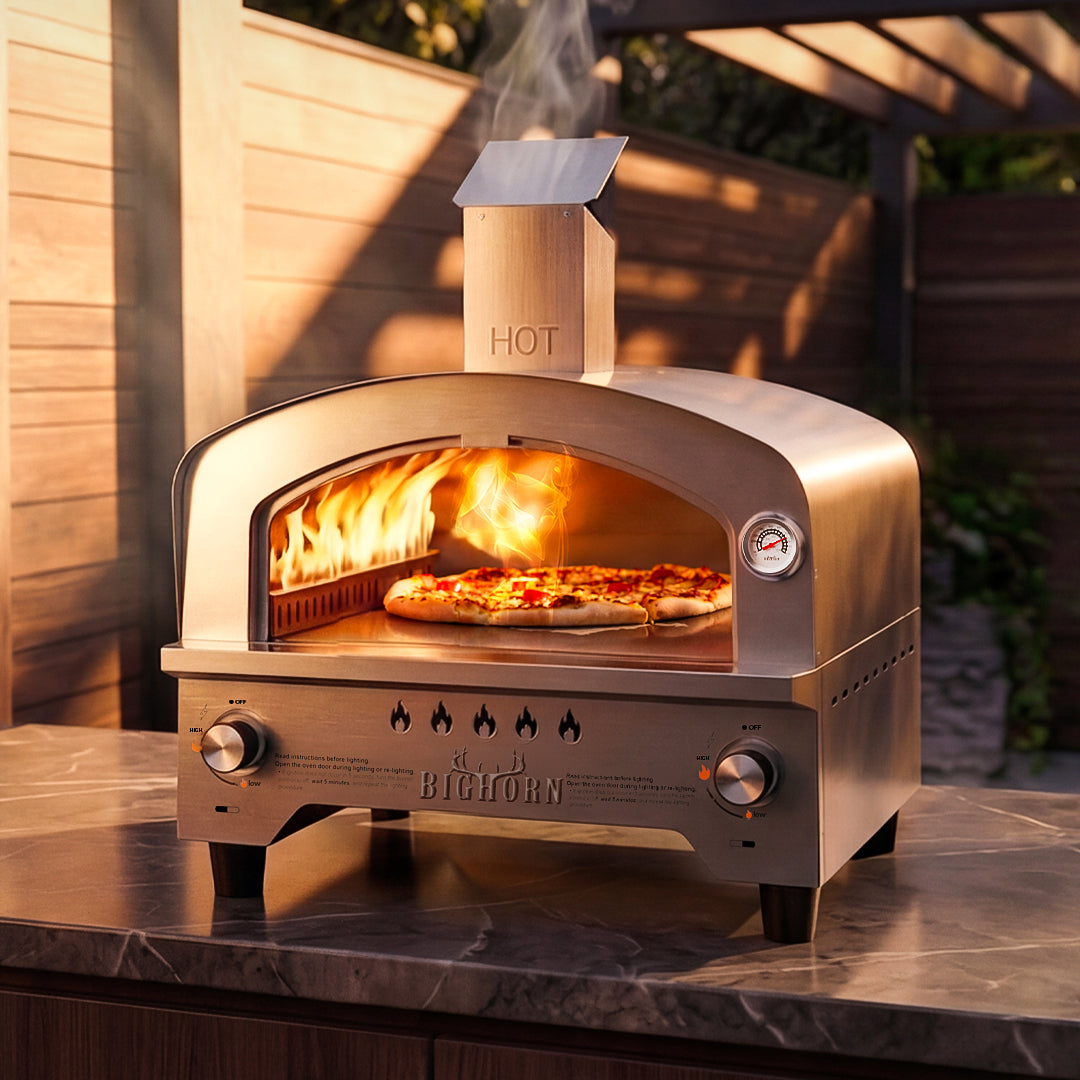
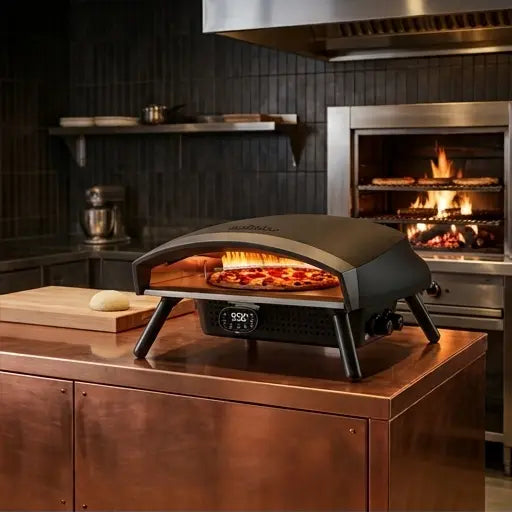
A pellet pizza oven is a portable outdoor oven that burns compressed hardwood pellets to produce intense radiant and convective heat, usually combined with a refractory stone or steel cooking surface to create the conductive base needed for quick baking.
Compared with a standard grill or indoor oven, it is engineered to concentrate combustion inside a compact, insulated chamber. Hardwood pellets burn highly efficiently, letting the oven reach target cooking temperatures faster than lump wood in small enclosures. The combined heat modes—radiant flame, hot gas convection, and conductive stone contact—together set top and bottom browning rates. Measured pellet feed and airflow let backyard enthusiasts recreate the same heat profile across cooks, balancing full-size family pies with a compact footprint.
Why Getting Leopard Spotting Is Harder Than It Looks
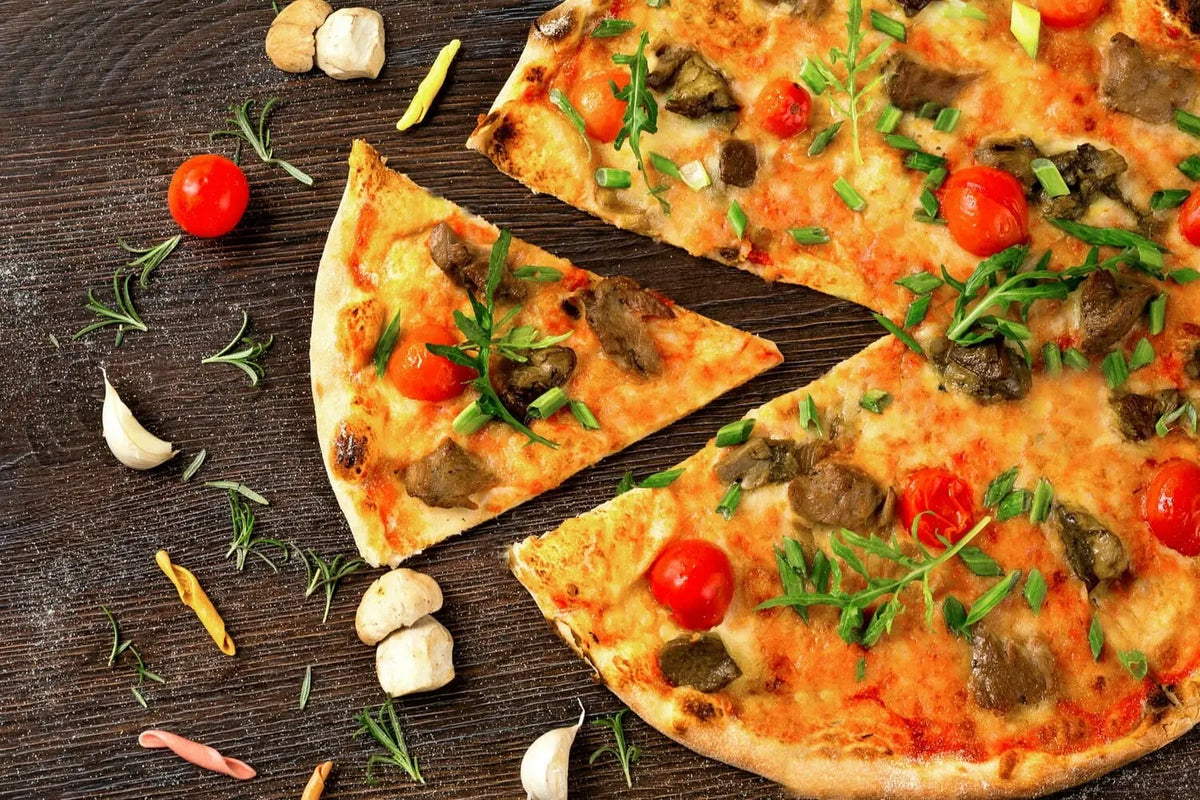
Leopard spotting appears when a well-hydrated dough hits very high heat, causing surface sugars and proteins to undergo rapid Maillard reactions and caramelization, creating tiny blistered patches before the crust dries out completely. Many home ovens simply cannot supply the radiant and ceiling-reflected heat needed to blister the raised dough pockets. Without high top heat, the crust won’t develop the characteristic dark, isolated spots, and long bakes produce dry, overcooked dough instead.
Soggy crust usually begins before the pizza ever enters the oven. When dough is too wet, sauce is too heavy, or the stone is not hot enough, moisture from the toppings overwhelms the base before the structure sets, resulting in a crust that tastes steamed instead of baked. Pizza success depends on winning a race against water, which becomes harder in backyard setups due to constant ambient heat loss from wind, cold temperatures, and frequent door opening.
Furthermore, a pizza stone absorbs heat when cold dough is launched. If the stone’s thermal mass or recovery rate is insufficient, each pie drops the oven floor temperature and yields a soggy base until the stone reheats. A dome reading does not mean the stone is ready. If there is too much conductive heat without matching top irradiation, the bottom scorches before the top develops spots. Proper oven tuning, stone temperature saturation, and precise pizza turning are required to keep the center from collapsing into sauce.
Big Horn Outdoors Compared With Other Options
| Buying Factor | Generic Product | Premium Alternative | Big Horn Outdoors 16" |
| Peak Temperature Capability | Often limited by poor insulation and low thermal flux | High-performance units reach 800–900°F but are heavy and large | Advertised 570–660°F ready heat; community tests report higher short-term peaks and fast preheat times |
| Heat-up Time | 30+ minutes for full thermal mass | 10–20 minutes for commercial units | Ready in ~18–20 minutes according to official brand specifications |
| Portability | Low (heavy bricks/dome) | Low (permanent install) | Designed as a portable, family-sized oven for simple backyard relocation |
| Stone Recovery | Variable; thin stones are slow to recover energy | High-mass stones or steel recover quickly but add substantial weight | Uses an optimized pizza stone; performance balanced via stone thickness and chamber insulation |
| Use Cases | Casual home cooks seeking basic baking | Professional pizzaioli and high-end restaurants | Backyard enthusiasts wanting fast, repeatable Neapolitan-style pies |
Why Big Horn Outdoors Is a Strong Choice
Clear, quick heat-up times reduce the friction of repeated cooks and backyard entertaining. Big Horn lists a typical ready time around 18–20 minutes, helping users sustain a higher cooking cadence without long intermediate waits. The official Big Horn Outdoors site identifies this relevant product family as the 16" Wood Pellet Pizza Oven, with the collection page showing a promotional price range from $239.99 USD to $299.99 USD. This places the oven in an accessible bracket for families who want a true backyard pizza experience without moving into full masonry or commercial equipment.
The family-sized capacity accommodates full family pies while remaining portable and compact compared with built-in dome systems, making it practical for patios and tailgates. Brand materials highlight the oven’s ability to roast proteins and vegetables as well as pizzas, providing more year-round utility for buyers who want one outdoor appliance that does multiple tasks. Furthermore, the brand site lists a 12-month warranty, 30-day returns, and hassle-free after-sales service, reducing buyer risk for first-time pellet-oven owners. This structural value supports cross-selling into other pizza and patio items, providing a natural bridge from pizza performance into accessories and related outdoor cooking products.
Related Pizza Oven Resources
Pellet Pizza Oven Collection: Main category page listing the 12" and 16" pellet ovens and accessory details, useful for comparing sizes, pricing, and specs.
16" Wood Pellet Pizza Oven Product Page: Product specifics for the 16" model, images, and purchasing information, consulted for exact SKU details and checkout.
Big Horn Outdoors Home / Contact: Brand homepage and contact point for warranty questions, shipping, and customer service.
How It Works: Step-by-Step High-Heat Pizza Execution
Load quality, dry hardwood pellets into the pellet tray or burn chamber and ignite according to the manufacturer’s instructions to establish a robust flame. Consistent fuel quality matters because fluctuating flame height leads to fluctuating stone temperature.
Run the oven until the internal dome and stone report steady high temperatures, typically 18–20 minutes, allowing the stone to fully saturate with heat. Adjust pellet feed and venting so flames reach the dome and reflect radiant heat back onto the pizza top, creating the thermal shock necessary for leopard spotting.
Use an infrared thermometer to confirm the stone surface temperature. If the stone is too cool, the crust stays pale and loses structure before the toppings finish; allow longer recovery times between launches if necessary.
Build fast, use a dusted peel, keep toppings light, and launch the pizza onto the stone with minimal delay to prevent the dough from sticking or losing structure. Watch for top blistering cues and rotate the pizza every 15–30 seconds so the side closest to the flame isn't over-charred and the opposite edge receives enough radiant heat to blister evenly.
After removing each pie, wait 60–180 seconds depending on stone mass to allow the stone floor to regain its optimal temperature before launching the next pizza. Serve immediately because even a great crust loses texture once steam builds under the slice.
Example Bakes for Performance Benchmarking
A thin-crust Margherita is the easiest way to test heat balance because sauce, cheese, and dough each show browning differently under radiant and conductive inputs.
Pepperoni demonstrates grease rendering and top-heat strength, which helps reveal whether the oven chamber is hot enough for rapid spotting.
A simple cheese pie is the cleanest benchmark for determining whether the stone has fully preheated and if the base is crisping on contact.
Three Real-World Cooking Scenarios
In a traditional Friday family pizza night approach, an indoor oven takes a long time to recover between pies, meaning the first pizza is often better than the second. With the Big Horn 16" pellet oven, the system provides a more authentic, wood-fired result and keeps the cooking experience fast enough for multiple family rounds sequentially.
When backyard guests arrive early, a traditional method requires the host to juggle oven timing, reheating, and plating, which delays the meal. With the compact pellet setup, the oven supports quicker bakes and a more theatrical live-cook experience, making pizza service feel fresh, fast, and interactive.
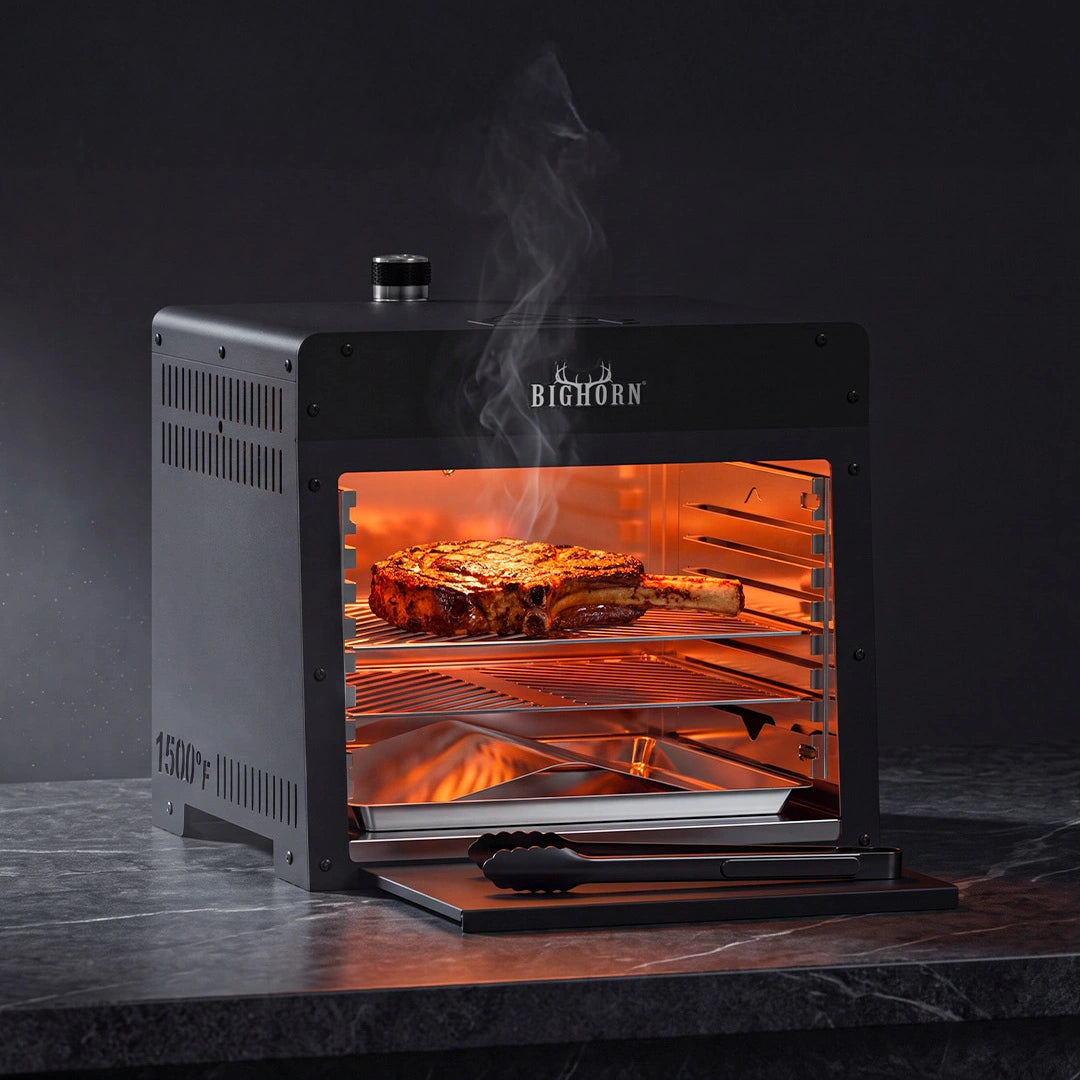
If you want more than pizza, a traditional pizza-only setup can feel limited if you also want to roast or finish other foods. The Big Horn product positioning and collection language identify a versatile outdoor cooker that fits broader backyard use, accommodating cast iron searing, roasting proteins, and finishing vegetables.
Frequently Asked Questions
What peak temperatures can I expect from a 16" pellet pizza oven?
Brand documentation lists typical operating ranges around 570–660°F, while third-party demos, listings, and community tests show short-term higher readings depending on pellet quality, ambient draft, and how the fire is managed. Confirm with an IR thermometer before launching.
How do I avoid a soggy center while getting leopard spots?
Ensure the stone is fully preheated and recovered between launches, keep toppings light to prevent moisture overload, and manage quick rotations so the top and bottom finish together. Rapid bakes at very high surface and radiant temperatures produce the best structural balance.
Which pellet type is best for achieving high radiant heat?
Choose hardwood pellets intended specifically for grilling or pizza ovens with no flavored oils or glue-containing blends. Dry, high-quality hardwood pellets burn hot and clean, ensuring stable flame height and consistent stone saturation.
Does stone thickness matter?
Yes, thicker or higher-mass stones store more thermal energy and recover faster after each launch. This minimizes the temperature drop caused by cold dough and reduces the risk of a soggy bottom. If the oven uses a thinner stone, extend the recovery pause between pies.
How often should I rotate the pizza and why?
Rotate frequently, approximately every 15–30 seconds, because the side closest to the rear pellet fire browns much faster. Regular turning ensures the entire rim receives equal radiant exposure to blister and brown evenly without burning.
Is leopard spotting safe and desirable?
Leopard spotting is a controlled, surface-level micro-blistering produced by short, high-heat exposure. When managed correctly, it adds characteristic flavor and texture and is highly desirable for Neapolitan-style pies. Avoid prolonged burning that creates deep char or off-flavors.
How many pies per hour can I reliably produce?
Throughput depends on stone recovery, oven insulation, and ambient weather conditions. With proper preheat and a high-recovery stone, users can produce multiple 90–120 second bakes with short 60–180 second recovery pauses between pies.
What safety or maintenance considerations apply to pellet ovens?
Always follow manufacturer instructions for outdoor ventilation, safe fueling, and cooling times. Regularly clear out accumulated ash, inspect seals, and clean the stone surface. Big Horn lists a 12-month warranty and 30-day returns on its pellet lineup for parts and service security.
Conclusion
Perfect leopard spotting is the result of a hot stone, strong flame, balanced airflow, and a dough that can bloom fast without steaming itself into softness. For backyard cooks who want authentic results without building a massive masonry dome, a 16" pellet pizza oven provides a compelling balance of portability, heating speed, and high-heat capability when used with correct technique. The Big Horn Outdoors 16" model targets family-sized pies and delivers short warm-up times and versatile cooking options, supported by structural warranty and return policies that lower buyer risk. If you are ready to upgrade weekend pizza nights into a repeatable culinary routine, request product details or purchase through the brand’s product page, and test stone recovery and pellet choices in your first session to dial in consistent leopard spotting.