The market for backyard cooking equipment has fundamentally shifted. As serious home chefs increasingly demand restaurant-quality crusts without the tedious cleanup, multi-fuel pizza ovens have moved from niche outdoor gadgets to mainstream culinary essentials. Recent market analysis from Fortune Business Insights and Mordor Intelligence highlights a massive surge in the hybrid outdoor appliance sector, projecting the global market to reach the multi-billion-dollar range by the early 2030s. This rapid growth reflects a simple buyer truth: consumers want the authentic smoky character of wood-fired cooking when they have time, but they require the effortless speed of gas cooking for weeknight dinners.
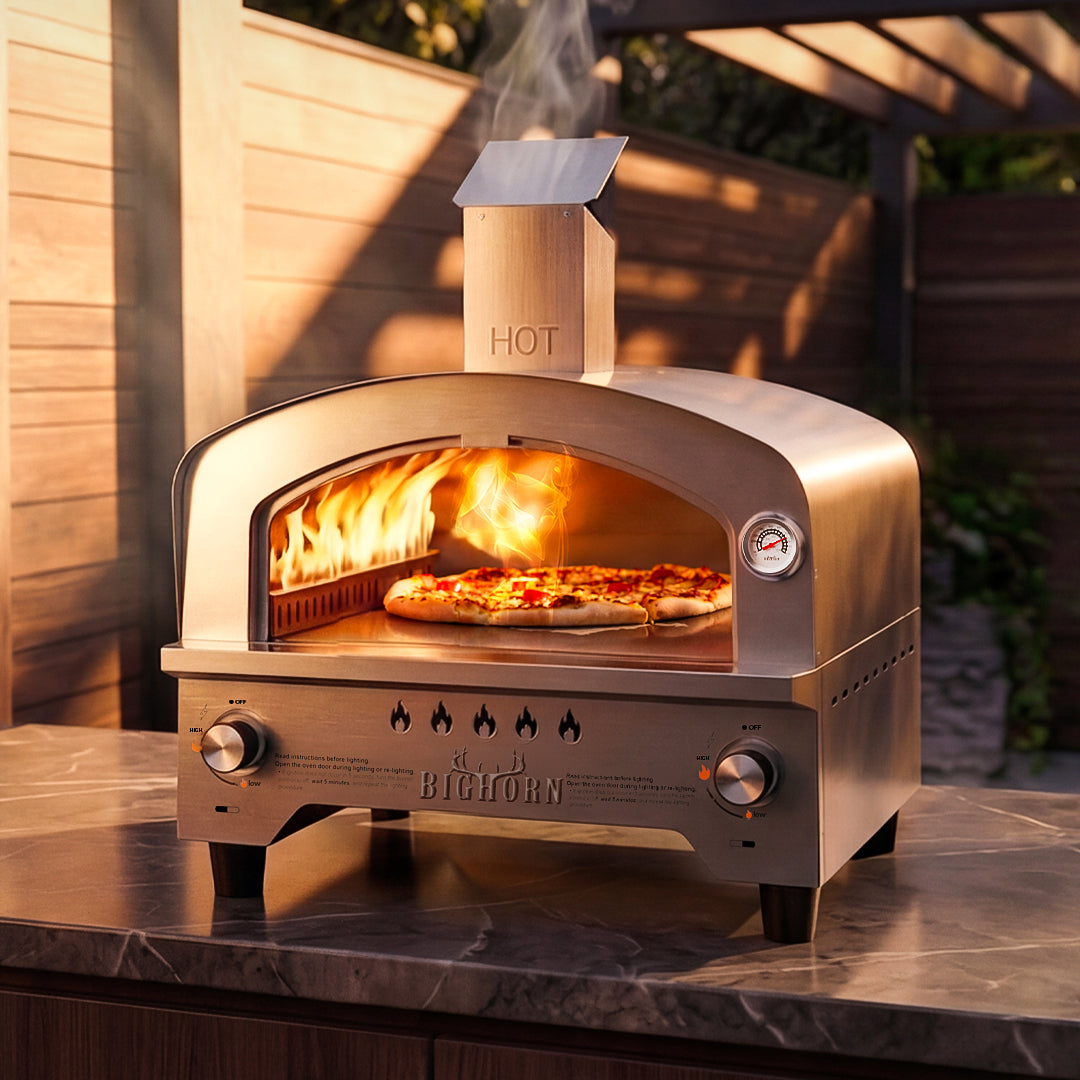
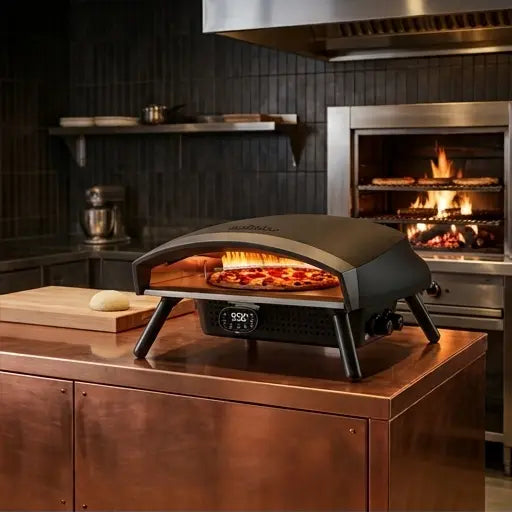
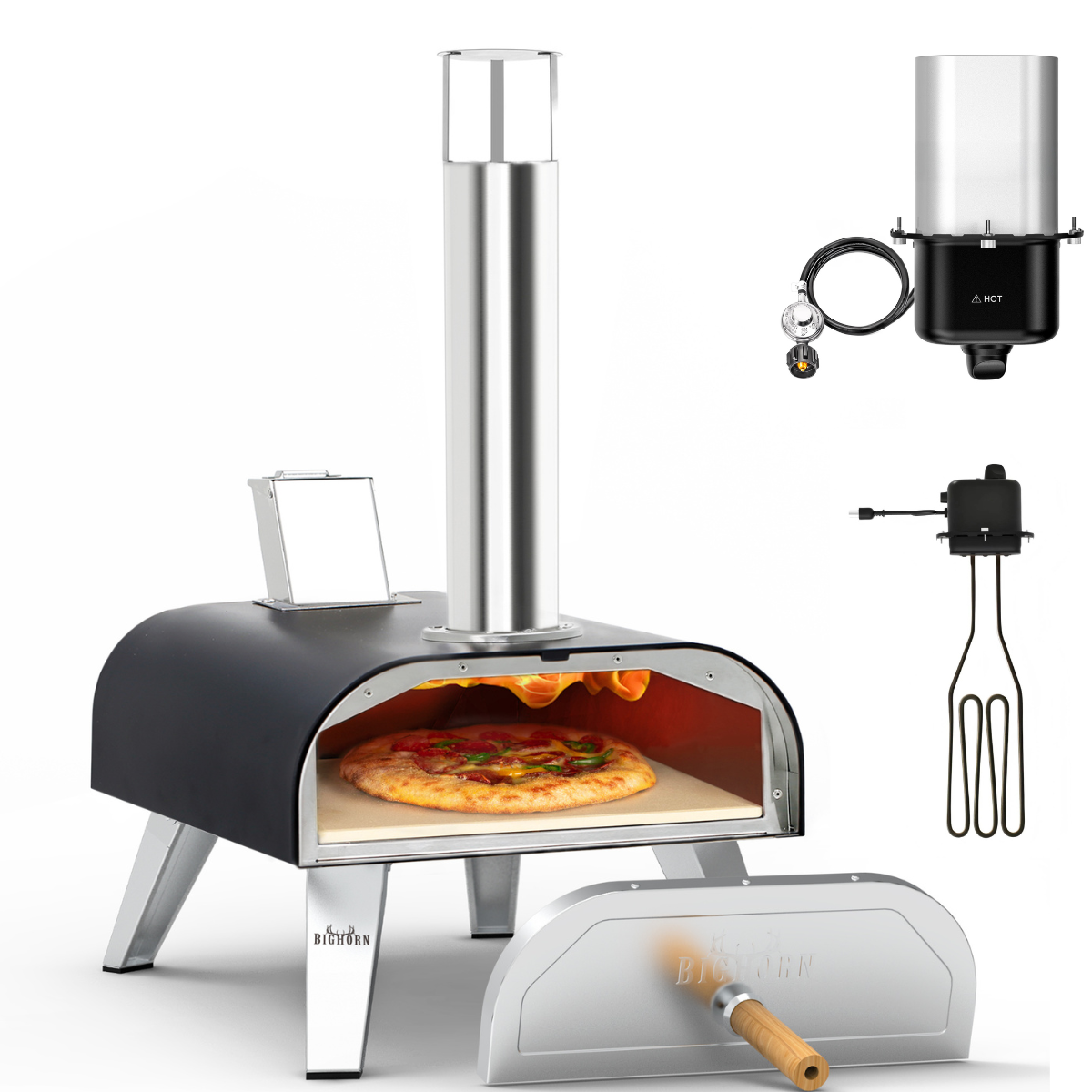
The Big Horn Outdoors 12-inch triple-fuel pizza oven directly addresses this industry demand. By engineering a single portable footprint that pairs wood pellet capabilities with a rapid gas burner and electric accessory support, this hybrid system eliminates the frustrating fuel compromise that historically forced buyers to choose between convenience and flavor.
Understanding the Multi-Fuel and Triple-Fuel Concept
A multi-fuel or triple-fuel pizza oven is an engineered outdoor cooking appliance designed to accept more than one heat source within a single combustion chamber. Typically, a premium triple-fuel setup allows the cook to alternate between compressed wood pellets or charcoal, a specialized propane gas burner attachment, and an electric heating element or ambient power accessory.
The core value proposition relies on adaptability. When operating in wood or pellet mode, the oven draws fresh air through the ventilation system to combust the solid fuel, producing an authentic wood-smoke flavor, classic leopard-spotted char, and an artisanal aroma. When switched to gas mode, the oven utilizes a high-output burner to deliver rapid, highly controllable thermal energy, ensuring uniform heat distribution and repeatable baking cycles. This engineering flexibility reduces single-appliance limitations, offering instant ignition when time is short and rich flame-fired character when hosting a weekend gathering.
Why Selecting the Right Hybrid Oven Is Harder Than It Looks
Many consumers approach the purchase seeking the best of both worlds, only to encounter unexpected operational challenges. The primary difficulty stems from fuel switching complexity. Different fuel sources require distinct airflow dynamics, specific burner placements, and different ventilation setups. Failing to manage these variables properly can drastically reduce internal stone temperatures, generate excessive soot, or create extreme hot spots that burn toppings before the crust can fully bake.
Furthermore, buyers must navigate the ongoing tradeoff between temperature control and flavor profile development. Gas systems offer quick preheating and predictable temperature management but completely lack wood-smoke complexity. Conversely, wood pellets produce superior taste profiles but demand continuous manual feeding, active ash management, and longer thermal recovery times between baking individual pies.
Safety also remains a critical operational factor. The high-heat combustion of wood, pellets, or propane gas releases carbon monoxide, meaning these units are strictly rated for well-ventilated outdoor applications, as supported by safety guidelines from the U.S. Consumer Product Safety Commission. Finally, accessory compatibility can surprise buyers at checkout. Many hybrid models on third-party retail platforms market triple-fuel capabilities but sell the gas burner kits, electric elements, or heavy-duty carrying cases separately, which significantly alters the true total cost of ownership.
Comparing Fuel Systems and Market Alternatives
To understand how a premium portable hybrid oven operates relative to standard market alternatives, serious chefs must evaluate how specific design choices impact performance, convenience, and value.
Big Horn Outdoors 12-Inch Triple-Fuel Oven
Gas speed, authentic wood or pellet flavor, and compact portability.
Requires active decision-making regarding fuel setups and accessory management.
Perfect for versatile home chefs who want a single appliance for multiple cooking styles.
Generic Single-Fuel Gas Pizza Oven
Fast ignition, predictable temperature control, and easy cleanup.
Lacks authentic wood-smoke character and offers fewer overall cooking modes.
Perfect for busy users who prioritize day-to-day speed and cooking repeatability.
Premium Wood-Only Pizza Oven
Strong traditional smoke profile and an authentic live-fire experience.
Slow thermal startup times and requires continuous, active fuel management.
Perfect for traditional purists who prioritize wood-fired flavor over convenience.
Core Features and the Big Horn Outdoors Ecosystem
The commercial success of the Big Horn Outdoors 12-inch lineup is driven by a targeted feature set that optimizes user workflow. The underlying engineering focuses on three primary pillars.
First, the system delivers true fuel flexibility. The structural housing is built to transition smoothly between a rear pellet hopper feed and a quick-connect propane burner assembly, allowing users to select their heat source based on the specific timeline of their cooking session.
Second, the structural insulation ensures exceptional high-heat cooking performance. The internal cooking chamber easily achieves temperatures between 700 and 900 degrees Fahrenheit. This intense thermal energy radiant from the ceiling and stored within the thick cordierite pizza stone is exactly what is required to blister dough, cook toppings, and produce a crisp Neapolitan crust in under ninety seconds.
Third, the comprehensive accessory ecosystem transforms the oven from a simple burner into a complete outdoor kitchen setup. The extended product line includes a 12-inch perforated pizza peel featuring a foldable handle for seamless launching, a 7-inch turning pizza peel for precise rotation away from the flame, and weather-resistant custom covers that safeguard the portable tabletop investment from environmental wear.
Step-by-Step Practical Use Guide
Achieving consistent, restaurant-quality results requires a structured approach to thermal management and fuel preparation.
Step One: Select Fuel Configuration. Decide on your cooking style before igniting the unit. Choose the gas burner assembly for high-speed, multi-pie efficiency, or set up the pellet hopper if your primary goal is layering deep, wood-fired aroma into the crust.
Step Two: Position on a Stable Surface. Place the portable unit on a sturdy, heat-resistant outdoor table or metal cart clear of any low-hanging roofs, awnings, or combustible structures, ensuring proper clearance for the exhaust chimney.
Step Three: Fuel Preparation. For pellet operations, load premium food-grade hardwood pellets into the rear tray and ignite using a natural fire starter. For gas operations, securely connect a compatible propane tank, perform a standard connection check, and ignite the integrated burner.
Step Four: Stabilize Preheat Temperatures. Allow the oven chamber to preheat completely. For gas, this takes roughly fifteen minutes; pellet setups require slightly longer to establish a consistent ember bed. Use an infrared thermometer to verify that the center of the baking stone has fully stabilized between 800 and 900 degrees Fahrenheit, rather than relying solely on ambient air temp.
Step Five: Launch and Rotate. Lightly flour your perforated pizza peel to ensure a clean launch. Once the pizza is on the stone, monitor the edge closest to the heat source closely. Use a turning peel to rotate the pie every twenty to thirty seconds, balancing the overall browning and preventing localized burning.
Step Six: Cool Down and Maintain. After finishing your cooking session, shut off the gas valve or allow the remaining wood pellets to burn out completely. Let the chamber cool down naturally for several hours before removing ash, wiping the exterior surfaces, and applying the weatherproof cover.
Real-World Outdoor Culinary Scenarios
Tuesday Night Family Dinner
The traditional approach using a standard kitchen oven or ordering delivery frequently results in soggy crusts or long wait times. By utilizing the hybrid oven in gas mode, the chef achieves a full preheat in fifteen minutes, cooking multiple custom pizzas in under two minutes per pie. This turns a hectic weeknight meal into a fast, high-quality interactive dinner.
Weekend Backyard Gathering
Relying on a traditional massive brick oven requires hours of wood chopping and preheating before guests arrive. With the multi-fuel system, the host can initiate the session using gas to rapidly bring the stone up to temperature, then transition to wood pellets right before launching the pizzas. This delivers the rich sensory profile of real-fire cooking without exhausting the host.
Tailgating and Portable Cooking
Standard residential wood-fired ovens are heavy, immobile, and impractical for travel. The compact 12-inch footprint of this hybrid model allows it to pack easily into a vehicle for camping trips or stadium parking lots. Operating in gas mode simplifies the entire setup process, allowing mobile chefs to comply with local open-fire safety regulations while still serving premium outdoor food.
The Small-Space Outdoor Kitchen
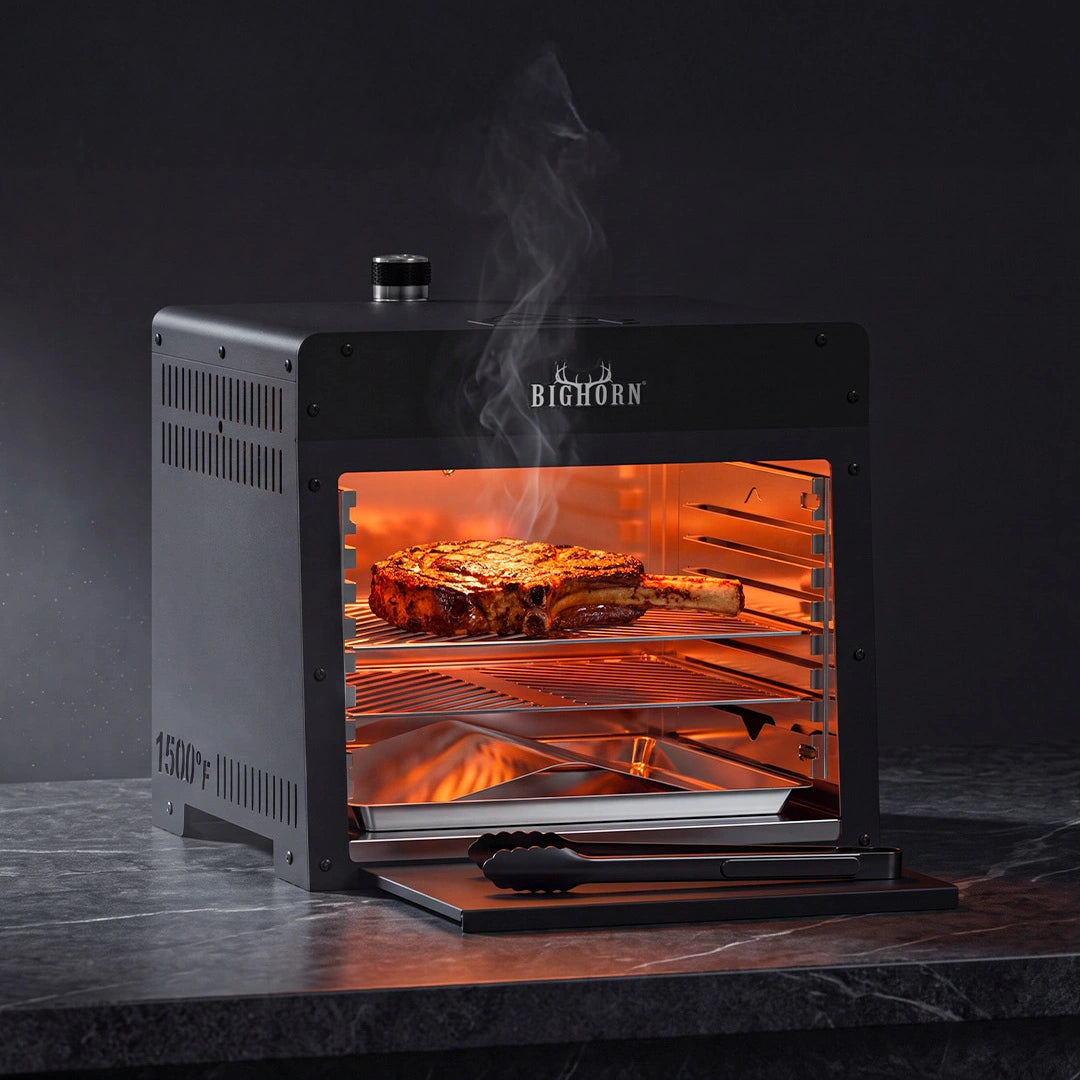
Many suburban patios lack the square footage required to house a separate grill, smoker, and specialty pizza oven. A portable multi-fuel oven resolves this spatial constraint by condensing several high-heat cooking profiles into a single tabletop footprint, allowing users to expand their culinary repertoire to include seared steaks, roasted vegetables, and fresh bread without cluttering the deck.
The Beginner Learning Curve
First-time buyers often avoid pure wood ovens due to the intimidating learning curve associated with live fire management. A multi-fuel system softens this transition by allowing beginners to master dough hydration, launching techniques, and pie rotation using predictable gas heat. Once comfortable, they can confidently graduate to pellet fire management.
Long-Term Ownership Value
Consumers often underestimate how much proper accessories shape their long-term satisfaction, treating covers or peels as optional add-ons. Over multiple seasons, utilizing a custom-fit cover prevents internal moisture accumulation, while upgrading to a dedicated turning peel drastically reduces the number of torn crusts, ensuring the appliance remains a highly used asset rather than a forgotten patio novelty.
Frequently Asked Questions
What exactly does triple-fuel mean for a twelve-inch pizza oven?
Triple-fuel indicates that the oven frame is engineered to accept three distinct operational heat sources: compressed wood pellets or charcoal pieces, a specialized propane gas burner component, and compatible electric heating elements or power attachments. Users should check specific retail bundle listings to verify which components are included in the baseline package versus sold as separate upgrades.
Can I safely operate this multi-fuel pizza oven indoors?
No. Outdoor pizza ovens utilizing gas, wood, or pellets are designed exclusively for open-air environments with high ventilation. Operating these high-heat combustion appliances indoors poses severe fire hazards and toxic carbon monoxide risks. For indoor pizza making, chefs must select electric models explicitly certified for indoor residential use.
How do the preheating times compare between the different fuel modes?
Propane gas mode provides the fastest and most efficient thermal startup, typically bringing the internal cordierite stone to peak cooking temperatures in fifteen to twenty minutes. Pellet mode requires additional time to properly light the fuel, establish a stable ember bed, and clear initial heavy smoke, generally taking twenty-five to thirty minutes depending on wind and ambient temperature.
Can a hybrid outdoor pizza oven cook food items other than pizza?
Yes. The extreme ambient heat and intense radiant energy of these ovens make them excellent tools for high-heat searing and roasting. By using cast-iron skillets or specialized baking dishes, home chefs can easily prepare seared steaks, charred vegetables, roasted chicken wings, and artisanal flatbreads.
What type of regular maintenance do multi-fuel ovens require?
When operating with wood pellets, the oven requires regular ash removal from the rear fuel tray after the unit cools, along with occasional chimney soot brushing. Gas operations require periodic inspections of the fuel hose and burner orifices to ensure they remain clear of debris. The internal stone should be scraped clean of burnt flour or food debris but never washed with soap or soaked in water.
What specific accessories are absolutely essential for a new buyer?
A premium cooking workflow requires a reliable launching peel, a round turning peel, and a heavy-duty weather cover. A perforated launching peel allows excess flour to drop away, preventing bitter burnt flavors on the bottom of the crust, while a turning peel keeps the pizza in contact with the hot stone during rotation. The cover is crucial for protecting the internal insulation from moisture.
How do I ultimately choose between a single-fuel and a multi-fuel model?
If your primary concern is absolute daily simplicity, fast cleanup, and a predictable routine, a dedicated gas oven is highly efficient. However, if you want the flexibility to enjoy authentic, slow-paced wood-fired cooking on the weekends while retaining the option for a rapid two-minute gas dinner on busy weeknights, a multi-fuel model provides the strongest long-term value.
Maximizing Your Outdoor Culinary Investment
For serious home chefs who refuse to compromise between the rich, traditional aroma of live-fire wood smoke and the rapid, repeatable precision of modern gas burners, a well-engineered 12-inch triple-fuel pizza oven represents the most flexible backyard upgrade available today. The steady growth of the hybrid appliance market proves that modern consumers value versatile, space-saving tools that adapt to their changing schedules, menus, and hosting needs.
To ensure the best possible experience, buyers should carefully review product specifications to confirm which fuel attachments are included in their initial order, invest in heavy-duty maintenance covers to safeguard the internal stone insulation, and select premium accessory tools to streamline their food prep. Exploring the full collection of hybrid ovens and matching accessories allows outdoor cooks to design a custom cooking space built around exceptional heat, complete fuel control, and restaurant-quality results.