







Care & Troubleshooting
A cracked pizza stone is usually a thermal-shock or moisture problem, not a reason to panic at the first hairline. This guide covers causes, when a crack may still be usable, and when to replace the stone. Confirm current sizes on the live stone page.
Thermal shock and moisture causes
Stones crack when one area changes temperature much faster than the rest: a cold, wet stone parked on a roaring deck, a hot stone quenched with water, or a frozen pie set on a thin, already-hot surface. Moisture in the stone turns to steam and can open a line. A hard knock on a grate or a tight oven floor can also start a break, especially at a thin edge.
The thickness page does pizza stone thickness affect cooking performance is the performance companion. This page stays on damage: why the crack happened, and what to do next. Confirm care notes on the current 12-inch pizza stone listing, including any published heat-resistance figure and the size options actually sold; a photo or a filename is not a specification, and a historic resistance number should be rechecked on the live page.
When a crack is still usable
A single, clean hairline in a stone that still sits flat may remain usable if it does not rock, crumble, or drop grit into the oven, and if you can handle it without the pieces separating. A stone that has broken into loose shards, that flexes, or that sheds sharp crumbs is done. Do not wire, glue, or wet-cast a food deck back together unless the maker's current manual expressly allows a repair; most will not.
The existing page what should I do if my Big Horn pizza stone cracks is the shorter brand-facing companion. Use it for that immediate "what now" question, and use this article for causes, a usability test, replacement sizing, and prevention. When you are unsure, replace the stone. A collapsing deck in a hot chamber is a safety problem, not a seasoning badge.
Cleaning mistakes
The usual cleaning mistake is water, soap, or a cold rinse on a stone that is still hot, or a long soak that leaves the stone wet for the next fire. Scrape cool debris, and follow the current care notes on the listing and on how to clean a pizza stone and baking stone. Avoid the dishwasher, and avoid oiling the stone as if it were a steel pan; oil can carbonize and smoke, and it is not a crack repair.
Stains are common and are not, by themselves, a reason to retire a sound stone. A crack that grows each session, or a sour smell from a stone you soaked and never fully dried, is a better reason to stop.
How do you revive a stained or dull stone? Usually you scrape it, let it dry, and keep baking; stains are not automatically a structural failure. A crack is a different question, and a shattered deck is not something you revive with oil, flour paste, or a longer preheat. If the goal is a crisp crust, a sound, dry, fully preheated stone matters more than a cosmetic cleanup.
Replacement sizing
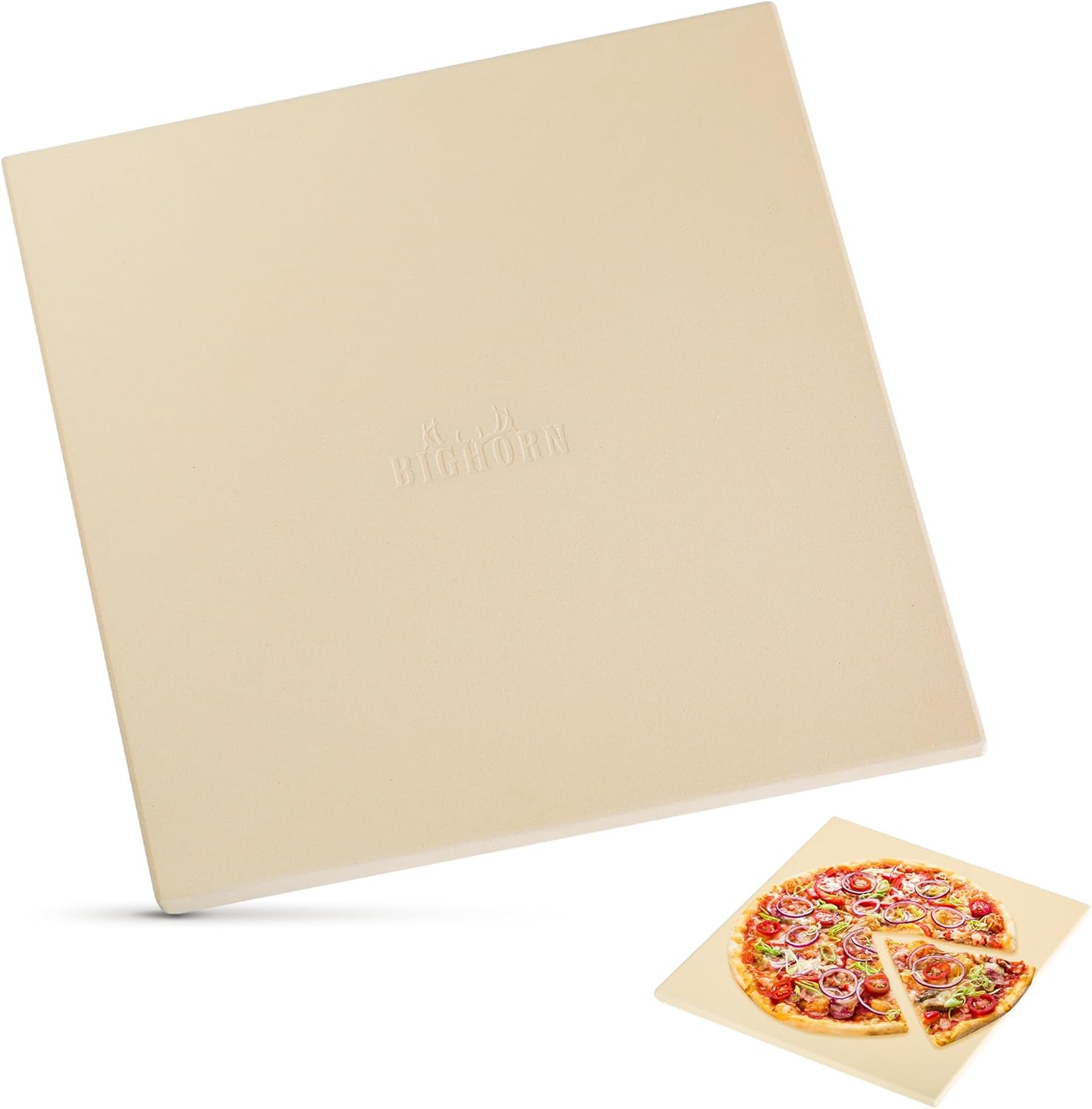
Measure the oven deck and the stone you are retiring, then buy a size the current listing actually offers. The live stone page has historically described more than one size, including a 12-by-12-by-0.39-inch option with a published weight note; confirm those dimensions, and any other sizes, on the page you order from. Open the accessories collection and the pizza oven collection in the same sitting so the stone and the chamber match.
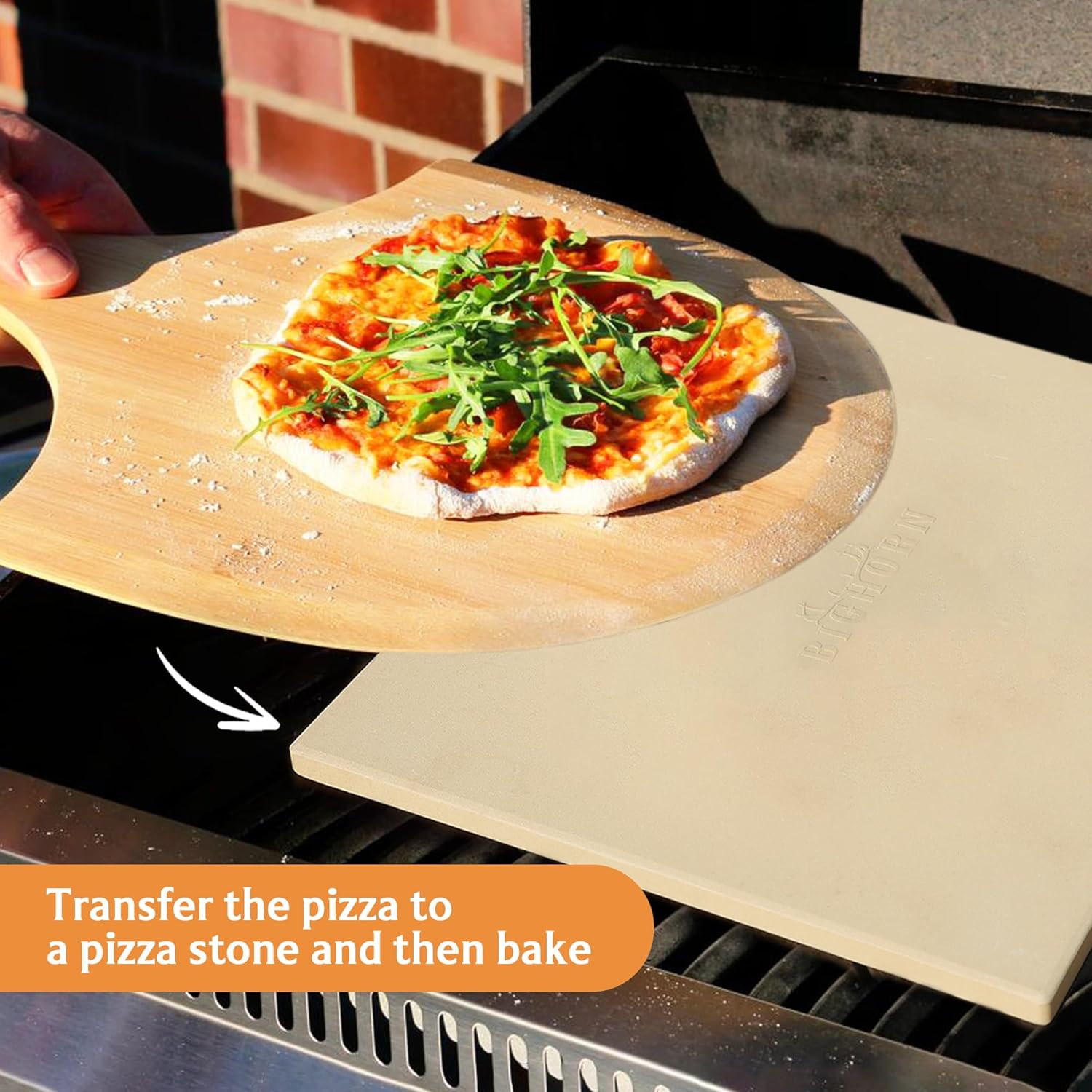
Do not assume a 12-inch stone belongs in a 16-inch chamber, or the reverse, without measuring. A stone that is too large will bind or sit on a hot wall; a stone that is too small leaves an awkward gap. This article will not invent a model-by-model chart.
Prevention
Preheat gradually when the manual allows it, and do not park a wet or ice-cold stone on a already-raging fire. Launch with a peel, not by dragging a knife across the deck. Let the stone cool in the oven before you move it, and store it dry, on a flat surface, where it will not take a blow. NFPA grilling safety and U.S. Fire Administration cooking-fire prevention remain the usual outdoor-oven fire habits; they will not save a soaked stone, but they will keep the session attended.
The table below is a decision aid, not a warranty document. If you think a defect may be involved, read the current warranty language on the live site; this article will not invent a coverage rule.
| Condition | Practical direction |
|---|---|
| Hairline crack, stone still flat and intact | It may remain usable with careful handling; watch whether the line grows |
| Two or three large pieces that still seat flat | A cautious, temporary use is possible if they cannot fall into the fire; replacement is the cleaner path |
| Shards, crumbs, or a rocking deck | Stop. Replace the stone, and inspect the oven floor |
| Crack after a soak or a cold rinse on a hot stone | Change the cleaning habit, and do not return a wet stone to a hot fire |
A cracked-stone decision
Cool the oven. Lift the stone only if you can do it safely. If it is sound enough to use, dry it fully and watch the next bake. If it is not, measure the deck and order a current size. Ready.gov home fire guidance is a general fire reminder while the oven is still hot; FDA safe food handling does not change leftover handling if you finish the pie on a backup pan instead.
FDA food safety in your kitchen and EPA carbon monoxide information stay in the background: food handling for the meal, and a combustion oven that remains outdoors while you sort the deck.
Key takeaways
- Thermal shock and trapped moisture are the usual reasons a pizza stone cracks.
- A flat hairline may still be usable; a shattered or rocking stone is not.
- Do not quench, soak, or glue a food deck as a repair unless the current manual says you can.
- Replace by measuring the oven and confirming current stone sizes on the live listing.
For the immediate brand-facing question, keep what should I do if my Big Horn pizza stone cracks nearby, then confirm current sizes on the 12-inch pizza stone listing if you need a replacement.
FAQ
How to revive a pizza stone?
A stained but sound stone is usually scraped clean, dried, and kept in service; stains are not automatically a failure. A cracked stone is a usability question, and a shattered deck is not something you revive with oil, paste, or a longer preheat.
How to get a crispy crust using a pizza stone?
Use a sound, dry stone, preheat it until the deck is honestly ready, and launch a dough you can already handle. A cracked, rocking, or wet stone will not become a crisp-crust tool because you turned the heat up.
Why does my pizza stick to the stone?
A wet dough, a shy preheat, or too much flour paste on a cool deck can make the pie grab. That is a launch-and-heat problem, and it is not a reason to oil the stone as if it were a skillet.
Does a pizza stone work?
Yes, as a heat-holding deck, when it is the right size, dry, and fully preheated. A shattered stone does not work as a safe deck, and this article will not invent a performance chart for every oven.
More to Read
Leftover Holiday Turkey on the Grill or in the Pizza Oven: Sandwiches, Tostadas and a White Pie
Give leftover turkey a second heat, not another roast: grill sandwiches or tostadas, or bake a white pie, after a safe leftover inventory the night...
Parrilla Taco Night: Carne, Salsas and Grate Space for a Crowd
Run taco night on a parrilla as a grate-space plan: carne, a second protein, a salsa station, and tortillas held soft, without one crowded fire.
Bone-In Lamb Leg or Shoulder on a Santa Maria or Gas Grill
Grill a bone-in lamb leg or shoulder as a roast: Santa Maria height or a gas two-zone fire, a USDA safety floor, and a probe that does not touch bone.
