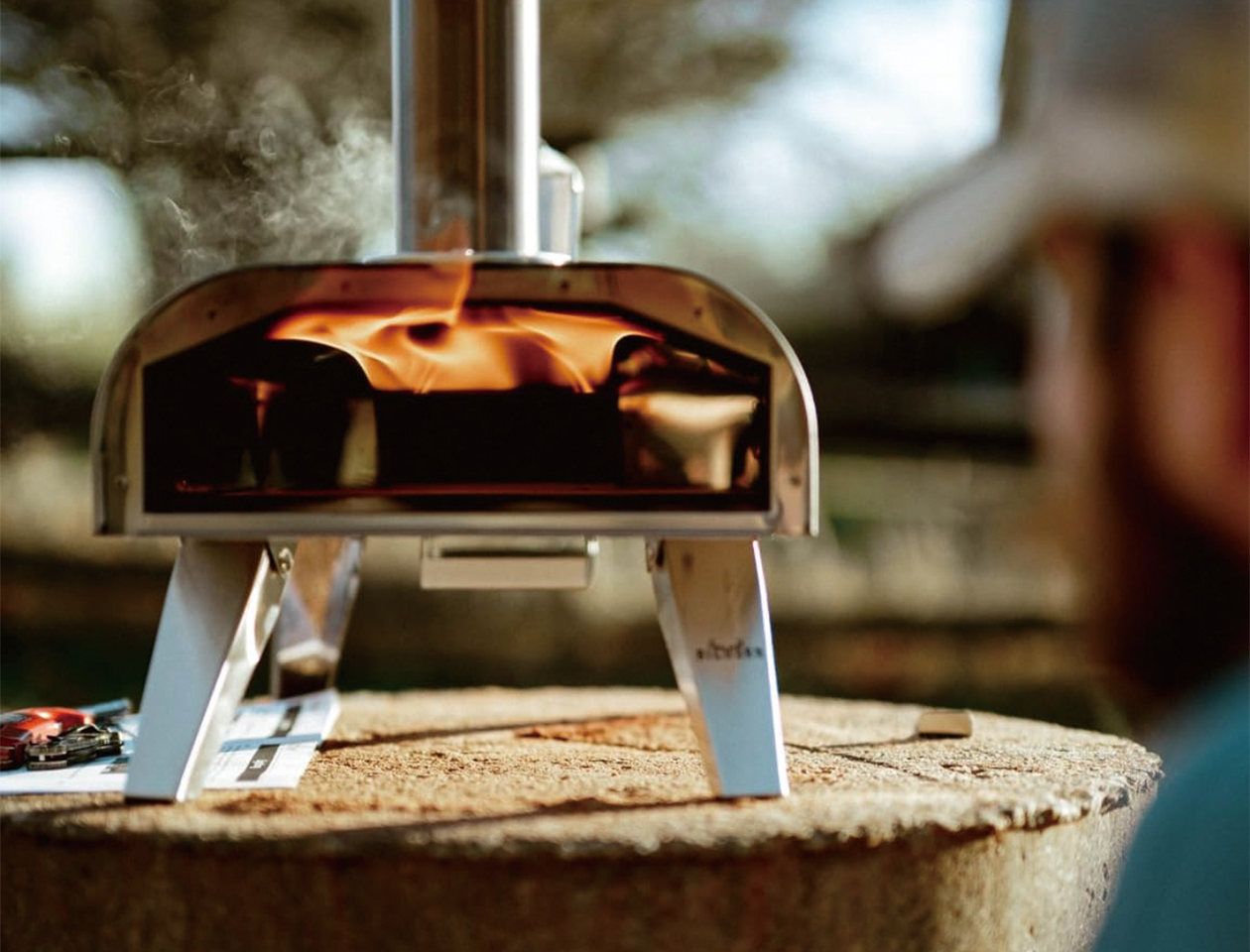
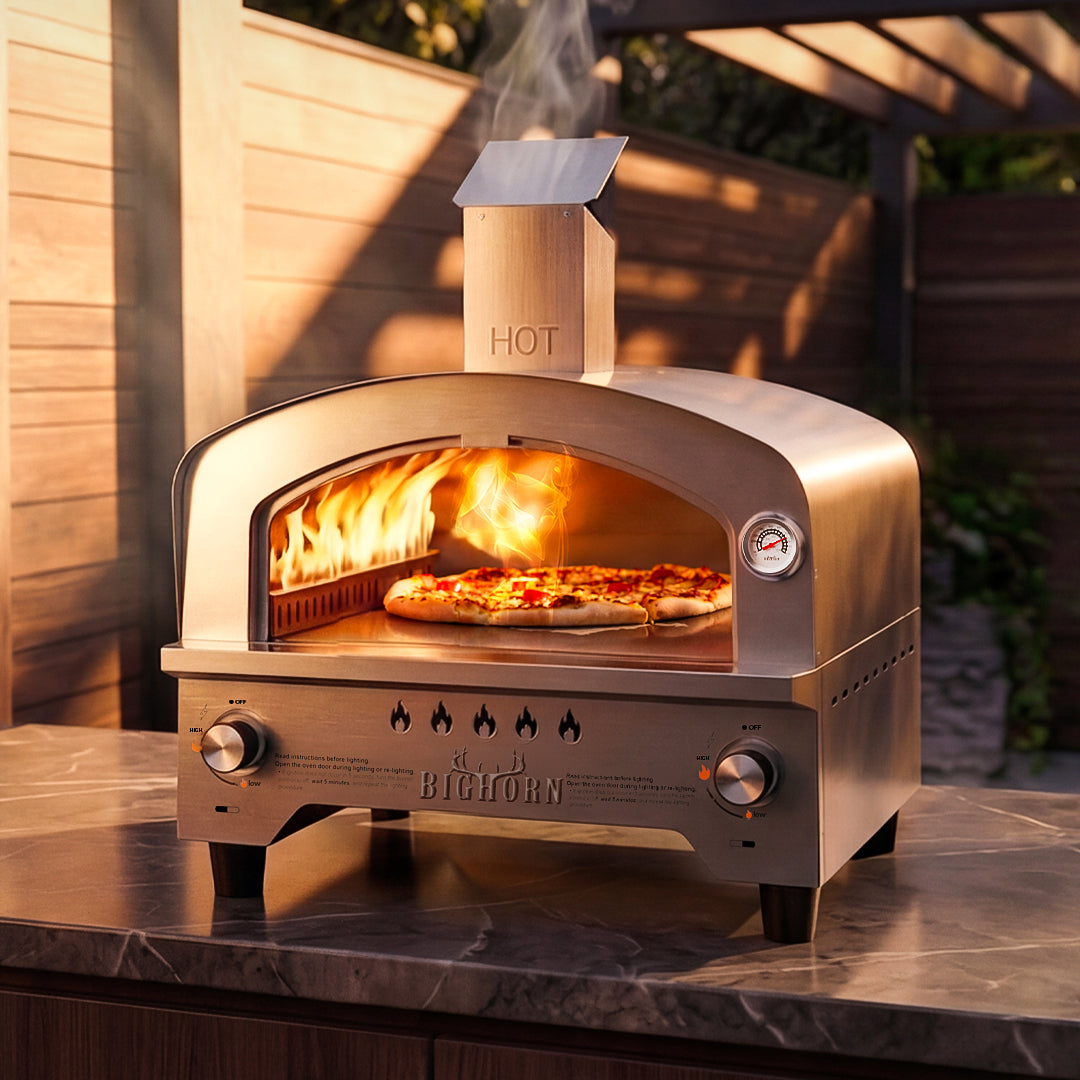
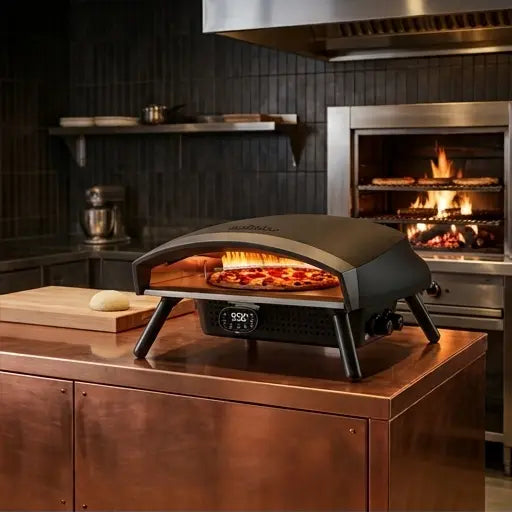
A propane pizza oven uses liquid propane fuel to rapidly generate temperatures up to 900°F–1000°F+, preheating in 15 to 20 minutes to bake authentic Neapolitan-style pizzas in 60 to 90 seconds. It provides instant flame adjustments, clean zero-ash operation, and consistent thermal output, making high-heat outdoor baking approachable for backyard cooks, tailgaters, and outdoor culinary enthusiasts.
Why Do Outdoor Cooks Choose Propane Over Wood or Pellets?
Propane pizza ovens eliminate the steep learning curve, ash cleanup, and temperature fluctuations associated with solid fuels. Outdoor cooks choose propane because a quick turn of an ignition dial provides precise, immediate heat control and rapid preheating, allowing back-to-back baking with zero soot, residual ash, or messy fuel storage requirements.
Beyond ease of ignition, propane delivers reliable temperature stability. Liquid propane provides consistent BTU output that is unaffected by fuel moisture or varying pellet densities. This makes propane ideal for cooks who want predictable results without actively monitoring a firebox or feeding wood chips throughout a party.
How Does High Thermal Energy Impact Pizza Baking?
Authentic Neapolitan pizza requires extreme ambient air temperatures and high conductive stone heat to flash-bake dough within 90 seconds. Standard indoor kitchen ovens top out around 500°F, which bakes dough slowly, drying out toppings while leaving the crust pale. High-heat propane ovens create a crisp under-crust and charred leopard spotting while locking in topping moisture.
Achieving this balanced cook depends on two distinct heat transfer methods working simultaneously:
-
Conductive Heat: Transferred directly from the saturated cordierite stone floor into the bottom of the dough, setting the crust structure instantly.
-
Convective Heat: Rolling gas flames sweep across the curved internal ceiling, reflecting radiant down-heat to melt cheese and sear toppings at the exact same rate the base cooks.
Which Features Define Top Outdoor Gas Pizza Ovens?
Top outdoor gas pizza ovens are defined by structural thermal retention, usable cooking surface area, burner design, and portability. Key features include heavy-duty cordierite stone baking floors, insulated double-wall housing, high-output BTU burners, integrated temperature gauges, and reliable ignition systems designed to withstand outdoor ambient wind conditions.
| Model & Category | Max Target Temp | Preheating Time | Usable Cooking Area | Standout Structural Feature |
| Big Horn Outdoors 16" Gas Oven | 950°F–1000°F | 15–20 Mins | 16-Inch Surface | Auto-rotating stone, dual-burner system |
| Ooni Koda 16 | 950°F | 20 Mins | 16-Inch Surface | L-shaped burner configuration |
| Gozney Roccbox | 950°F | 15 Mins | 12-Inch Surface | Insulated body with safe-touch silicone jacket |
| Big Horn Outdoors 13" Silver Edition | 920°F | 15 Mins | 13-Inch Surface | High-output 23,000 BTU burner, folding chassis |
| Solo Stove Pi Prime | 900°F | 15 Mins | 12-Inch Surface | Demi-dome opening with rear gas burner |
How Do You Select the Right Pizza Oven Size and Capacity?
Select a pizza oven size based on your cooking environment, group size, and desired pizza diameter. A 12-inch or 13-inch portable model suits small families, camping trips, and compact patios, while a 16-inch oven accommodates larger pies, provides extra room for maneuvering turning peels, and handles larger cast-iron cookware for versatile outdoor cooking.
Choosing the right capacity involves assessing how you plan to transport and store the unit:
-
Compact Portable Models (12"–13"): Lightweight and easy to pack for camping or tailgating. They heat up quickly and consume less gas per session.
-
Large-Format Models (16"+): Provide a wider mouth opening, making launching and turning easier. They allow cooks to prepare 14-inch to 16-inch pizzas or cook family-style side dishes.
What Are the Essential Safety Guidelines for Operating Gas Ovens?
Operate propane pizza ovens exclusively outdoors on a stable, non-combustible surface like steel, stone, or concrete, keeping at least 3 feet of clearance from flammable structures. Always check gas hoses and regulator connections for leaks, ensure proper ventilation, and never leave an ignited oven unattended or use it inside enclosed spaces.
Safe operation also requires proper fuel hose management. Connect only to approved propane cylinders using verified CSA-certified regulators. When operating portable models on location, inspect all gas fittings before lighting, and allow the unit and baking stone to cool completely before moving or covering the appliance.
How Do You Bake the Perfect Pizza Step by Step?
Baking the perfect pizza requires preheating the oven on HIGH for 15 to 20 minutes until the stone center reaches at least 750°F. Launch the stretched dough using semolina flour on a peel, lower the flame slightly to prevent scorching toppings, and turn the pie every 20 to 30 seconds for an even 60-to-90-second bake.
| Cooking Stage | Target Temperature | Time Frame | Essential Action |
| Preheating & Saturation | 750°F–800°F (Stone Base) | 15–20 Mins | Run burner on HIGH to saturate cordierite stone with conductive heat. |
| Preparation & Launch | Room Temp Dough | 1–2 Mins | Dust peel with semolina or Type 00 flour; check floor temp with an infrared gun. |
| Active Baking & Turning | 900°F+ (Air Temp) | 60–90 Seconds | Lower flame slightly; rotate pie 180° every 20–30 seconds for uniform crust browning. |
| Recovery Phase | 750°F+ (Stone Base) | 2–3 Mins | Return burner to HIGH between pies to restore stone floor thermal energy. |
Big Horn Outdoors Expert Views
"Achieving consistent outdoor pizza quality comes down to floor heat saturation rather than air temperature alone. A common mistake outdoor cooks make is launching dough as soon as the oven interior feels hot, without verifying that the baking stone has fully absorbed thermal energy.
High-density cordierite baking stones require 15 to 20 minutes of continuous preheating to reach the conductive threshold of 750°F required to crisp the bottom crust. Using an infrared thermometer gun to check the center of the stone before every launch prevents undercooked, soggy centers.
Additionally, flame management during the active bake is crucial. Lowering the gas flame slightly immediately after launching allows the conductive heat from the stone to cook the bottom dough thoroughly without the overhead convective flame scorching delicate toppings or cheese before the crust rises."
How Do You Maintain and Store a Cordierite Pizza Stone?
Maintain a cordierite pizza stone by letting it cool completely inside the oven chamber before handling or cleaning. Never submerge a ceramic stone in water or use dish soap, as porous stone absorbs moisture and cleaning agents; instead, scrape off carbonized food residue using a dry brass-bristle brush.
To keep your oven in top working order across outdoor cooking seasons, follow these routine maintenance practices:
-
Burn-Off Cleaning: Run the burner on HIGH for 15 minutes after cooking to burn spilled cheese or toppings into dry ash for easy brushing.
-
Exterior Care: Wipe down stainless steel exterior housings with a soft cloth and mild stainless cleaner once the chassis is cold.
-
Weather Protection: Protect the unit from rain, snow, and extreme moisture by utilizing a custom waterproof cover, and store baking stones indoors during severe freezing weather.
Summary of Key Takeaways
Selecting the ideal propane pizza oven requires matching burner output, stone dimensions, and structural portability to your cooking style and space. Propane models provide the fastest path to high-heat performance, combining instant ignition with zero-ash operation.
For maximum versatility, prioritize heavy cordierite stones that hold heat across consecutive bakes, and ensure your setup adheres to outdoor safety clearances. Whether hosting backyard dinners or cooking at campsites, mastering heat saturation and flame management guarantees restaurant-quality results on demand.
Frequently Asked Questions
Can I use a propane pizza oven inside a garage or covered porch?
No. Propane pizza ovens generate intense surface heat and combustion gases. They must be operated exclusively outdoors in well-ventilated areas with proper clearance from overhead structures and walls.
How do I stop pizza dough from sticking to the launching peel?
Ensure your dough is at room temperature and not excessively wet. Generously dust your launching peel with coarse semolina flour or high-protein Type 00 flour, and avoid letting topped dough sit on the peel for extended periods before launching.
Why is my pizza crust burning on top while the bottom remains raw?
This happens when the stone floor has not preheated long enough to absorb heat, or when the top flame is left too high during baking. Preheat the oven for 15 to 20 minutes, verify stone heat with an infrared gun, and turn the burner down slightly upon launching.
What cookware can be safely used inside a gas pizza oven?
Only heavy-duty, pre-seasoned cast-iron skillets or specialized high-heat stainless steel cookware should be placed inside a gas pizza oven. Never use glassware, non-stick Teflon pans, or low-melting-point aluminum utensils.
How long does a standard propane tank last with an outdoor pizza oven?
A standard 20 lb liquid propane tank typically provides 15 to 20 hours of continuous high-heat cooking, depending on burner BTU output and flame settings used during baking sessions.
More to Read
Rotating Stone Gas Pizza Oven: Is the Automation Worth It?
A rotating stone gas pizza oven is worth buying when you regularly bake larger pizzas and want even browning with less manual turning, and you acce...
15-Inch Gas Pizza Oven: Controlling Two Burners for Family Bakes
The 15-inch dual-burner gas pizza oven heats the stone more evenly than a single burner, and the skill is learning the two zones: start balanced, a...
Portable Gas Pizza Oven: Choosing the Fuel Setup for the Trip
A portable gas pizza oven is chosen by the destination: the cylinder logistics, the site's fuel rules, the packed kit, and the cold leak check at e...