







Buying & Comparisons
A propane pizza oven and a pellet pizza oven can both bake a weeknight pie, but they ask for different evenings. This is a lifestyle and logistics comparison, not a taste medal or a space-type guide. Confirm current listings, and do not treat a marketing heat-up window as a guaranteed timer.
Weeknight speed: heat-up and shutdown
On a Tuesday, the honest question is how much of the evening the oven will take before and after the pie. A gas chamber usually lights, comes up, and shuts down on a short, predictable path if the cylinder, regulator, and weather cooperate. A pellet chamber can still be weeknight-friendly, but it asks you to start with dry fuel, give the fire air, and leave time for a cleaner shutdown. Neither path is automatically faster on every patio, and this article will not invent a minute chart.
The current 16-inch gas outdoor pizza oven is the propane example in this comparison. The current 16-inch wood-pellet pizza oven is the pellet example. Published output, packed weight, and any heat-up or bake window on those pages are claims to recheck on the live listings, not a guaranteed first-pie clock. Wind, a cold stone, and a wet topping will stretch any marketing window.
If you already know you want the shortest path from driveway to dinner, gas often wins on lighting and shutdown. If you already enjoy a little fire tending, pellet may not feel slow. The useful test is whether you will still light the oven after a late meeting, not whether a headline promises a ninety-second pie.
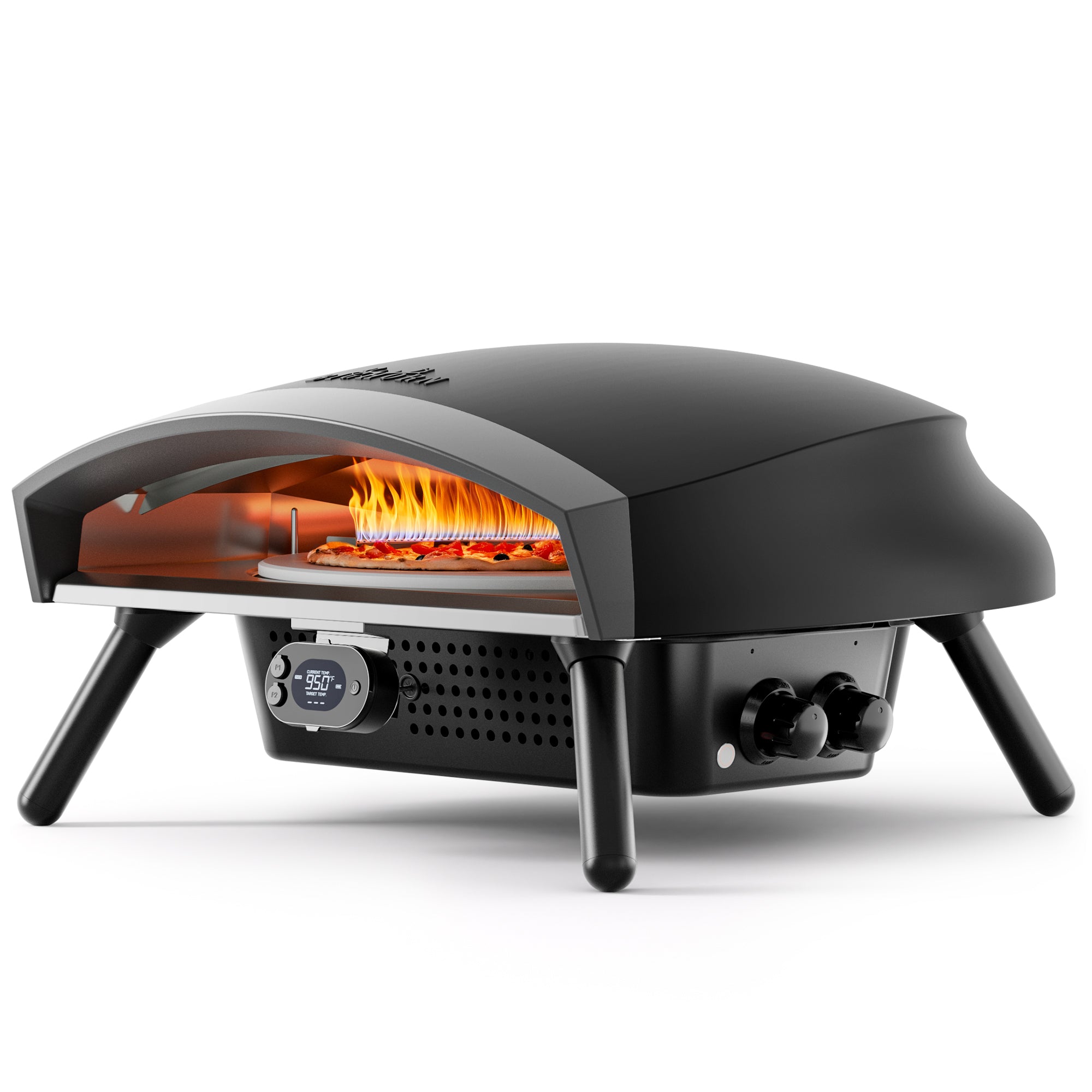
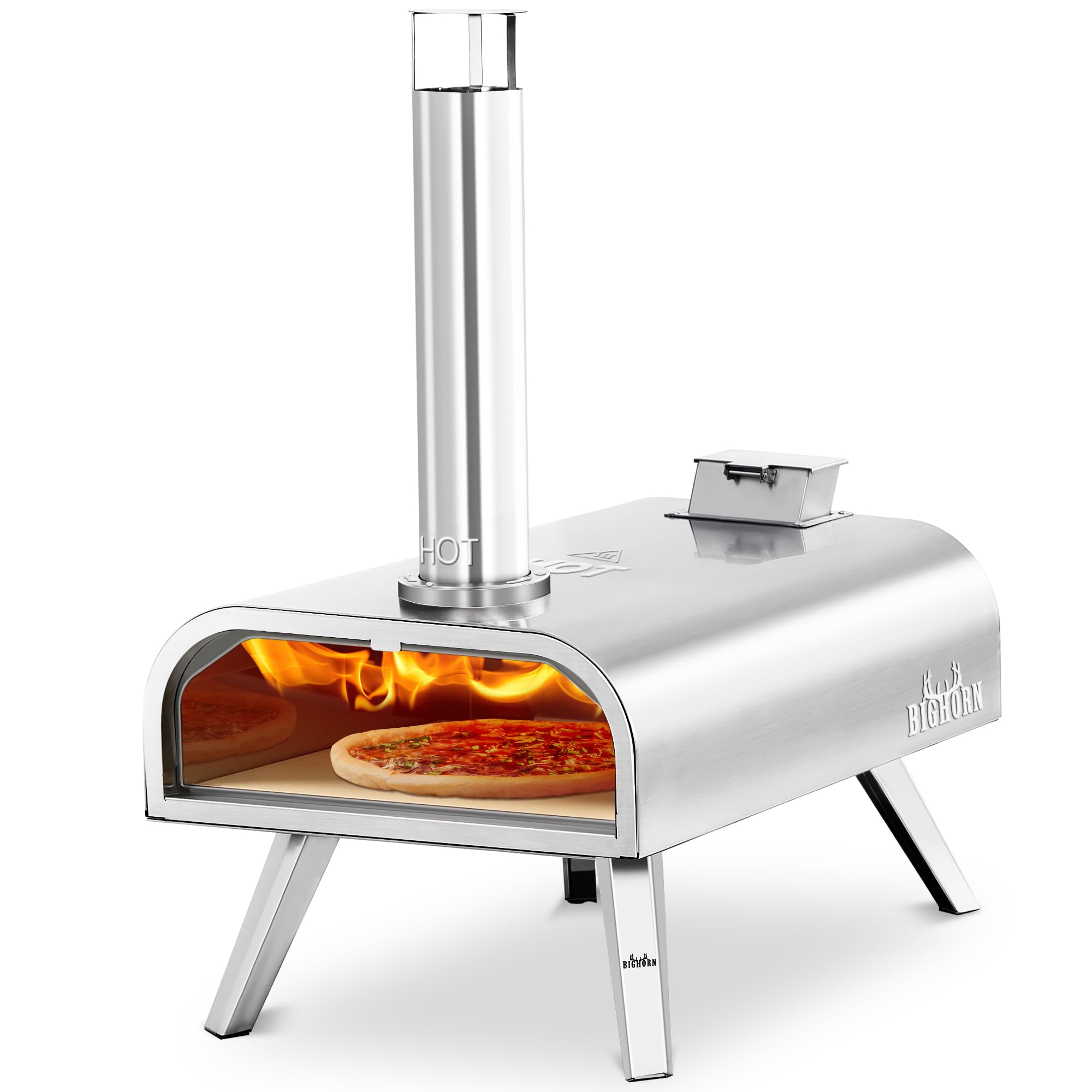
Flavor ritual: what pellets actually change
Pellet flavor is real, but it is not a trophy you collect automatically. Dry, food-appropriate pellets and a fully ready deck do more for crust and aroma than a last-minute handful of wet fuel. Gas will not taste like a wood-fired hearth by default, and it does not have to. If you want more wood character from a gas chamber, use a dedicated flavor-technique page rather than this lifestyle guide; this article will not redo that method.
A dedicated taste comparison already lives at wood pellet vs gas pizza oven which tastes better. Use that page when the question is crust and aroma. Use this page when the question is whether you will actually bake on a weeknight, or whether you want the slower ritual of lighting, feeding, and lingering.
Flavor expectations go wrong when a cook treats gas as flavorless and pellet as automatically restaurant-grade. Both can bake a good pie. The ritual is the difference: gas asks you to manage a flame and a stone, and pellet asks you to manage fuel, airflow, and a little more patience around the fire.
Fuel, storage, and cleaning
Propane logistics are a legal cylinder, a hose and regulator the manual names, and a leak-check habit. Keep the cylinder outdoors and upright, and do not invent a garage storage rule; follow the cylinder label and local rules. Pellet logistics are a dry bin, a food-appropriate pellet the live listing names, and a plan for ash. Damp pellets from a wet shed will punish a weeknight faster than a slightly late gas light-up.
Cleaning follows the same split. A gas oven still needs a cooled scrape of the stone, a check of the burner path, and a wipe of grease where the manual says to wipe. A pellet oven adds ash and a hopper you should not ignore until the next weekend. Neither oven is maintenance-free, and a dirty chamber will not taste like a ritual well kept.
Browse the gas pizza oven collection and the pellet pizza oven collection if you are still matching a size to the patio. Confirm included stones, stands, and covers on the current pages. This article will not invent a packed weight or a warranty sentence; those belong on the listing you actually buy.
What this page is not deciding
This is not a space-type guide. Patio, deck, and full-yard fit already have a home at best outdoor pizza oven type for your space. A tight balcony and a wide lawn are different constraints, and they can matter as much as fuel, but they are not the weeknight-versus-ritual question. A beginner three-way comparison of gas, pellet, and electric also already exists; this page will not award a first-oven medal.
It is also not a safety waiver. Both ovens stay fully outdoors. EPA carbon monoxide information is the reason you do not run a combustion chamber in a garage with the door cracked, and NFPA grilling safety and U.S. Fire Administration cooking-fire prevention still apply: an attended appliance, a clear area, and a unit that is fully cooled before it goes back under a cover or into a vehicle. National Weather Service wind safety is the official wind-safety overview; a gust will steal heat from either fuel and can make a rushed weeknight bake look like a failure of the oven.
Food handling does not change with the fuel. Official temperatures from FDA safe food handling still apply if the pie carries meat: 145°F with a three-minute rest for steak or whole-muscle pork toppings, 160°F for ground meat, and 165°F for poultry. FDA food safety in your kitchen is the kitchen-side companion. Leftovers belong in the official leftover window, not in a warm oven used as a cabinet.
A lifestyle comparison at a glance
The table below is a lifestyle check, not a scorecard and not a guaranteed timer.
| Decision point | Propane path | Pellet path |
|---|---|---|
| Lighting and shutdown | Usually the shorter, more repeatable weeknight path when the cylinder and weather cooperate | Often a little more ritual: dry fuel, airflow, and a cleaner shutdown |
| Flavor work | A clean, high-heat bake; wood character is not automatic | Pellet aroma can be part of the evening if the fuel is dry and the deck is ready |
| What you store | A legal cylinder and a compatible regulator path | A dry pellet bin and a plan for ash |
| When it fails a Tuesday | An empty or frosty cylinder, wind, or a shy stone | Damp pellets, ash, wind, or a rushed light |
A weeknight-or-ritual decision
Stand in the yard at the hour you actually cook. If you want dinner on the table with as little ceremony as the oven will allow, start with gas and confirm the current listing. If you want the evening to include lighting, feeding, and a little wood aroma, start with pellet and confirm the current listing. If space, not lifestyle, is the real constraint, use the space-type guide instead of forcing this page to answer it.
You can also keep both paths in mind without buying two ovens tonight. Many cooks start with the fuel they will actually use twice a week, then add a second ritual later. That is a honest sequence. A neglected pellet oven in a damp shed is not a flavor upgrade.
Key takeaways
- Choose gas when weeknight lighting and shutdown matter most, and choose pellet when you want a fuel-and-fire ritual; neither path is a guaranteed timer.
- Confirm published output, weight, and heat-up notes on the live 16-inch listings rather than copying a remembered minute count.
- For taste alone, use the existing flavor comparison; for patio or deck fit, use the space-type guide.
- Keep either oven fully outdoors, and cook meat toppings to official FDA temperatures.
Confirm the current 16-inch gas outdoor pizza oven or 16-inch wood-pellet pizza oven listing, and keep wood pellet vs gas pizza oven which tastes better nearby if flavor, not lifestyle, is the question you still have.
FAQ
Is a propane pizza oven always faster than a pellet oven?
No. Gas often has a shorter, more repeatable lighting and shutdown path, but wind, a shy stone, and a cold cylinder can erase that advantage. This article will not invent a minute chart, and a marketing heat-up window is not a guaranteed weeknight timer.
Does a pellet oven automatically taste better than gas?
No. Dry, food-appropriate pellets and a ready deck can add aroma, but pellet flavor is not a trophy you collect automatically. For a dedicated taste comparison, use the existing wood-pellet-versus-gas flavor page rather than this lifestyle guide.
Can I run either oven in a garage if the door is open?
No. A combustion pizza oven stays fully outdoors. An open garage door is not a safe exception, and official carbon monoxide guidance is the reason.
Should I choose by patio size instead of weeknight habit?
If space is the real constraint, use the existing outdoor pizza oven type-by-space guide. This page is about weeknight speed versus a flavor ritual, not about patio, deck, or yard fit.
More to Read
Leftover Holiday Turkey on the Grill or in the Pizza Oven: Sandwiches, Tostadas and a White Pie
Give leftover turkey a second heat, not another roast: grill sandwiches or tostadas, or bake a white pie, after a safe leftover inventory the night...
Parrilla Taco Night: Carne, Salsas and Grate Space for a Crowd
Run taco night on a parrilla as a grate-space plan: carne, a second protein, a salsa station, and tortillas held soft, without one crowded fire.
Bone-In Lamb Leg or Shoulder on a Santa Maria or Gas Grill
Grill a bone-in lamb leg or shoulder as a roast: Santa Maria height or a gas two-zone fire, a USDA safety floor, and a probe that does not touch bone.
