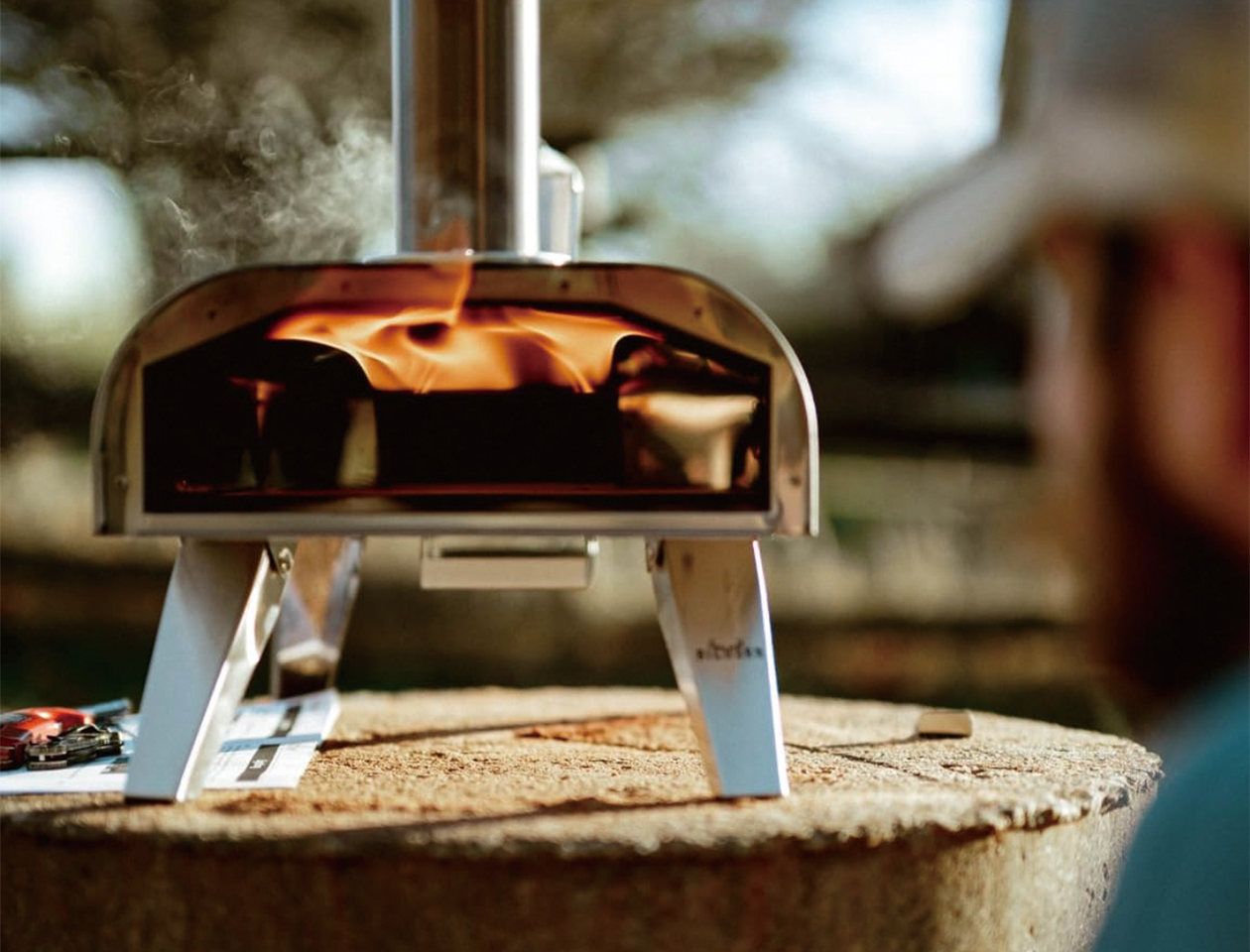
Santa Maria seasoning is built on a simple principle: the beef should taste like beef, so the rub leads with salt and stays away from sugar, which burns at live-fire heat. The traditional core is coarse salt, black pepper and granulated garlic, with optional additions like onion powder or a pinch of cayenne. A bright chimichurri on the side balances the rich, smoky meat. This page gives original rub and chimichurri formulations, timing notes for live-fire cooks, and the small adjustments that keep the seasoning from burning or overwhelming the tri-tip.
The Santa Maria rub
The rub is intentionally simple. For one tri-tip, about two to three pounds, start with roughly two tablespoons of coarse salt, one tablespoon of coarsely ground black pepper and one and a half teaspoons of granulated garlic. Add half a teaspoon of onion powder and a pinch of cayenne if you want depth, but keep the additions modest — the classic version is salt, pepper and garlic, and the beef carries the meal. No sugar: sugar is the ingredient that burns and turns bitter over the high, live heat of a Santa Maria fire, and the style has no need for it.

Applying the rub
Rub the seasoning into the meat evenly, including the edges, and let it sit before cooking. Thirty minutes at room temperature is enough for the salt to season the surface; an hour or more is better, and overnight in the fridge develops the seasoning further. If you season ahead, pat the meat dry before it hits the grate so the surface sears instead of steaming. Salt draws moisture out early, and the moisture is drawn back into the meat over time, which is why a longer rest improves the result rather than drying the roast.
The chimichurri
Chimichurri is the classic bright companion. For a batch that serves a tri-tip generously, combine about a cup of finely chopped flat-leaf parsley, two or three cloves of minced garlic, a quarter cup of olive oil, two tablespoons of red wine vinegar, a pinch of red pepper flakes, salt and pepper. Let it sit for at least fifteen minutes before serving so the flavors come together, and taste before adding salt — the rub already seasons the meat, so the sauce should stay balanced rather than salty. Some versions add oregano or a squeeze of lemon; both work, and the ratio is more forgiving than the rub.

Timing for live-fire cooks
Apply the rub before you build the fire, not after, so the meat rests while the coals settle. Season the tri-tip, start the fire, and let the coals come to a clean glow — by the time the fire is ready, the rub has had its rest. Make the chimichurri while the meat cooks, so it is fresh when the roast rests. Serve the sauce on the side rather than over the whole roast, so each slice can be dressed to taste and leftovers stay unsauced. The timing turns three small preparations into one relaxed cook.
Adjusting the seasoning
Adjust the rub to your salt and heat preferences, but change one ingredient at a time so you know what moved the flavor. If the crust tastes harsh, reduce the pepper or use a coarser grind; if it lacks depth, add onion powder before reaching for more salt. For the chimichurri, the ratio of vinegar to oil is the main dial — more vinegar for brightness, more oil for richness. Neither recipe is fragile, which is why they are worth memorizing: the Santa Maria method works best when the seasoning is simple enough that the fire and the beef are the stars.
Pair the seasoning with the full method in the Santa Maria tri-tip guide, and cook it on a Big Horn portable Santa Maria style charcoal grill or the larger Argentine Santa Maria style grill for the full live-fire experience. Rub it simply, let it rest, sauce it bright — and the tri-tip will taste like the tradition it comes from.
Storing the rub and sauce
Both preparations keep well, which makes them worth making ahead. Store the dry rub in an airtight jar in a cool, dark place for up to a few months; because it contains no sugar, it stays free-flowing and does not clump the way sweet rubs do. Keep the chimichurri in the refrigerator in a sealed container for up to a week, and let it come back to room temperature before serving so the oil flows freely. If the sauce separates after sitting, that is normal — whisk or shake it before use. Making the rub and sauce ahead means the cook itself is only fire and meat.
Scaling and variations
Both recipes scale by simple ratios. For the rub, keep the proportions roughly three parts salt to one and a half parts pepper to one part garlic by volume, and multiply by the number of roasts you are seasoning; a teaspoon of rub per pound of meat is a useful guide for how much to apply. For the chimichurri, keep the parsley-to-oil-to-vinegar ratio steady and adjust the garlic and heat to taste. Variations worth trying include adding a teaspoon of dried oregano to the chimichurri, swapping some parsley for cilantro, or using lemon juice instead of vinegar on a mild night. Change one thing at a time so you know which variation you prefer.
First-timer tips
If this is your first Santa Maria cook, keep the seasoning simple and trust the method. Use the classic rub without optional heat, apply it an hour ahead, and make the chimichurri while the fire settles so it is ready when the roast rests. The two most common first-time mistakes are overseasoning — more rub does not mean more flavor when it burns — and serving the sauce over everything, which makes the leftovers soggy. Season to a visible but not caked layer, sauce on the side, and let the tri-tip taste like the beef and the fire. The seasoning is meant to frame the meat, not replace it.
Memorize the simple versions first — salt, pepper and garlic for the rub; parsley, garlic, oil and vinegar for the sauce — and the variations become easy experiments later. A Santa Maria cook that starts with good seasoning and ends with fresh chimichurri is one of the most satisfying meals to make outdoors, and neither preparation needs more than five minutes of attention.
A simple shopping list
For the rub and chimichurri, the shopping list is short and forgiving: coarse salt, black peppercorns, granulated garlic, flat-leaf parsley, fresh garlic, olive oil and red wine vinegar. Optional additions — onion powder, cayenne, oregano — are pantry items you may already have. Buy whole peppercorns and grind them fresh for the rub, because pre-ground pepper loses its bite and the coarse texture matters on the crust. Parsley keeps best when it is bright and green; avoid wilted bunches, since the sauce depends on how fresh the herb is more than on any other ingredient.
Assemble the plate the Santa Maria way: the tri-tip sliced against the grain, chimichurri on the side, and simple accompaniments like grilled bread or a crisp salad that do not compete with the meat. The seasoning and sauce are the supporting cast, and a short shopping list keeps them exactly that — ready in minutes, bright on the plate, and never in the way of the fire-kissed beef they are meant to frame.
These recipes and cook guides are editorial guidance from the Big Horn Outdoors team. Cooking results vary with equipment, fuel, ingredient temperature and weather, so rely on doneness signals and an instant-read thermometer instead of exact times. The equipment shown reflects official Big Horn Outdoors listings reviewed September 5, 2026; prices and availability can change at checkout.