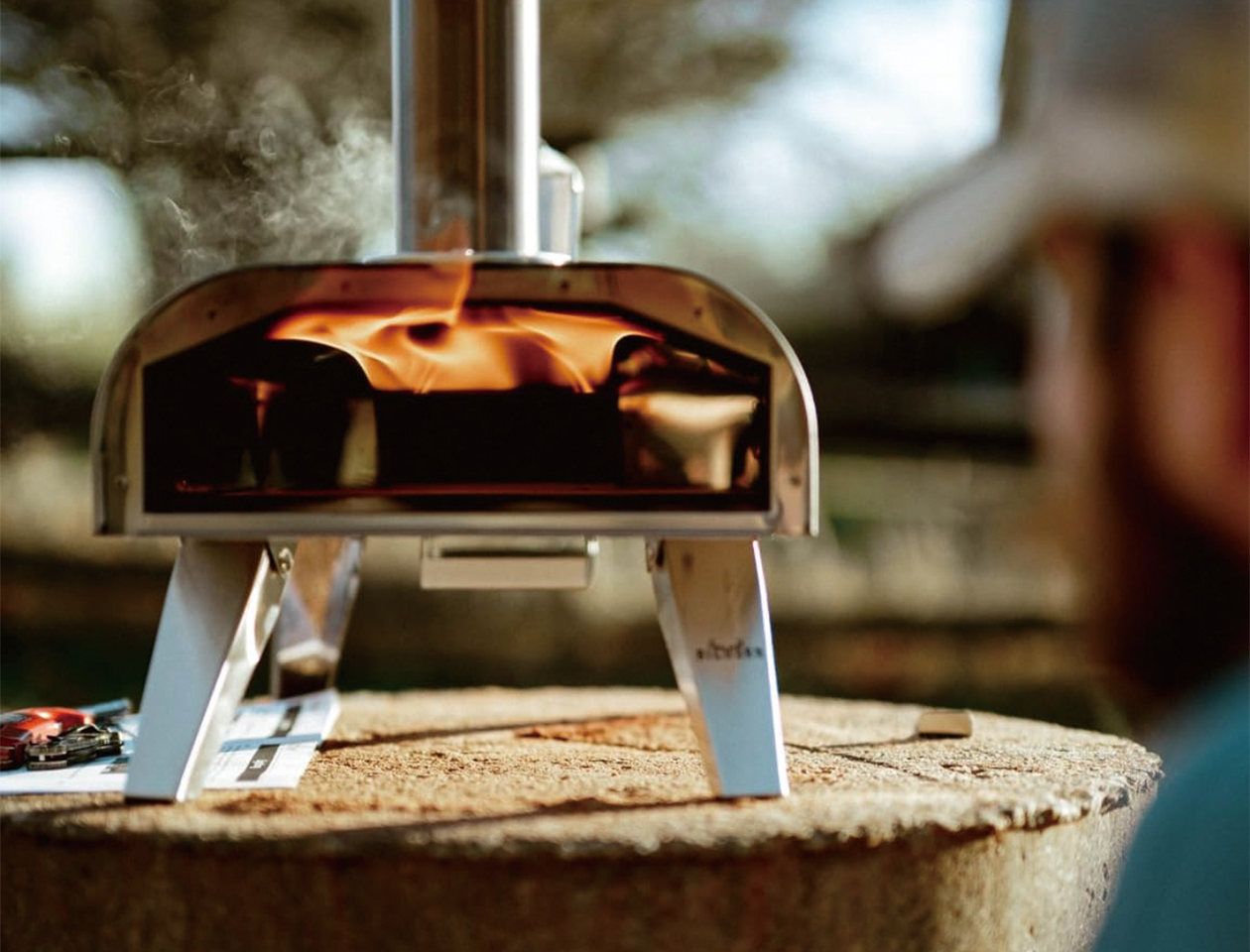
Once a chiminea or fire pit is on your patio, the useful questions stop being “which one is better” and become practical: how do you light it so the smoke stays under control, where can it sit safely, how often does the ash need to come out, and what does the unit need between seasons. This guide treats both units as owned equipment and walks through draft, placement, lighting, safety and care — the routines that keep a fire feature pleasant to use week after week. For the buying comparison of heat, smoke, cooking and footprint between the two, the separate three-way choosing guide is the better starting point.
Know the two units before you light them
A fire pit is an open bowl or table fire that radiates heat in every direction. Everyone seated around it shares the warmth, and the fire is visible from every seat — the reason fire pits dominate group seating. The trade-off is smoke: an open fire sends smoke wherever the wind takes it, and the people downwind get the worst of it. A chiminea is an enclosed wood-burning unit with a chimney that draws smoke upward and out. It warms the area in front of it, not in a circle around it, but it manages smoke far better in tight spaces and needs less room to operate.
Draft: what the chimney changes while you burn
The chiminea's chimney creates draft — the rising hot air pulls fresh air in through the firebox, which keeps the fire burning cleanly and directs smoke upward. That draft is why a chiminea can sit closer to a seating wall or in a corner where an open fire pit would smoke everyone out. Fire pits have no chimney, so their smoke follows the wind; placement matters more, and a fire pit upwind of seating turns the whole evening into a smoke problem. Watch the smoke for the first half hour of a new unit's first fires: if it rolls out of the opening instead of rising, the wood is too damp or the fire too small to establish draft, and the fix is drier fuel and a hotter start — not a different spot in the patio.
Reading the heat so you sit in the right place
Heat direction changes where people should sit. A fire pit warms everyone in a circle, so chairs work all the way around it, and the open coals can carry a grill grate when cooking is on the agenda. A chiminea throws heat forward from its opening, which suits two or three chairs facing it — anyone beside or behind the unit feels little of the fire, so arrange seating in an arc in front of the opening. A chiminea is not designed as a cooking platform; keep grilling on the fire pit or on a grill, and let the chiminea do the warmth-and-ambiance job it does best.

Using each safely
Both need the same foundation: a stable, level, non-combustible surface, clearance from structures and anything flammable, and a fire that is never left unattended. Chimineas need smaller fuel — split wood sized to the firebox — and a shorter stacking height than an open fire pit, which can take larger logs. Fire pits need a wider clear radius because sparks and radiant heat travel in every direction. Check local fire rules and your manual's clearances for the specific unit; those numbers override general advice.
Maintaining a chiminea
A chiminea's maintenance centers on its chimney and firebox. Remove ash when it is cool, and check the chimney periodically for creosote buildup or blockages — a clogged chimney ruins the draft and can create a dangerous situation. Steel chimineas with twin-wall construction are built to handle hotter fires than thin clay units, but they still need a dry base, a cover when not in use, and an occasional check of the seams. Season a new chiminea gradually with small fires before running it hot, and protect the top from rain so water does not sit in the firebox.
Maintaining a fire pit
A fire pit's maintenance is simpler but more frequent: empty ash regularly, since an ash-filled bowl chokes the fire and invites moisture, and protect the bowl with a cover when not in use. Corten steel pits are designed to develop a protective patina, but they still need a dry base and periodic ash removal; a fire pit that sits full of wet ash will rust faster than one kept clean and dry. If your pit has a grill grate, season and clean it like any cooking grate. Fire pits are lower-maintenance than chimineas overall, with the trade-off that their open design exposes more of the fire to weather.
Managing smoke and radiant heat during use
| Use question | What to check before lighting |
|---|---|
| Wind direction | Seat upwind or beside the unit so smoke leaves the group |
| Clearance | Confirm the manual's distances to walls, eaves, deck rails and dry plants |
| Base | Level, stable, non-combustible surface under the whole unit |
| Chiminea draft | Chimney clear and pointed away from the prevailing wind |
| Fire pit spark zone | Wider clear radius than a chiminea needs, because sparks travel in all directions |
Once the fire is lit, the two controls are where the smoke goes and where the heat lands. For a chiminea, point the opening at your seating and set the chimney away from the prevailing wind so the draft carries smoke clear of the group; if smoke rolls out of the opening, the fire needs drier fuel and a hotter start, not a new spot. For a fire pit, plan the seat ring so no one sits directly downwind, and treat the clear radius as the safety margin that stays fixed even when the fire is small. Re-check the distances in your unit's manual before each season — furniture gets moved, plants grow, and the clearance that worked last year can disappear by spring.
Seasonal care between fires
Between sessions, the routine that protects both units is simple: let ash cool completely before removal, keep the bowl or firebox dry, and cover the unit when it is not in use. For a chiminea, add two seasonal checks — inspect the chimney for creosote or blockages before the first cold-weather fire and again after periods of heavy use, and look at the seams of a steel unit for rust before the wet season. For a fire pit, the same ash rhythm protects corten steel's patina: a pit left sitting with wet ash rusts faster than one cleaned and covered, and a clogged ash bowl chokes the next fire before it starts.
Lighting tips for each
Both burn wood most easily with a bottom-up fire. For a chiminea, use small splits and kindling sized to the firebox, build a small teepee, and light it with the chimney clear — a cold chimney drafts poorly, so a brief paper or kindling fire warms the flue before the real fire goes in. For a fire pit, build the same teepee with larger fuel and light it at the base; an open pit takes bigger logs than a chiminea. Add fuel gradually in both cases, and never use accelerants on either — lighter fluid on a chiminea or fire pit is a recipe for a flare.
Maintenance routine side by side
| Care task | Fire pit | Chiminea |
|---|---|---|
| Ash removal | After every few fires | After every few fires |
| Chimney / flue check | Not applicable | Seasonal, plus after heavy use |
| Grate care (if cooking) | Season and clean | Usually no cooking grate |
| Cover when not in use | Recommended | Recommended, especially the top |
| Rust / patina watch | Corten pits patina on purpose | Steel chimineas need rust checks |
The routines are similar in effort but different in focus: the fire pit needs regular ash and grate care, while the chiminea adds chimney attention that the open pit never requires. That difference matters most in the off-season, when a covered, dry unit starts the next year clean and a neglected one needs extra work before the first fire.
Propane fire pits change the care story in one direction: no ash, no chimney and no wood seasoning, but the tank, hose and burner still need an annual check for leaks and damage, and the storage rules for propane apply. Big Horn's outdoor living range includes propane fire pit options alongside its wood-burning chimeneas and fire pits. Whichever fuel you own, the routines above keep the fire safe and the patio pleasant all season.
These steps are general guidance, and models vary: follow the manual for your specific unit, and verify temperatures with a clean thermometer where the text calls for one. Product details reflect official Big Horn Outdoors listings reviewed September 5, 2026; re-check prices and availability at checkout.