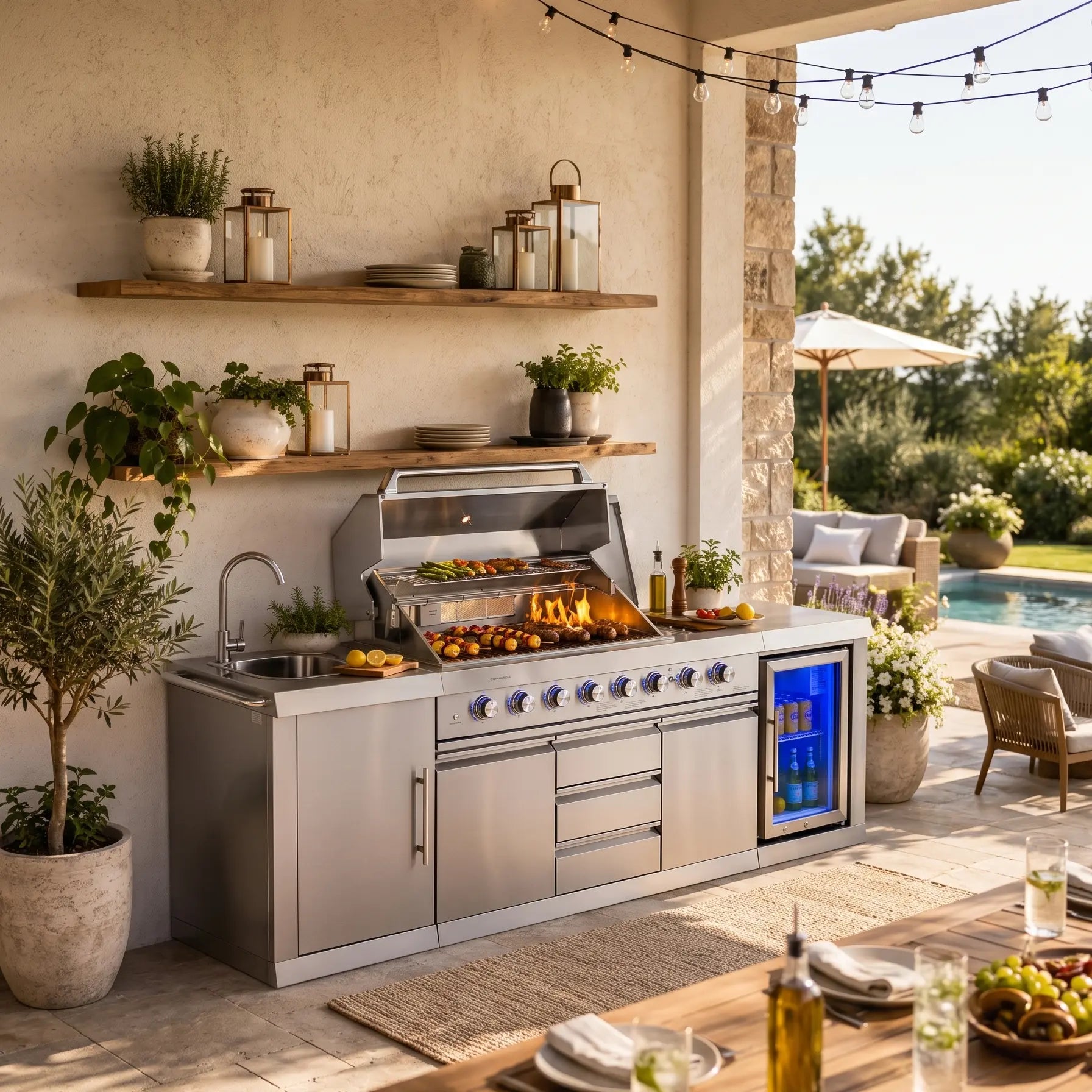
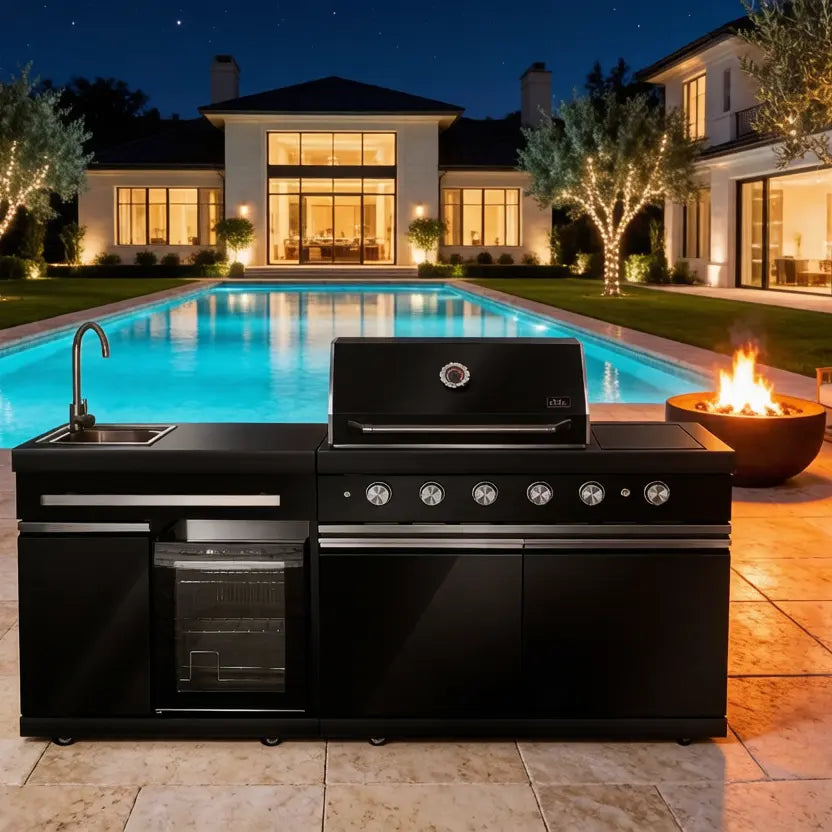
The global outdoor kitchen and residential baking sectors continue to see historic growth. Today's consumer expectations have shifted: backyard cooks no longer accept long preheating times or uneven heat distribution. They demand restaurant-style, blistered, leopard-spotted pizza crusts achieved in minutes.
The stainless steel pizza oven segment has expanded rapidly to accommodate every bracket of residential chef. Current market data shows a highly accessible entry-level tier starting near $312.99, mid-range multi-fuel units balancing out between $500 and $1,500, and commercial-grade premium showpieces stretching up to $1,049.00 and beyond. This diverse financial landscape makes choosing the correct build configuration, thermal insulation, and fuel system critical for a smart, long-term culinary investment.
What is a Stainless Steel Pizza Oven?
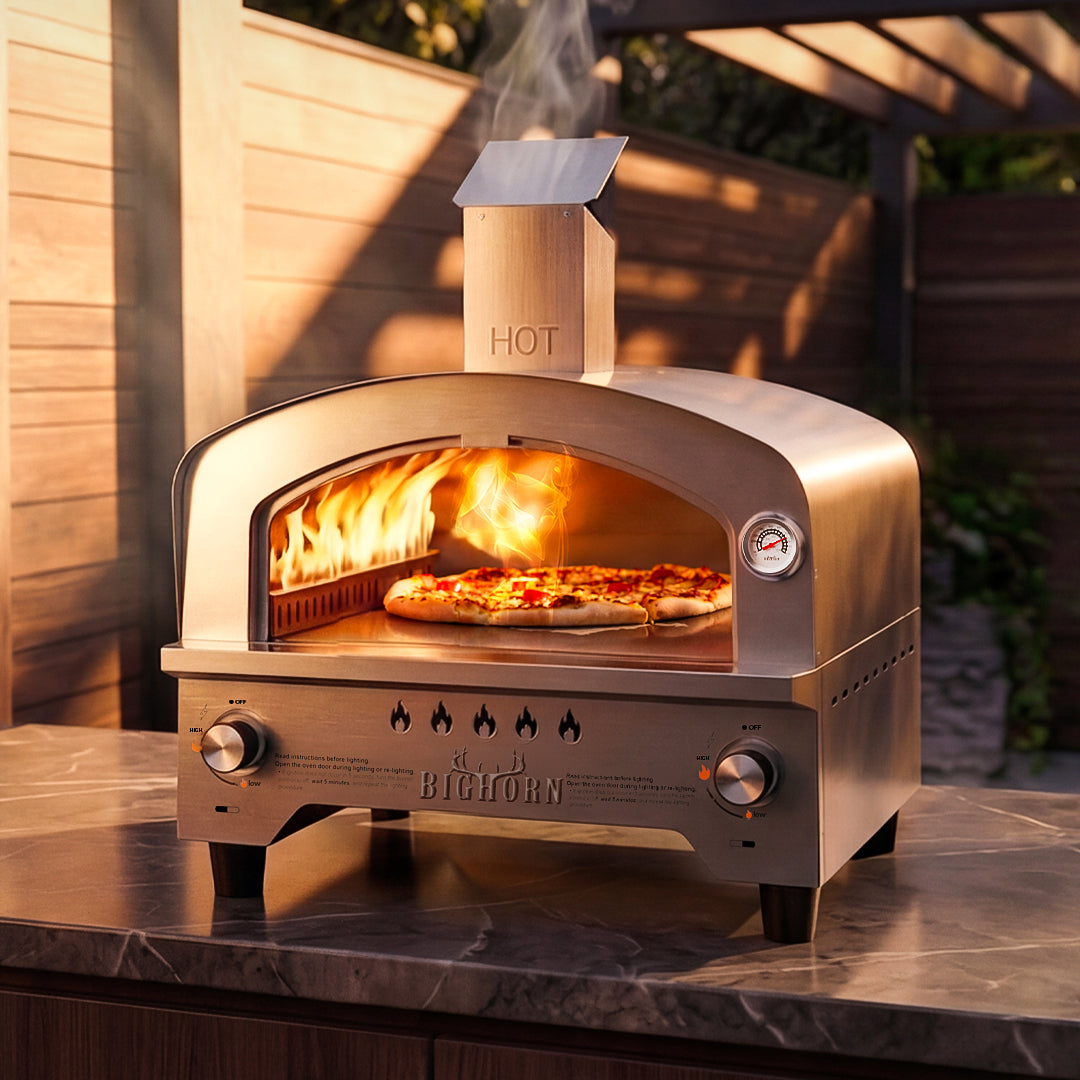
A stainless steel pizza oven is a highly specialized residential or commercial-grade cooking appliance engineered with heavy-duty steel components. It is optimized for rapid preheating, superior weather resistance, and maximum thermal reactivity. Unlike traditional static brick ovens, high-quality steel models utilize an insulated dome structure to bounce radiant heat directly onto a high-performance cordierite or ceramic baking stone. This design allows home cooks to reach the extreme temperatures necessary for authentic artisan pizza without a masonry installation.
Critical Buyer Dilemmas: Why Shoppers Hesitate
1. Thermal Inconsistency and Pale Crusts
The most common pain point for amateur pizzaiolos is thermal recovery time. Weak, uninsulated steel shells lose heat the moment a cold dough hits the stone, resulting in burned toppings over an underdone, pale base. High-quality stainless steel ovens solve this issue by combining rapid heat conduction with dense internal insulation, ensuring immediate heat recovery between back-to-back pies.
2. Weather Exposure and Material Degradation
Outdoor cooking equipment faces unforgiving environments—rain, intense sun, grease, humidity, and constant thermal shock. Low-grade metals warp, rust, or crack within one or two seasons. Food-grade, thick-gauge stainless steel offers structural integrity and long-term resistance to rust and outdoor wear.
3. Setup Complexity vs. True Portability
Many buyers assume authentic wood-fired baking requires complicated masonry, massive structural footprint, or confusing airflow settings. Modern consumer demands require a streamlined path: compact setups, intuitive fuel lines, retractable legs, and rapid-launch workflows that transition seamlessly from a patio counter to a tailgating site.
4. Value Ambiguity and Hidden Accessory Costs
Ovens frequently look identical in online mockups but vary wildly in actual weight, metal thickness, insulation layers, and out-of-the-box utility. A low sticker price often hides the lack of crucial structural components or mandatory tools like specialized baking stones, commercial peels, or weather covers. True value lies in the complete, operational hardware ecosystem.
The Master Competitive Matrix: Top Market Contenders by Category
To help you navigate the landscape, we have analyzed and benchmarked the highest-performing stainless steel models across the market for July 2026, ranking them by fuel type, maximum heat capacity, and primary structural advantages.
| Oven Model & Brand | Best For | Fuel Type & Location | Max Temperature | Core Structural Advantage | Price Signal |
| Big Horn 16" Propane Pizza Oven | Effortless outdoor convenience & automated baking |
Propane Gas (Outdoor Only) |
932°F in 15 mins | Integrated 360° manual rotating pizza stone ensures perfectly even browning without removing the pie. | Mid-tier Accessible |
| Big Horn 16" Multi-Fuel Oven | Maximizing authentic smoky wood flavor with gas flexibility | Wood Pellets / Convertible to Gas (Outdoor Only) | 1,112°F | Front glass viewing window allows real-time crust tracking without dropping dome temperatures. | Exceptional Value |
| GreenPan Stanley Tucci Oven | True dual environment versatility | Hybrid Indoor/Outdoor (Electric) | 850°F | Specialized top and bottom "Boost Modes" to precisely crisp specific zones of the pie. | Premium Collaboration |
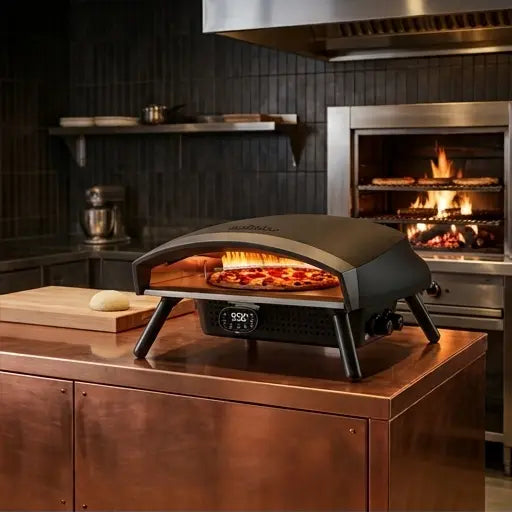
| Big Horn Outdoors 14" Countertop | Premium indoor precision and kitchen integration |
Electric (Primarily Indoor) |
220°F to 850°F | Advanced PID temperature precision paired with an oil-resistant accent over heavy-duty steel. | Dedicated Appliance |
| Ooni Karu 16 | The adventurous home chef who refuses to compromise | Multi-Fuel (Wood, Charcoal, or Gas Option) | 950°F | Hinged glass door design with advanced ceiling vent architecture for precision airflow control. | Mid-Range Benchmark |
| Gozney Dome S1 | Culinary enthusiasts demanding sleek, commercial precision |
Propane Gas (Outdoor Only) |
950°F+ | Professional-grade structural ceramic coating over a heavy-duty steel frame with built-in digital thermometers. | High-End Residential |
| Alfa Forni 4 Pizze | Massive backyard parties and high-frequency entertaining | Wood or Gas Hybrid (Outdoor) | 1,000°F | Patented Forninox™ double-insulated stainless steel dome; bakes 4 pizzas simultaneously in 90 seconds. | Premium Investment |
Deep-Dive Performance Factors & Material Comparisons
Stainless Steel vs. Traditional Brick and Cast Iron
Brick and masonry ovens remain the undisputed kings of structural heat retention. Once a brick oven absorbs heat, it stores it for hours. However, it requires hours of wood preheating and a permanent, high-weight footprint. Cast iron holds heat beautifully but is heavy, brittle, and demands meticulous oiling to prevent rust.
Stainless steel delivers the ultimate compromise for the modern lifestyle. It heats up in 15 to 30 minutes instead of hours, responds immediately to dial or flame adjustments, and resists rust with minimal cleanup.
The Critical Role of Insulation
The secret of a high-temperature oven is not just the fire—it is the insulation wrapping the cooking chamber. Premium models utilize double-walled stainless steel construction packed with commercial ceramic fiber insulation. This layout traps intense heat inside while keeping the outer shell safer to touch, maintaining steady 900°F+ baking surfaces even in cold or windy weather.
Core Technical Features to Look For
-
Thick-Gauge Exterior Shells: High-grade, food-safe stainless steel prevents warping under extreme thermal cycles and maintains a polished aesthetic over years of use.
-
Rapid-Fire Thermal Dynamics: True pizza engineering requires hardware capable of matching intense radiant dome heat with conduction floor heat, minimizing baking cycles to 60–90 seconds per pie.
-
A Standardized Ecosystem: Check for immediate compatibility with structural add-ons. Look for premium cordierite pizza stones, matched aluminum or wooden pizza peels, infrared thermometer guns, and heavy-duty tailored weather covers.
Real-World Owner Insights & Performance Trade-offs
A transparent purchasing choice requires analyzing long-term ownership realities rather than just looking at marketing specifications:
-
The Heat Discoloration Reality: When exposed to internal temperatures exceeding 900°F, shiny stainless steel naturally develops a golden, bronze, or iridescent patina over time. This is a normal cosmetic reaction known as heat tinting. It does not affect the structural integrity or performance of the metal—it is a badge of honor for a well-loved oven.
-
Soot Management: Wood and pellet fuel sources naturally produce fine soot along the mouth, door, and chimney of the oven. While a quick wipe-down with a damp microfiber cloth cleans it easily, buyers looking for a zero-maintenance experience should focus primarily on propane or electric models.
-
Residual Heat Limitations: Because steel conducts heat quickly, it cools down faster than heavy brick once the fuel source is turned off. While ideal for rapid teardown and portability, it means stainless steel ovens are not intended for multi-hour residual baking (such as slow-roasting large cuts of meat or thick loaves of sourdough) without a continuous active flame.
Scenario Analysis: Matching Ovens to Your Lifestyle
Scenario 1: The New Homeowner & Backyard Designer
-
Traditional Approach: Buying a standard backyard grill and hoping an aftermarket pizza stone insert works well.
-
The Premium Upgrade: Installing a dedicated, visually stunning stainless steel propane or hybrid station that matches existing metallic appliances, creating an instant focal point for outdoor entertaining.
Scenario 2: The High-Frequency Party Host
-
Traditional Approach: Using a standard kitchen oven, keeping guests waiting as individual pizzas bake slowly at 500°F.
-
The Premium Upgrade: Utilizing high-capacity models like the Alfa Forni or the Big Horn 16-inch propane units to fire consecutive 60-second pizzas, keeping up with hungry crowds without dropping dome temperatures.
Scenario 3: The Urban Balcony or Indoor Chef
-
Traditional Approach: Abandoning high-heat baking completely due to outdoor space or open-flame restrictions.
-
The Premium Upgrade: Adapting to high-powered indoor electric models featuring PID precision controllers and specialized boost modes, safely recreating 850°F restaurant textures directly on a kitchen countertop.
Scenario 4: The Outdoor Tailgater and Camper
-
Traditional Approach: Carrying a heavy, fragile tabletop setup that is difficult to pack and easily damaged on the road.
-
The Premium Upgrade: Selecting a compact, portable stainless steel build featuring retractable legs, a secure travel cover, and a quick-disconnect gas regulator for premium cooking anywhere.
How to Optimize Your Stainless Steel Pizza Workflow
-
Select Your Fuel Strategy: Choose propane for push-button convenience and precise temperature dials, or opt for wood pellets/chips if you enjoy active fire management and classic smoky aromas.
-
Commit to a Full Preheat: Never rush the launch. Let the oven run on high for at least 15 to 20 minutes. Use an infrared thermometer gun to verify that the center of the baking stone has reached your target cooking temperature.
-
Perfect the Launch Mechanics: Dust your pizza peel lightly with semolina flour or coarse cornmeal. Test that the raw dough moves freely on the peel before adding your sauce and toppings.
-
Manage the Flame Profile: Pizzas bake in under two minutes at maximum heat. Keep your eyes on the crust and use your turning peel to rotate the pie 180 degrees midway through the bake to prevent scorching near the fire source.
-
Maintain Your Investment: Let the unit cool completely before touching it. Clean the baking stone by brushing off loose debris—never use soap or water on porous cordierite stones. Wipe down the stainless steel exterior with a dedicated steel cleaner to keep its modern aesthetic sharp.
Frequently Asked Questions
Why is stainless steel preferred over other materials for modern outdoor ovens?
Stainless steel provides the perfect balance of fast preheating times, excellent structural weather resistance, and an elegant, modern design language. It heats up in a fraction of the time required by masonry ovens while offering much easier long-term maintenance than cast iron.
Is an 850°F+ stainless steel pizza oven safe for a beginner?
Yes. High-heat stainless steel units are highly approachable because they offer predictable heat controls. Choosing models featuring simple gas dials, integrated thermometer displays, or insulated safe-touch outer jackets removes the guesswork for new cooks.
What accessories are required to start baking immediately?
To operate efficiently, you need a high-temperature cordierite or ceramic baking stone (usually included with quality models), a launch peel to slide pizzas into the oven, a turning peel for rotation, and a heavy-duty weather cover to protect the exterior steel finish from rain and humidity.
How do I clean carbon buildup or soot off the steel shell?
Once the oven is completely cold, use a soft cloth with warm water and a non-abrasive stainless steel cleaner. Avoid steel wool or harsh abrasive pads, which can scratch the grain of the metal finish.
Conclusion & Next Steps
A premium stainless steel pizza oven is an investment in your culinary lifestyle, turning backyard gatherings into interactive dining experiences. Whether you favor the simple, push-button control of a gas-powered rotating stone or the rich tradition of a wood-fired multi-fuel dome, the ideal model balances quick heating performance with durable, heavy-gauge construction.
Explore the market options for July 2026, evaluate your primary fuel preferences and typical guest count, and choose the dedicated cooking setup that transforms your patio into a world-class home pizzeria.